Electronic Health Record Platform Development
Develop HIPAA-compliant electronic health record platforms that centralize patient information, clinical documentation, care workflows, and healthcare data exchange.
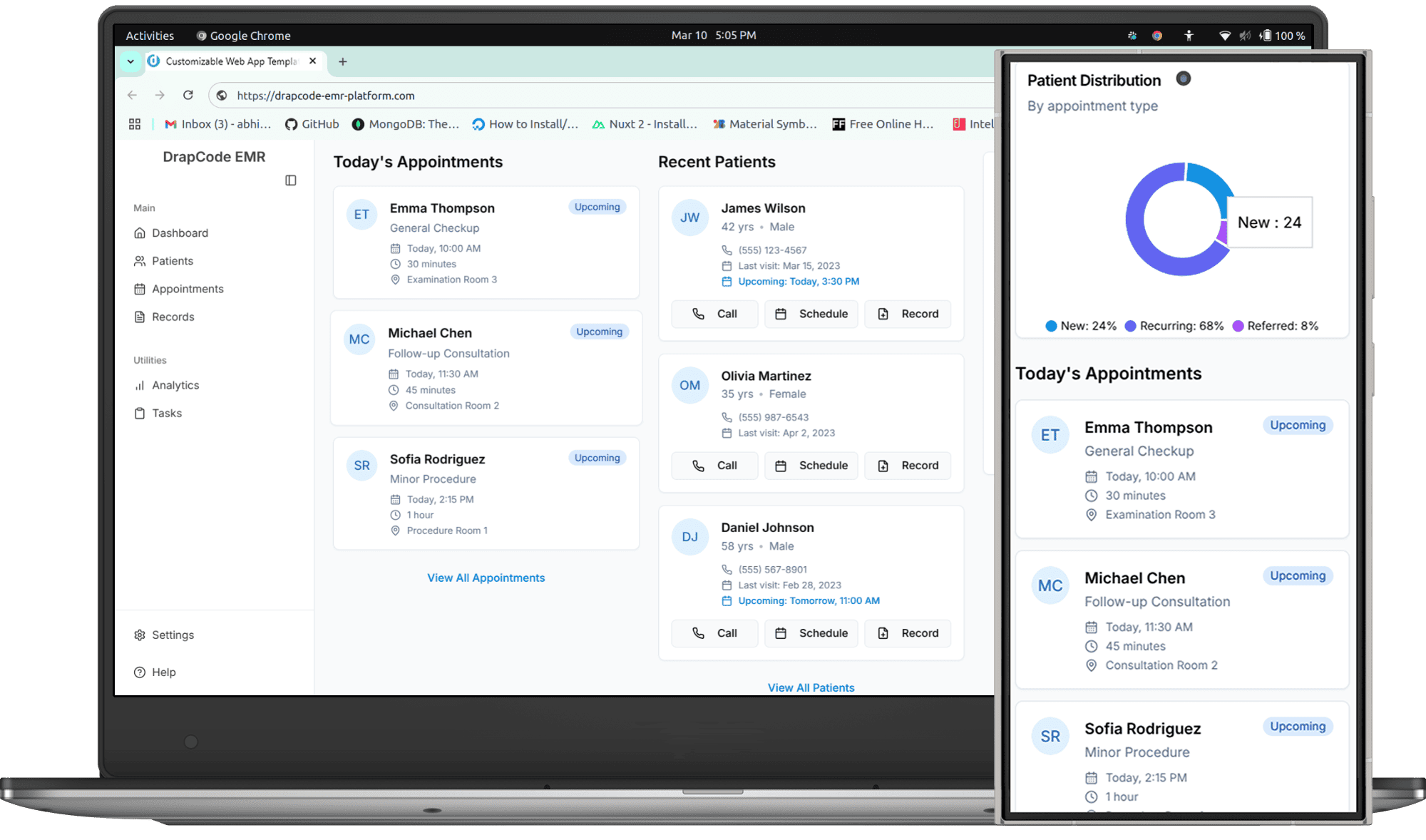
Create a Complete Patient Record
Healthcare organizations need a reliable source of patient information across encounters, diagnoses, medications, procedures, results, and treatment plans. When clinical information is scattered across disconnected systems, providers spend valuable time finding and reconciling records. An EHR platform brings this information into a structured clinical environment. It gives authorized care teams a longitudinal view of each patient while supporting consistent documentation, coordinated care, and informed clinical decisions.
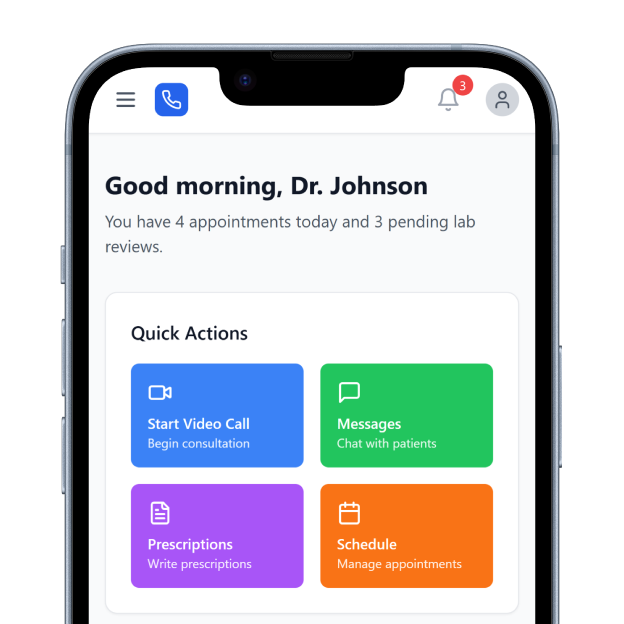
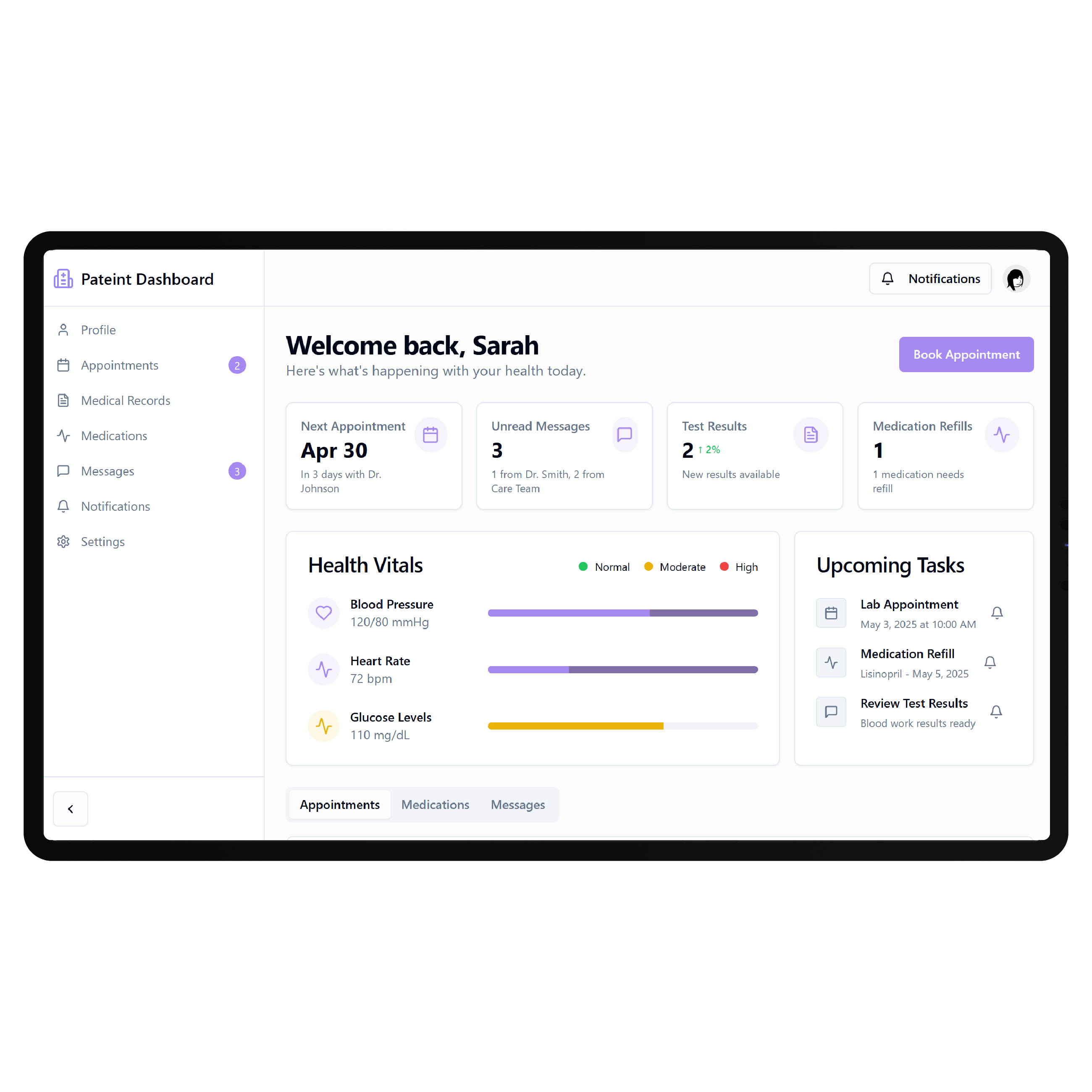
Connect Clinical Information Across Care
Modern healthcare rarely operates within one system. Patient information may move between providers, laboratories, pharmacies, diagnostic services, and other healthcare applications throughout a single care journey. DrapCode helps organizations develop EHR applications around their clinical workflows and integration requirements. An EHR can connect with aClinical Decision Support Platform to bring relevant patient information and clinical guidance into provider workflows.
Core EHR Capabilities
Give care teams secure access to structured patient information and clinical workflows throughout the care journey.

Patient Record Management
Maintain comprehensive patient histories, encounters, diagnoses, medications, allergies, and clinical documentation securely.
Clinical Documentation
Capture progress notes, assessments, treatment plans, observations, and other clinical information within structured workflows.

Care History
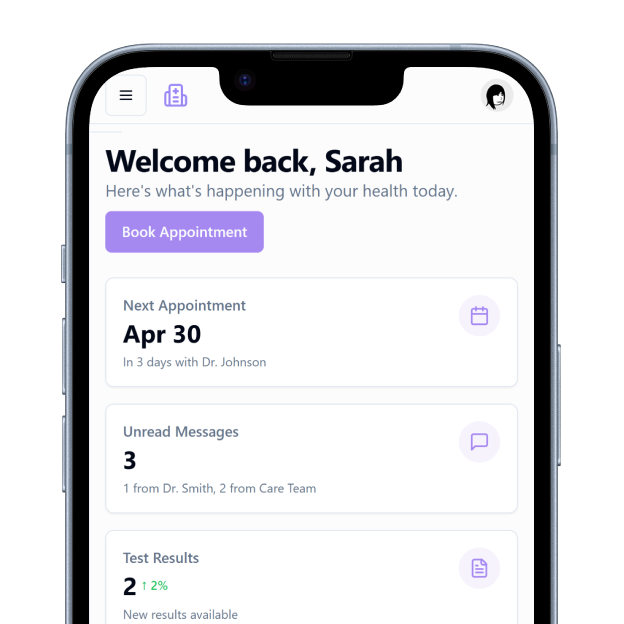
Provide authorized providers with a longitudinal view of encounters, treatments, results, medications, and patient conditions.
Provider Workspaces
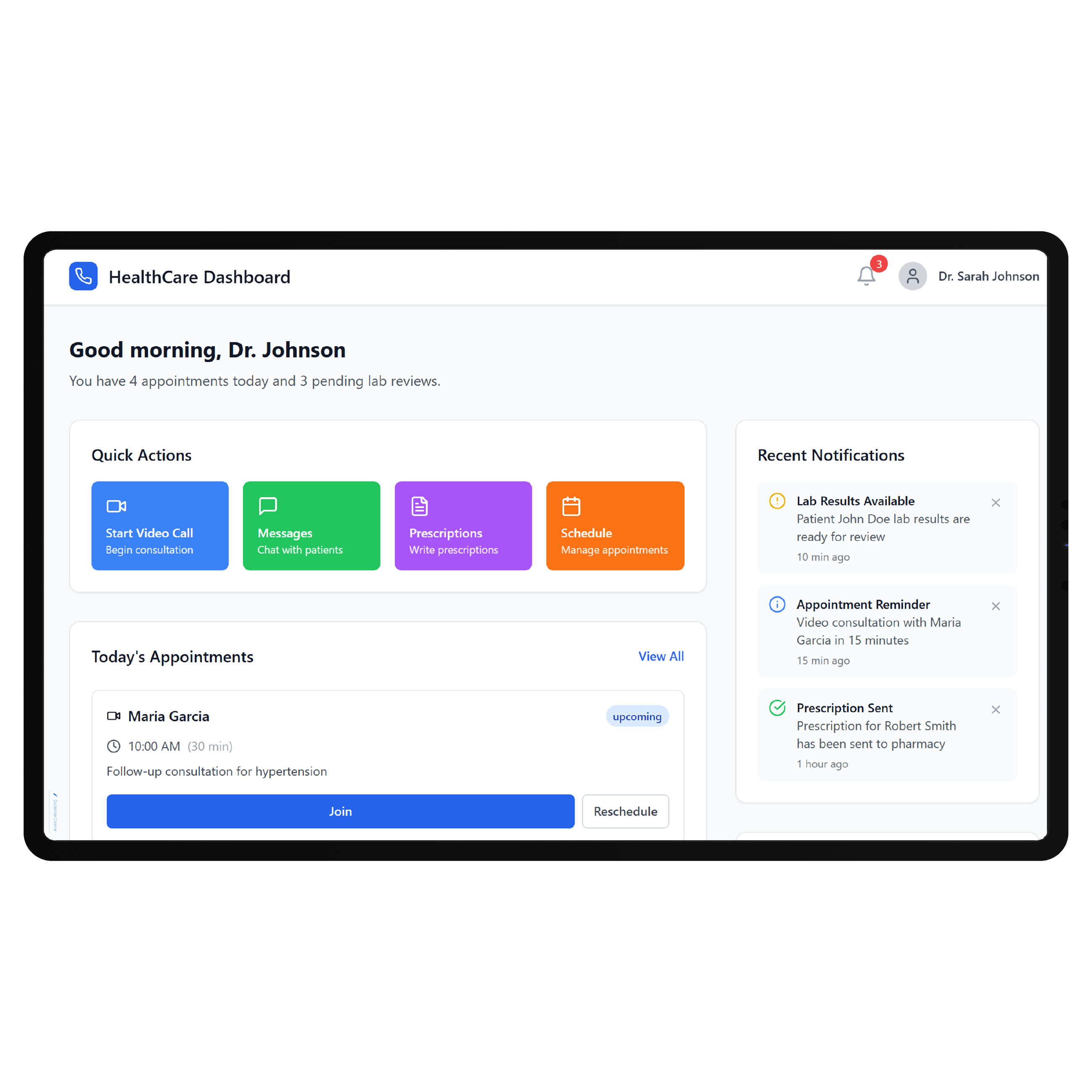
Give clinicians centralized access to patient information, schedules, documentation, tasks, and care activities.

Access Controls
Manage information access according to provider roles, responsibilities, departments, and organizational requirements.
Diagnostic Results
Receive and organize laboratory and diagnostic information within the appropriate patient record.


We partnered with DrapCode to develop our new Automated CRM using their low-code platform. Outstanding quality at half the price, unmatched speed, and excellent customer service.
Cal Goggans
Founder - A Custom Fit iNMotion



DrapCode stands out as the best. Flexible, scalable, and supported by an expert team. After 3 years on another tool, DrapCode is simply superior.
Cory Nation
President - Embark EMR

DrapCode is an easy-to-use no-code platform with a drag-and-drop interface, making it accessible for non-developers. The support team is highly responsive and dedicated to user success.
Joseph Young
President - Renew Hope And Healing
Technology Behind Connected EHR Systems
Build an EHR foundation that supports interoperability, secure information exchange, integration, and scalable healthcare operations.
FHIR Interoperability
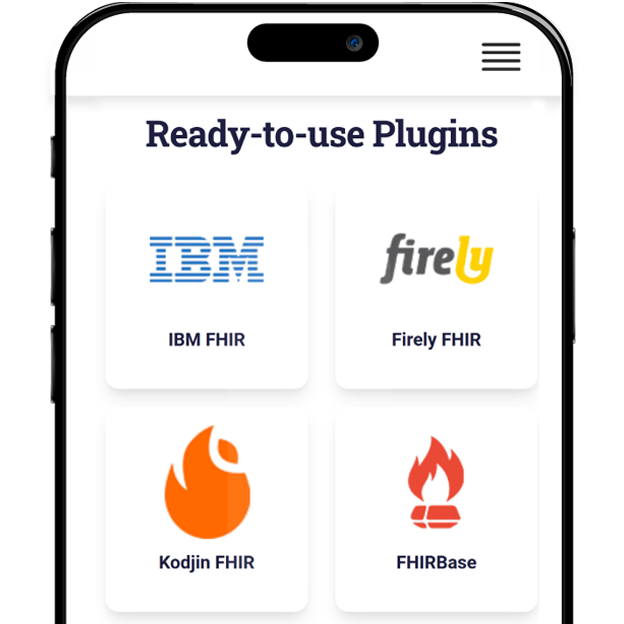
Exchange structured clinical information with connected healthcare applications through FHIR-based interoperability workflows.

Healthcare Integrations
Connect EHR workflows with laboratories, telemedicine services, billing systems, and other healthcare technologies.

Secure Data Architecture
Protect patient information through encryption, authentication, permissions, monitoring, and comprehensive activity logging.
Scalable Infrastructure
Support growing patient records, provider networks, healthcare facilities, integrations, and clinical workloads.
EHR platforms can also connect with a Telemedicine Platform allowing providers to access relevant patient information during virtual consultations and follow-up care.
EHR Applications Across Healthcare
Clinical Care
Centralize patient histories, encounters, diagnoses, medications, clinical notes, and treatment information to give providers a complete view of each patient's care.
Diagnostic Coordination
Connect laboratory and diagnostic information with patient records so authorized care teams can access relevant results without relying on disconnected reporting systems.
Multi-Specialty Care
Support multiple departments and specialties through shared patient records while allowing organizations to maintain workflows, permissions, and documentation requirements specific to each care environment.
How It Works
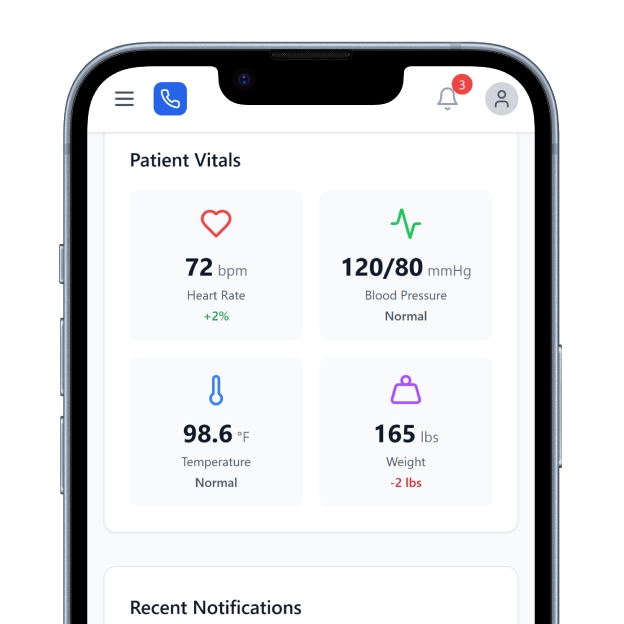
Develop an EHR platform around your clinical workflows, data requirements, healthcare integrations, security, and organizational structure.
 Longitudinal patient records
- Structured clinical documentation
- Secure information access
- Interoperable healthcare data
Define Clinical Data
Identify patient information, encounters, diagnoses, medications, results, documentation, and other clinical data required by your organization.
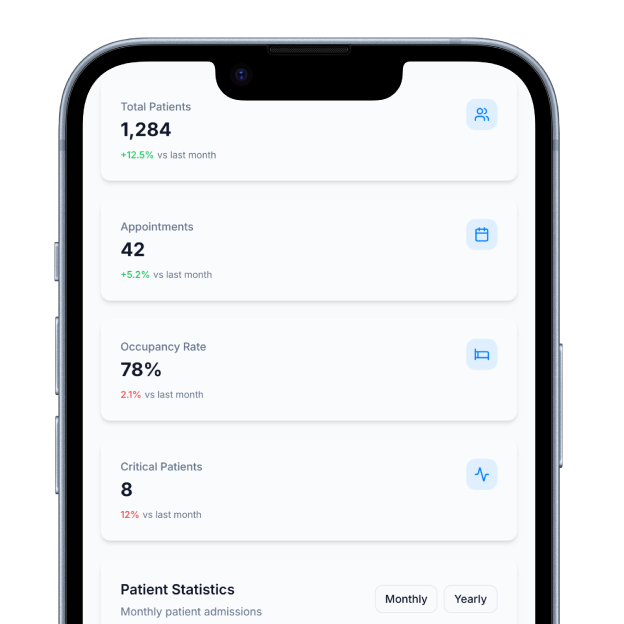
Structure Care Workflows
Design workflows for clinical documentation, patient management, provider activities, diagnostics, care coordination, and administrative processes.
Connect Healthcare Systems
Integrate laboratories, telemedicine, billing, patient-facing applications, and other healthcare technologies through secure APIs.
Deploy Securely
Launch the EHR application with appropriate access controls, authentication, monitoring, auditability, and healthcare-focused infrastructure.
Protecting the Patient Record
EHR platforms contain some of the most sensitive information within a healthcare organization. Patient histories, diagnoses, medications, clinical notes, and diagnostic results must remain protected while remaining accessible to authorized care teams. DrapCode supports HIPAA-compliant healthcare application development with encrypted data management, role-based permissions, authentication, and audit logging. EHR applications can also support structured healthcare data exchange for connected clinical systems and interoperability workflows.
Why Build Your EHR With DrapCode
An EHR needs to reflect how healthcare organizations actually deliver care, document encounters, exchange information, and coordinate providers. DrapCode provides a healthcare application development platform for building production-ready EHR applications around those requirements. From patient records and clinical documentation to interoperability and connected care workflows, DrapCode provides a foundation for organizations developing specialized healthcare software. The platform can evolve as clinical services, provider networks, integrations, and organizational requirements expand.
Frequently Asked Questions
What is an electronic health record platform?
What should an EHR platform include?
Can an EHR integrate with laboratory systems?
Can an EHR support telemedicine?
Can DrapCode build a HIPAA-compliant EHR platform?
Build a Connected EHR Platform
Create a secure electronic health record platform that gives healthcare teams a complete view of patient information while connecting clinical workflows across your organization.