Build Loan Management Software with AI
Build loan management applications using DrapCode's AI App Builder, vibe coding, and visual development to manage repayments, servicing workflows, and loan portfolios.
Work Begins After the Funds Are Released
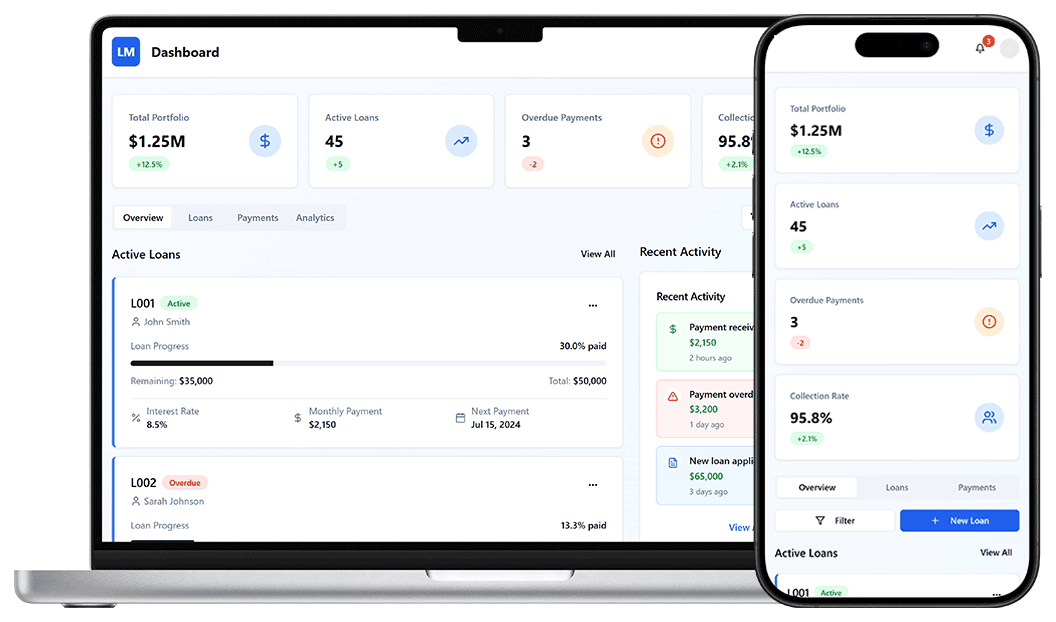
Disbursing a loan creates an ongoing set of responsibilities. Lenders must maintain repayment schedules, track incoming payments, update outstanding balances, and account for interest and fees throughout the loan term. Problems often arise when payment records do not match loan accounts, repayment dates change, or borrowers miss installments. Servicing teams need a reliable way to identify discrepancies, update account records, and coordinate the next action.
Every Repayment Changes the Account Record
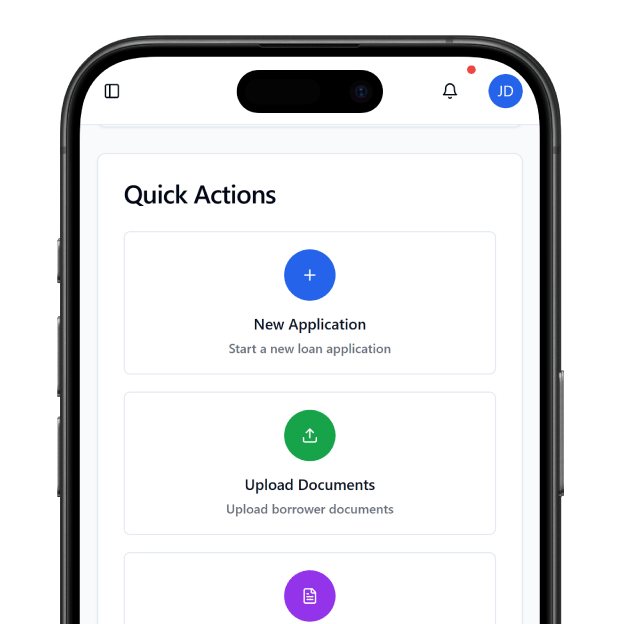
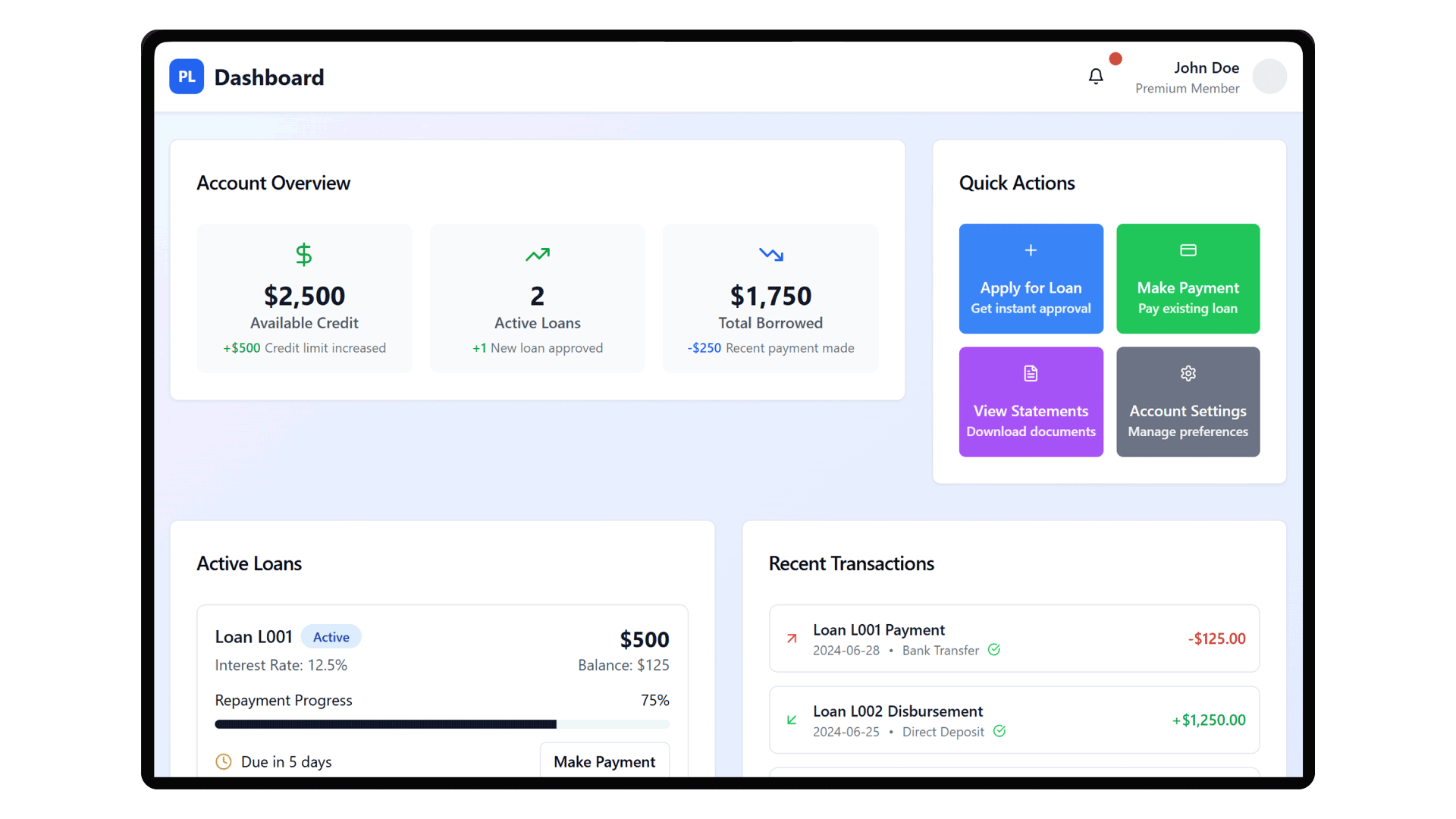
A partial payment, revised repayment schedule, or overdue installment can affect the account's outstanding balance and future servicing activities. These changes need to follow defined rules while preserving an accurate history of account activity. DrapCode's AI App Builder helps teams describe their servicing requirements through vibe coding, generate and refine supported functionality, and configure data, interfaces, and business logic visually. Applications can be shaped around specific repayment policies and connected to compatible payment or financial systems.
The Moving Parts of Loan Servicing
Configure the account-level operations that keep repayment records, servicing actions, and outstanding obligations organized.

Repayment Allocation
Allocate incoming payments across installments, interest, fees, and principal using configured rules.

Schedule Adjustments
Update repayment dates or terms while preserving revised schedules and account history.

Interest Calculations
Apply configured interest accrual, late charges, and product-specific fee calculations to accounts.

Delinquency Tracking
Identify overdue installments, classify aging, and assign follow-up actions to servicing teams.

Borrower Statements
Present due dates, transactions, balances, and repayment history in borrower-facing account views.

Payment Reconciliation
Compare payment records with loan accounts to flag unmatched or incomplete transactions.
Keep Payments & Loan Records in Sync
Loan servicing relies on consistent information across payment channels, account records, and financial reporting systems.

Payment Connectivity
Connect supported payment gateways or banking interfaces to receive transaction statuses securely.

Consistent Loan Data
Keep schedules, transactions, balances, and account adjustments consistently aligned across servicing records.

Role-Based Access
Separate servicing, collections, finance, and administrative access through configurable role-based user permissions.
Audit and Reporting
Record relevant account changes and servicing actions to support traceability and operational reviews.
Loan Servicing Across Different Portfolios

Retail Loan Accounts
Track installment payments, overdue amounts, account balances, and repayment histories across personal loan portfolios.

Commercial Credit Facilities
Manage business loan schedules, account adjustments, interest charges, and servicing records for commercial borrowers.

Microfinance Repayments
Organize frequent collection cycles, group-based repayment tracking, and overdue follow-ups across microfinance borrower portfolios.
Turning Repayment Rules into Daily Operations
Start with your loan ledger and servicing policies, then configure the workflows needed to maintain accurate accounts.
 Preserve account history
- Apply consistent repayment rules
- Reconcile payments against loan records
- Control access to financial information
Define Servicing Rules
Specify repayment frequencies, interest methods, fee structures, payment allocation rules, and overdue handling policies.
Model Loan Accounts
Use vibe coding and visual development to configure account records, repayment schedules, transaction histories, and servicing interfaces.

Handle Payments and Exceptions
Configure payment updates, reconciliation workflows, schedule changes, and follow-up actions for overdue or unmatched transactions.
Validate Account Accuracy
Test repayment scenarios, interest calculations, balance updates, permissions, and integration responses before deployment.

Maintain Control Over Every Account Update
Loan management applications may contain borrower information, payment histories, outstanding balances, and sensitive financial records. Appropriate encryption, authentication, role-based access controls, and audit logging help protect these records and govern account changes. DrapCode provides security and infrastructure capabilities for regulated application development. Required safeguards depend on the application architecture, deployment configuration, integrations, and applicable financial regulations.
Build Servicing Logic Around Your Portfolio
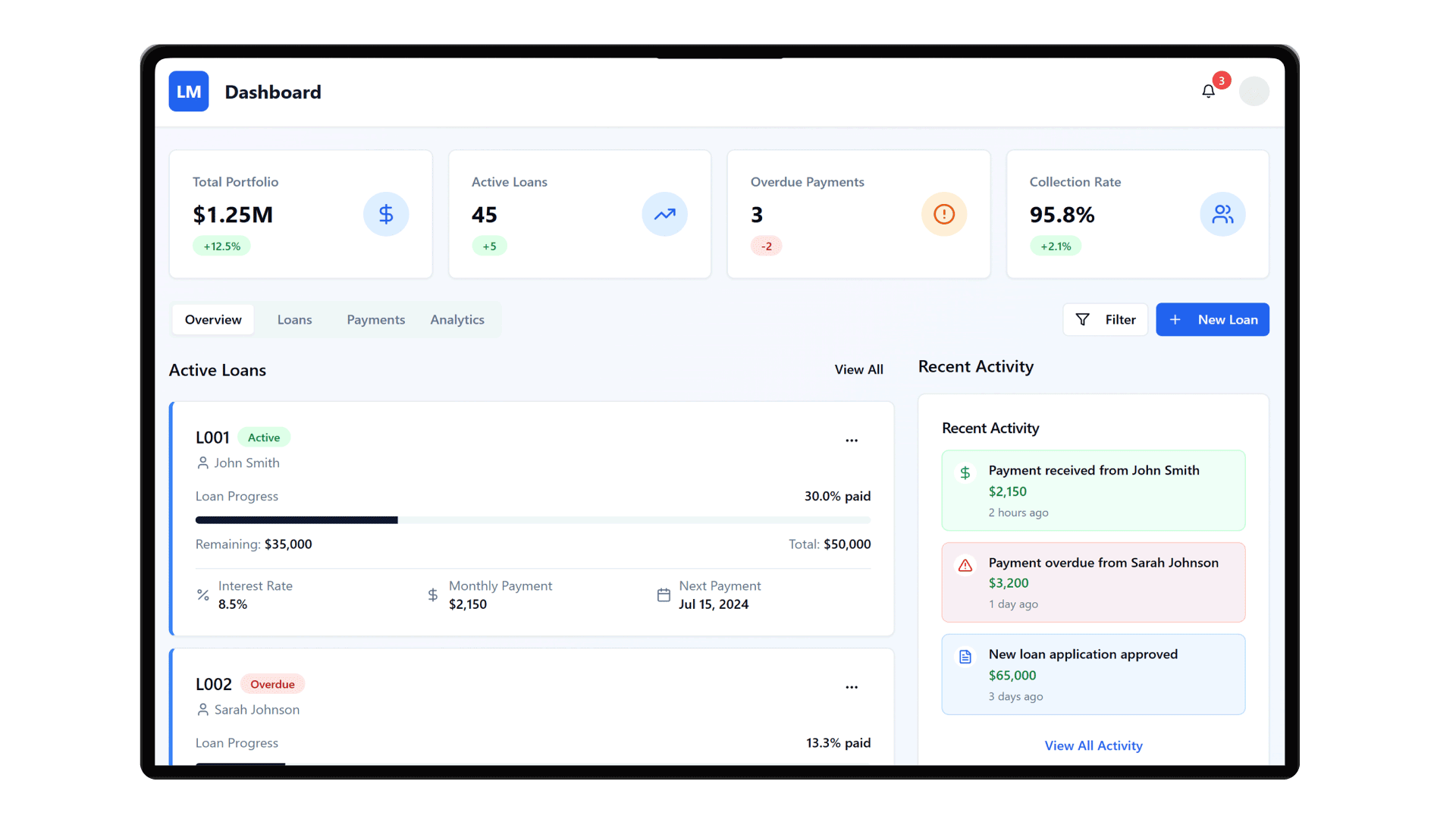
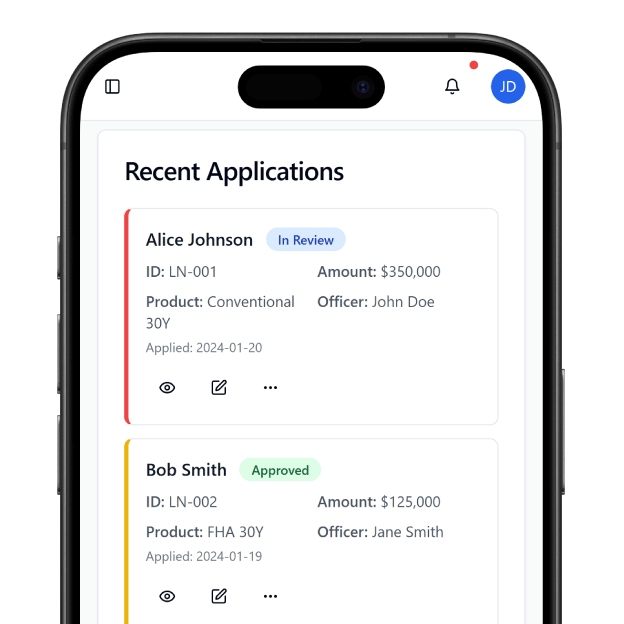
Loan servicing rules vary with repayment structures, interest policies, collection practices, and portfolio requirements. DrapCode combines AI-assisted development with visual configuration to help fintech teams build applications around these operational differences. Teams can refine supported functionality, configure account workflows, and connect compatible services as servicing requirements evolve. This provides flexibility when building custom loan management applications without relying entirely on fixed templates.
Frequently Asked Questions
What does loan management software do after loan disbursement?
Can I build loan management software using AI?
Can I customize repayment schedules and interest calculations?
Can loan management software integrate with payment gateways?
Can loan management software identify overdue installments?
Bring Your Loan Servicing Workflows Together
Build a loan management application around your repayment rules, account records, and servicing operations using AI-assisted and visual development.