Medical Billing EMR Software Development
Develop HIPAA-compliant medical billing EMR software that connects patient records, clinical documentation, claims, payments, and revenue cycle activities.
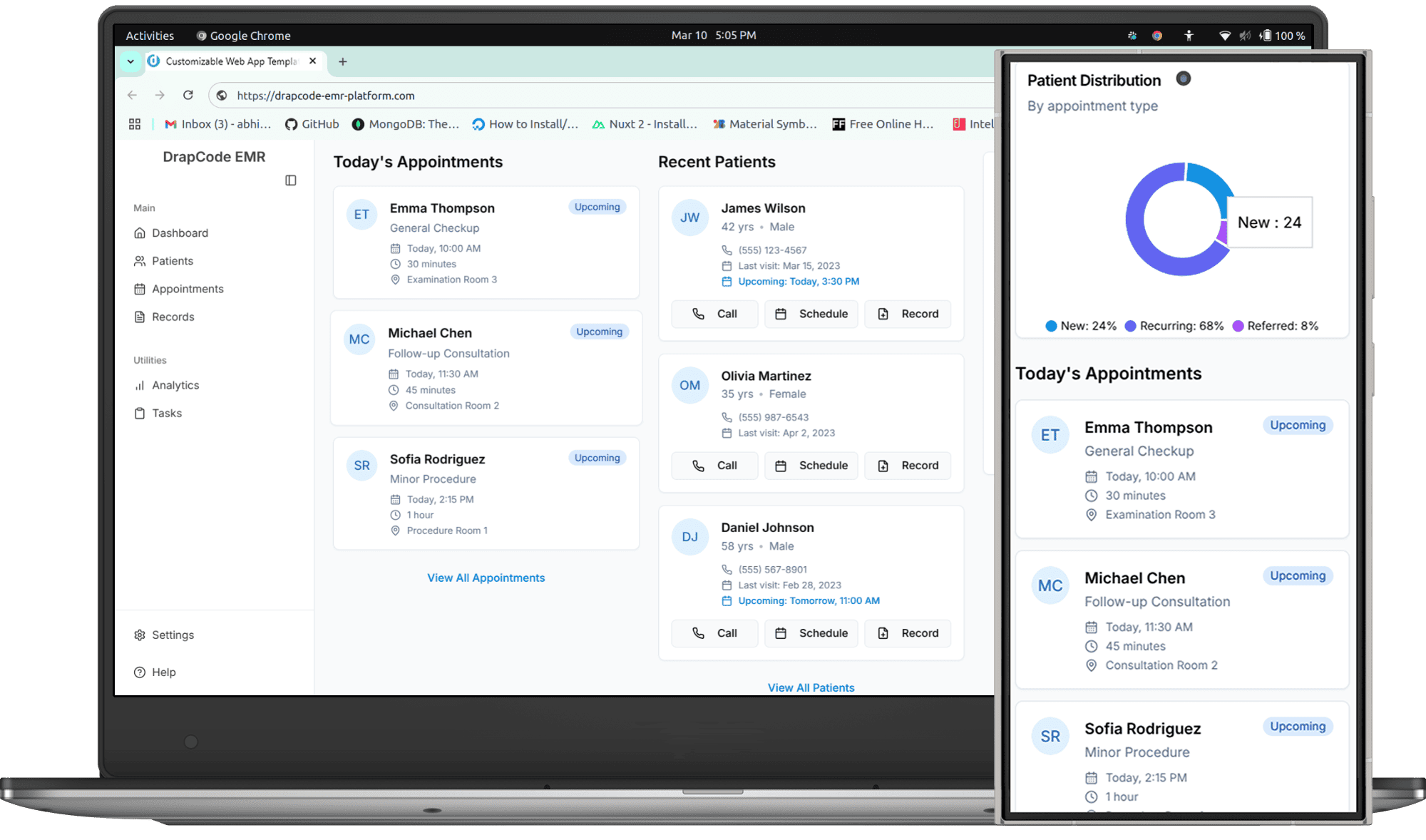
Connect Care With Revenue
Healthcare organizations manage clinical and financial information that directly influence one another. A completed consultation generates documentation, services create billable events, and those services eventually move through claims, payments, adjustments, and reconciliation. When clinical and billing information sits across disconnected systems, staff may spend considerable time matching records and resolving inconsistencies. Medical billing EMR software brings relevant clinical and financial workflows closer together, enabling billing teams to work from more complete information.
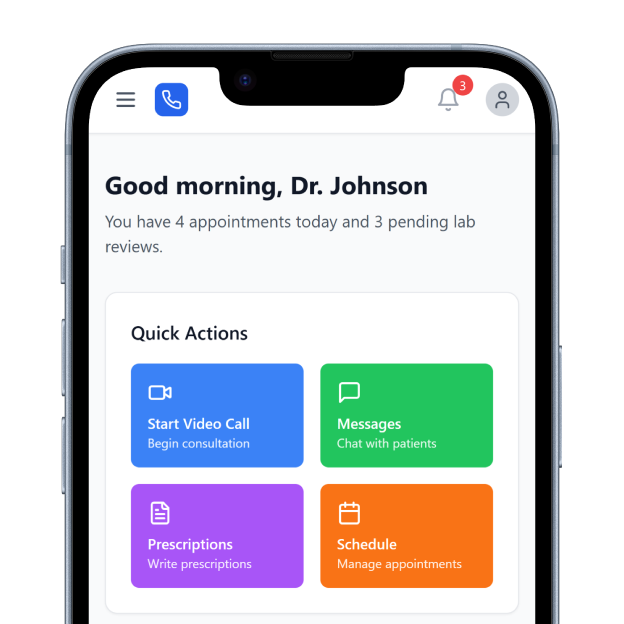
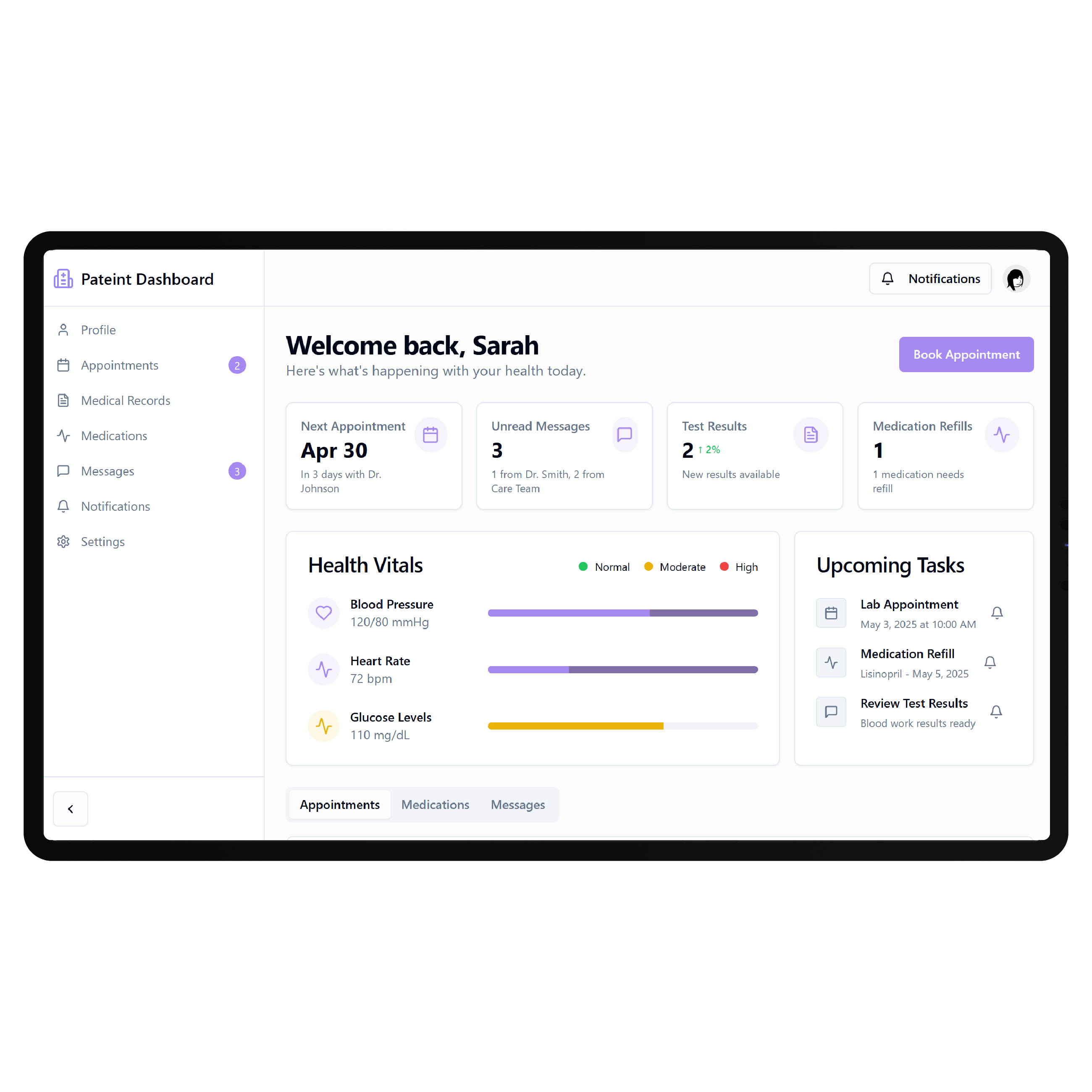
Reduce Gaps Between Clinical and Billing Teams
Accurate billing depends on accurate clinical documentation. Patient details, diagnoses, procedures, services, insurance information, and encounter data all contribute to what can ultimately be submitted and collected. DrapCode provides a healthcare application development platform for building applications around these connected workflows. Organizations can also integrate a Medical Billing & Payment System when they need dedicated functionality for claims, payments, statements, and financial transactions.
Billing Workflows Within the EMR
Connect clinical encounters with the financial information required for accurate billing, claims processing, and revenue management.

Charge Capture
Identify billable services, procedures, and encounter activities from relevant clinical documentation and workflows.

Claims Preparation
Organize patient, provider, payer, diagnosis, and service information required for claims submission.

Insurance Information
Maintain coverage details, payer information, eligibility data, and other insurance-related patient information.

Payment Tracking
Record payments, outstanding balances, adjustments, and other financial activity associated with patient accounts.

Billing Work Queues
Give billing teams visibility into pending claims, rejected submissions, follow-ups, and unresolved financial tasks.

Financial Reconciliation
Compare billing activity, payments, adjustments, and account information to identify discrepancies and maintain accurate records.
Technology Behind Connected Billing
Create an integrated foundation that securely connects clinical records, billing workflows, payer information, and financial systems.

Clinical Data Exchange
Move relevant encounter, diagnosis, procedure, and patient information into billing workflows without unnecessary duplication.

Payer Integrations
Connect with external payer and clearinghouse systems where required for claims and eligibility workflows.

Financial Data Models
Structure charges, claims, payments, adjustments, balances, and account information around healthcare billing requirements.
Access Governance
Restrict access to financial and clinical information based on staff responsibilities, organizational policies, and user permissions.
Medical billing workflows can also connect with an Electronic Health Record Platform when organizations need broader clinical record management alongside financial processes.
Where Medical Billing EMRs Fit

Physician Practices
Connect encounter documentation, diagnoses, procedures, charges, claims, and patient balances within everyday practice workflows.

Specialty Healthcare
Adapt billing workflows to specialty-specific services, documentation requirements, procedures, payer rules, and reimbursement processes.

Multi-Location Organizations
Coordinate billing information across multiple facilities while maintaining appropriate access to patient and financial records.
How It Comes Together
Design the system around clinical encounters, billing requirements, payer workflows, financial operations, and organizational responsibilities.
 Connected clinical and billing data
- Accurate charge capture
- Traceable financial workflows
- Controlled information access
Map Revenue Workflows
Identify registration, eligibility, encounters, documentation, charge capture, claims, payments, denials, and reconciliation processes.
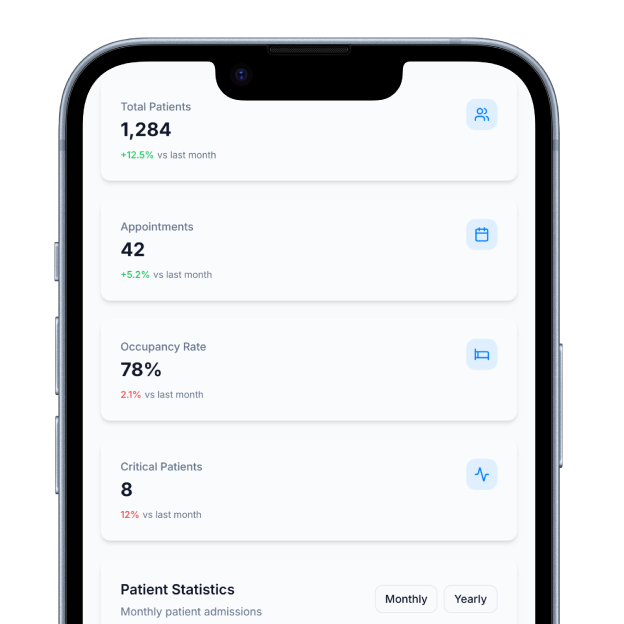
Connect Clinical Information
Determine which patient, encounter, diagnosis, procedure, and documentation information should flow into billing processes.
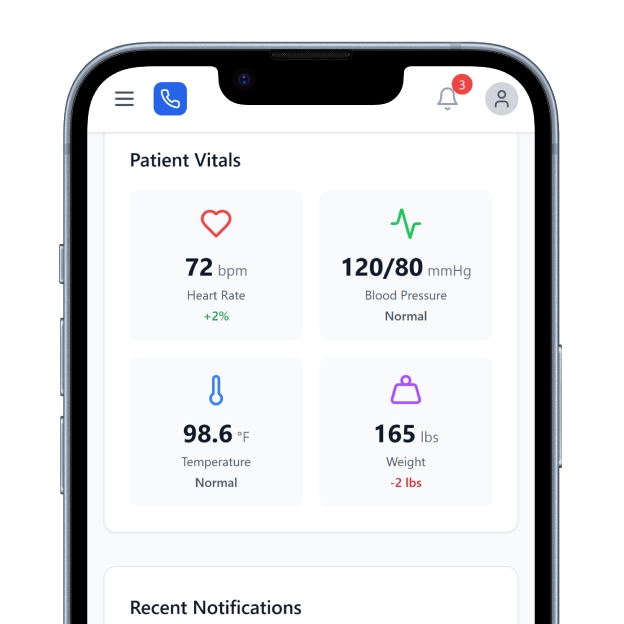
Configure Financial Workflows
Establish workflows for claims, payer, payment, adjustment, denial, balance, and reconciliation aligned with organizational requirements.
Establish Production Controls
Deploy the application with authentication, permissions, monitoring, auditability, security policies, and controlled administrative access.
Protect Clinical and Financial Information
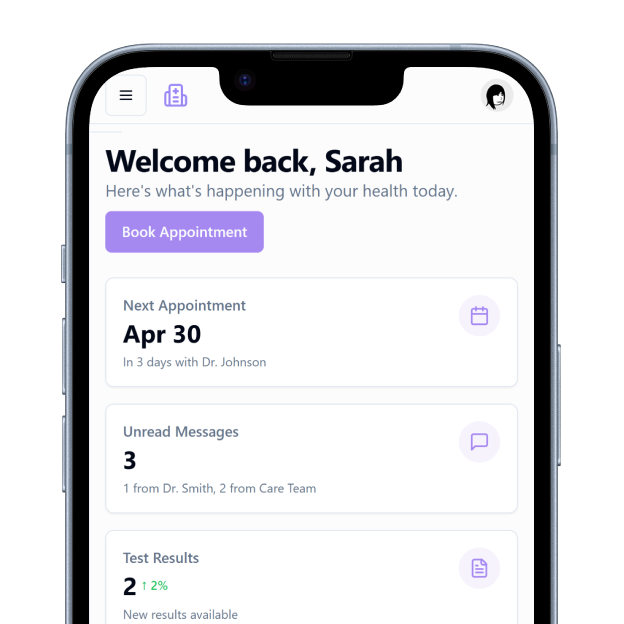
Medical billing EMRs combine protected health information with sensitive financial and insurance data. This creates a need for carefully managed access across clinical, administrative, and billing teams. DrapCode supports HIPAA-compliant healthcare application development with encrypted data management, role-based access, authentication, and audit logging. Organizations can establish different permissions for clinical and financial users while keeping relevant workflows connected.
Why Build Medical Billing EMR Software With DrapCode
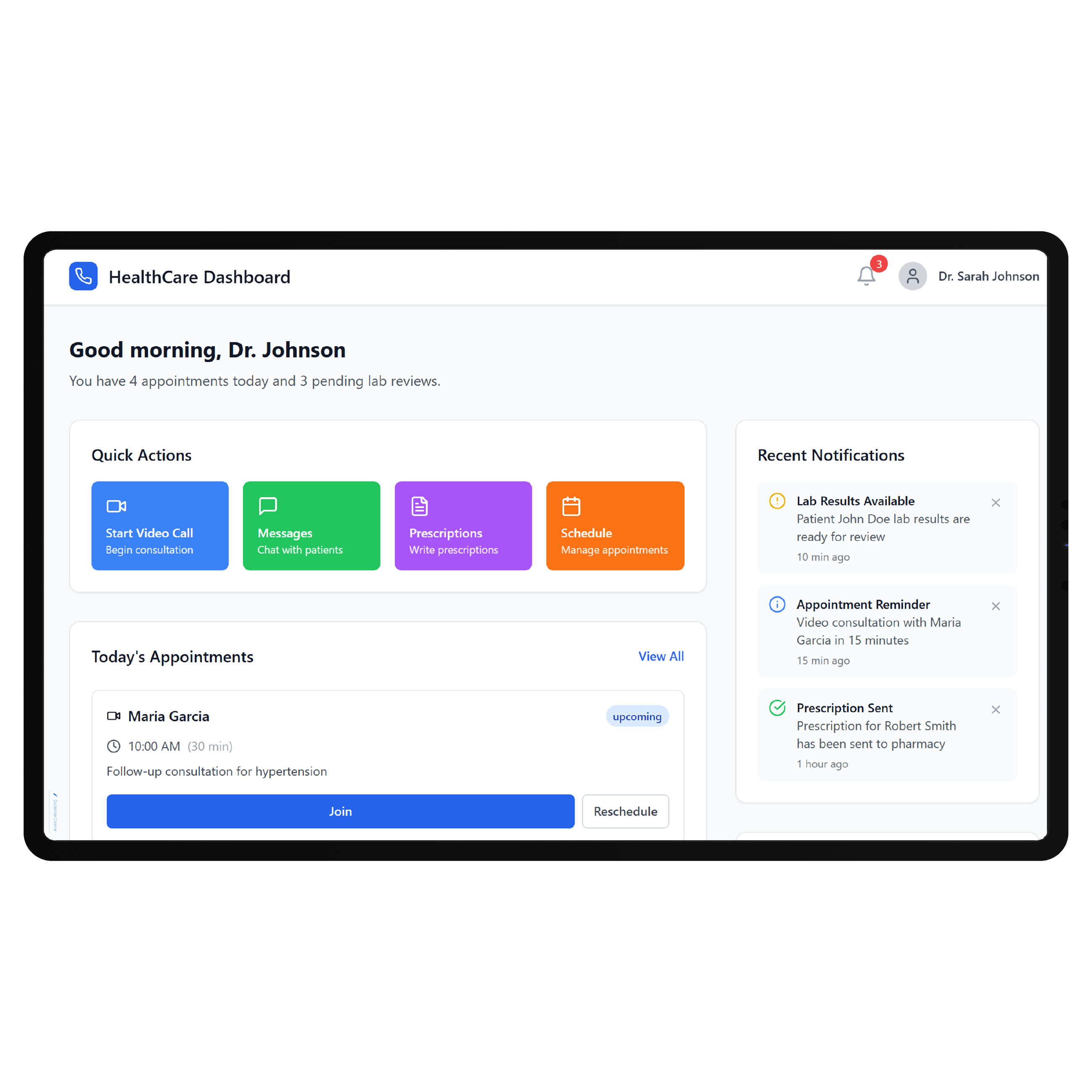
Billing should not operate as an isolated process disconnected from the encounter that created the billable service. A connected medical billing EMR can reduce information gaps between clinical documentation and financial operations while giving teams greater visibility into the revenue cycle. DrapCode is a healthcare application development platform for organizations that need to build secure software around their specific clinical and financial workflows. The application can connect patient records, encounter information, billing operations, payer integrations, and payment processes within a broader healthcare technology environment.
Frequently Asked Questions
What is medical billing EMR software?
How does an EMR support medical billing?
Can medical billing EMRs support insurance workflows?
Can medical billing EMR software integrate with payment systems?
Can DrapCode build HIPAA-compliant medical billing EMR software?
Connect Clinical Work With Revenue Operations
Build medical billing EMR software that brings patient information, clinical documentation, charge capture, claims, payments, and financial workflows together.