Clinical Decision Support Platform Development
Build HIPAA-compliant clinical decision support platforms that bring patient data, clinical rules, and actionable insights together for informed care decisions.
Turn Patient Information Into Clinical Action
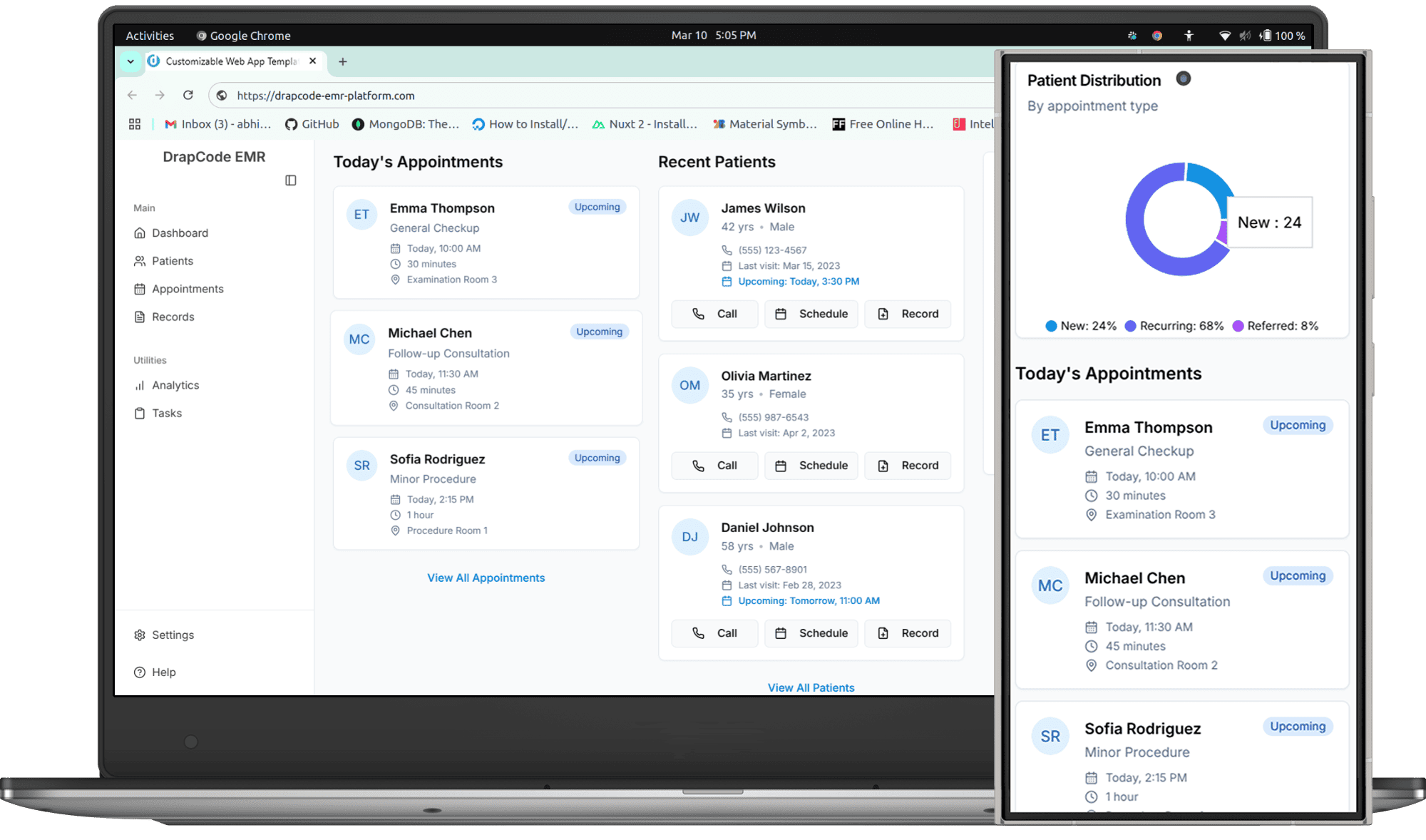
Healthcare providers work with information from medical histories, laboratory results, medications, diagnoses, and previous encounters. Finding the information that matters at the right moment can be challenging, particularly when data is distributed across multiple healthcare systems. A clinical decision support platform brings relevant information into the provider's workflow. It can surface important findings, highlight potential risks, and support consistent clinical decisions without requiring providers to search through disconnected sources.
Bring Guidance Into Everyday Care
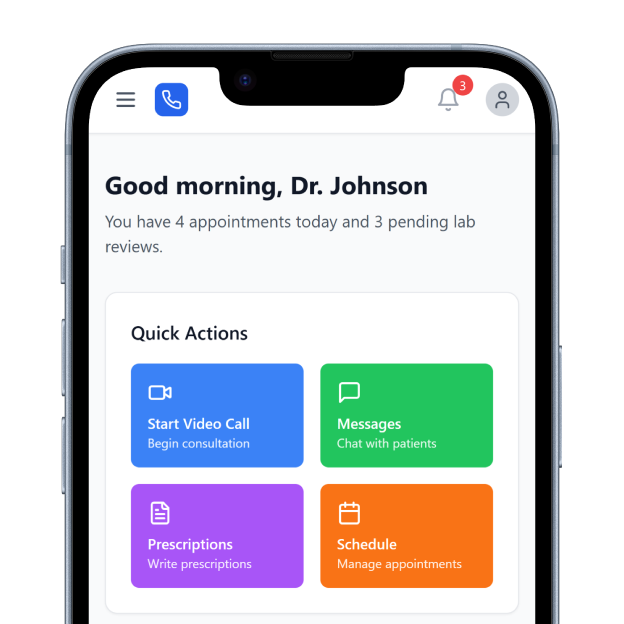
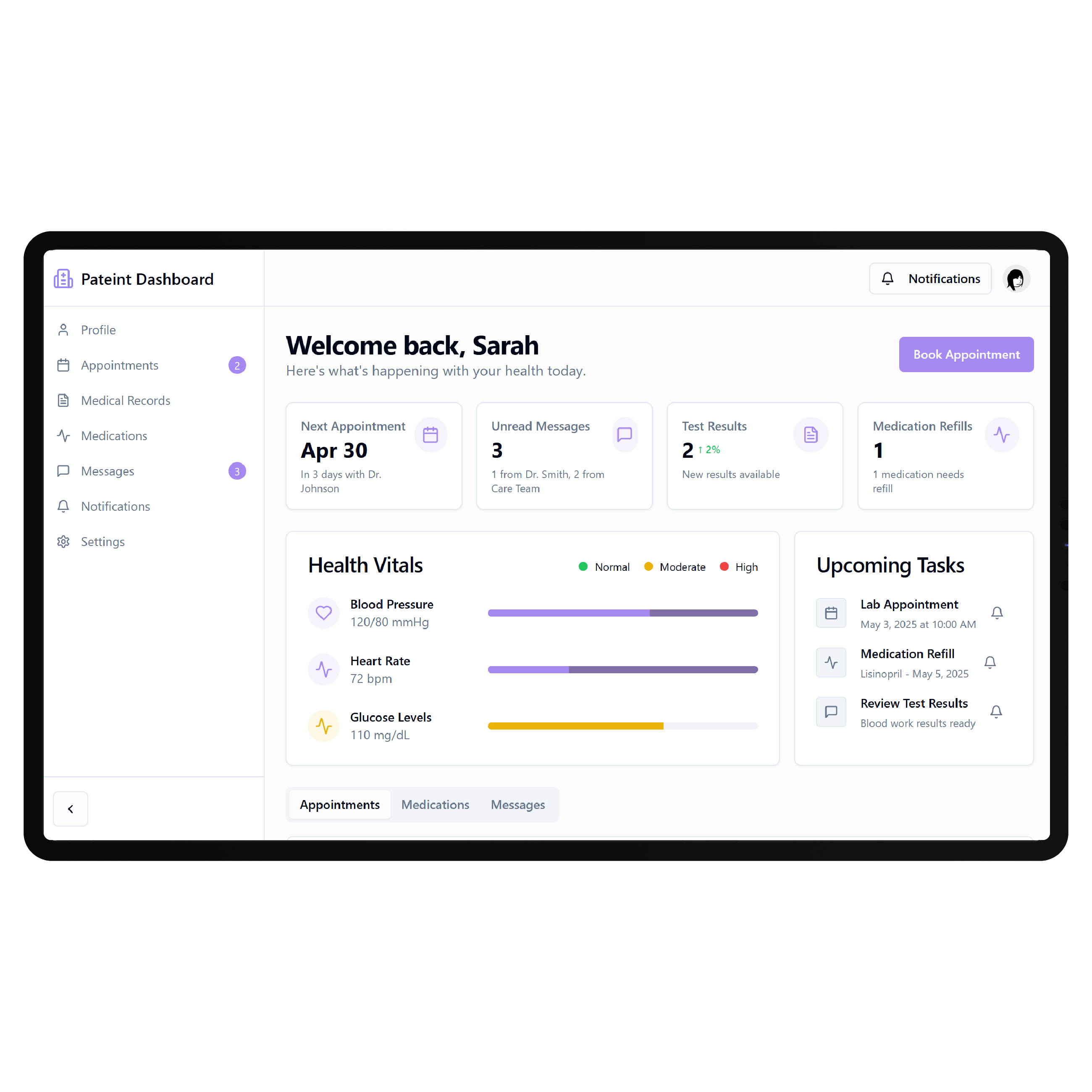
Effective decision support should complement clinical expertise rather than create another layer of complexity. Providers need relevant alerts, recommendations, and patient-specific information within the workflows they already use. DrapCode helps healthcare organizations develop decision support applications around their clinical processes. The platform can connect with an Electronic Health Record platform , laboratory systems, patient data sources, and other healthcare applications to support informed decisions throughout the patient journey.
Clinical Capabilities That Support Better Care
Give clinicians practical tools to interpret patient information and identify key care considerations.

Patient Risk Identification
Identify relevant patient risks by evaluating clinical information, history, medications, and documented health conditions.

Evidence-Based Recommendations
Present relevant clinical guidance based on configured protocols, patient information, and organizational care standards.

Medication Safety Alerts
Highlight potential medication interactions, allergies, contraindications, dosage concerns, and other prescribing considerations.

Diagnostic Insights
Surface relevant patient information that can help clinicians evaluate symptoms, findings, and potential diagnoses.

Preventive Care Reminders
Identify patients requiring screenings, vaccinations, assessments, and other recommended preventive healthcare interventions.
Clinical Monitoring
Track important patient indicators and notify care teams when predefined clinical conditions require attention.


We partnered with DrapCode to develop our new Automated CRM using their low-code platform. Outstanding quality at half the price, unmatched speed, and excellent customer service.
Cal Goggans
Founder - A Custom Fit iNMotion



DrapCode stands out as the best. Flexible, scalable, and supported by an expert team. After 3 years on another tool, DrapCode is simply superior.
Cory Nation
President - Embark EMR


DrapCode is an easy-to-use no-code platform with a drag-and-drop interface, making it accessible for non-developers. The support team is highly responsive and dedicated to user success.
Joseph Young
President - Renew Hope And Healing
Technology Built Around Clinical Intelligence
Connect decision logic, healthcare data, and clinical workflows within a secure and interoperable application environment.

Configurable Clinical Rules
Configure decision logic around organizational protocols, specialty requirements, clinical guidelines, and patient care workflows.

Connected Healthcare Data
Bring information from EHRs, laboratories, imaging systems, and other healthcare sources through secure integrations.

Secure Information Governance
Protect sensitive clinical information with encryption, authentication, permissions, monitoring, and audit trails.
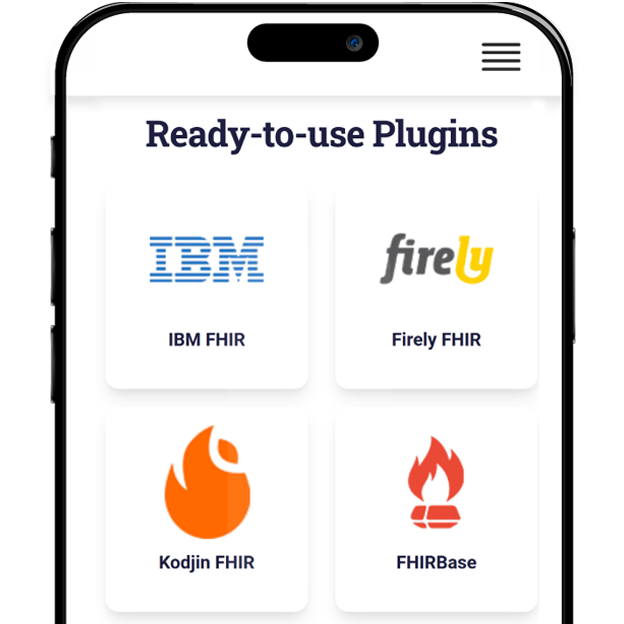
FHIR-Based Interoperability
Exchange structured patient information with connected healthcare systems using secure FHIR-based workflows.
Where Decision Support Makes a Difference

Medication Management
Support safer prescribing by helping clinicians review medication histories, allergies, potential interactions, contraindications, and dosage considerations before finalizing treatment decisions.
Preventive Healthcare
Identify patients who may require screenings, vaccinations, assessments, or follow-up interventions based on clinical information and established organizational care protocols .
Chronic Condition Management
Connect decision support with Chronic Care Management Software to help providers identify changes in patient conditions and support timely interventions across ongoing care programs.
How It Works
Develop clinical decision support applications through a structured process focused on clinical requirements, data, security, and interoperability.
 Patient-specific intelligence
- Evidence-based workflows
- Secure clinical information
- Interoperable healthcare systems
Define Clinical Requirements
Identify decision points, clinical scenarios, user roles, patient information, alerts, recommendations, and outcomes required by your organization.
Structure Decision Logic
Translate clinical protocols, organizational guidelines, and specialty requirements into structured workflows that support consistent decision-making.
Connect Clinical Systems
Integrate EHRs, laboratories, imaging platforms, registries, and other healthcare technologies through secure APIs and interoperability standards.
Deploy Into Care Workflows
Launch the application within a secure healthcare environment with appropriate access controls, monitoring, governance, and auditability.
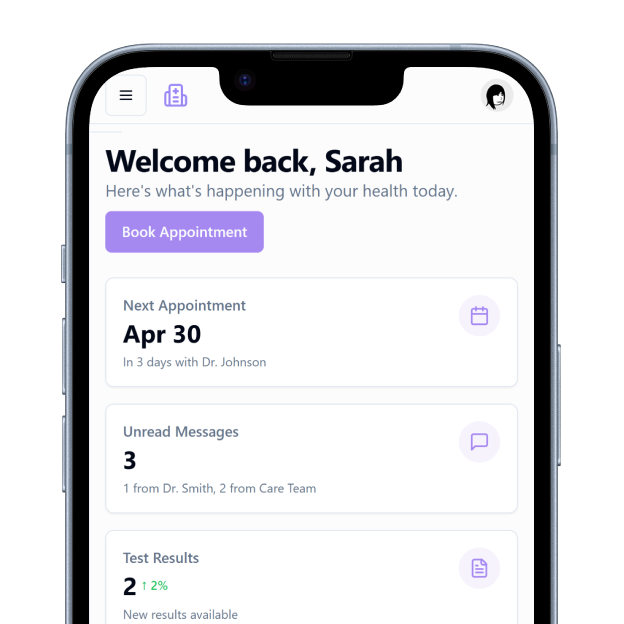
Designed for Secure Clinical Intelligence
Clinical decision support applications work with sensitive patient information and may influence important healthcare decisions. Security, data governance, accuracy, and controlled access therefore need to be considered throughout the application lifecycle. DrapCode supports HIPAA-compliant healthcare application development with encrypted data management, role-based permissions, authentication, and audit logging. Decision support applications can also connect with EMR Software and other clinical systems while maintaining appropriate controls around sensitive healthcare information.
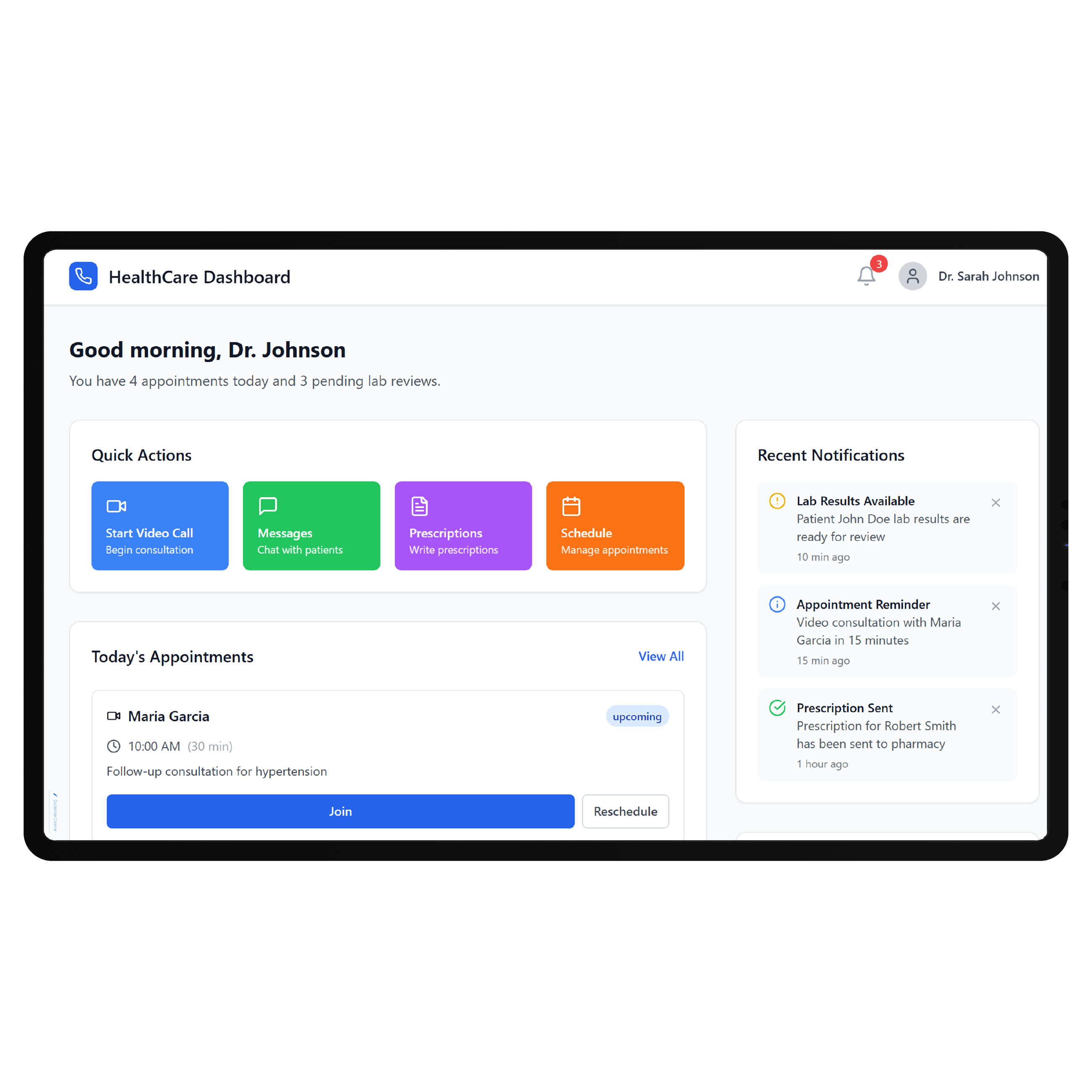
Why Build with DrapCode
Clinical decision support requires more than rules and notifications. Healthcare organizations need a secure application foundation that can connect clinical information, support specialized workflows, and integrate with the systems already used by care teams. DrapCode is a healthcare application development platform designed for organizations building production-ready healthcare software. From clinical decision support toHealthcare Analytics Platform solutions, it provides a foundation for developing connected applications around real-world healthcare requirements.
Frequently Asked Questions
What is a clinical decision support platform?
What can clinical decision support systems help identify?
Can clinical decision support integrate with EHR and EMR systems?
Can decision support help with chronic disease management?
Can DrapCode support HIPAA-compliant clinical decision support applications?
Put Better Clinical Insights Into Practice
Build a secure clinical decision support platform that connects patient information, clinical knowledge, and actionable insights within everyday healthcare workflows.