EMR Software Built Around Your Clinical Workflows
Build secure EMR software for documentation, patient records, orders, care plans, and day-to-day clinical workflows with the flexibility to match how your organization delivers care.
Your Workflow, Not Someone Else's
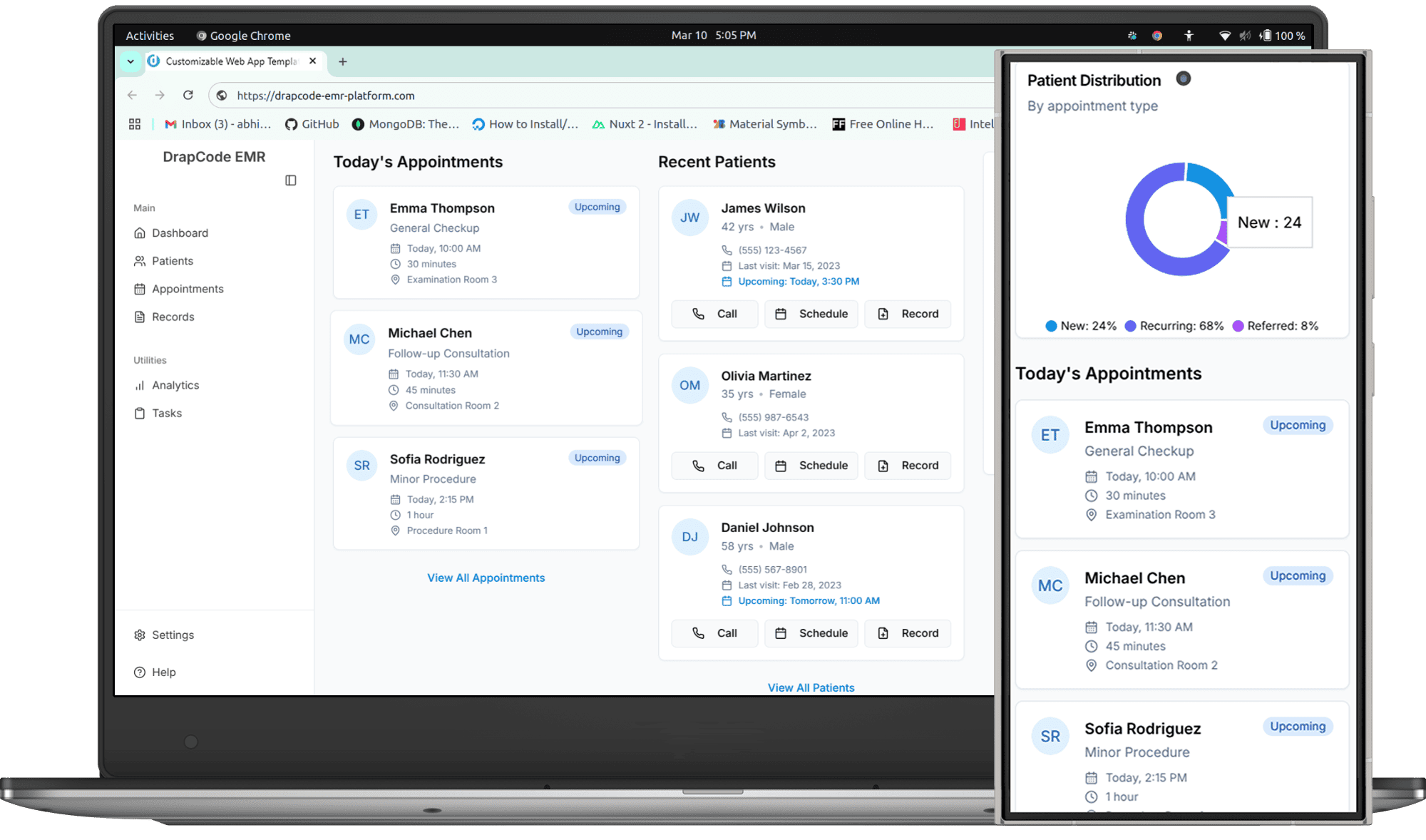
Off-the-shelf EMRs often make clinical teams adapt to predetermined screens, fields, and processes. That becomes difficult when a specialty practice, care program, or healthcare organization has documentation requirements that do not fit the standard workflow. DrapCode builds EMR software around the way your clinicians work. You can structure patient records, encounter types, clinical forms, permissions, orders, care plans, and review processes around your actual operating model.
Keep the Record Clinically Useful
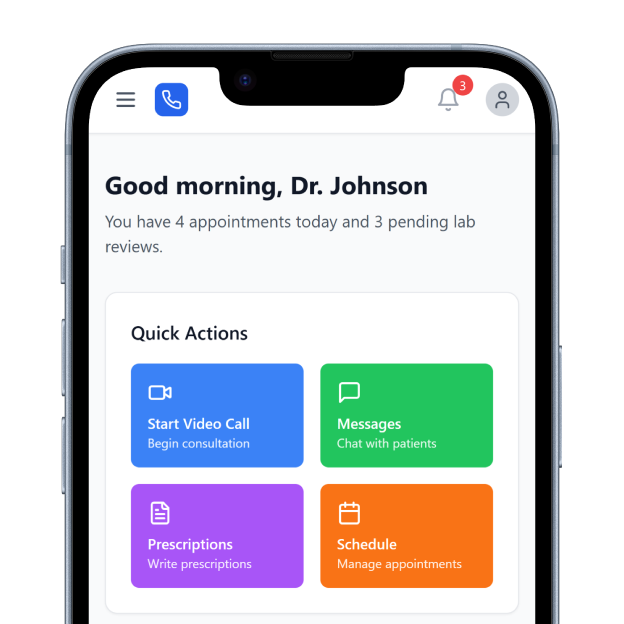
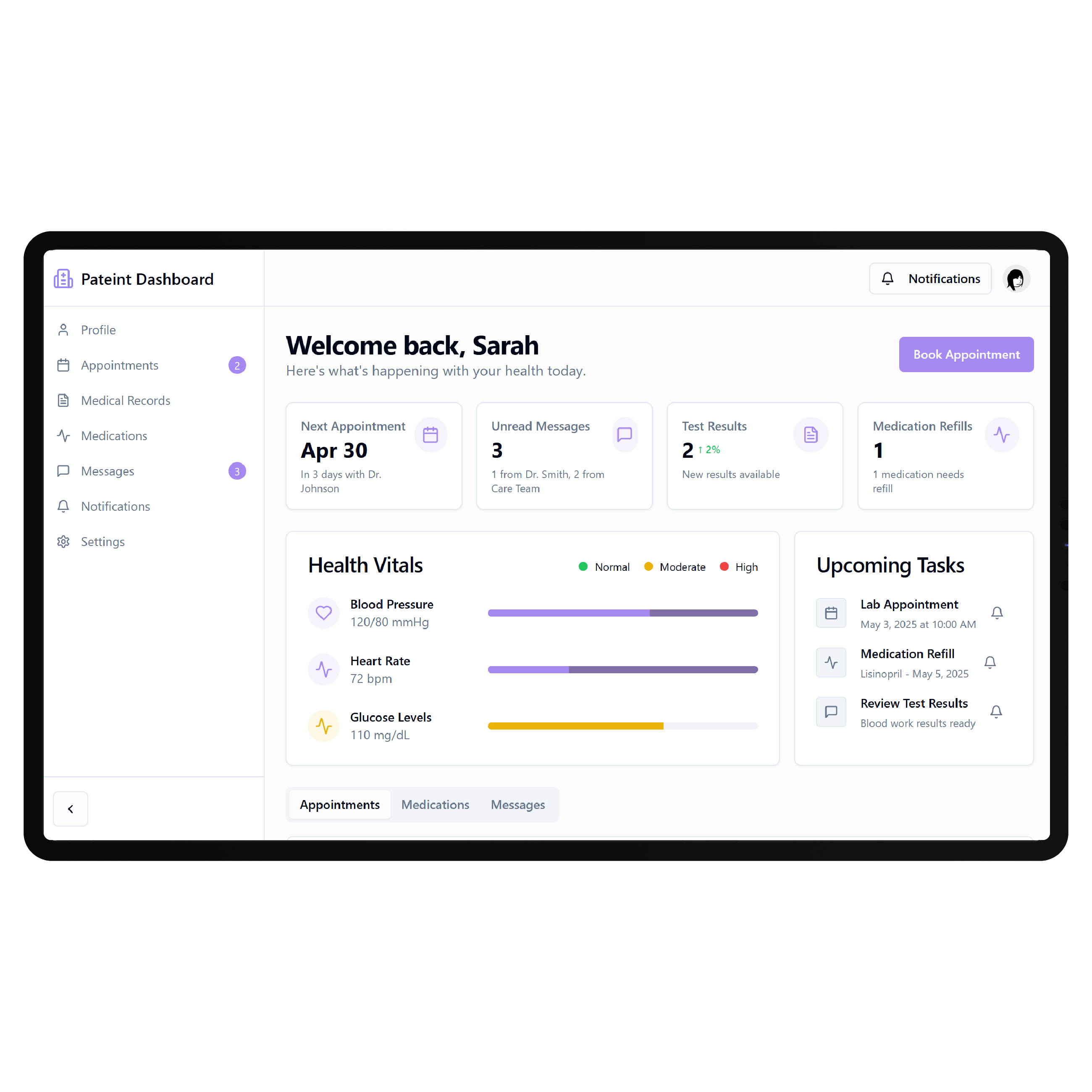
An EMR should help a clinician understand what happened, what is happening now, and what needs attention next. That requires more than storing notes. Patient history, encounters, diagnoses, medications, results, orders, and treatment information need clear relationships. The record can also exchange information with external healthcare systems through an EHR Integration API , helping avoid another isolated clinical database when interoperability is part of your environment.
Clinical Workspace
Give clinicians the information and tools they need without overcrowding every screen.
Patient Records
Maintain structured patient histories, demographics, encounters, diagnoses, medications, and relevant clinical information securely.
Encounter Notes
Capture consultation details through documentation formats designed around specialty-specific clinical workflows and requirements.

Order Management
Create and track laboratory, imaging, medication, referral, and procedure orders across care workflows.
Care Planning
Securely document treatment goals, interventions, responsibilities, and progress across individual patient care episodes.

Clinical Alerts
Surface relevant reminders, overdue actions, abnormal results, and workflow events requiring staff attention.
Document Management
Organize consent forms, reports, referrals, attachments, and clinical documents securely within patient records.


We partnered with DrapCode to develop our new Automated CRM using their low-code platform. Outstanding quality at half the price, unmatched speed, and excellent customer service.
Cal Goggans
Founder - A Custom Fit iNMotion


DrapCode stands out as the best. Flexible, scalable, and supported by an expert team. After 3 years on another tool, DrapCode is simply superior.
Cory Nation
President - Embark EMR

DrapCode is an easy-to-use no-code platform with a drag-and-drop interface, making it accessible for non-developers. The support team is highly responsive and dedicated to user success.
Joseph Young
President - Renew Hope And Healing
Built for Clinical Operations
The technology behind the record needs to support controlled access, interoperability, traceability, and changes to clinical workflows over time.
Role Permissions
Securely control record access and actions based on clinician, administrator, and operational responsibilities.

FHIR Exchange
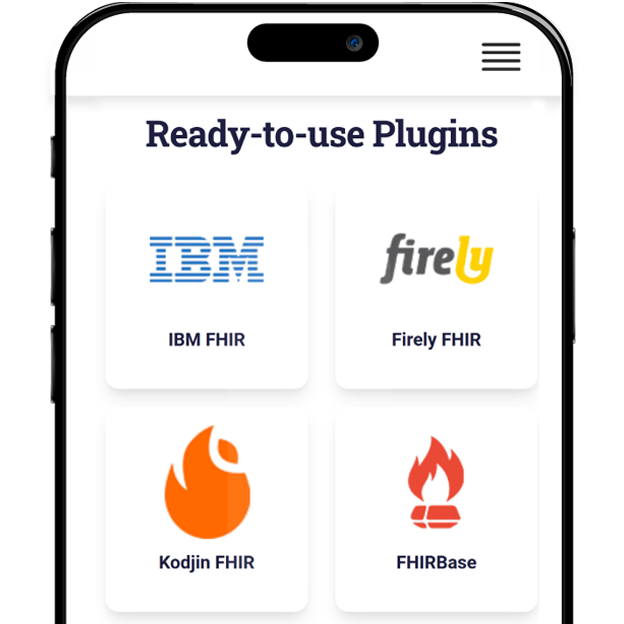
Support structured healthcare information exchange with compatible systems through standards-based FHIR integration workflows.
Audit History
Record sensitive activity across patient information, clinical actions, authentication, and administrative changes securely.
Workflow Rules
Route tasks, reviews, approvals, alerts, and clinical actions according to defined operational requirements.
Where Custom EMRs Make Sense

Specialty Practices
Build documentation around the information your specialty actually captures instead of modifying generic templates. Clinical forms, assessments, treatment plans, terminology, and encounter workflows can reflect your providers' and patient population's requirements.
Multi-Department Care
Different departments can work with purpose-built screens while maintaining a connected patient record. Operational workflows can also connect with a Medical Inventory Management System when supplies, devices, medications, or procedure materials need to be tracked alongside care delivery.
Longitudinal Care Programs
Some patients are managed over months or years, not through isolated encounters. An EMR can maintain the evolving clinical record while Chronic Care Management Software supports recurring care activities, follow-ups, and ongoing coordination outside individual visits.
From Clinical Requirements to Production
We start with the information clinicians need to capture and the decisions that information needs to support. We then design the application around those workflows rather than a generic EMR template.
 Keep documentation clinically relevant
- Give each role appropriate access
- Maintain a connected patient record
- Design for changing care workflows
Map Clinical Work
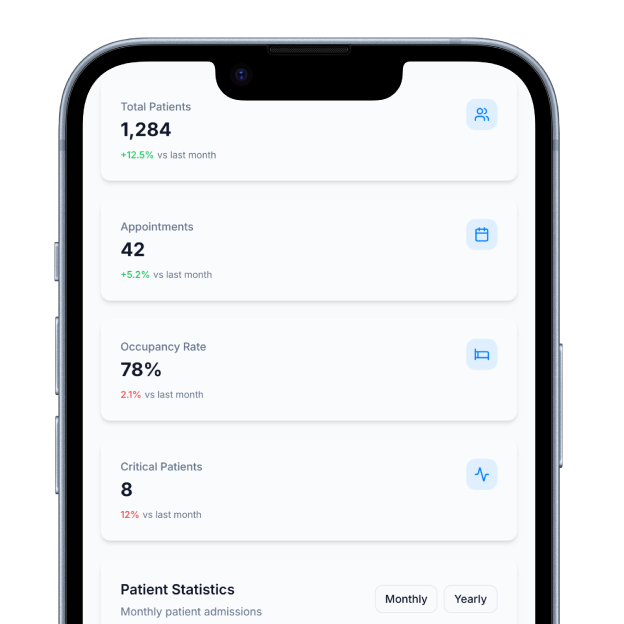
Define encounter types, documentation requirements, patient journeys, staff responsibilities, orders, reviews, and exceptions before designing application screens.
Structure the Record
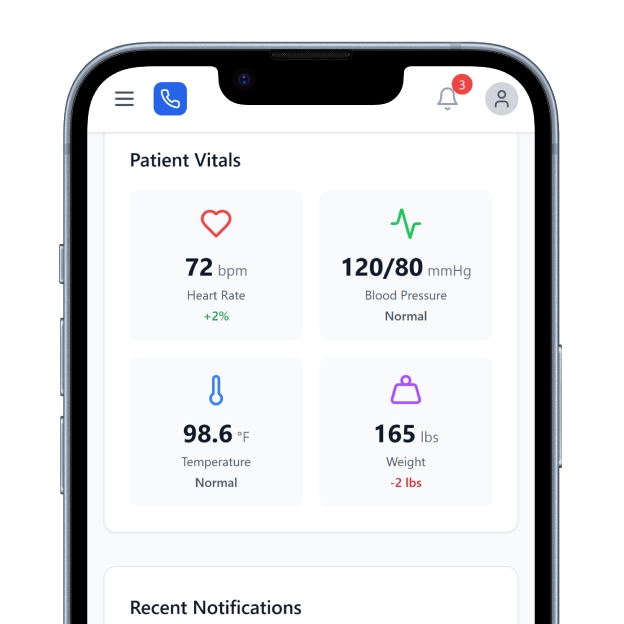
Model patient information, encounters, diagnoses, observations, documents, treatment plans, relationships, and other data your organization requires.
Connect the Ecosystem
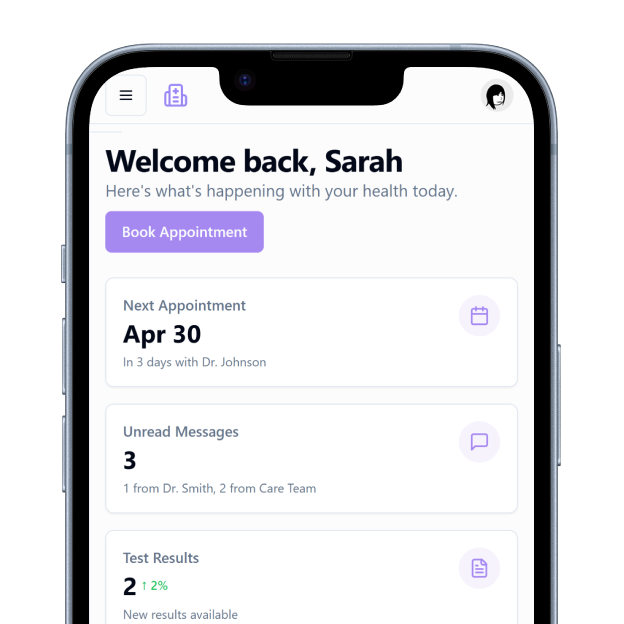
Integrate laboratories, pharmacies, billing services, identity systems, communication tools, or existing healthcare technology required by the EMR.
Validate and Deploy
Test clinical workflows, permissions, integrations, auditability, data handling, and operational edge cases before moving the application into production.
Protect the Entire Patient Record
EMRs contain some of an organization's most sensitive information. Protection must extend across clinical notes, diagnoses, medications, uploaded documents, orders, results, user activity, integrations, and administrative access, not just the database that stores them. DrapCode supports HIPAA-compliant healthcare application development with encryption at rest and in transit, role-based access, audit logs, secure infrastructure, and controlled data access. You can sign a BAA at the start of the engagement.
Why Build Your EMR With DrapCode
A custom EMR is valuable when your workflow is part of what makes your organization different. Instead of stripping those differences away to fit a standard product, DrapCode builds the application around your clinical model and the systems surrounding it. You get the application, healthcare integrations, production infrastructure, and ongoing development support through one team. You can also export the source code and database, so your organization isn't locked into DrapCode if its infrastructure strategy changes later.
Frequently Asked Questions
What is custom EMR software?
Can DrapCode build an EMR for a specialty practice?
Can the EMR connect with our existing healthcare systems?
Can EMR software be HIPAA compliant?
Can we export our EMR if we leave DrapCode?
Build an EMR That Fits the Way You Deliver Care
Tell us how your clinicians document and manage care today. We'll help turn those requirements into secure, production-ready EMR software built around your organization.