Build Invoice Financing & Bill Discounting Platform
Create a custom lending platform to streamline invoice-based financing, automate credit checks, and manage early payment workflows—securely built with DrapCode.
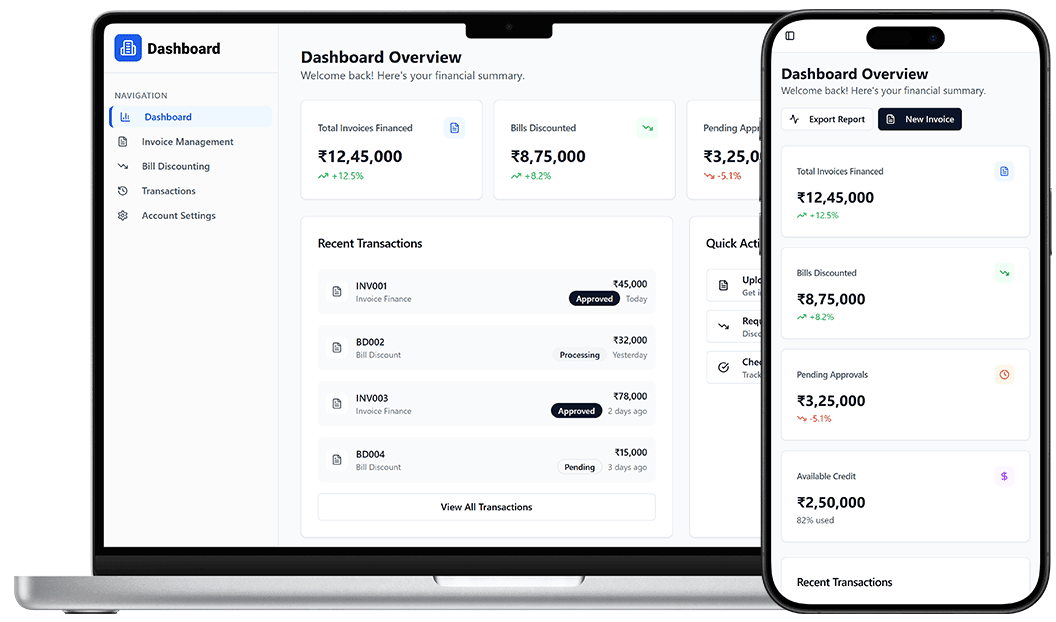
Receivables Financing Overview
Invoice financing and bill discounting portals empower businesses to convert outstanding invoices into working capital. These systems provide secure platforms for validating invoice data, automating funding decisions, and tracking receivables. Modern receivables financing demands structured credit logic, compliance checks, and partner collaboration workflows. This goes beyond simple listing tools and requires backend automation to support liquidity flows.
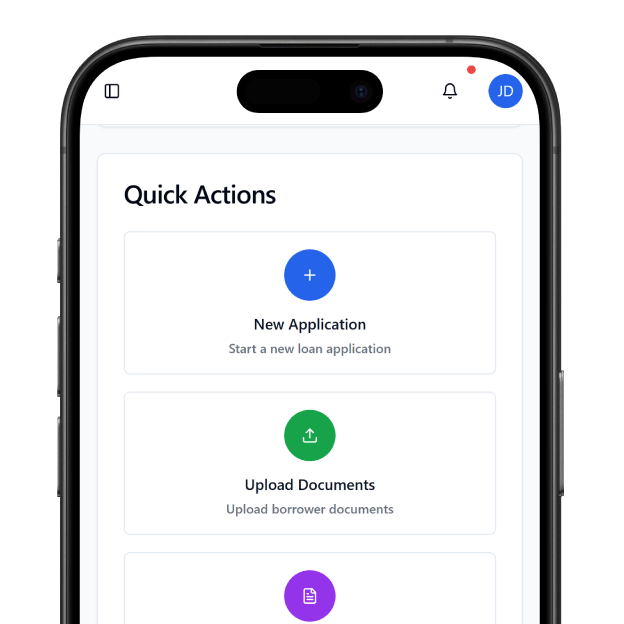
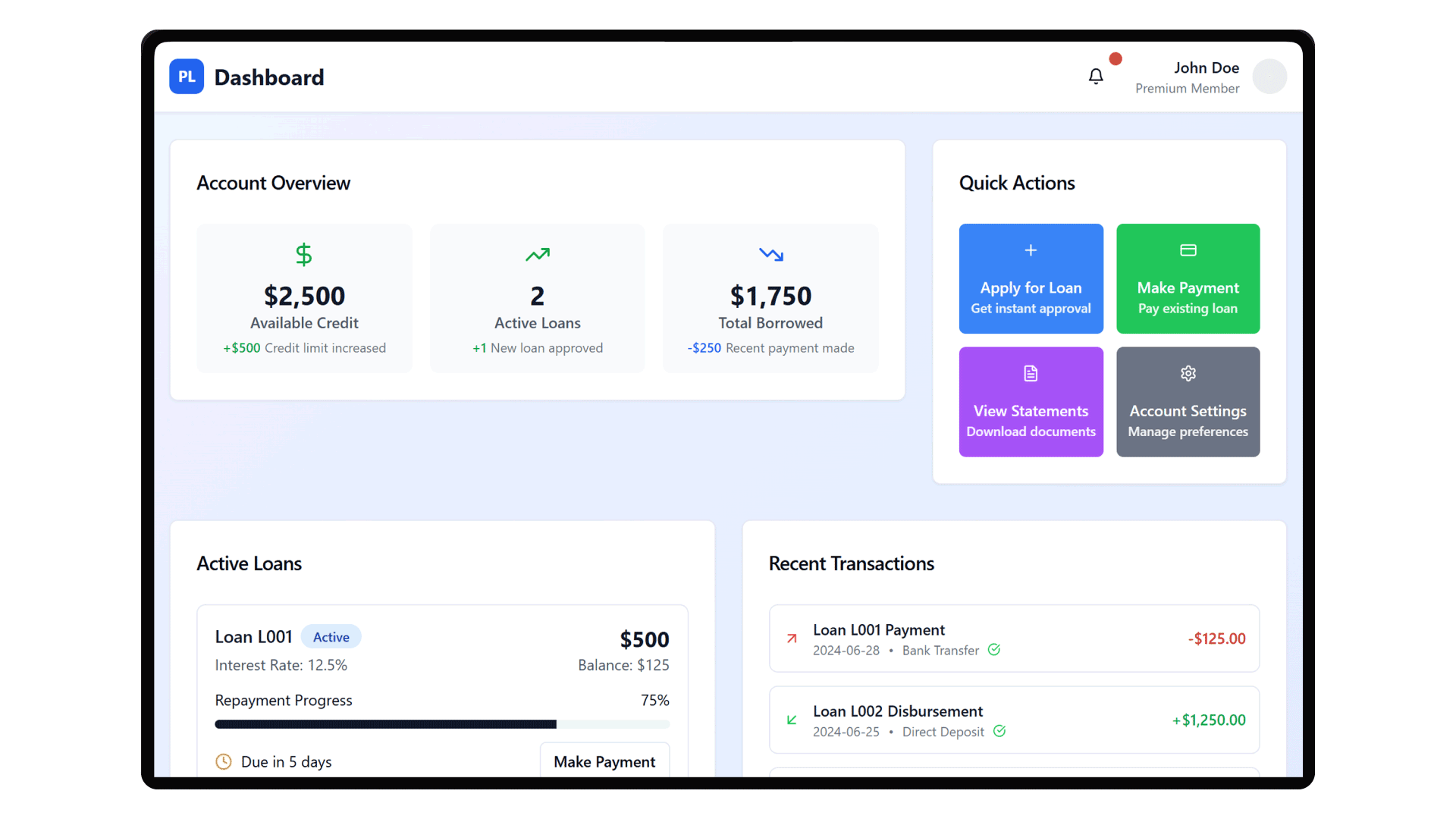
Portal Architecture Framework
A no-code web app builder allows lenders to visually configure invoice submission forms, discounting logic, payout calculations, and partner access rules. This eliminates heavyweight engineering while providing secure governance. Receivables financing portals often integrate with portfolio-tracking and loan-servicing systems to provide end-to-end control. This alignment is commonly achieved with trade finance portals that support structured short-term finance workflows.
Core Portal Capabilities
These capabilities define what a production-ready invoice financing and bill discounting portal must support for regulated liquidity solutions.

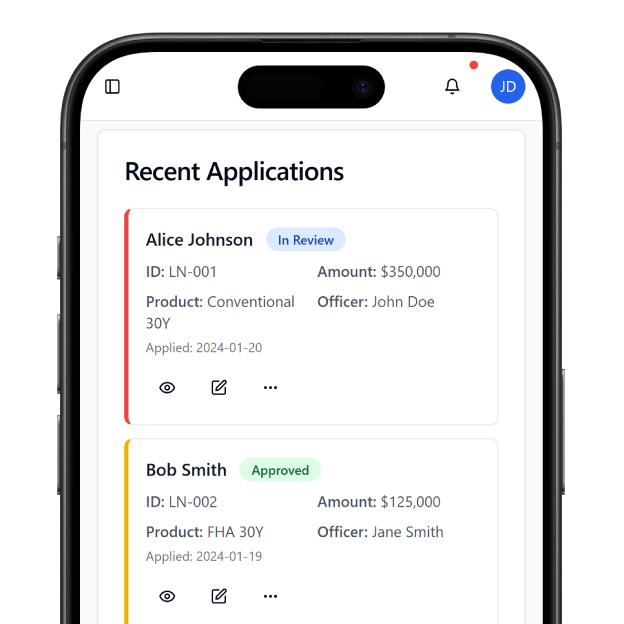
Invoice Submission Engine
Capture, validate, and store invoice details securely online.

Dynamic Discounting Rules
Apply configurable discount logic based on credit and timelines.

Funding Decision Workflow
Automate approval routing with risk and compliance triggers.

Payout & Settlement Logic
Track payments, settlements, and reconciliation workflows accurately.

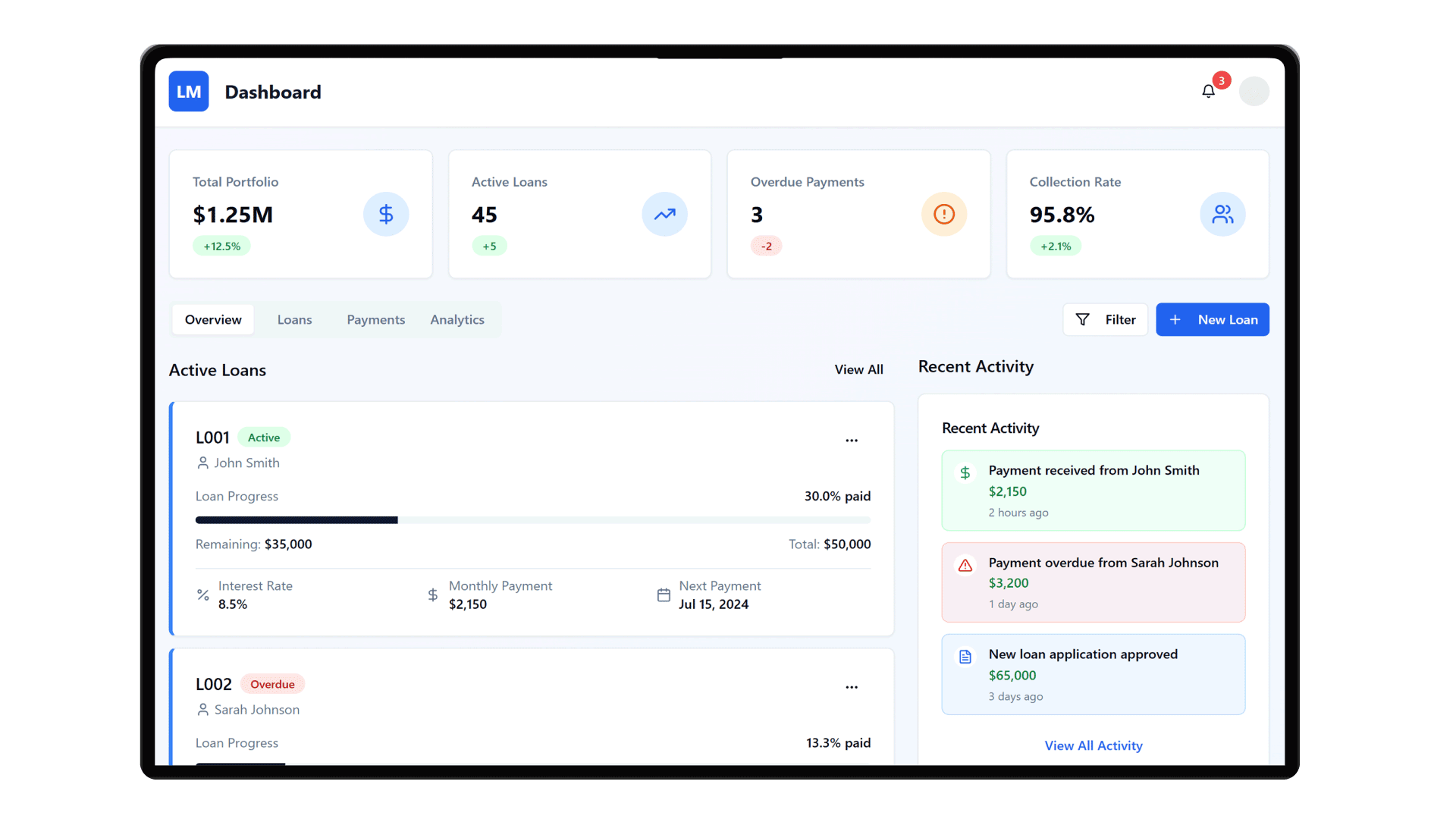
Partner Portfolio Dashboards
Visualize receivables, funding status, and risk metrics securely.

Compliance Logging Tools
Record audit details and transaction trails for governance.


We partnered with DrapCode to develop our new Automated CRM using their low-code platform. Outstanding quality at half the price, unmatched speed, and excellent customer service.
Cal Goggans
Founder - A Custom Fit iNMotion



DrapCode stands out as the best. Flexible, scalable, and supported by an expert team. After 3 years on another tool, DrapCode is simply superior.
Cory Nation
President - Embark EMR


DrapCode is an easy-to-use no-code platform with a drag-and-drop interface, making it accessible for non-developers. The support team is highly responsive and dedicated to user success.
Joseph Young
President - Renew Hope And Healing
Control & Integration Features
These features ensure the portal remains secure, governed, and ready for enterprise financing operations.

Visual Workflow Designer
Design discounting and approval logic without backend code.

Role Hierarchy Controls
Assign partner, admin, and borrower access securely.

API Connectivity Tools
Connect to financing, payment, and reporting systems reliably.
Scalable Deployment Backbone
Support large invoice volumes with resilient uptime and performance.
Use Case Applications

SME Working Capital Access
Enable small businesses to quickly monetize receivables.

Supply Chain Finance Tools
Support supplier financing and partner liquidity workflows.

Bill Discounting Engines
Accelerate funds for early invoice settlement and risk management.
Portal Implementation Path
 Define Invoice Schema
- Build Discount Logic
- Integrate Payment Systems
- Deploy in Production
Define Invoice Schema
Configure invoice fields and validation rules visually.
Build Discount Logic
Create pricing and discounting workflows without coding.
Integrate Payment Systems
Securely connect payment rails and reconciliation engines.

Deploy in Production
Launch a secure, scalable receivables financing portal.

Compliance & Liquidity Governance
Receivables financing platforms must implement encryption, audit logs, and access controls to safeguard financial data. These systems also need clear dispute tracking, fund reconciliation history, and partner transparency. Integration with broader credit tracking and portfolio analytics helps lenders assess risk and maintain liquidity oversight.
Operational Scalability & Control
High-volume receivables financing requires resilient infrastructure capable of managing large invoice datasets, processing cycles, and performance metrics. Structured monitoring dashboards provide real-time insights into funding status, risk exposure, and capital flows. Enterprise deployments benefit from controlled governance, role separation, and activity logging.