HIPAA Compliant Application Platform for Secure Healthcare Systems
Build healthcare applications that manage protected health information while maintaining strict regulatory safeguards. DrapCode provides a HIPAA-compliant application platform enabling organizations to deploy secure digital health systems and regulated medical workflows.
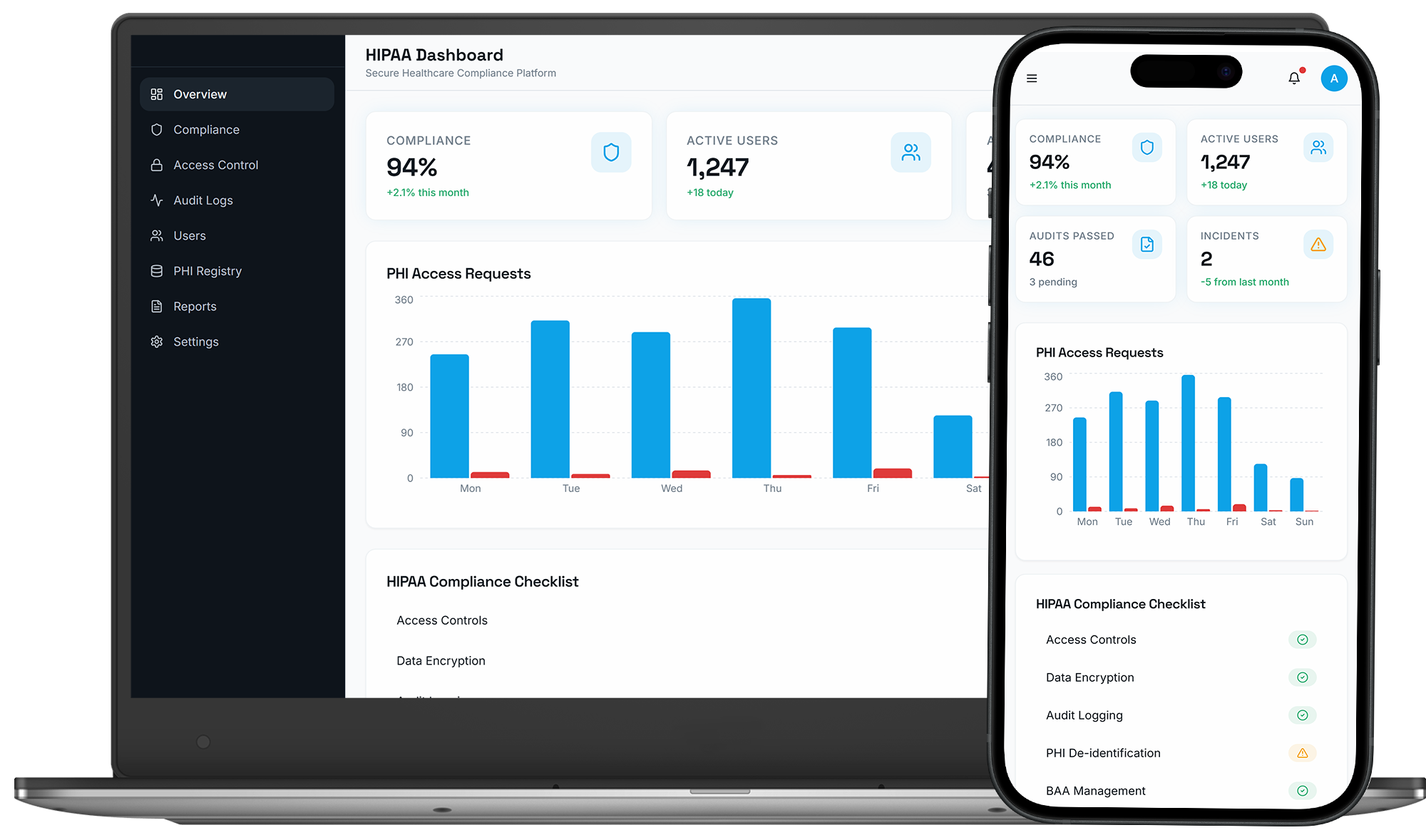
Healthcare Compliance Framework
HIPAA compliance refers to the regulatory framework governing how healthcare systems store, transmit, and process protected health information (PHI). Applications operating in medical environments must implement strict safeguards to prevent unauthorized access to patient data. Healthcare organizations adopt HIPAA-compliant software platforms to manage electronic medical records, patient portals, and healthcare communication systems. Unlike standard software environments, HIPAA-compliant infrastructure enforces encryption, access control, and activity auditing to protect sensitive healthcare data.
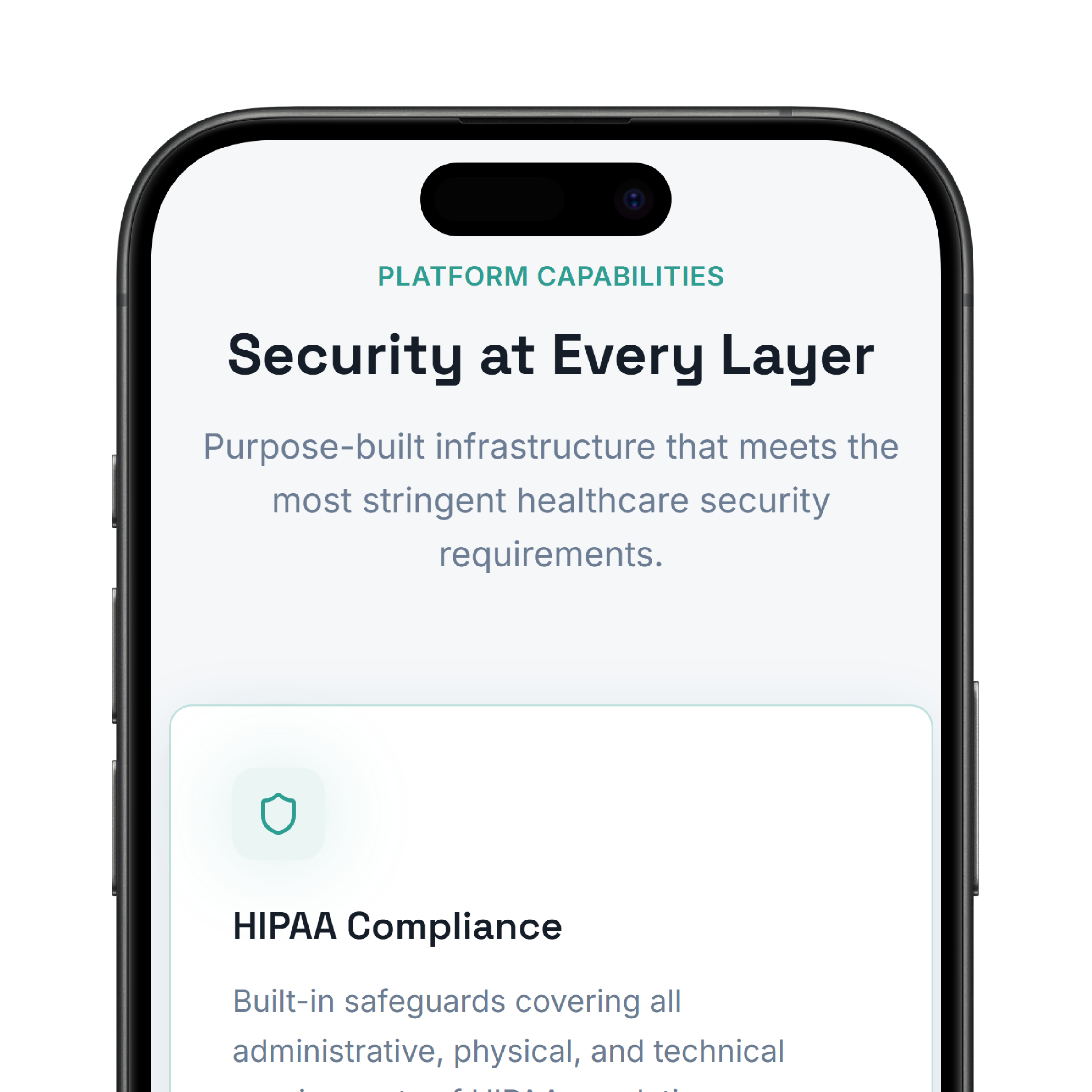
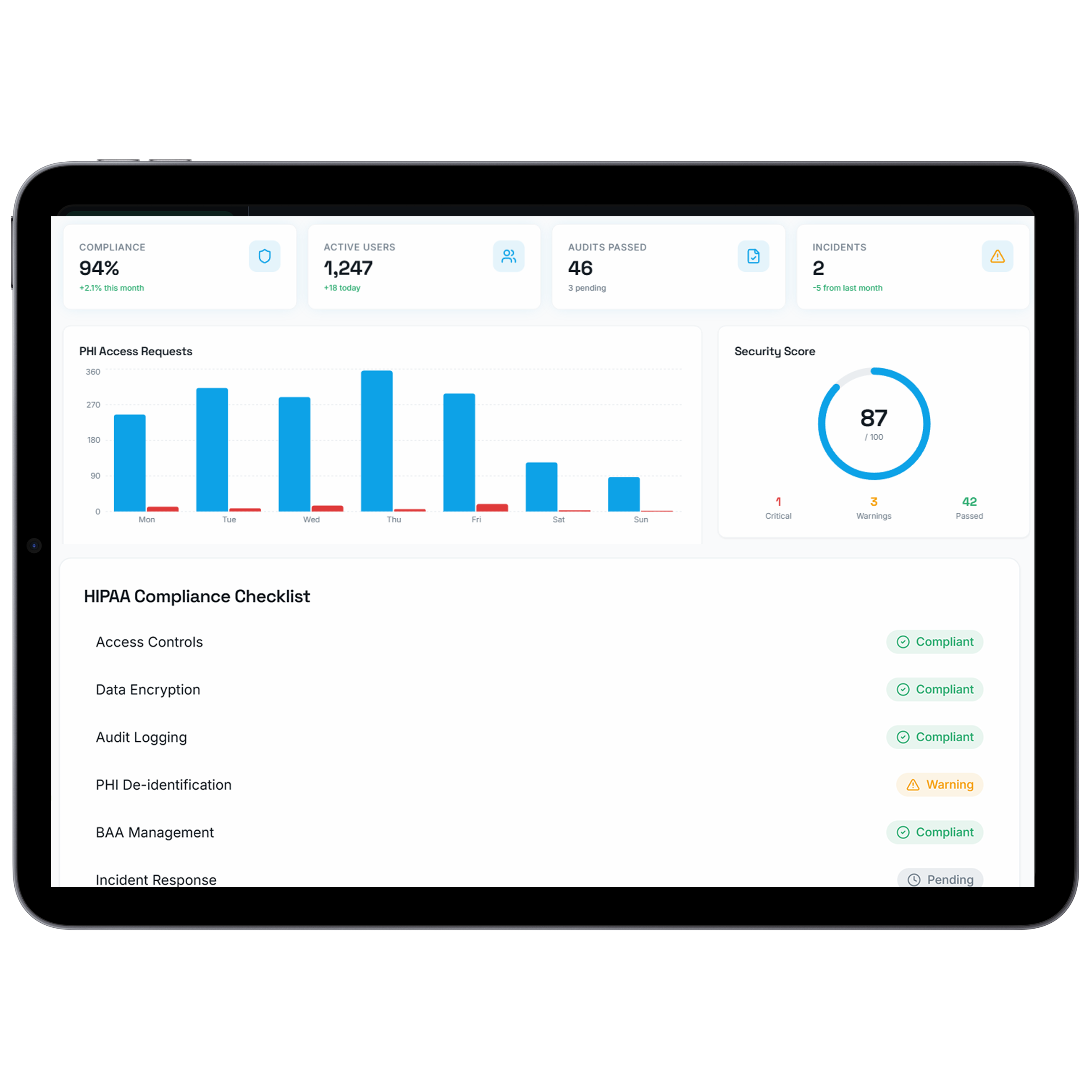
Secure System Architecture
HIPAA-compliant platforms structure healthcare workflows so that patient data is processed through controlled-access layers and monitored via activity logs. Each system action such as record updates, document uploads, or clinician access, follows deterministic security policies. Healthcare organizations building regulated digital systems often implement applications through healthcare application development platforms . These systems operate within larger healthcare technology ecosystemsthat require secure data processing and regulatory alignment.
HIPAA Platform Capabilities
These capabilities define how DrapCode supports HIPAA-compliant healthcare applications.

Access Control Management
Restrict application access based on healthcare roles and responsibilities

Activity Audit Logging
Record system actions for compliance and verification purposes

Secure API Communication
Protect data exchange between healthcare services and applications

Identity Authentication Systems
Validate authorized user access before processing medical data

Compliance Monitoring Framework
Detect policy violations and security risks within applications

Protected Health Data Encryption
Secure storage and transmission of patient information across systems


We partnered with DrapCode to develop our new Automated CRM using their low-code platform. Outstanding quality at half the price, unmatched speed, and excellent customer service.
Cal Goggans
Founder - A Custom Fit iNMotion



DrapCode stands out as the best. Flexible, scalable, and supported by an expert team. After 3 years on another tool, DrapCode is simply superior.
Cory Nation
President - Embark EMR

DrapCode is an easy-to-use no-code platform with a drag-and-drop interface, making it accessible for non-developers. The support team is highly responsive and dedicated to user success.
Joseph Young
President - Renew Hope And Healing
Platform Operational Capabilities
Operational controls ensure secure and compliant healthcare environments.

Data Transmission Encryption
Protect patient records during communication across networks

Secure Storage Infrastructure
Safeguard electronic health data within protected environments

Permission Controlled Access
Restrict actions according to medical staff responsibilities
Regulatory Activity Monitoring
Track security events and system behavior continuously
Implementation Scenarios

Patient Portals
Enable patients to access records and communicate with providers. Maintain secure identity verification and protected data exchange.
Clinical Operations Systems
Manage physician documentation, scheduling, and patient records. Ensure structured data protection and regulatory compliance.

Healthcare Data Platforms
Build centralized systems that process and analyze medical records. Support regulated healthcare technology infrastructure.
Development Workflow
Applications move from configuration to production through a structured set of execution stages.
 Define Compliance Policies
- Build Application Logic
- Validate Security Controls
- Deploy Environment
Define Compliance Policies
Configure security and data protection rules
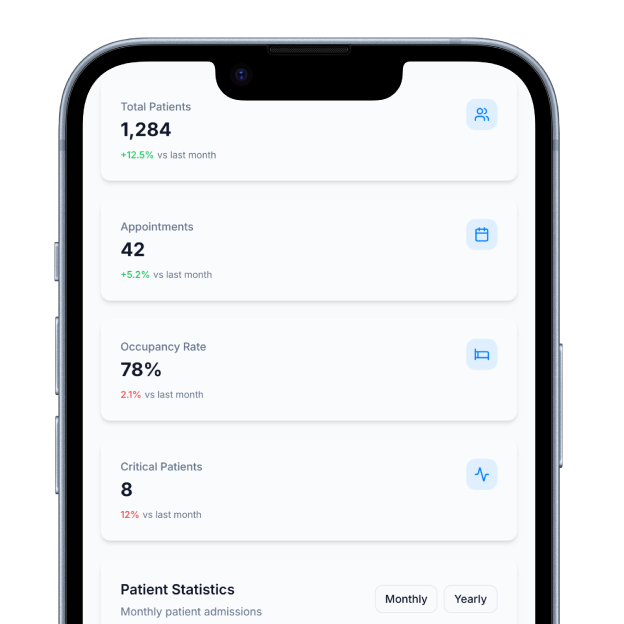
Build Application Logic
Implement healthcare workflows and interfaces
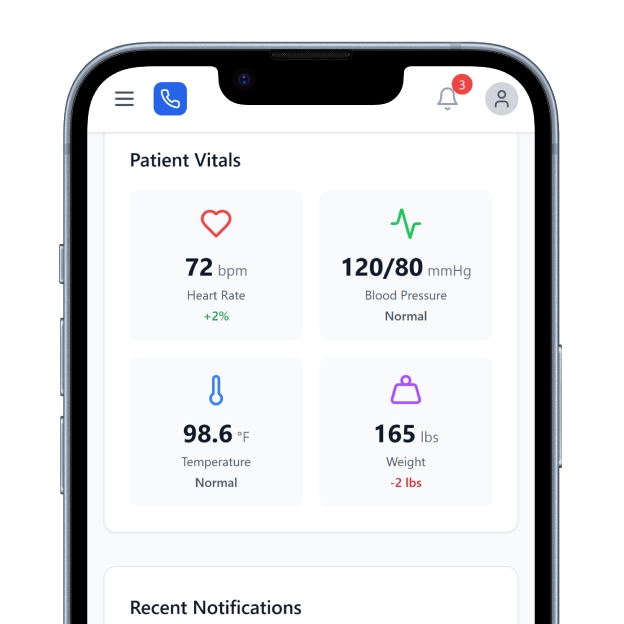
Validate Security Controls
Test access permissions and encryption layers
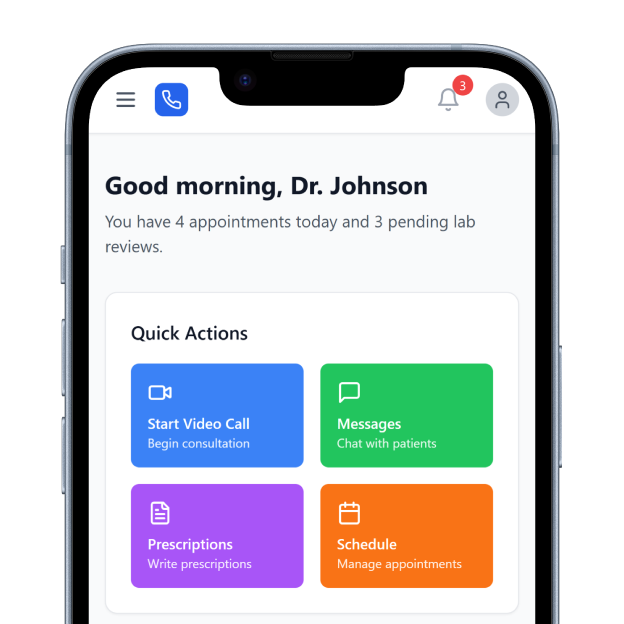
Deploy Environment
Launch regulated healthcare application platform
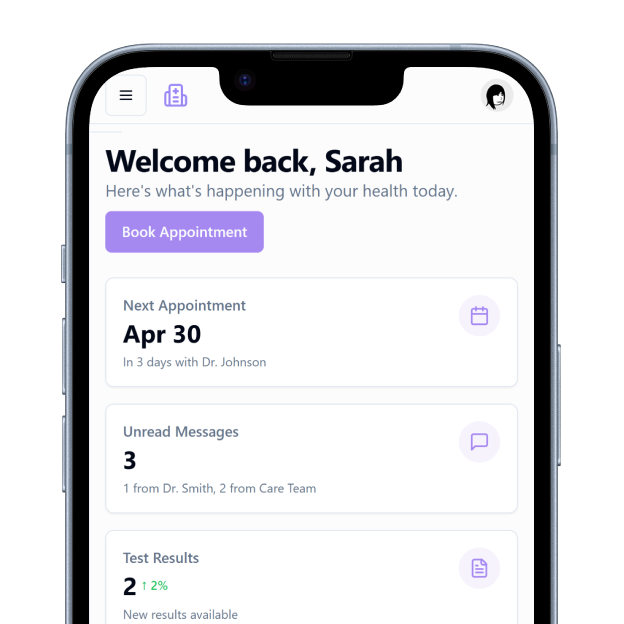
Compliance Assurance
The DrapCode HIPAA-compliant application platform enforces structured monitoring across patient data workflows. Each system event records context, access identity, and operational behavior for regulatory verification. Organizations building regulated healthcare systems frequently align infrastructure with HIPAA-compliant healthcare application frameworks. This ensures applications maintain traceability and protection standards across healthcare environments.
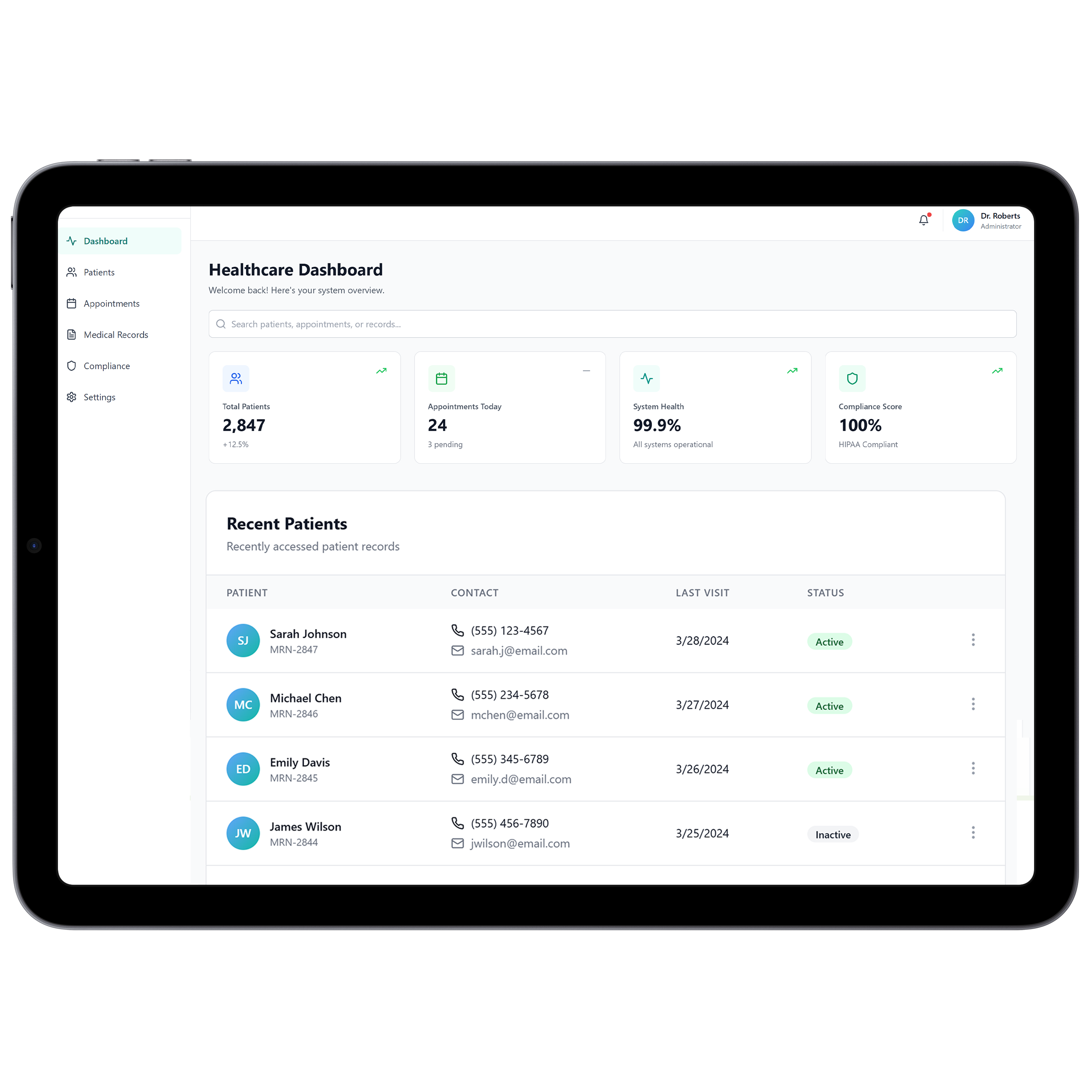
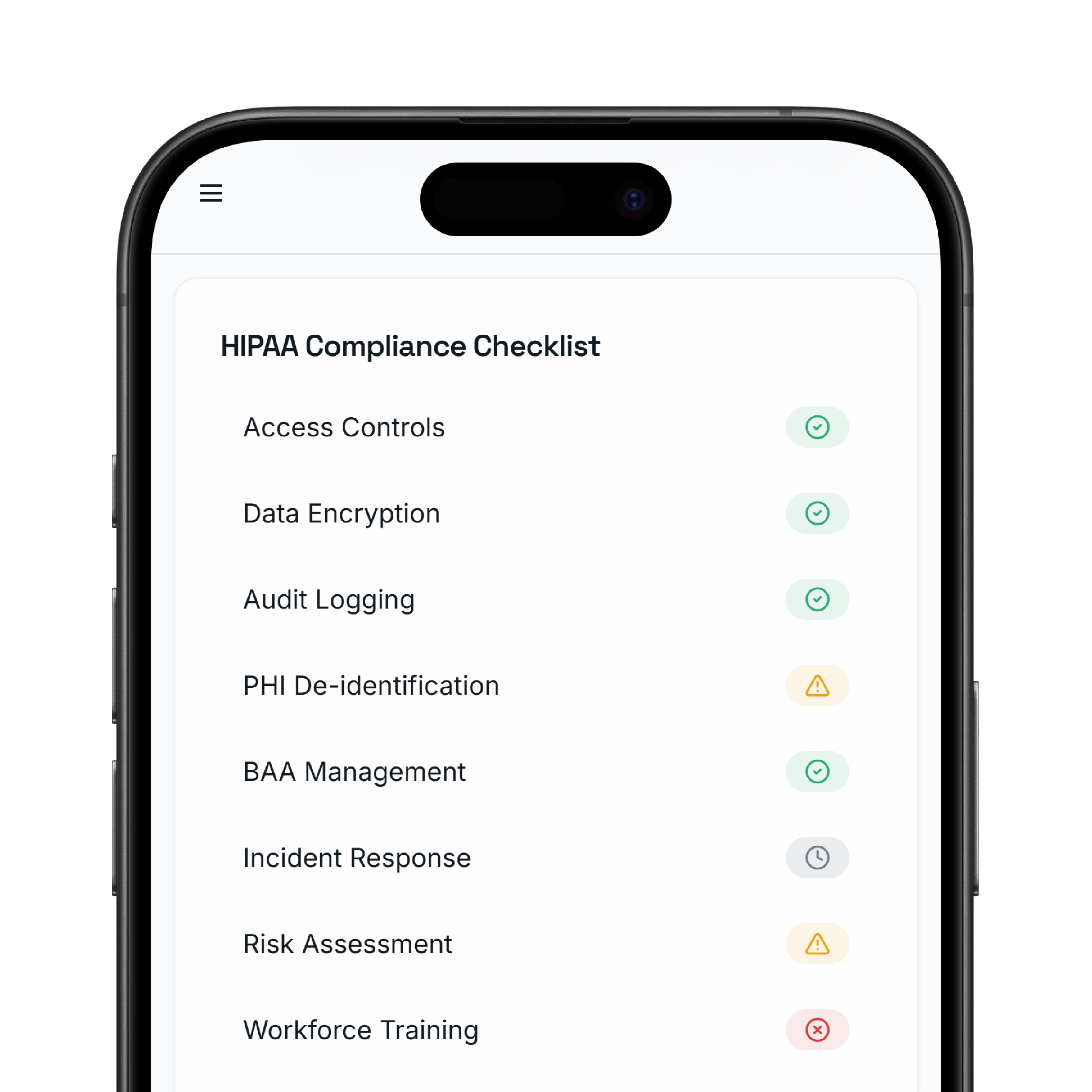
Scalable Healthcare Security
Healthcare systems must scale securely as patient data volume and operational usage increase. Infrastructure distributes processing tasks across protected environments while maintaining consistent security enforcement. Organizations expanding digital health platforms often align deployments with structured healthcare technology platforms. This approach supports long-term adoption of HIPAA-compliant healthcare systems without compromising regulatory safeguards.
Frequently Asked Questions
What does HIPAA compliance mean for software platforms?
Why do healthcare applications need HIPAA compliance?
Can HIPAA-compliant platforms integrate other healthcare systems?
Who must follow HIPAA regulations in software systems?
Can HIPAA-compliant systems scale as healthcare operations grow?
Get started with DrapCode to build secure HIPAA-compliant healthcare applications.
Experience the power of no-code development with DrapCode Studio. Build apps visually, collaborate seamlessly, and launch faster than ever.