Remote Patient Monitoring Software Development
Develop HIPAA-compliant remote patient monitoring software that connects patients, connected devices, health data, alerts, and care teams beyond clinical settings.
Extend Care Beyond the Clinic
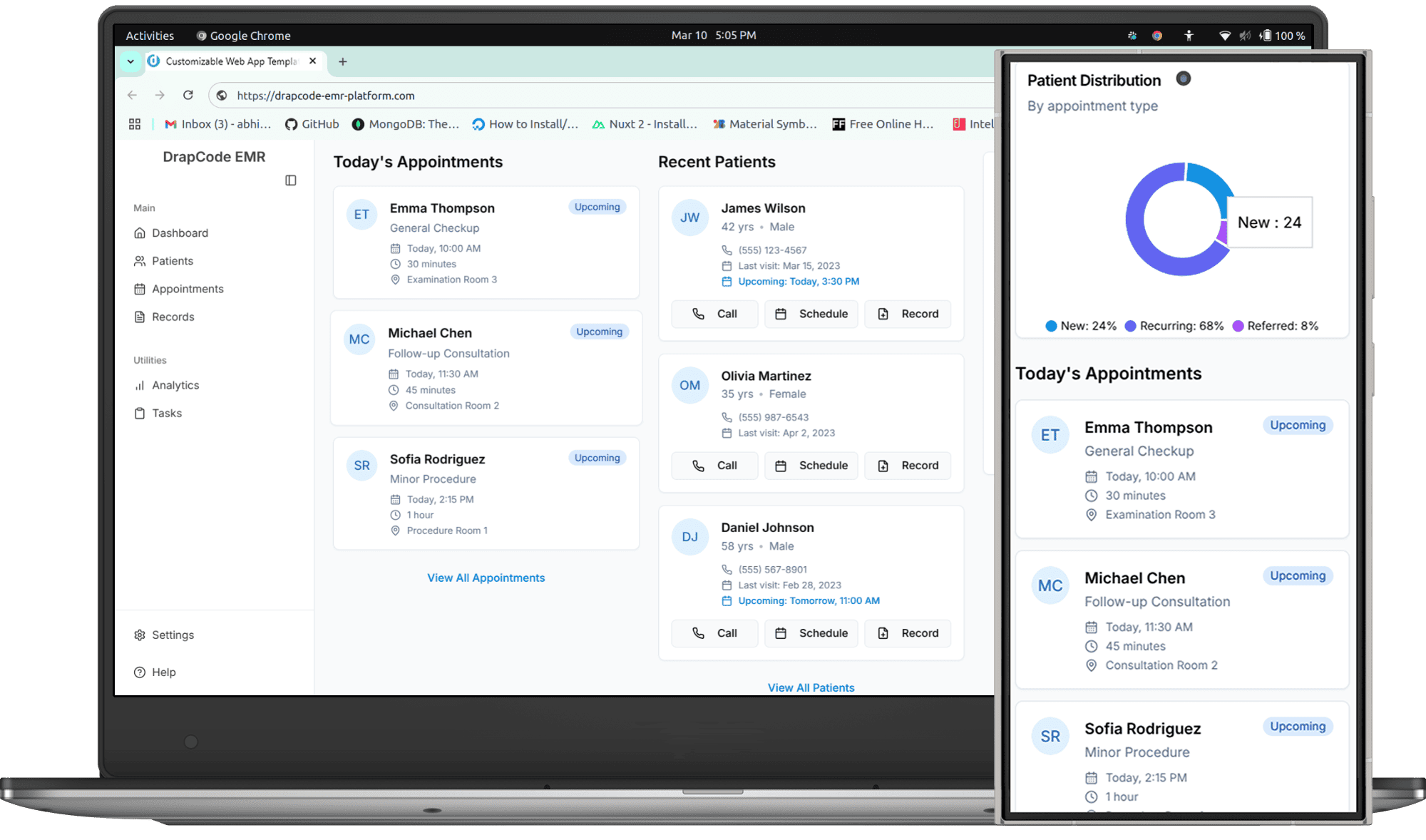
Many patients need ongoing observation between scheduled appointments, particularly when managing chronic conditions, recovering after treatment, or facing elevated health risks. Remote patient monitoring gives care teams a structured way to collect health information while patients remain at home. RPM software turns those ongoing measurements into actionable clinical workflows. Instead of treating every reading as an isolated data point, providers can monitor trends, identify concerning changes, prioritize patients, and coordinate appropriate follow-up.
Turn Patient Data Into Action
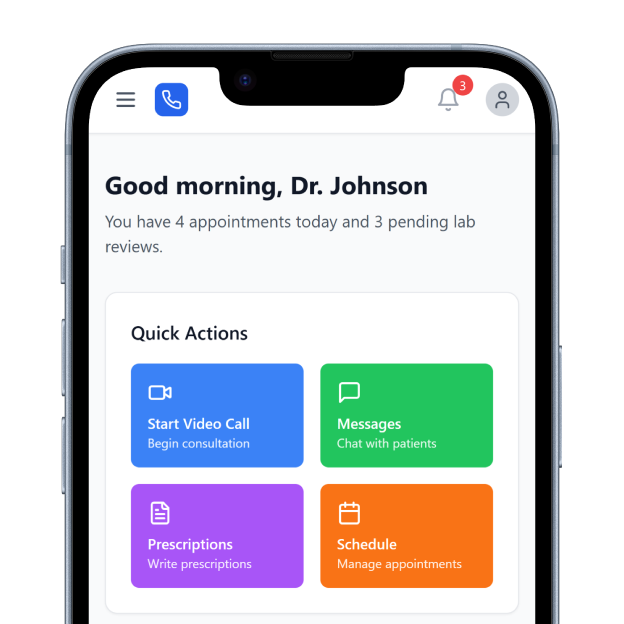
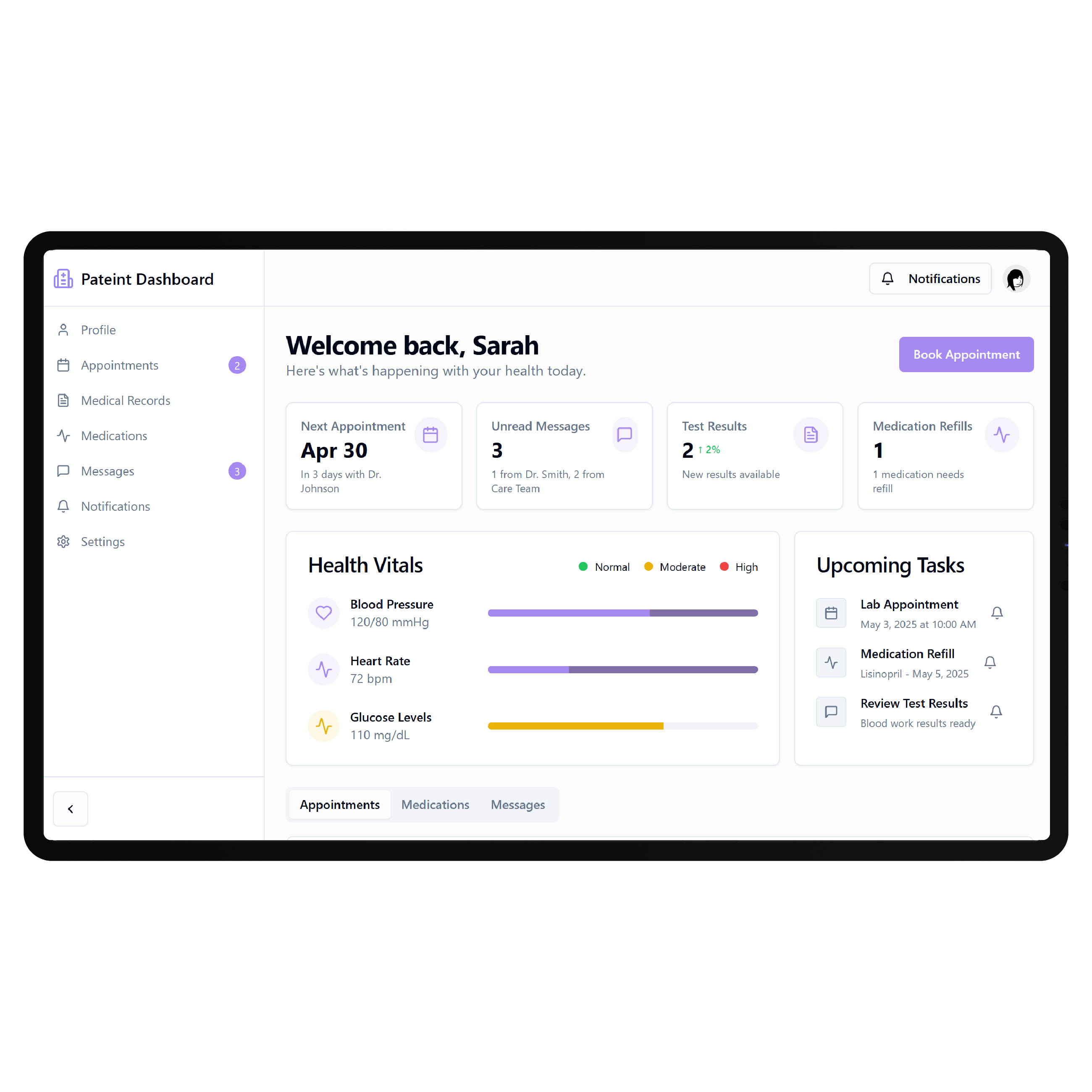
The value of RPM depends on what happens after a device records a measurement. Care teams need reliable data ingestion, configurable thresholds, clear alerts, patient context, and defined escalation pathways to determine when intervention is required.A well-designed RPM application can connect monitoring data with a Clinical Decision Support Platform , helping care teams evaluate relevant information when readings require clinical attention.
Core RPM Capabilities
Give care teams the tools to collect, interpret, and respond to patient health data remotely.
Vital Data Collection
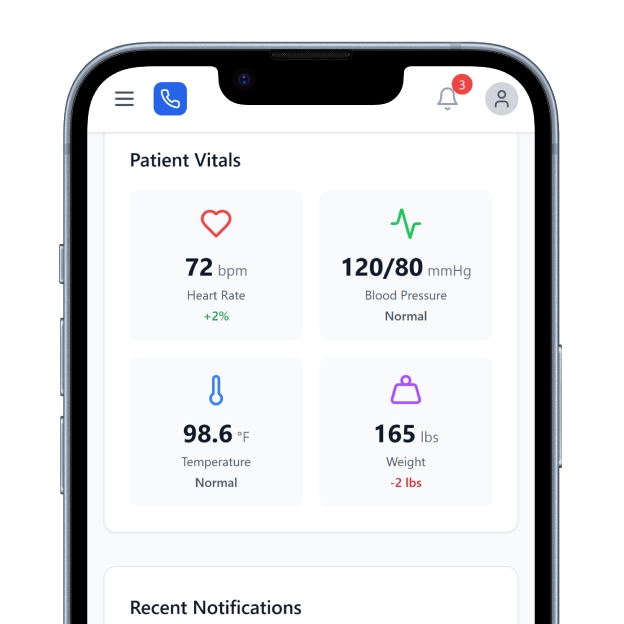
Capture blood pressure, glucose, oxygen saturation, heart rate, weight, temperature, and other relevant measurements.
Device Connectivity
Securely receive health measurements from connected medical devices, sensors, wearables, and external monitoring systems.
Threshold Monitoring
Evaluate incoming measurements against configured clinical thresholds and identify readings requiring additional attention.
Alert Management
Route relevant alerts to appropriate care team members based on severity, patient, and workflow.

Patient Engagement
Give patients clear ways to submit readings, review monitoring information, and follow assigned care instructions.
Monitoring History
Maintain longitudinal measurement histories so clinicians can identify changes and evaluate patient trends over time.


We partnered with DrapCode to develop our new Automated CRM using their low-code platform. Outstanding quality at half the price, unmatched speed, and excellent customer service.
Cal Goggans
Founder - A Custom Fit iNMotion


DrapCode stands out as the best. Flexible, scalable, and supported by an expert team. After 3 years on another tool, DrapCode is simply superior.
Cory Nation
President - Embark EMR

DrapCode is an easy-to-use no-code platform with a drag-and-drop interface, making it accessible for non-developers. The support team is highly responsive and dedicated to user success.
Joseph Young
President - Renew Hope And Healing
Technology for Continuous Monitoring
Create the technical foundation required to move health data securely between patients, devices, applications, and care teams.
Device APIs
Connect medical devices and external data sources through secure APIs for continuous health information exchange.
Data Processing
Receive, validate, organize, and transform incoming measurements into structured records for clinical workflows.
Secure Access
Control access to patient measurements according to provider roles, responsibilities, and organizational requirements.
Scalable Infrastructure
Support increasing numbers of monitored patients, devices, measurements, alerts, and clinical users reliably.
RPM data can also feed a Healthcare Analytics Platform , helping organizations identify population trends, utilization patterns, and changes in monitored patient cohorts.
Where RPM Creates Value
Chronic Disease Monitoring
Track patients with conditions such as diabetes, hypertension, cardiovascular disease, and respiratory disorders between regular clinical encounters.
Post-Discharge Recovery
Monitor patients after hospitalization or procedures and identify concerning changes that may require timely clinical follow-up.
High-Risk Patient Management
Provide closer observation for patients who require ongoing monitoring without requiring every health check to happen inside a clinical facility.
How It Works
Design the RPM journey around patient enrollment, device data, monitoring rules, clinical review, and escalation workflows.
 Continuous health monitoring
- Actionable clinical alerts
- Patient participation
- Connected care escalation
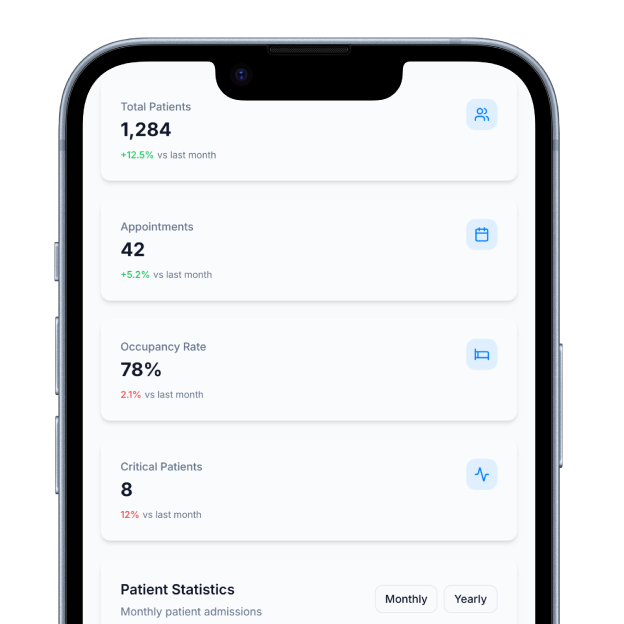
Enroll Patients
Register patients, assign monitoring programs, establish care teams, and configure the measurements required for each program.
Connect Devices
Connect approved devices and external data sources so measurements can flow into the monitoring application.
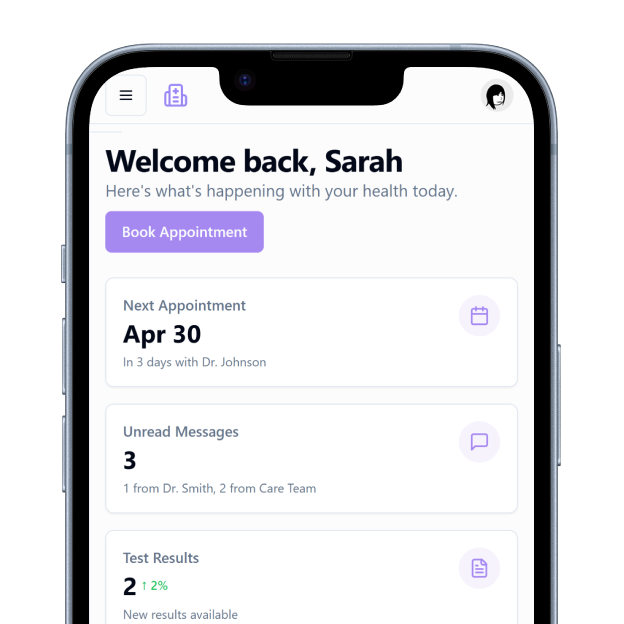
Monitor & Triage
Evaluate incoming readings, identify exceptions, prioritize alerts, and route relevant events to designated care teams.
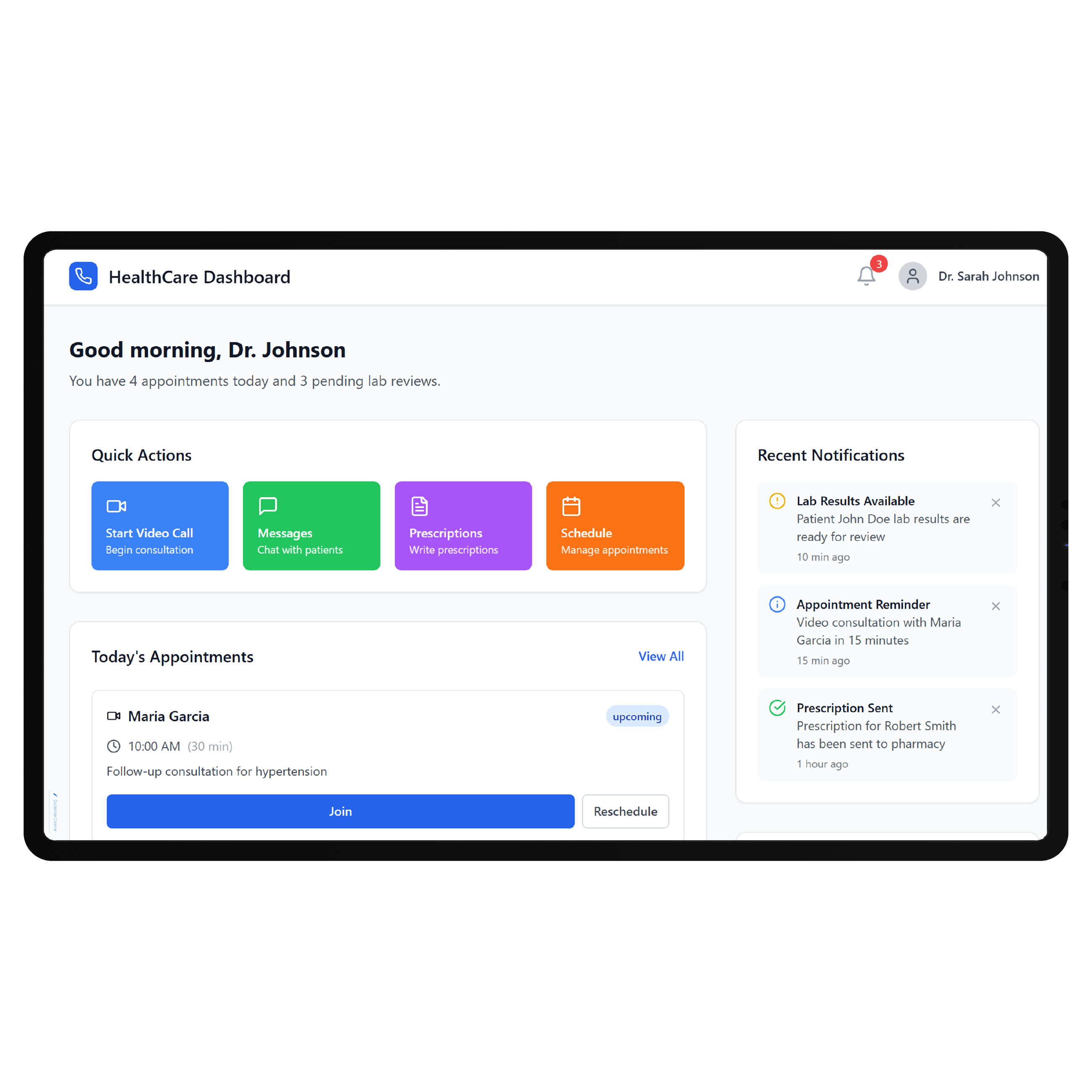
Escalate Care
Move patients into appropriate follow-up workflows when monitoring results indicate a need for clinical intervention.
Protect Remote Health Data
RPM applications continuously handle protected health information as measurements move between patients, devices, cloud systems, and clinical teams. Security therefore needs to cover both the stored information and the flow of data between connected components. DrapCode supports HIPAA-compliant healthcare application development with encrypted data management, role-based access, authentication, and audit logging. When an alert requires a remote consultation, the monitoring workflow can connect directly with a Telemedicine Platform for virtual follow-up.
Why Build RPM With DrapCode
Remote monitoring software needs to accommodate more than dashboards and device feeds. Each program can have different patient populations, measurements, thresholds, alert priorities, escalation procedures, and care-team responsibilities. DrapCode is a healthcare application development platform for building production-ready RPM applications around these requirements. Organizations can create connected monitoring workflows that bring together patient data, device integrations, clinical teams, and follow-up processes within a secure healthcare environment.
Frequently Asked Questions
What is remote patient monitoring software?
What devices can connect to an RPM platform?
How does RPM software handle abnormal readings?
Can RPM software integrate with EHR systems?
Can DrapCode build HIPAA-compliant RPM software?
Build a Continuous Care Platform
Create remote patient monitoring software that turns ongoing health measurements into connected workflows for earlier intervention and continuous patient care.