MVP as a Service for Rapid Product Development and Validation
Launch digital products quickly by transforming business ideas into functional applications with structured development workflows. DrapCode provides an MVP-as-a-Service that enables startups and enterprises to build, test, and refine digital products without the traditional development delays.
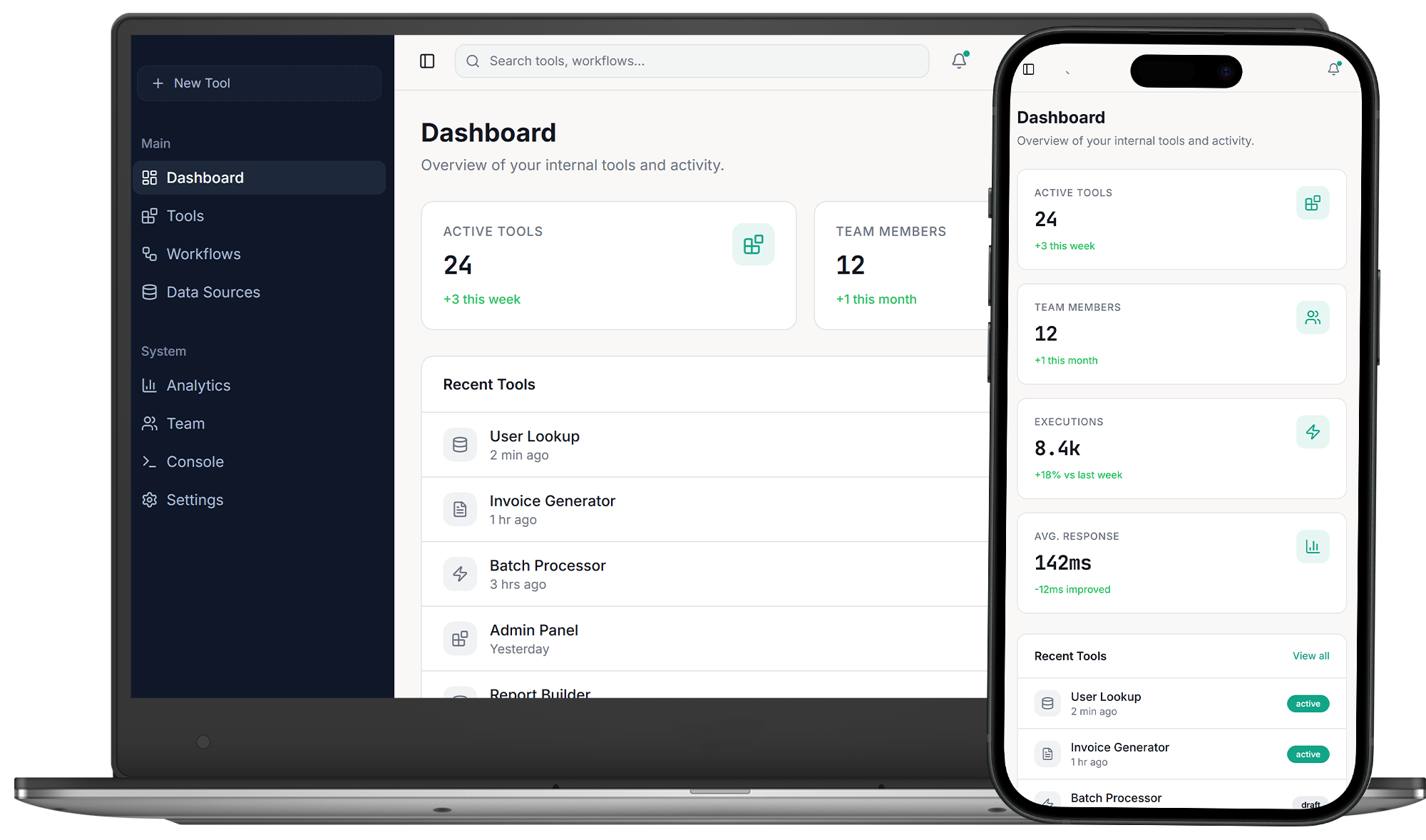
Minimum Viable Product Strategy
MVP as a Service is a development approach in which a minimal, functional version of a product is built and deployed to validate market demand. Instead of developing a full-scale platform initially, organizations launch a simplified product that demonstrates core functionality. This model helps businesses test ideas quickly while minimizing development risk and cost. Unlike traditional product development cycles, MVP development services focus on speed, experimentation, and rapid iteration.
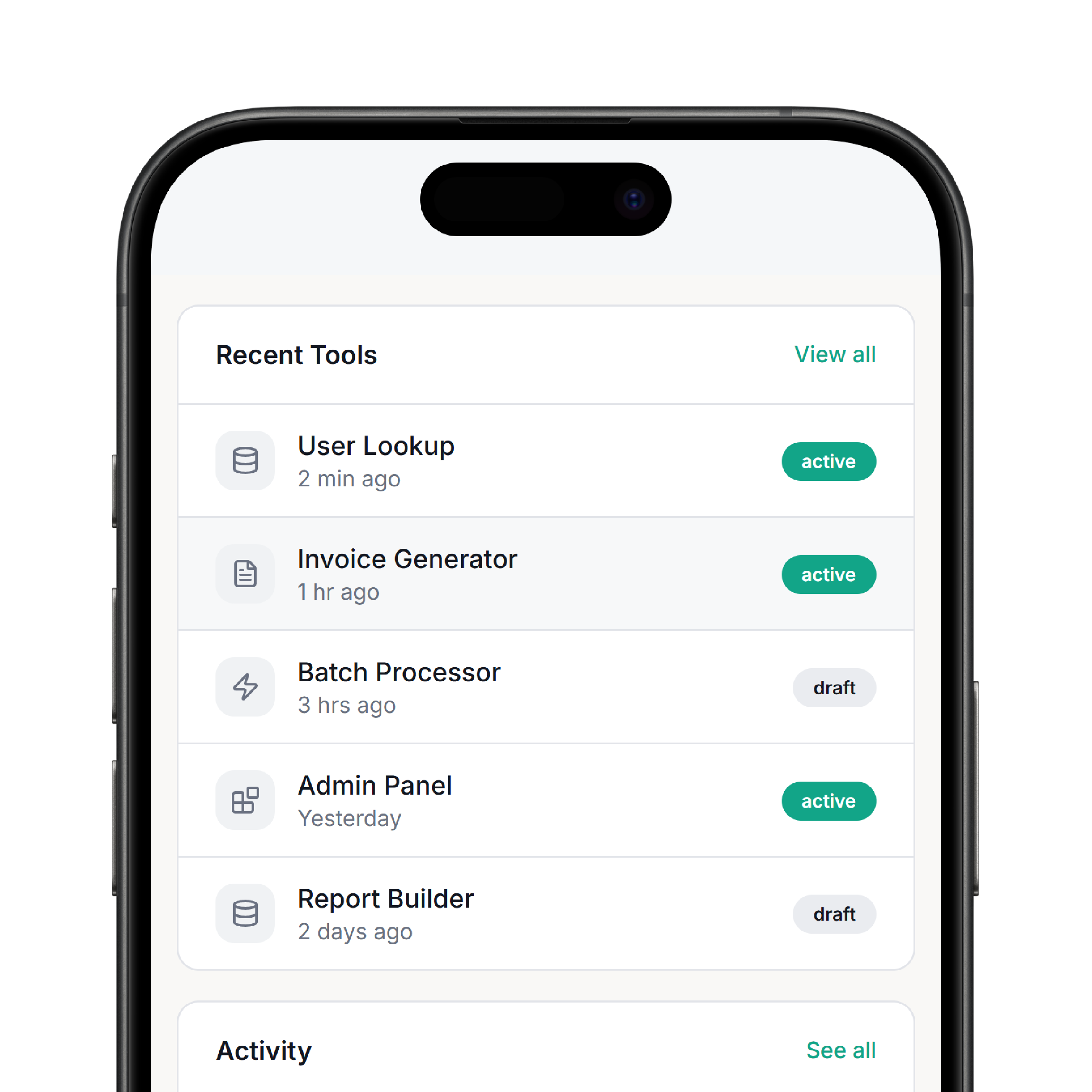
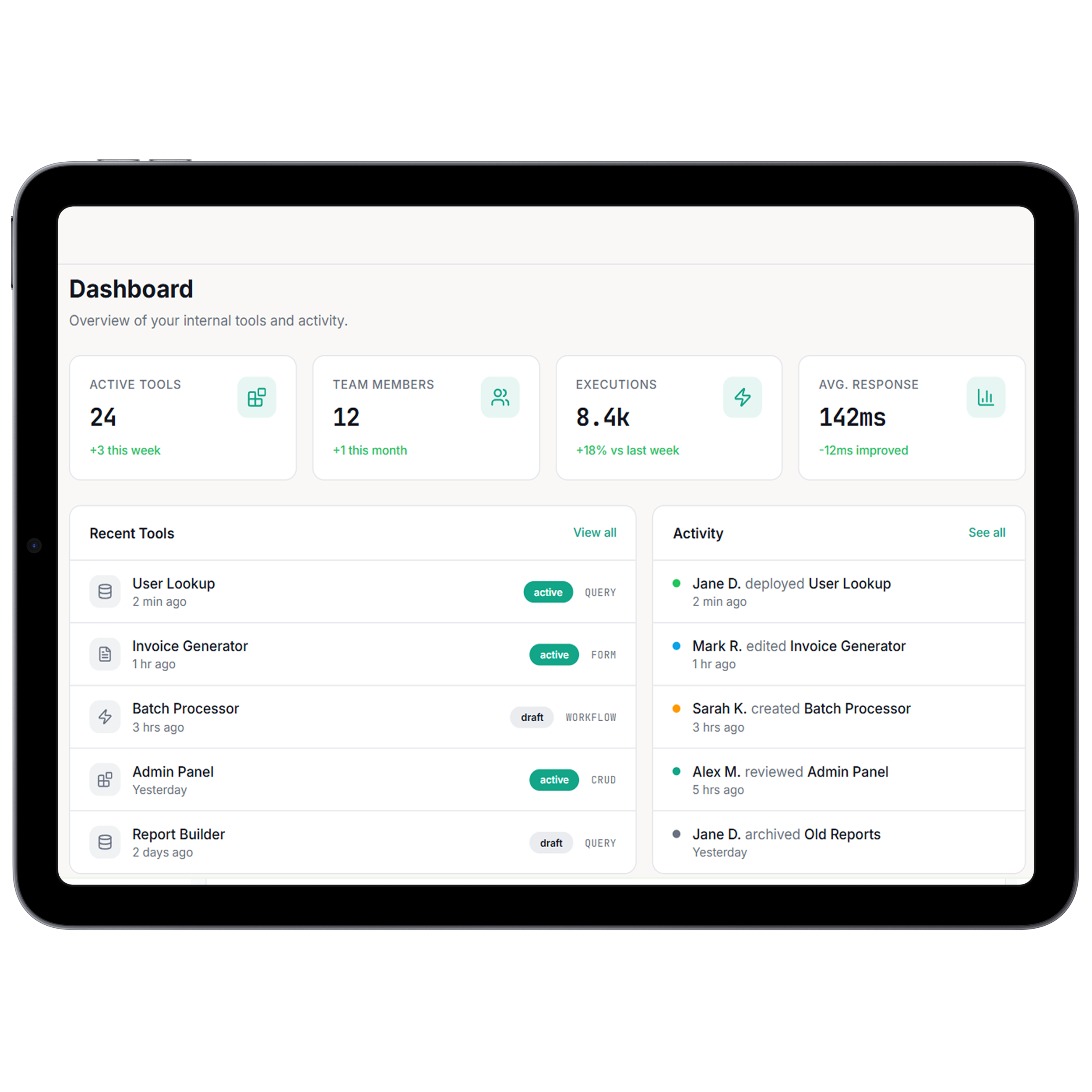
Product Development Architecture
MVP platforms structure application components such as user interfaces, workflows, and databases into modular systems. This allows teams to create functional prototypes that simulate real product behavior while remaining flexible for future changes. Startups exploring intelligent product features often integrate early prototypes with the broader AI platform ecosystem . Operational teams building early-stage systems frequently rely on internal tools builder platformsto coordinate workflows and product testing.
MVP Development Capabilities
These capabilities define how DrapCode supports MVP development services.

Rapid Application Prototyping
Convert product concepts into working digital applications quickly
Iterative Product Configuration
Modify features and workflows based on user feedback

Dynamic Data Modeling
Structure application databases aligned with product functionality

User Interaction Interfaces
Build user intuitive interfaces for early user engagement
Integration Connectivity Layer
Connect APIs, payment systems, and external services

Deployment Lifecycle Control
Manage testing, staging, and production environments


We partnered with DrapCode to develop our new Automated CRM using their low-code platform. Outstanding quality at half the price, unmatched speed, and excellent customer service.
Cal Goggans
Founder - A Custom Fit iNMotion



DrapCode stands out as the best. Flexible, scalable, and supported by an expert team. After 3 years on another tool, DrapCode is simply superior.
Cory Nation
President - Embark EMR

DrapCode is an easy-to-use no-code platform with a drag-and-drop interface, making it accessible for non-developers. The support team is highly responsive and dedicated to user success.
Joseph Young
President - Renew Hope And Healing
Platform Infrastructure Features
Operational mechanisms ensure reliability during MVP development and testing.

Secure Runtime Environment
Protect application data and operational logic

Scalable Application Hosting
Support growing user traffic and product adoption

Access Permission Management
Control user roles across application modules
System Monitoring Framework
Track application behavior and performance metrics
Product Launch Scenarios

Startup Product Validation
Launch new software ideas and gather early user feedback. Identify product-market fit before large investments.

Enterprise Innovation Projects
Test internal product concepts within controlled environments. Evaluate potential digital solutions rapidly.

Platform Prototyping
Create early versions of digital platforms for demonstration and testing. Validate system architecture before scaling.
Development Lifecycle
MVP products move from concept to deployment through structured development phases.
 Define Product Scope
- Configure Application Logic
- Test User Experience
- Launch MVP Platform
Define Product Scope
Identify core features required for validation
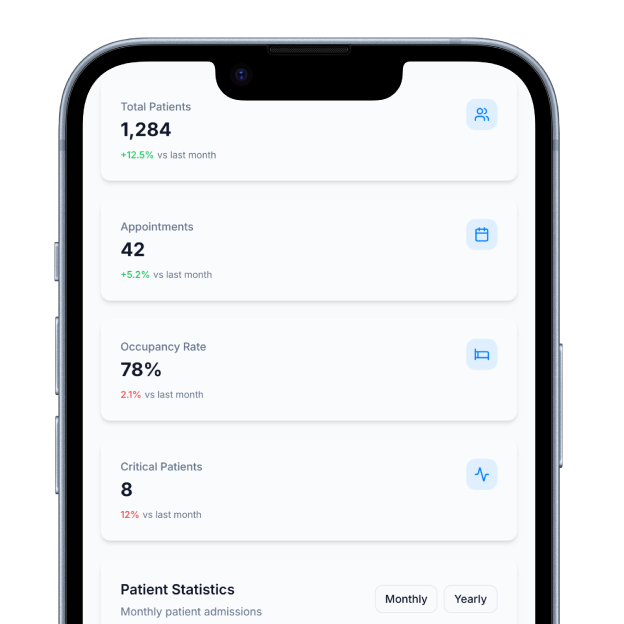
Configure Application Logic
Build workflows and data structures
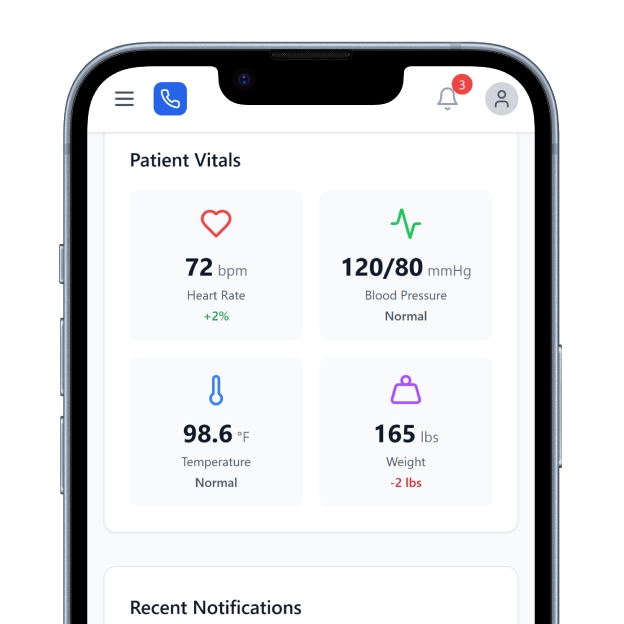
Test User Experience
Evaluate usability and operational behavior
Launch MVP Platform
Deploy live environment for user testing
Product Validation Insights
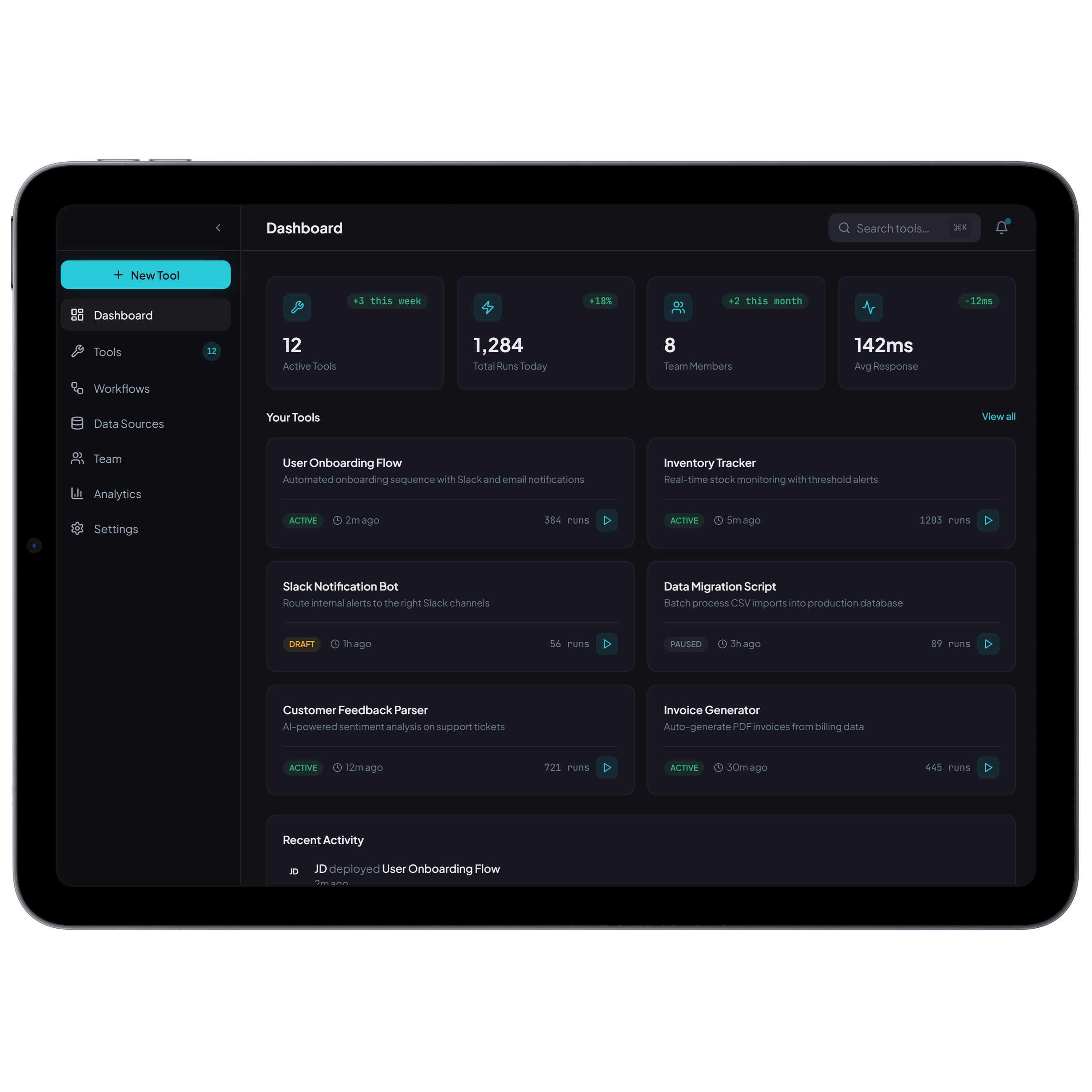
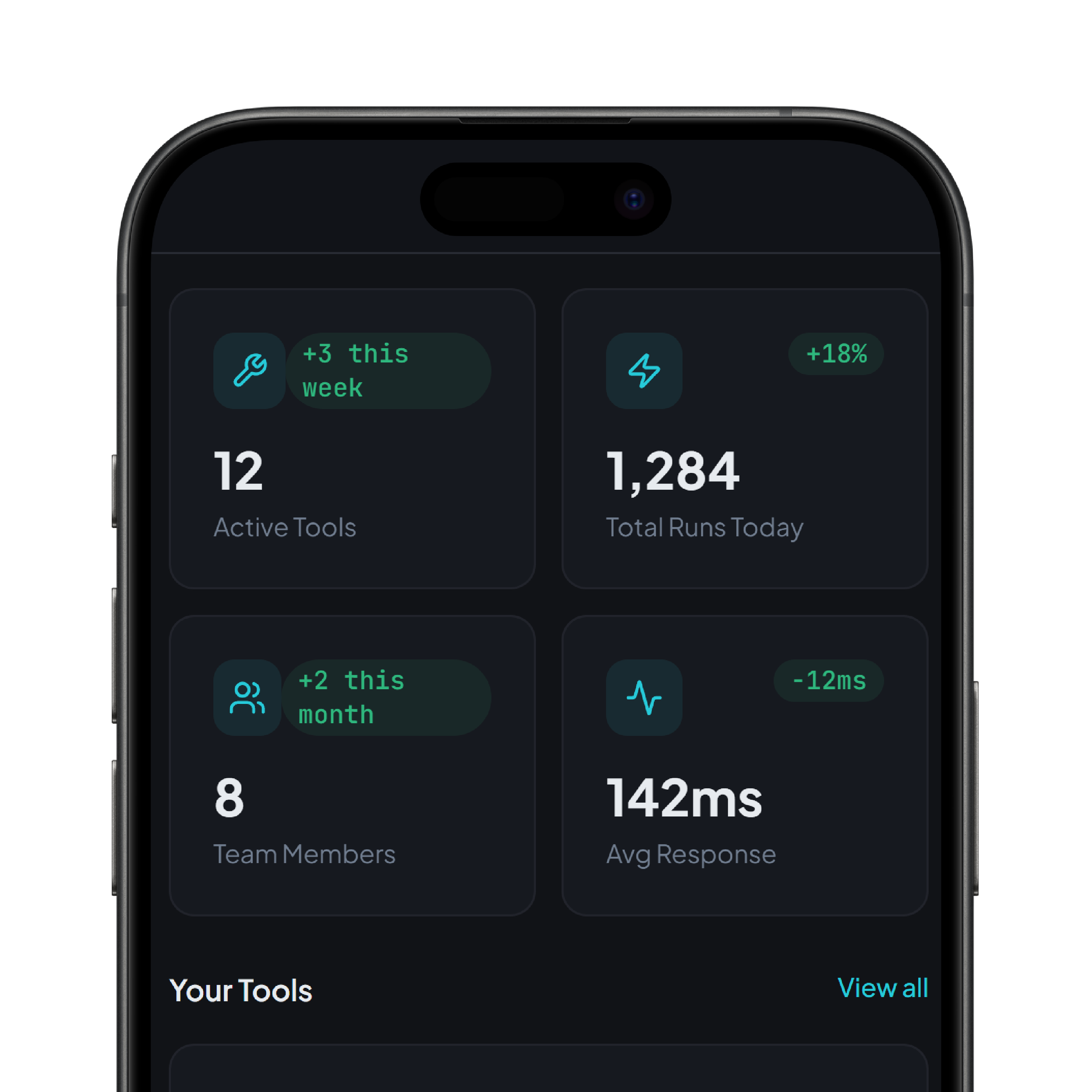
The DrapCode MVP-as-a-Service platform records user behavior, product interactions, and operational events during testing phases. Teams can analyze feedback patterns and refine product features based on real-world usage data. Developers building data-driven MVP platforms often structure application storage and models using tools such as PostgreSQL GUI management systems. This ensures early-stage products maintain a structured data architecture and reliable performance.
Scalable Product Evolution
Once a product demonstrates market validation, MVP systems can evolve into full production platforms. The modular architecture allows new features and integrations to be added without rebuilding the entire system. Organizations can gradually expand capabilities, user access, and infrastructure as adoption increases. This enables long-term product growth while preserving the original MVP development foundation.
Frequently Asked Questions
What is MVP as a Service?
Why should I choose DrapCode for MVP development?
How long does it take to build an MVP with DrapCode?
Can I integrate other tools?
Is the MVP scalable?
Get started with DrapCode to launch and validate digital products through MVP-as-a-Service.
Experience the power of no-code development with DrapCode Studio. Build apps visually, collaborate seamlessly, and launch faster than ever.