Patient Portal Development
Develop HIPAA-compliant patient portals that give patients secure access to healthcare information, appointments, communication, documents, and essential services.
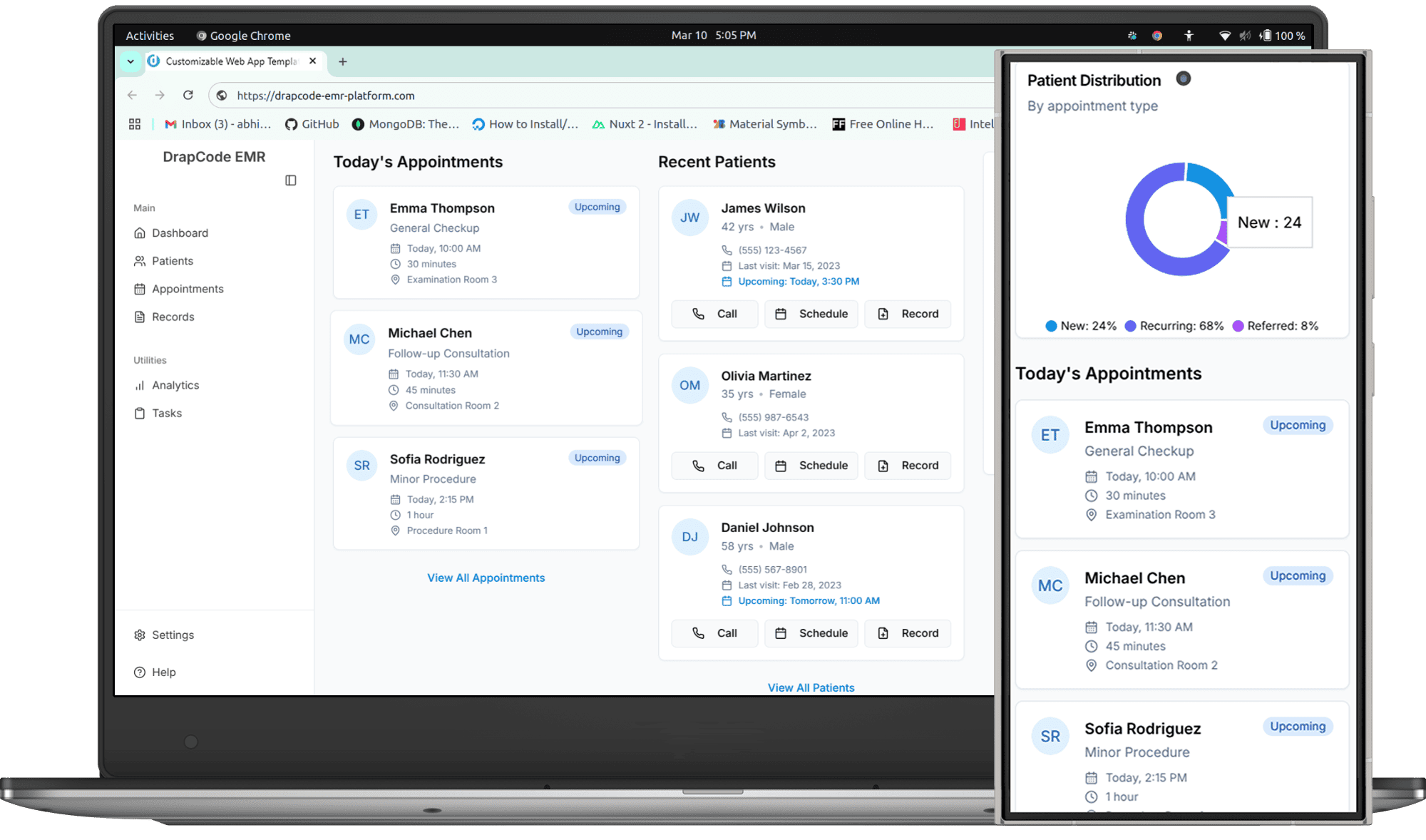
Put Patients in Control
Patients increasingly expect healthcare interactions to be as accessible digitally as other parts of their daily lives. Waiting for a phone call to confirm an appointment, request information, or obtain a document creates unnecessary friction for both patients and healthcare staff. A patient portal creates a dedicated digital channel between patients and healthcare organizations. It gives patients convenient access to relevant information and services while reducing repetitive administrative work for front-office and care teams.
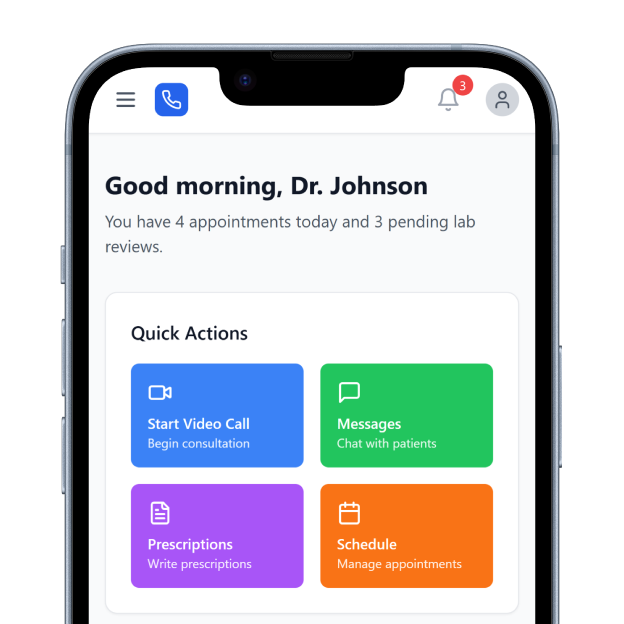
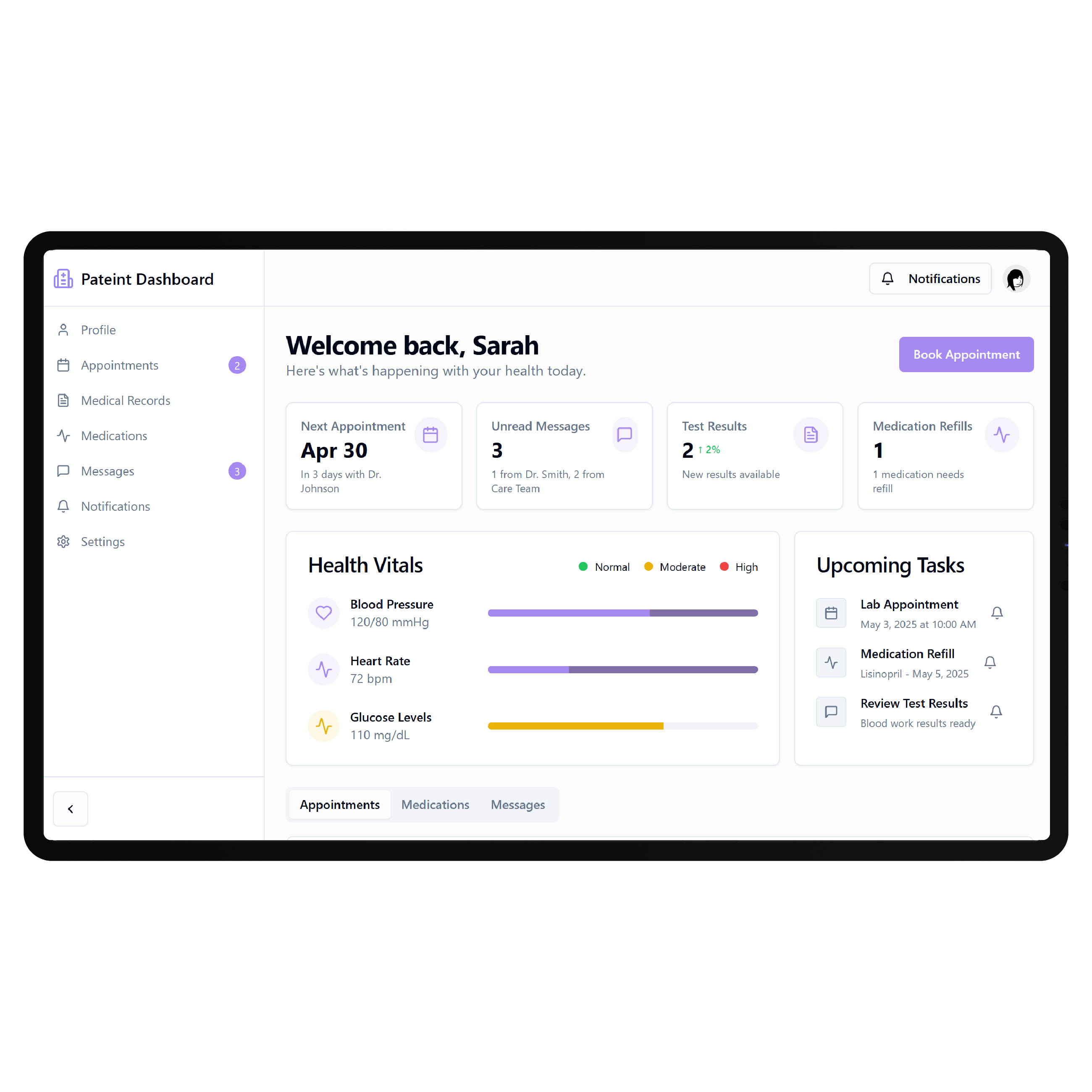
Make Everyday Healthcare Easier
A useful portal should support more than simply displaying medical records. Patients may need to schedule appointments, complete forms, exchange messages, review instructions, upload documents, or manage payments during different stages of their care. DrapCode helps healthcare organizations build patient-facing applications around these interactions. A portal can connect with aPractice Management Portal to coordinate appointments, intake, administrative requests, and other services behind the patient experience.
What Patients Can Do Through the Portal
Create a patient experience that brings essential healthcare interactions together in one secure digital destination.

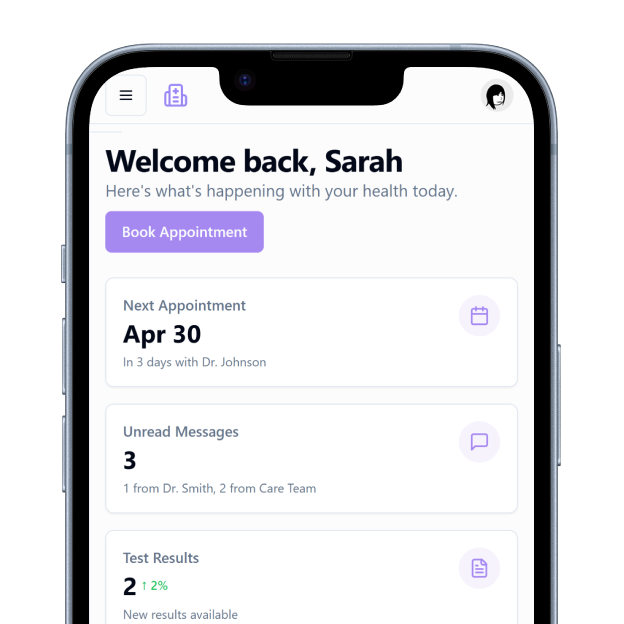
Health Information Access
Give patients controlled access to relevant records, test results, and health information.

Appointment Management
Let patients request, confirm, reschedule, and cancel appointments based on provider availability.

Digital Forms
Collect registration details, consent forms, and other information before or during care.

Care Team Messaging
Enable secure conversations between patients and authorized providers, staff, and care coordinators.

Document Exchange
Allow patients and care teams to securely upload, share, review, and manage healthcare documents.

Payment Access
Provide patients with convenient access to balances, statements, and financial information.
The Infrastructure Behind Patient Access
Build a patient-facing application with secure identity management, connected healthcare data, and reliable system integrations.

Identity Management
Authenticate patients securely and manage account access according to defined identity and authorization requirements.

Clinical Data Integration
Connect portal experiences with EHRs, EMRs, laboratory systems, and other clinical applications through secure APIs.

FHIR Connectivity
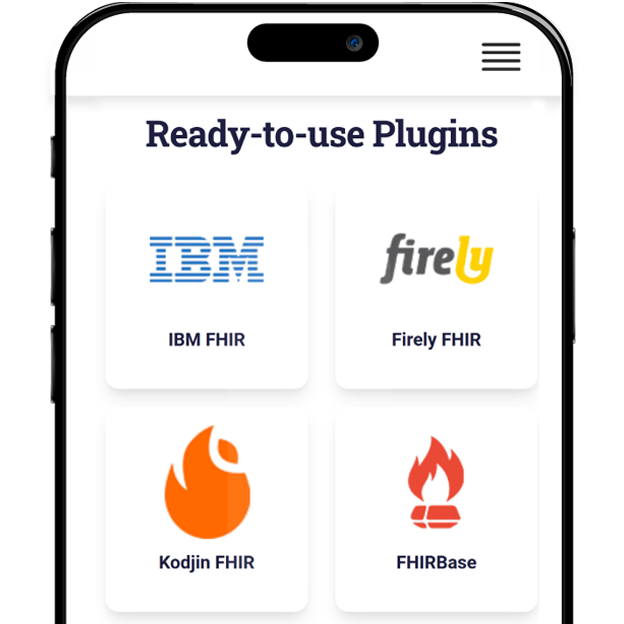
Support structured exchange of relevant patient information with compatible healthcare systems using FHIR-based workflows.
Audit & Monitoring
Maintain visibility into account activity, information access, communications, and other important portal events.
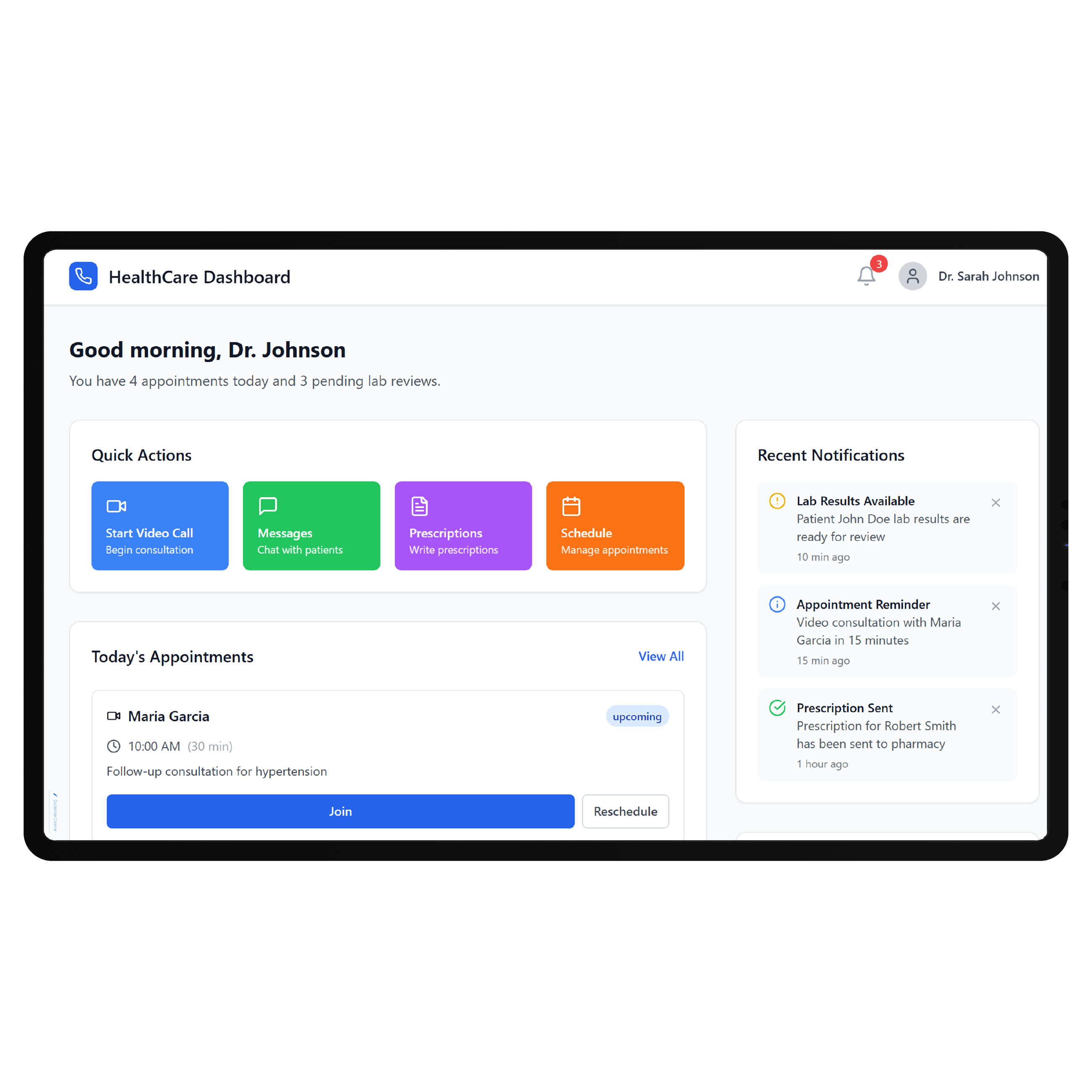
A patient portal can also extend into virtual care by connecting with a telemedicine platform , allowing patients to move from appointment management into remote consultations.
Patient Access Across the Care Journey

Before the Visit
Patients can complete registration, submit forms, confirm appointments, review instructions, and provide information before arriving for care.

During Treatment
The portal can give patients access to relevant documents, care instructions, messages, appointments, and information shared by their healthcare team.

After the Visit
Patients can receive follow-up instructions, review visit information, communicate with providers, manage future appointments, and stay connected with ongoing care.
How a Patient Portal Comes Together
Build the portal around patient journeys, organizational workflows, connected systems, privacy requirements, and the services patients need most.
 Patient-centered experience
- Controlled information access
- Connected healthcare services
- Secure digital communication
Map Patient Journeys
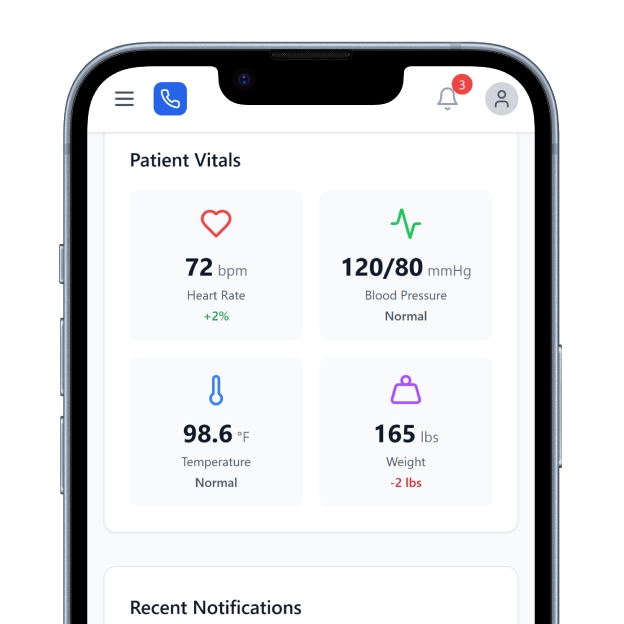
Identify the interactions patients need before, during, and after appointments, including information, forms, communication, and service requests.
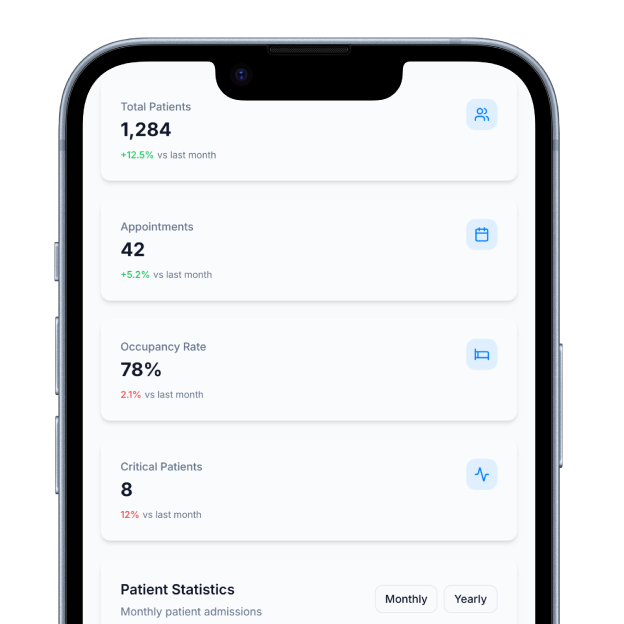
Define Access & Experiences
Determine what patients, caregivers, providers, and staff can view, submit, communicate, and manage within the portal.
Connect Healthcare Systems
Integrate clinical records, scheduling, billing, laboratory services, communication tools, and other systems through secure APIs.
Prepare for Production
Deploy the portal with authentication, permissions, monitoring, auditability, and infrastructure appropriate for healthcare applications.
Keep Patient Information Protected
Patient portals can expose sensitive health information across records, communications, documents, appointments, and account activity. Strong identity controls and carefully defined permissions are essential to ensure patients only access information associated with their account and authorized care relationships. DrapCode supports HIPAA-compliant healthcare application development with encrypted data management, role-based access, authentication, and audit logging. Financial interactions can also connect with amedical billing and payment system when patients need to review balances or complete healthcare payments.
Why Build Your Patient Portal With DrapCode
Patient-facing healthcare software needs to balance convenience with the privacy and complexity of healthcare data. DrapCode provides a healthcare application development platform for organizations that need a portal tailored to their patient journeys, services, integrations, and operational requirements. Rather than treating the portal as an isolated interface, organizations can build it as part of a connected healthcare ecosystem. Patient access can extend across appointments, clinical information, communication, documents, payments, and virtual care as the organization's digital services grow.
Frequently Asked Questions
What is a patient portal?
What can patients do through a patient portal?
Can a patient portal integrate with an EHR?
Can patient portals support caregivers?
Can DrapCode build a HIPAA-compliant patient portal?
Give Patients a Better Digital Front Door
Build a secure patient portal that makes healthcare information, services, communication, and appointments easier for patients to access.