Build a Peer-to-Peer Lending Platform with AI
Use DrapCode's AI App Builder, vibe coding, and visual development to build P2P lending marketplaces for borrower applications, lender participation, funding allocation, and repayment tracking.

Two Sides of Lending Need One Coordinated Marketplace
A peer-to-peer lending platform brings borrowers seeking financing together with lenders willing to fund eligible loans. Each group needs a different experience, from submitting loan requests and reviewing terms to evaluating opportunities and tracking funded amounts. The platform must coordinate these activities without losing visibility into loan status, funding commitments, or repayment obligations. Clear marketplace rules help administrators manage participation, review applications, and oversee transactions across both sides.
Make Funding Decisions Visible to Every Participant
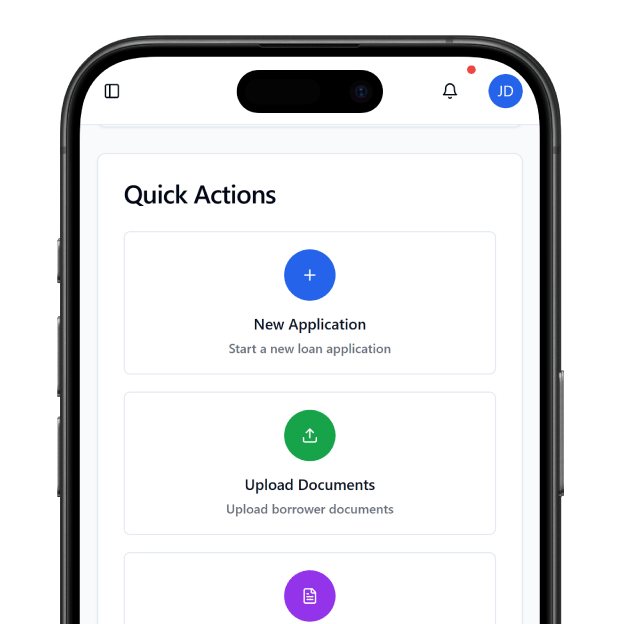
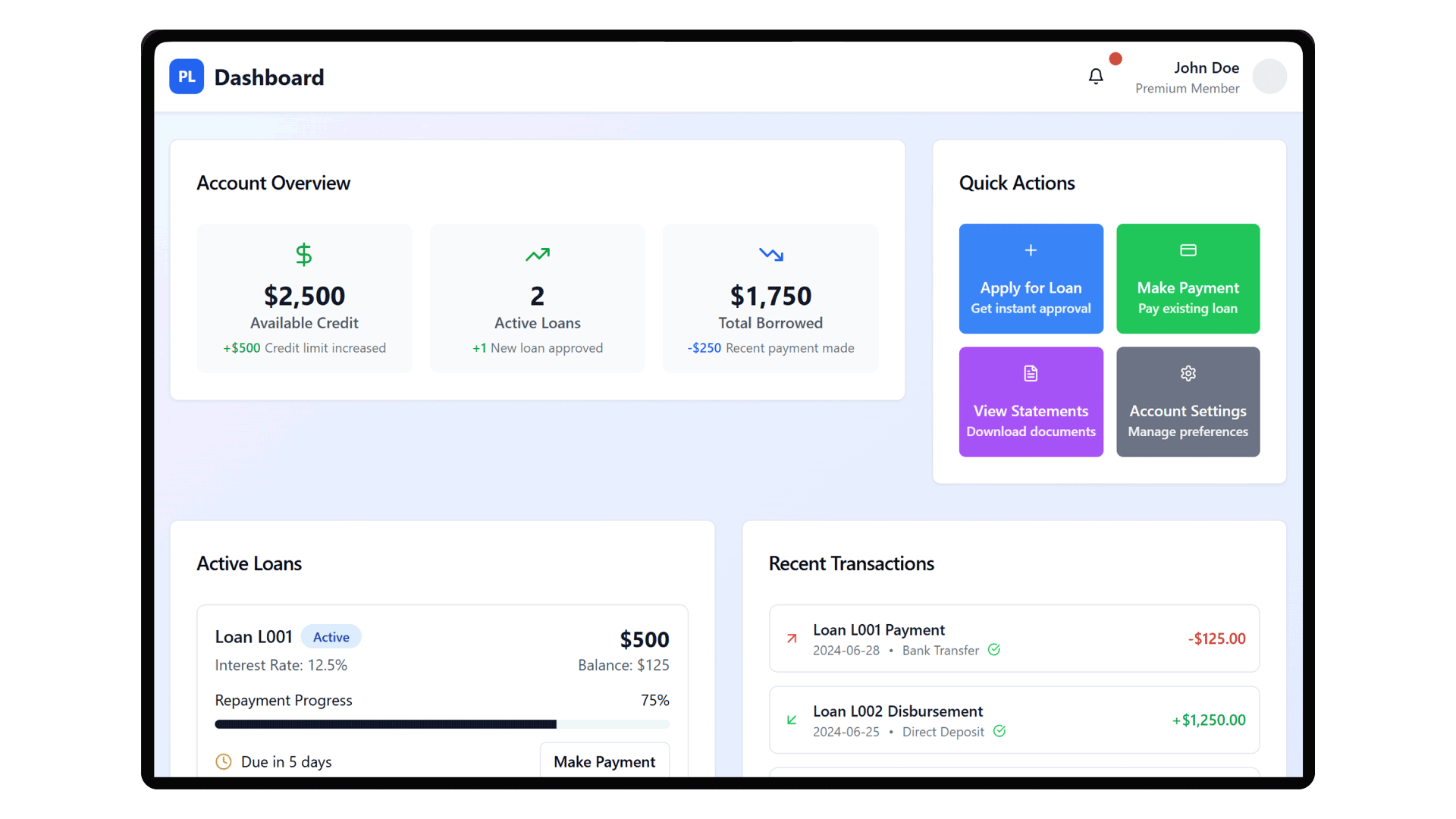
Lenders need enough information to evaluate available opportunities, while borrowers need clarity about application progress, funding status, and agreed loan terms. Platform operators must coordinate matching criteria, funding limits, and allocation rules according to their marketplace model. DrapCode's AI App Builder lets teams describe requirements through vibe coding, generate and refine supported functionality, and configure marketplace interfaces and business logic visually. Build separate borrower, lender, and administrator experiences around your participation rules and funding processes.
The Mechanics of a P2P Marketplace
Configure the workflows that connect loan requests with lender participation, funding commitments, and repayment activity.

Participant Profiles
Maintain borrower and lender profiles, verification statuses, preferences, and relevant account information.

Loan Listings
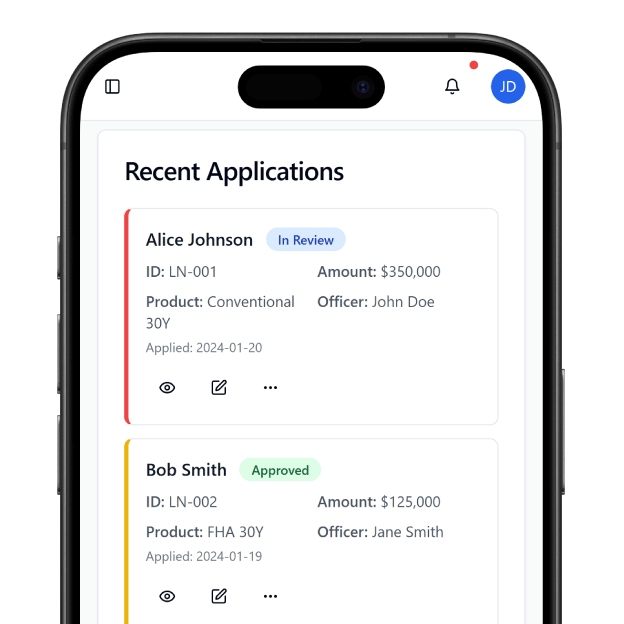
Present eligible loan requests with relevant terms, requested amounts, and available assessment information.

Lender Matching
Configure matching criteria based on loan requirements, lender preferences, and marketplace rules.

Funding Allocation
Track lender commitments and allocate funding according to configured limits and allocation rules.

Investor Dashboards
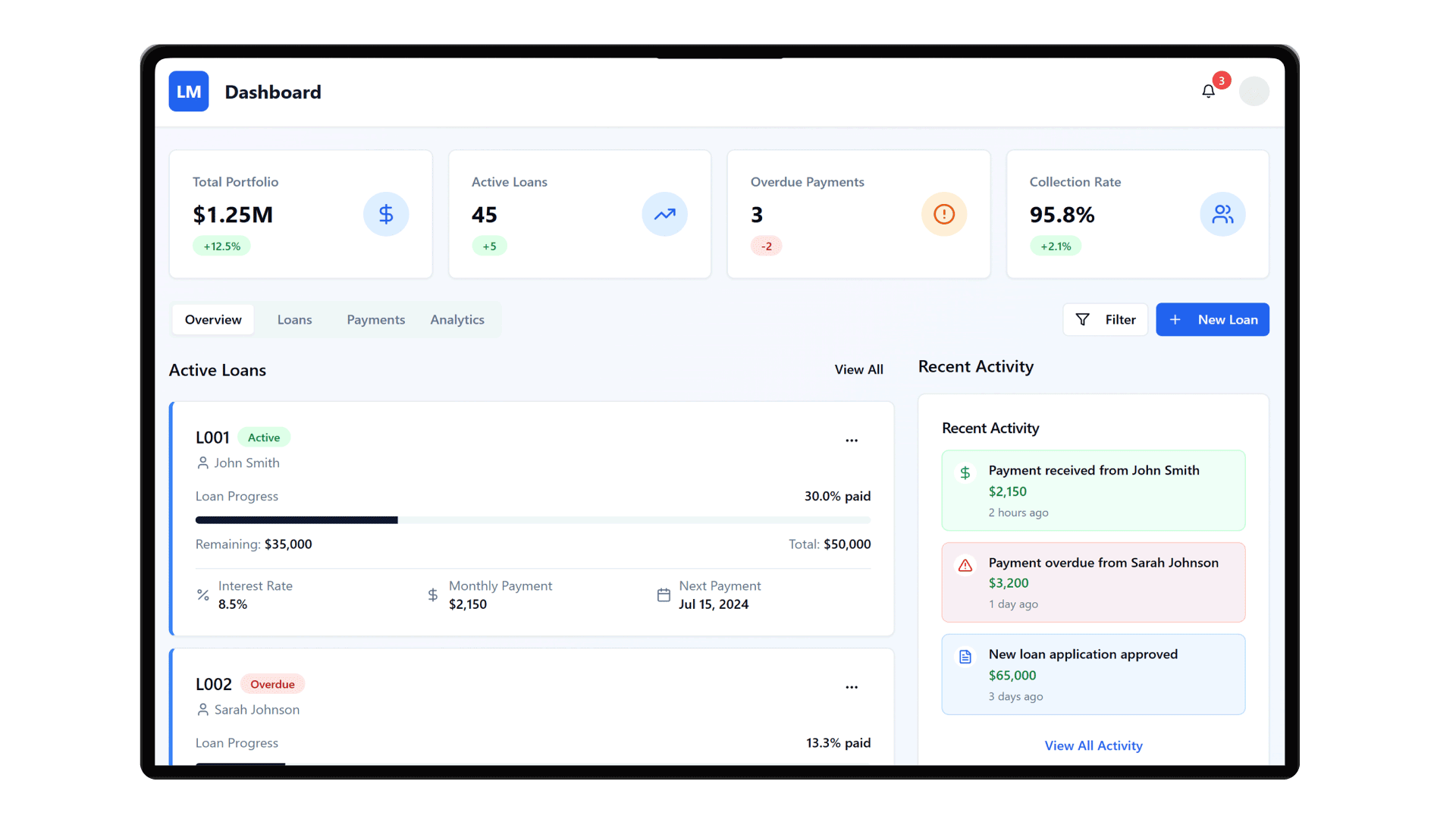
Display funded loans, outstanding commitments, repayment activity, and portfolio information to authorized lenders.

Repayment Distribution
Track incoming repayments and coordinate allocation records according to agreed loan terms and platform rules.
Connect the Marketplace to Financial Systems
A P2P marketplace depends on reliable identity checks, payment processing, and transaction records

Identity Verification
Connect supported verification services to validate borrower and lender information during onboarding.

Payment Processing
Integrate compatible payment providers for funding transfers, repayment collection, and transaction status updates.

Risk Data
Connect suitable credit information services to support lender assessment and configured eligibility workflows.
Transaction Auditing
Maintain relevant activity records for funding commitments, account changes, repayment events, and administrative actions.
P2P Lending for Different Marketplace Models

Consumer Lending Marketplaces
Connect individual borrowers seeking personal loans with participating lenders through structured applications, loan listings, funding records, and repayment tracking.

Small Business Funding
Help businesses submit financing requests while lenders review eligible opportunities and track their funding commitments.

Community Lending Networks
Coordinate lending among defined communities or member groups with controlled participation, transparent funding records, and repayment visibility.
From Marketplace Rules to a Working Platform
Start with how borrowers, lenders, and administrators interact, then configure the marketplace around those responsibilities.
 Separate participant responsibilities
- Make funding status transparent
- Apply defined allocation rules
- Maintain traceable transaction records
Define Marketplace Participation
Specify borrower and lender eligibility, onboarding requirements, loan listing rules, and administrator responsibilities.
Create Participant Experiences
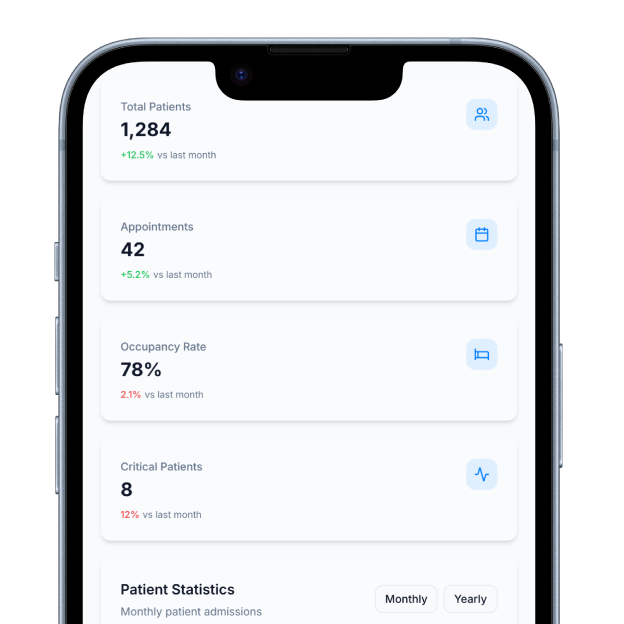
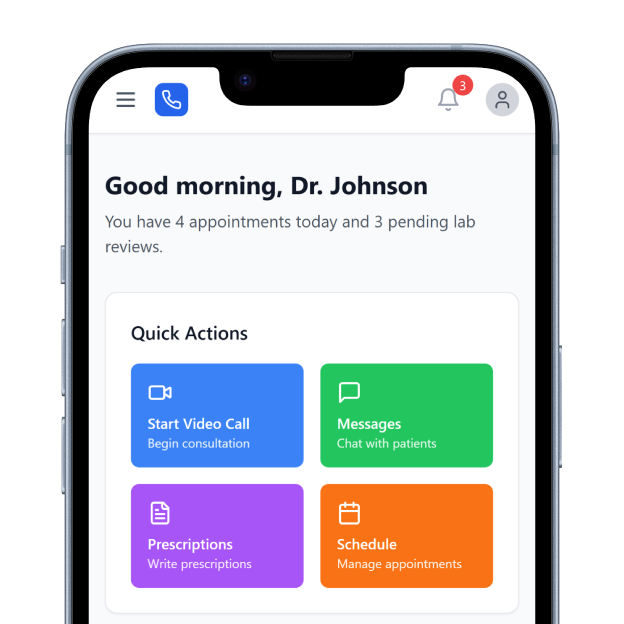
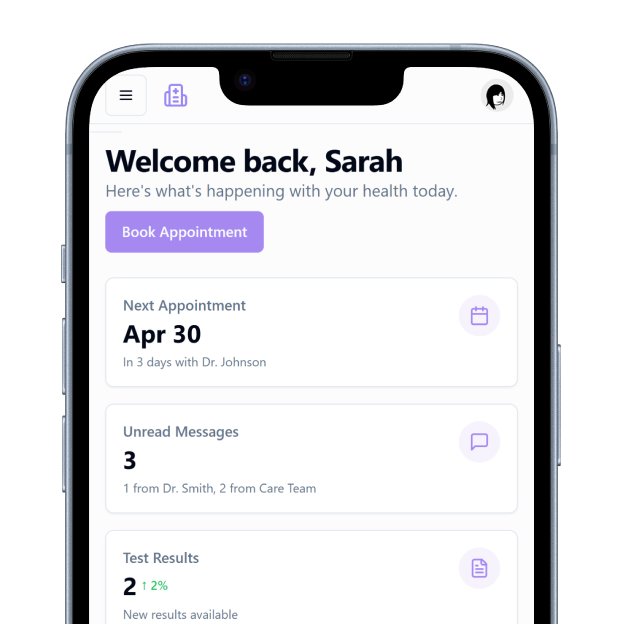
Use vibe coding and visual development to configure registration, borrower applications, lender dashboards, and administrative workspaces.
Configure Matching and Funding
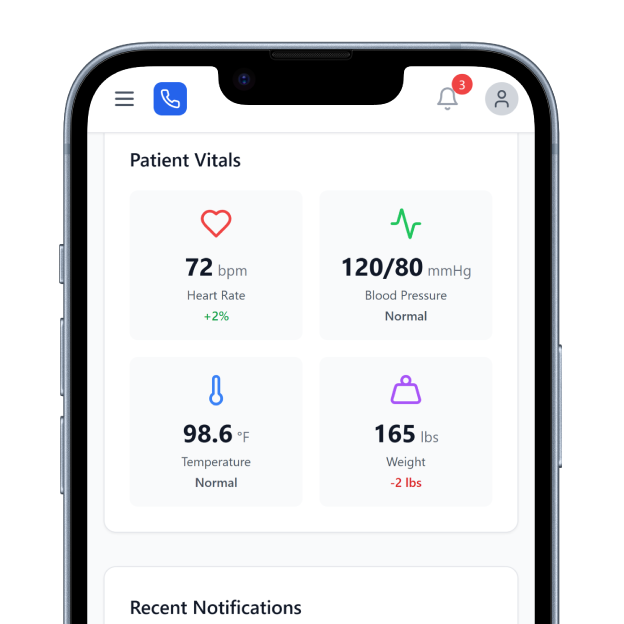
Implement supported matching criteria, funding allocation rules, transaction workflows, and relevant external integrations.
Validate Marketplace Operations
Test participant permissions, funding scenarios, transaction records, repayment workflows, and exception handling before deployment.
Protect Participant Data and Transaction Records
P2P lending applications can contain identity information, financial details, loan terms, and transaction histories. Appropriate encryption, authentication, role-based access controls, and audit logging help protect sensitive data and maintain accountability. DrapCode provides security and infrastructure capabilities for regulated application development. P2P lending obligations vary by jurisdiction and business model, so licensing, fund handling, disclosures, and other regulatory requirements must be assessed for each implementation.
Build the Marketplace Around Your Lending Model
P2P platforms differ in how they admit participants, present loan opportunities, allocate capital, and coordinate repayments. DrapCode combines AI-assisted development with visual configuration to help teams build applications around these marketplace-specific requirements. Teams can refine supported functionality, configure participant workflows, and connect compatible services as the marketplace evolves. This approach provides flexibility for developing custom lending marketplaces without relying entirely on fixed templates.
Frequently Asked Questions
What is a peer-to-peer lending platform?
Can I build a P2P lending platform using AI?
Can borrowers and lenders have separate dashboards?
Can a P2P platform automate lender matching and funding allocation?
What integrations does a P2P lending platform need?
Bring Your P2P Lending Model to Life
Build a custom marketplace around your borrower journey, lender participation, and funding workflows using AI-assisted and visual development.