Code Export for Application Ownership & Deployment Flexibility
Export complete application source structure for independent hosting, modification, and lifecycle control. DrapCode provides code export capabilities enabling organizations to move applications beyond managed environments when required.
Application Portability Model
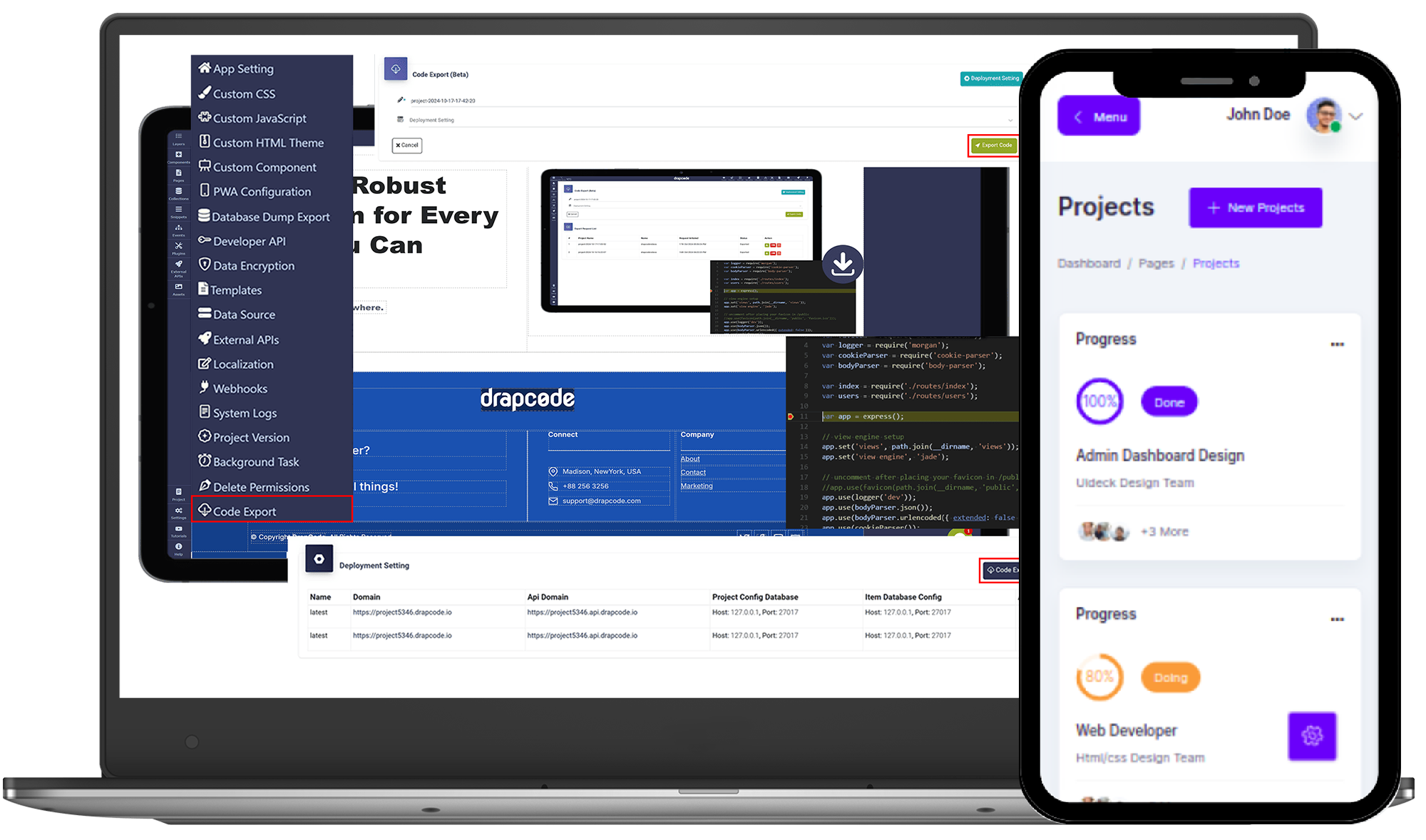
Code export allows businesses to extract structured application logic, database models, and workflow configurations into usable source files. Instead of being restricted to a hosted environment, organizations gain architectural independence and deployment flexibility. This model is valuable when long-term ownership, regulatory constraints, or infrastructure preferences require external control. Unlike closed platforms, code import/export flexibility ensures that applications can operate across diverse runtime ecosystems.
System Architecture Transfer
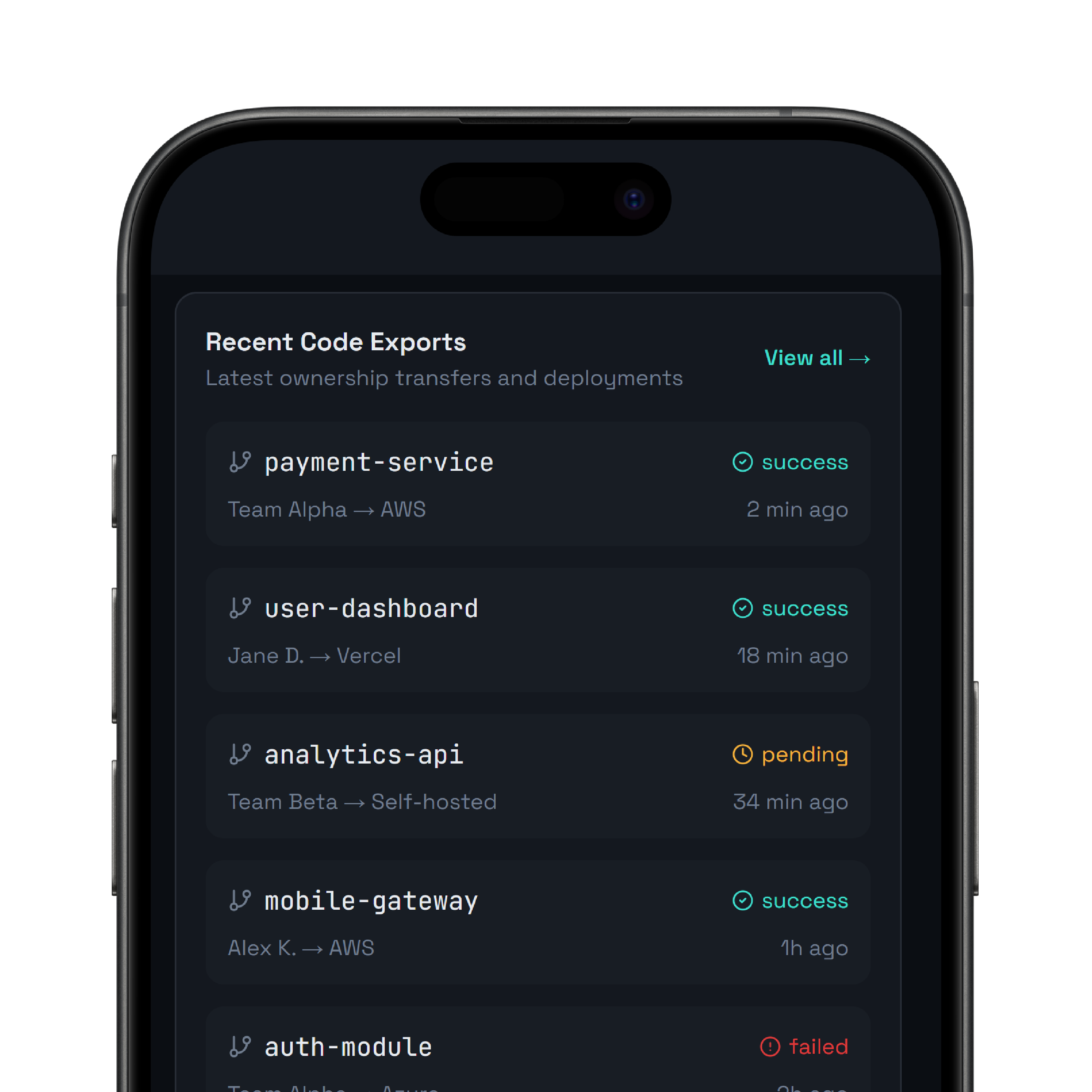
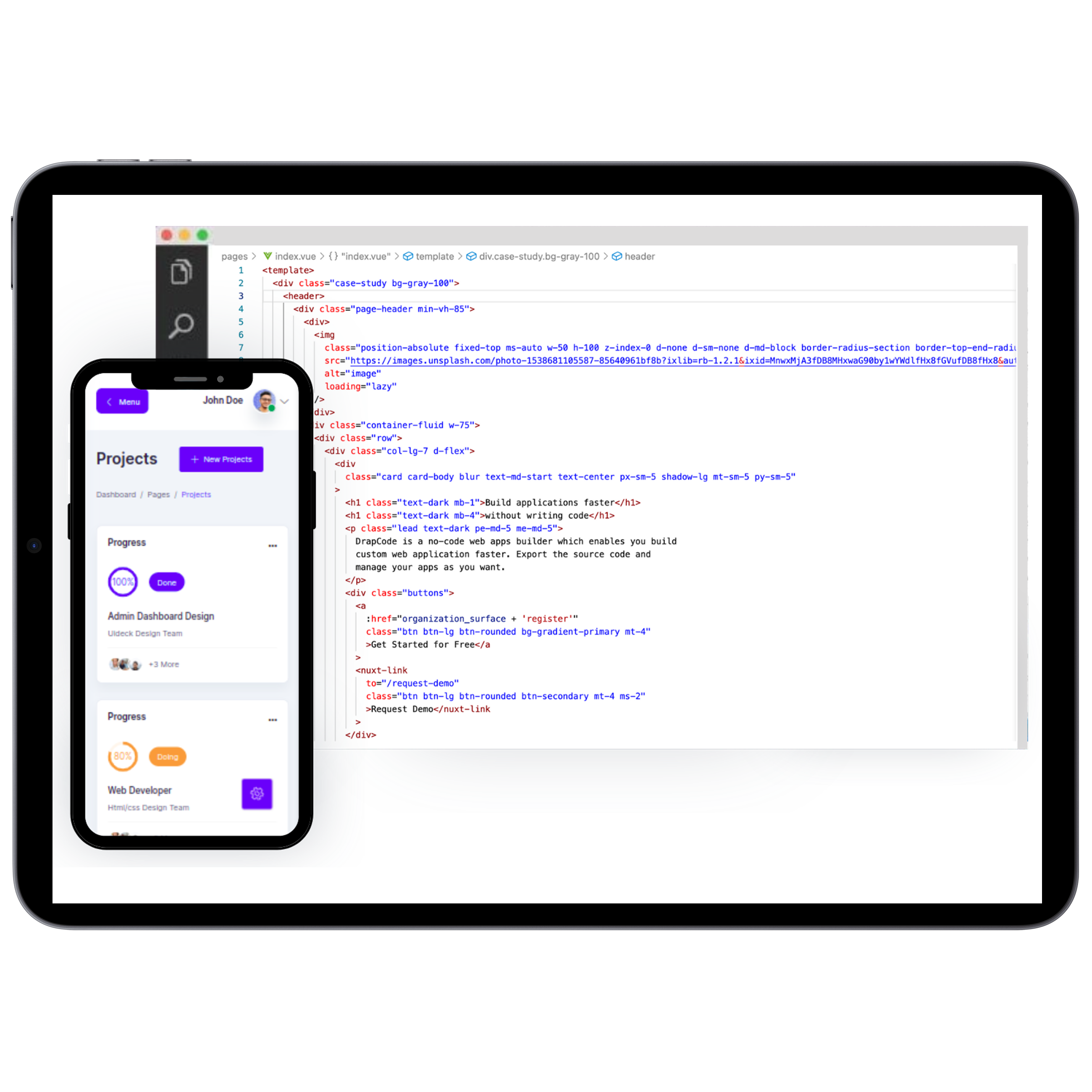
Exported applications preserve backend services, interface structures, and configured automation rules. The architecture remains consistent because workflows and data models are generated from a structured configuration. Teams building applications within theDrapCode Studio workspace can transition solutions as needed without losing thesystem structure. Exported systems may then operate on external infrastructure, such as a no-code cloud platform.
Code Export Capabilities
These features define how DrapCode supports export code functionality.

Complete Source Generation
Produce backend and frontend code reflecting configured workflows
Database Schema Export
Transfer structured relational models and entity relationships

API Service Replication
Generate endpoint logic for external deployment environments

Workflow Logic Preservation
Maintain automation sequences within the exported application structure

Environment Configuration Files
Provide runtime settings for independent hosting

Version Controlled Output
Enable structured source management after export


We partnered with DrapCode to develop our new Automated CRM using their low-code platform. Outstanding quality at half the price, unmatched speed, and excellent customer service.
Cal Goggans
Founder - A Custom Fit iNMotion



DrapCode stands out as the best. Flexible, scalable, and supported by an expert team. After 3 years on another tool, DrapCode is simply superior.
Cory Nation
President - Embark EMR

DrapCode is an easy-to-use no-code platform with a drag-and-drop interface, making it accessible for non-developers. The support team is highly responsive and dedicated to user success.
Joseph Young
President - Renew Hope And Healing
Platform Operational Capabilities
Operational controls ensure export reliability and structural consistency.

Structured Code Packaging
Deliver organized application components for external hosting

Dependency Documentation Support
Provide clarity on services and integration layers

Secure Transfer Handling
Protect exported application files during distribution
Architecture Consistency Validation
Verify system integrity before export completion
Implementation Scenarios

Enterprise Migration
Move applications to dedicated infrastructure environments. Maintain full architectural control and flexibility.

Regulatory Compliance
Deploy systems within region-specific hosting requirements. Support custom policies and infrastructure mandates.

Advanced Development
Extend application logic beyond platform boundaries. Modify system behavior through external engineering workflows.
Export Workflow
Applications transition from managed configuration to independent source control through structured steps.
 Prepare Configuration
- Generate Source
- Validate Output
- Transfer Deployment
Prepare Configuration
Finalize workflows and application structure
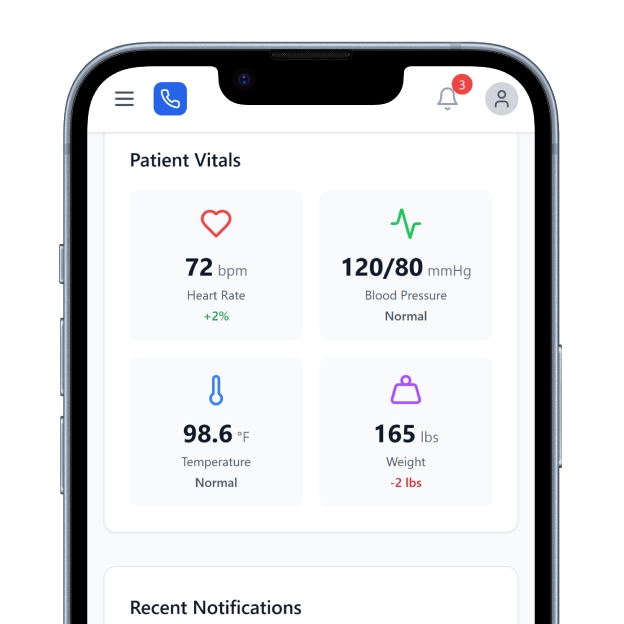
Generate Source
Produce backend and frontend components
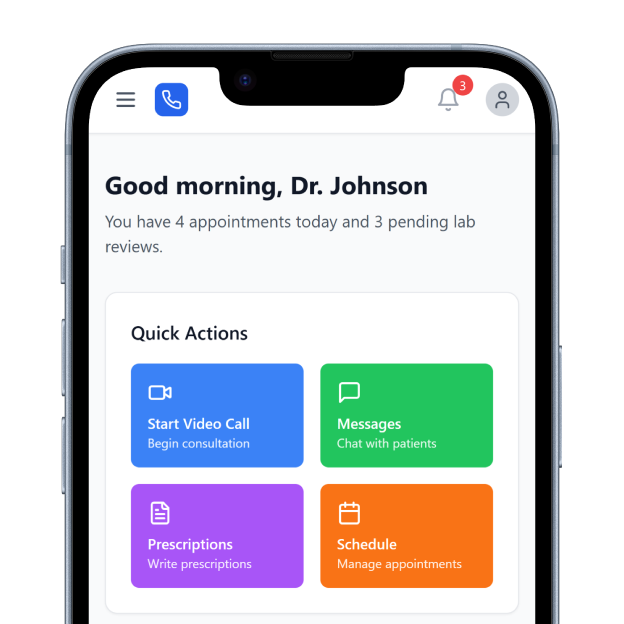
Validate Output
Review architecture and dependency mapping
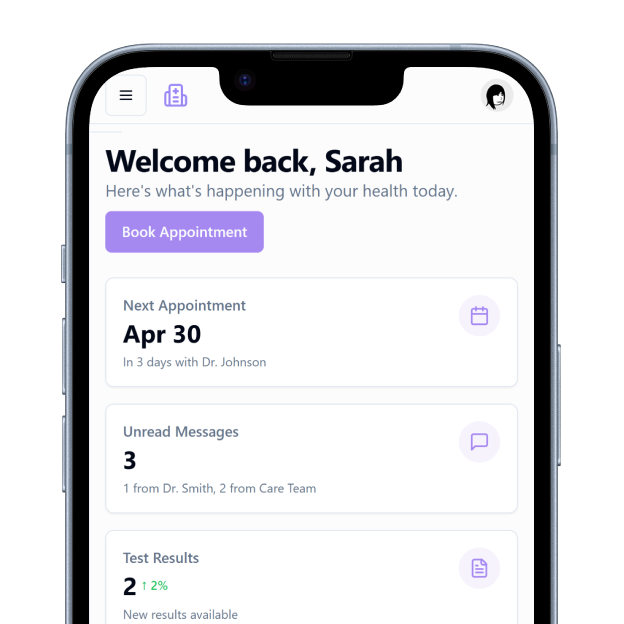
Transfer Deployment
Host application on chosen infrastructure
Structural Integrity
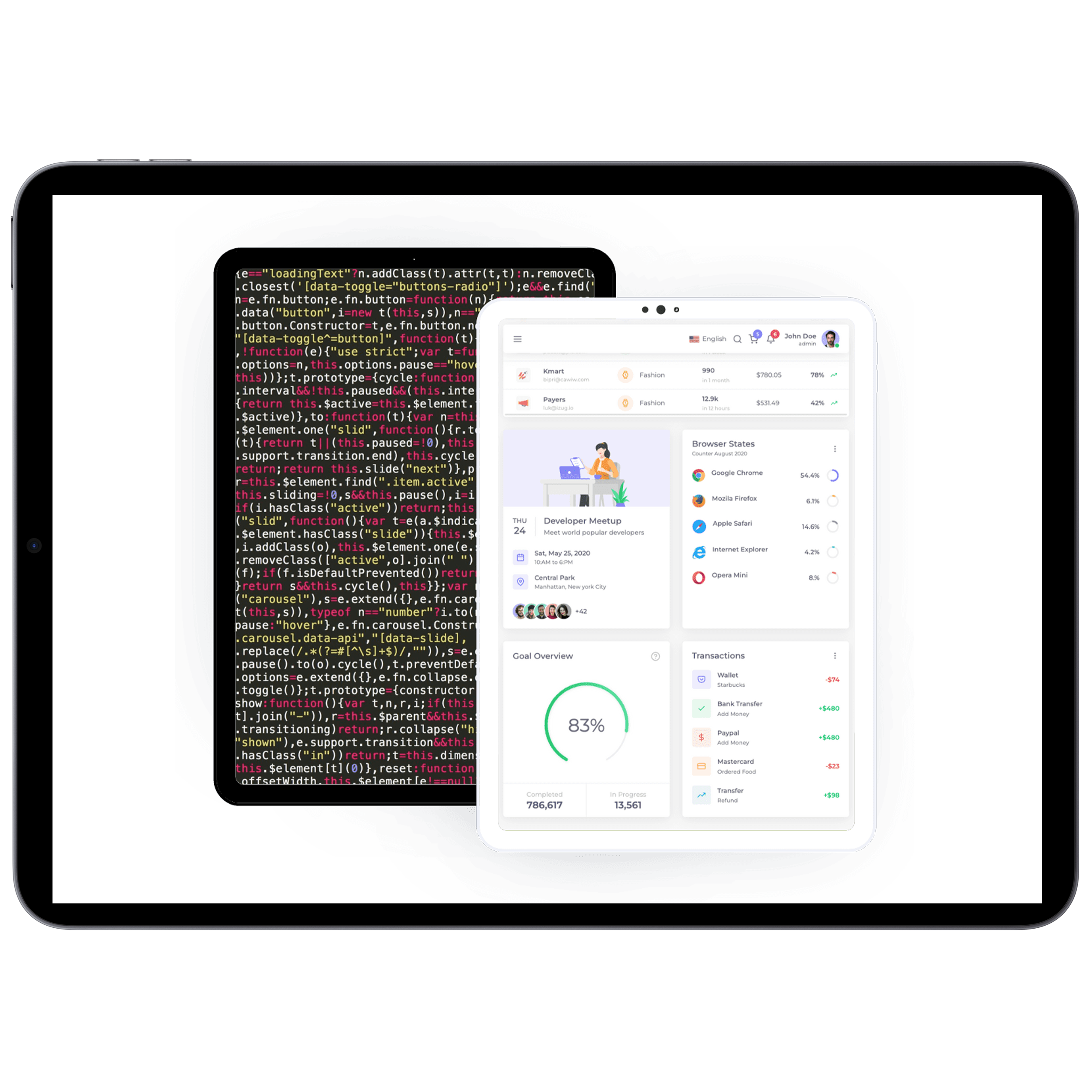
The DrapCode code export mechanism preserves execution logic, routing behavior, and database relationships. Exported applications maintain deterministic workflow behavior aligned with the original configuration. Organizations extending automation strategies through the broader AI platform ecosystem can retain flexibility in deployment choices. Export capabilities ensure long-term architectural independence without compromising the integrity of the system design.
Deployment Independence
Exported systems can operate within private infrastructure, hybrid cloud models, or specialized hosting environments. Teams gain autonomy over runtime management, security configuration, and scaling strategies. Businesses often combine export flexibility with managed infrastructure, such as a no-code cloud platform environment , when hybrid deployment models are required. This approach balances platform efficiency with ownership and operational control.
Frequently Asked Questions
What does code export include?
Can exported code run independently?
Is the exported code customizable?
Does export affect workflow logic?
When should businesses use code export?
Get started with DrapCode to enable structured code export and long-term application ownership.
Experience the power of no-code development with DrapCode Studio. Build apps visually, collaborate seamlessly, and launch faster than ever.
Blogs & Insights
We'd love to share our knowledge with you. Get updates through our blogs & know what’s going on in the no-code world.