EHR Integration API Development
Build secure EHR integration APIs that enable reliable healthcare data exchange between clinical systems, patient applications, laboratories, billing platforms, and digital health services.
Connect Disconnected Systems
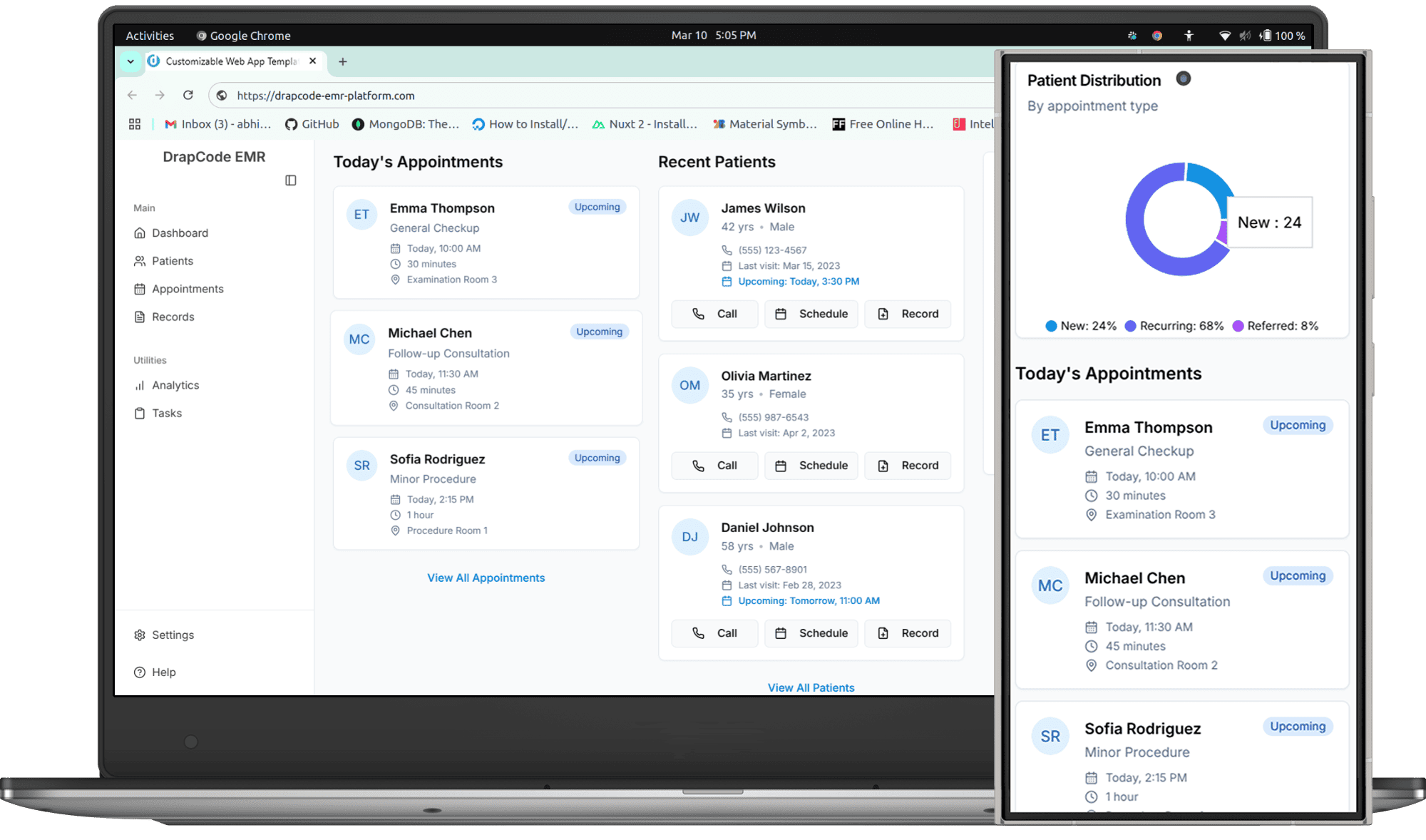
Healthcare organizations depend on multiple systems to manage clinical, administrative, and patient-facing operations. EHRs may need to exchange information with laboratories, telemedicine applications, billing systems, patient services, and specialized healthcare software. An EHR integration API creates a controlled communication layer between these systems. It allows applications to exchange relevant information without requiring every system to use the same technology or maintain duplicate records.
Make Healthcare Data Exchange Reliable
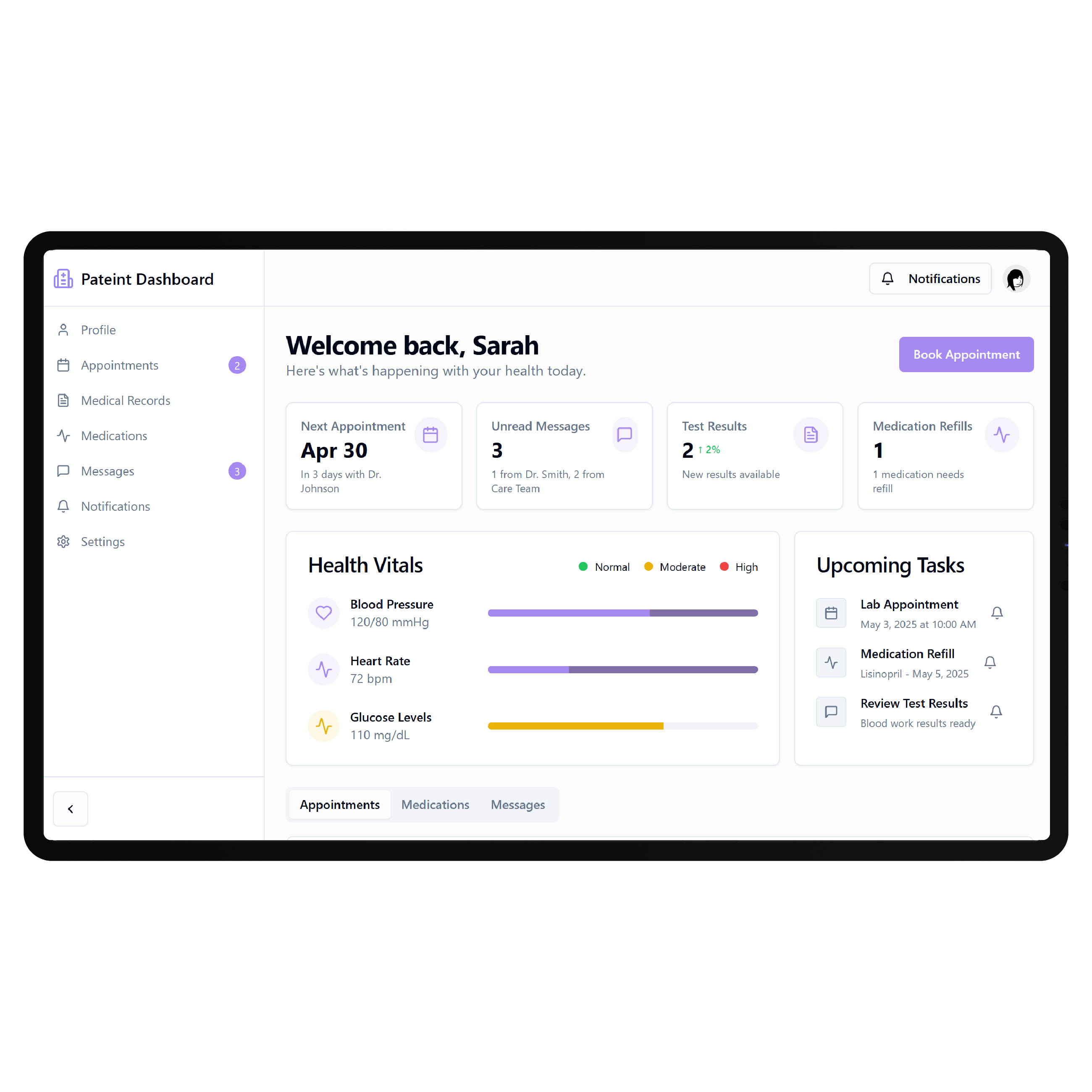
Interoperability involves more than transferring information between two endpoints. Healthcare integrations need to handle diverse data structures, authentication requirements, validation rules, system responses, and evolving integration needs. DrapCode provides a healthcare application development platform for building integration workflows around these requirements. APIs can be configured to move relevant information between healthcare applications while maintaining appropriate controls over sensitive clinical data.
Core Integration Capabilities
Build dependable integration services to exchange, transform, secure, and monitor healthcare information across connected systems.

FHIR Resource Exchange
Exchange structured patient, encounter, observation, medication, and other clinical resources through FHIR-compatible healthcare integrations.

Data Transformation
Convert healthcare information between different formats and structures required by connected applications and services.

API Authentication
Secure integration endpoints with authentication and authorization controls appropriate for sensitive healthcare data exchange.
Data Validation
Validate incoming and outgoing information against defined requirements before allowing it into connected healthcare workflows.

Integration Monitoring
Track API requests, responses, failures, processing activity, and integration performance across connected healthcare systems.

Error Management
Identify failed transactions, preserve relevant error information, and support reliable resolution of integration issues.
Technology Foundation
Establish an integration architecture designed for interoperability, secure data movement, system connectivity, and long-term scalability.

API Gateway
Manage healthcare API traffic through centralized routing, authentication, access policies, and integration management controls.

Data Mapping
Map healthcare fields and resources between systems with different structures, terminology, and information requirements.

Secure Transmission
Protect healthcare information during system-to-system communication through encryption and controlled transmission mechanisms.
Audit Monitoring
Maintain integration activity records to support operational visibility, troubleshooting, accountability, and compliance requirements.
Healthcare EHR Integration Use Cases

Virtual Care Connectivity
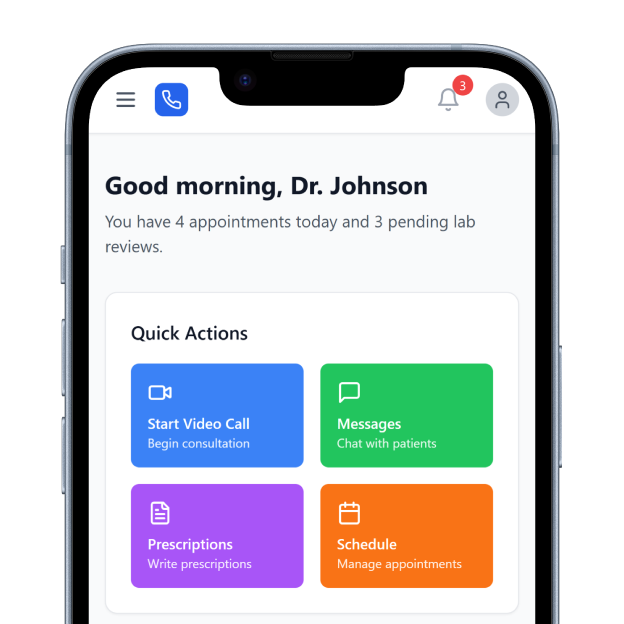
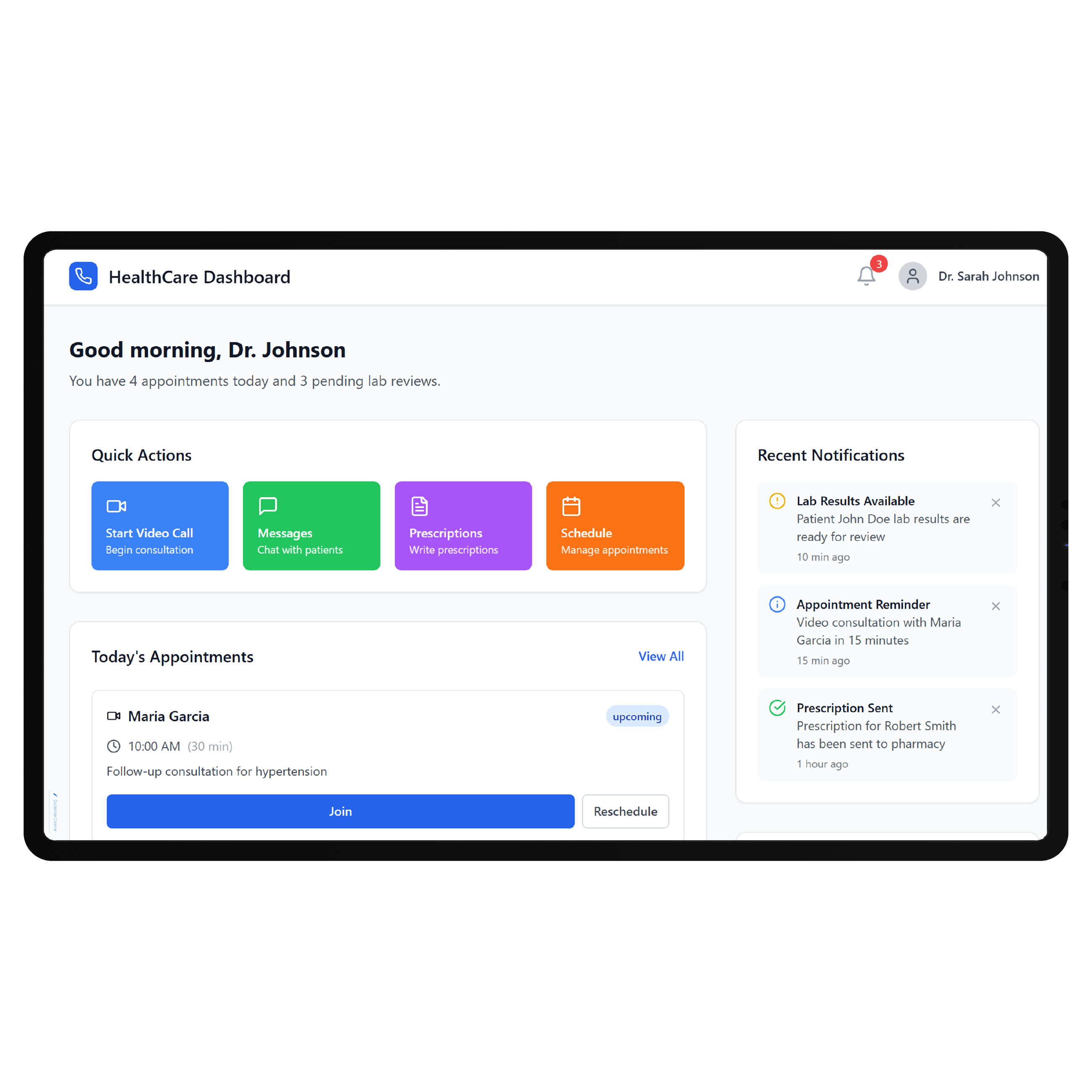
Connect EHR information with remote consultation workflows so relevant clinical information can support virtual care delivery. Telemedicine Platform can exchange appropriate patient, appointment, encounter, and consultation information across connected workflows.
Laboratory Data Exchange
Connect clinical systems to laboratory applications to transfer orders, results, patient identifiers, and diagnostic information across environments. Medical Lab Support Platform can help establish structured information flows between laboratory operations and clinical applications.

Revenue Cycle Integration
Clinical systems can exchange relevant patient, encounter, diagnosis, procedure, and service information with financial applications.
How It Works
Design the integration layer around your systems, data requirements, interoperability standards, security policies, and business workflows.
 Standards-based interoperability
- Secure information exchange
- Reliable system connectivity
- Controlled data access
Identify Systems
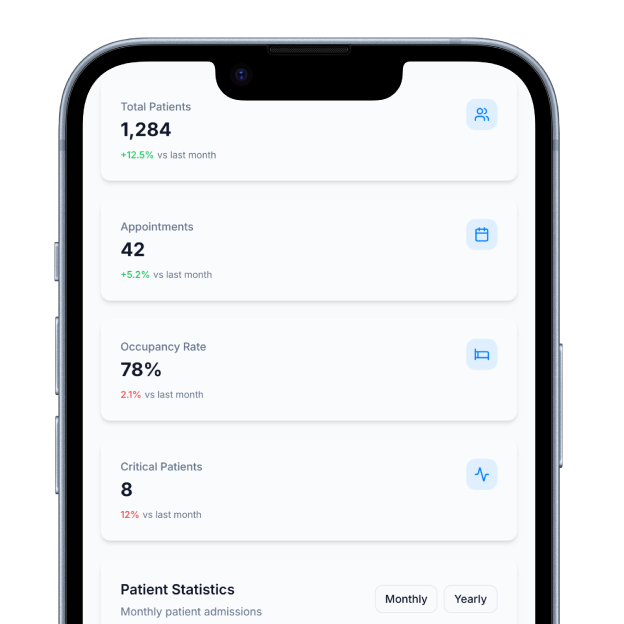
Determine which applications need to communicate and define the information each system needs to exchange.
Define Data Structures
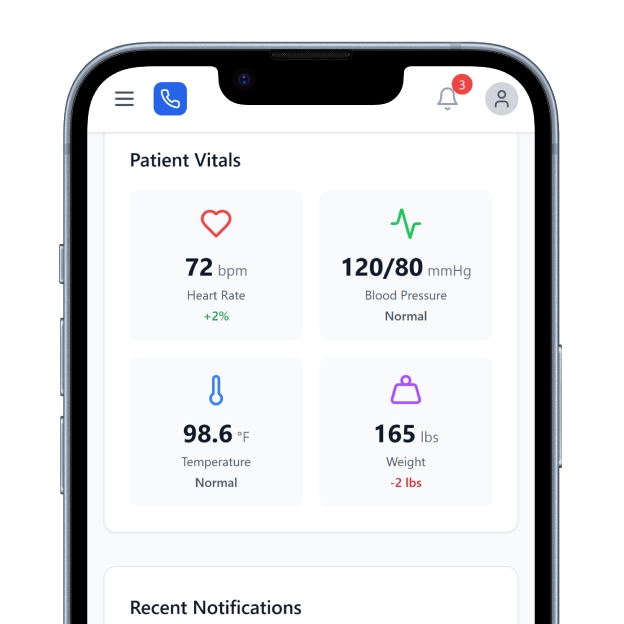
Map resources, fields, relationships, transformations, and validation requirements across each connected healthcare application.
Secure Connections
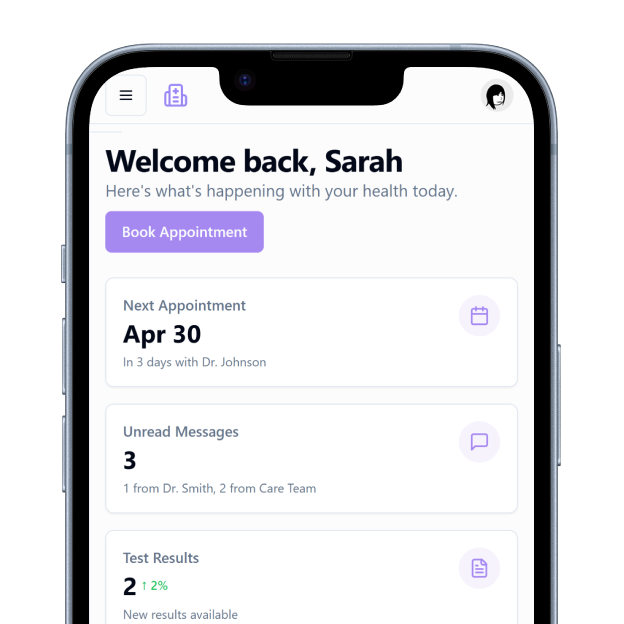
Configure authentication, authorization, encryption, access policies, and other controls protecting healthcare information.
Monitor Data Flows
Deploy integrations with logging, error handling, monitoring, performance visibility, and controlled version management.
Protect Healthcare Data
EHR integrations frequently process protected health information as it travels between multiple applications and services. Security, therefore, needs to extend beyond the EHR and cover every connection involved in data exchange. DrapCode supports HIPAA-compliant healthcare application development with encrypted data management, role-based access, authentication, and audit logging. Integration workflows can also be designed to exchange only the information required for a specific healthcare process.
Why Choose DrapCode
Healthcare organizations often need to connect existing systems rather than replace them. The right integration architecture allows organizations to extend their technology environment while preserving the applications and workflows teams already depend on. DrapCode is a healthcare application development platform designed for building secure healthcare software and interoperability workflows. It provides a foundation for connecting clinical applications, external services, and healthcare data while supporting the security and governance requirements of regulated environments.
Frequently Asked Questions
What is an EHR integration API?
Why do healthcare organizations need EHR integration APIs?
Can EHR integration APIs support FHIR?
What healthcare systems can connect with an EHR?
How can EHR integration APIs protect patient information?
Build Connected Healthcare Systems
Create secure EHR integration APIs that help your healthcare applications exchange the right information reliably across clinical and operational workflows.