Build Patient Portal on Athenahealth EHR with DrapCode
DrapCode builds custom patient portals around Athenahealth EHR workflows, giving practices a branded patient experience while working with supported athenaOne data and integration options.
Trusted by Healthcare Innovators
1,000+ organizations trust DrapCode to help healthcare teams launch secure & HIPAA-compliant applications.






Go Beyond athenaPatient
athenaOne already includes patient engagement tools through its Patient Portal and athenaPatient app. Patients can access health information, manage appointments, communicate with care teams, pay bills, and complete supported pre-visit activities. Your organization may still need a different experience for specific services, patient populations, or digital programs. DrapCode can build that front end without presenting it as a replacement for athenaOne’s existing patient tools.
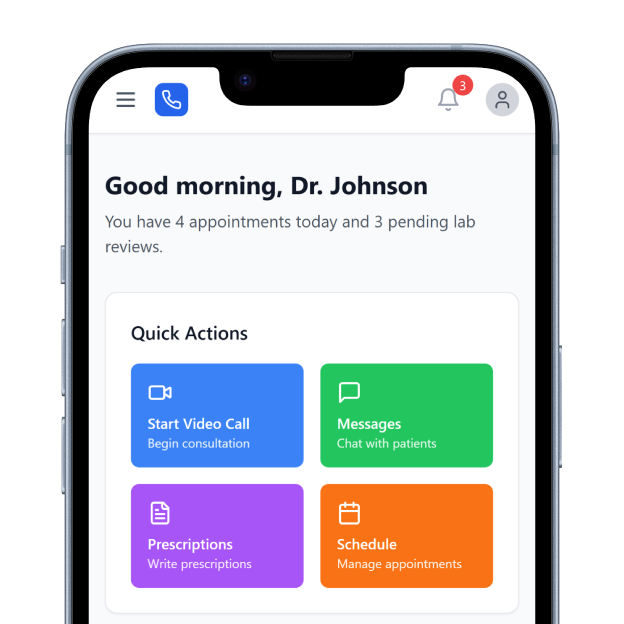
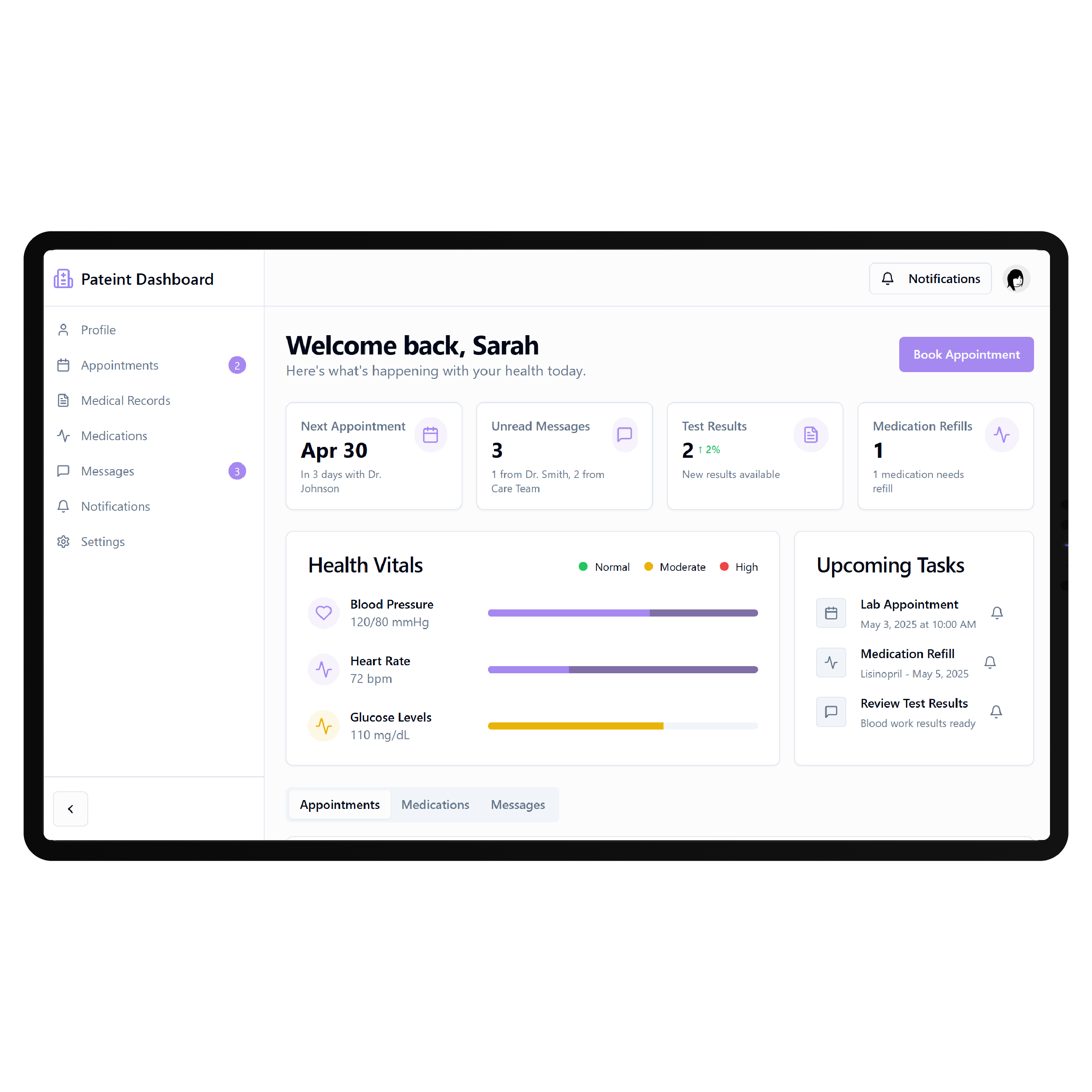
Plan Data Access
Athenahealth provides developer resources including APIs, FHIR, HL7, C-CDA, interfaces, and other interoperability options. Its developer resources state that more than 800 API endpoints are available across provider, patient, and biller workflows. The appropriate connection depends on what patients need to see or do. Certified FHIR access can have different limitations from other athenahealth APIs and interfaces, so the required endpoints, permissions, and access model should be confirmed before development.
Key Features Provided by Athenahealth EHR
athenaOne gives practices the records, scheduling, messaging, and payment foundation your patient portal builds on.

Records Access
Lets patients securely view health records, test results, visit summaries, and appointment information online.

Self-Scheduling
Allows patients to schedule and manage eligible appointments online when practices enable this capability.

Secure Messaging
Provides patients with a secure digital channel for communicating directly with their care teams.

Self Check-In
Enables patients to complete screeners, documentation, and consent tasks before arriving for appointments.

Online Payments
Provides digital payment options that simplify patient billing while reducing manual collection work for practices.

Virtual Visits
Connects patients with remote care through athenaTelehealth when the practice enables the service.
Where It Fits

Specialty Care
Shape patient journeys around specialty appointments, recurring visits, follow-ups, and service-specific information needs.

Multi-Location Practices
Create one consistent patient experience across locations while keeping navigation and services easier to understand.

Digital Care Programs
Give patients a dedicated entry point for programs extending beyond standard appointment-based practice interactions.
Key Features DrapCode Can Build in the Patient-Facing Front End
Create the patient experience around your organization while athenaOne remains the system of record.

Custom Dashboard
Organize permitted records, services, appointments, and next steps around your organization’s patient journey.

Guided Intake
Create practice-specific intake experiences beyond standard forms, similar to an EHR Your Way patient portal.

Care Navigation
Guide patients toward appropriate services, providers, resources, and actions through simpler digital pathways.

Program Access
Build dedicated front-end journeys for chronic care, specialty programs, remote services, or follow-ups.

Mobile Experience
Create responsive portal screens that keep essential patient workflows accessible across different screen sizes.
Branded Interface
Deliver an organization-specific experience while keeping supported Athenahealth workflows behind the patient-facing layer.
Choose the Connection
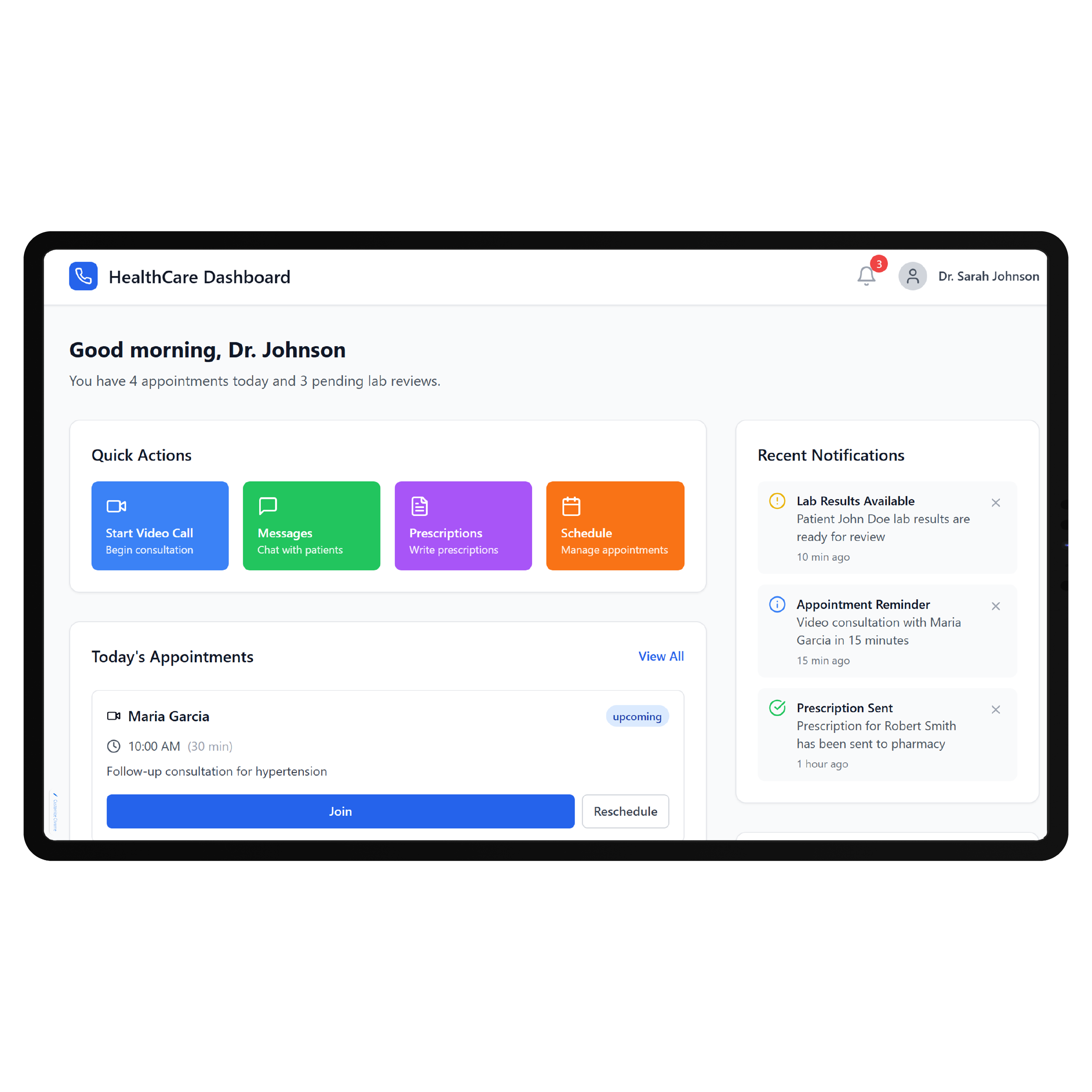
Not every portal function requires the same integration method. Athenahealth supports FHIR APIs alongside other APIs and interfaces, while its certified patient-facing FHIR APIs are intended for authorized access to electronic health information. DrapCode can determine what belongs in the front end and what requires Athenahealth connectivity, using the same system-specific planning needed for an Epic EHR patient portal. This prevents unsupported data exchange from being treated as an assumed feature.
Preserve Practice Flow
A custom portal should simplify the patient side without creating unnecessary work for clinicians and administrative teams. Existing athenaOne workflows can remain central while the front end addresses experiences unique to your organization. DrapCode can follow this approach when building across different EHR environments, including a Greenway Health EHR patient portal , with each implementation shaped around its own available interfaces and permissions.
Frequently Asked Questions
Does Athenahealth already have a patient portal?
Why build a custom portal if Athenahealth already provides one?
Does Athenahealth support APIs for third-party applications?
What can DrapCode build for an Athenahealth practice?
What determines Athenahealth integration feasibility?
Build Your Athenahealth Patient Experience
Tell DrapCode what your patients need beyond the standard portal, and we’ll map the front end and required Athenahealth integration.