Compliance-Ready Backend for AI Builders
Connect your AI development tools like Claude, Cursor, and more to DrapCode MCP and build healthcare applications on a secure, production-ready backend.
Use Your AI Tool
Keep building with the AI development environment you already use.


Connect your AI coding tool to a secure backend in minutes
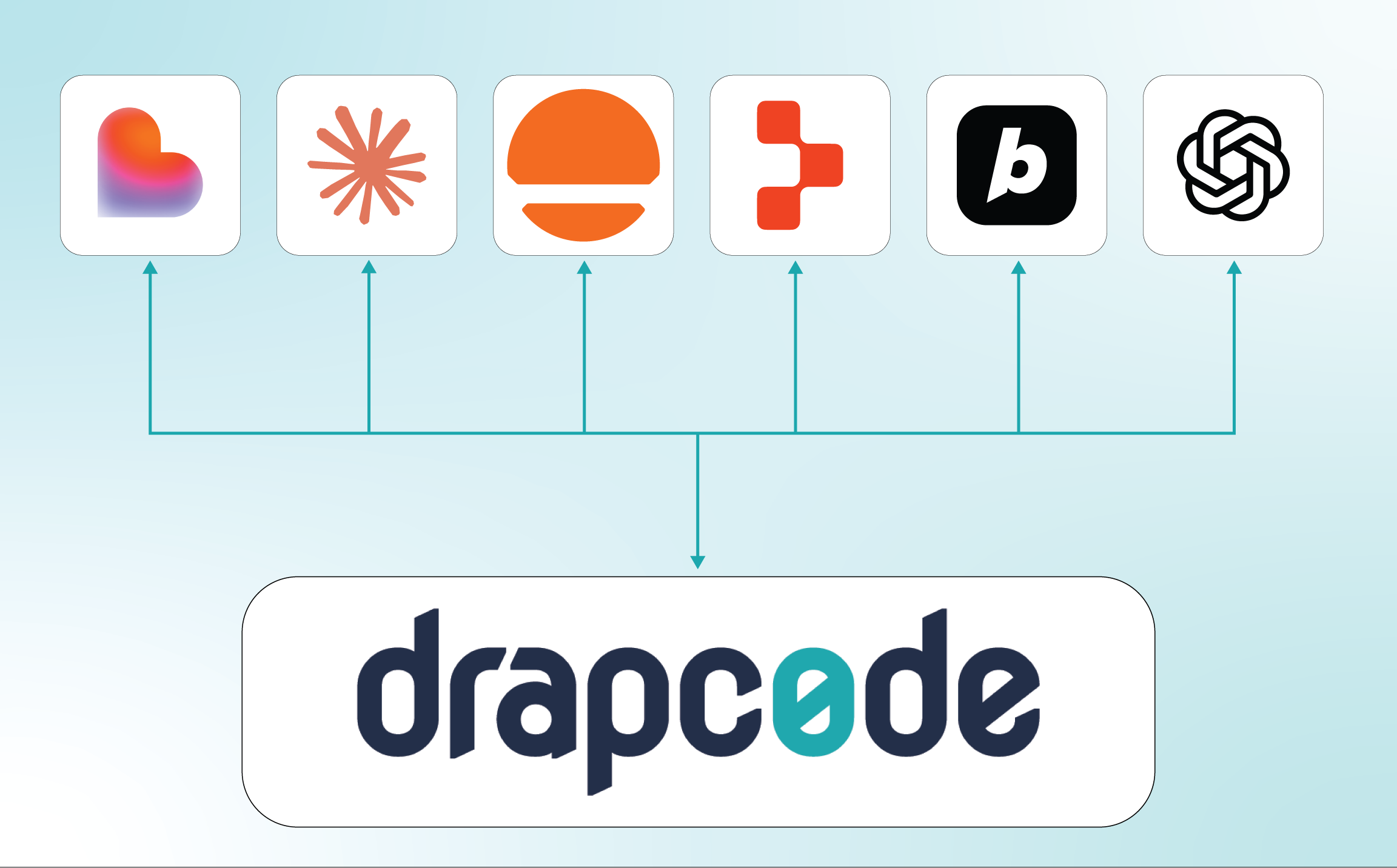
DrapCode works alongside Claude Code, Lovable, Base44, and other AI coding tools. You build the frontend, DrapCode handles everything behind it.
Step 1: Sign up for a DrapCode account
You'll need a DrapCode account to connect to your AI coding tool via MCP.
Step 2: Connect your AI tool to DrapCode's MCP Server
In your AI tool's MCP Server area, connect your DrapCode account by simply signing in with your DrapCode credentials.
Step 3: Start prompting!
Now you can start chatting in Lovable, Claude, Replit, OpenAI, or any other AI development tool to "use DrapCode as a backend," and it will create a new DrapCode app connected to your custom frontend.
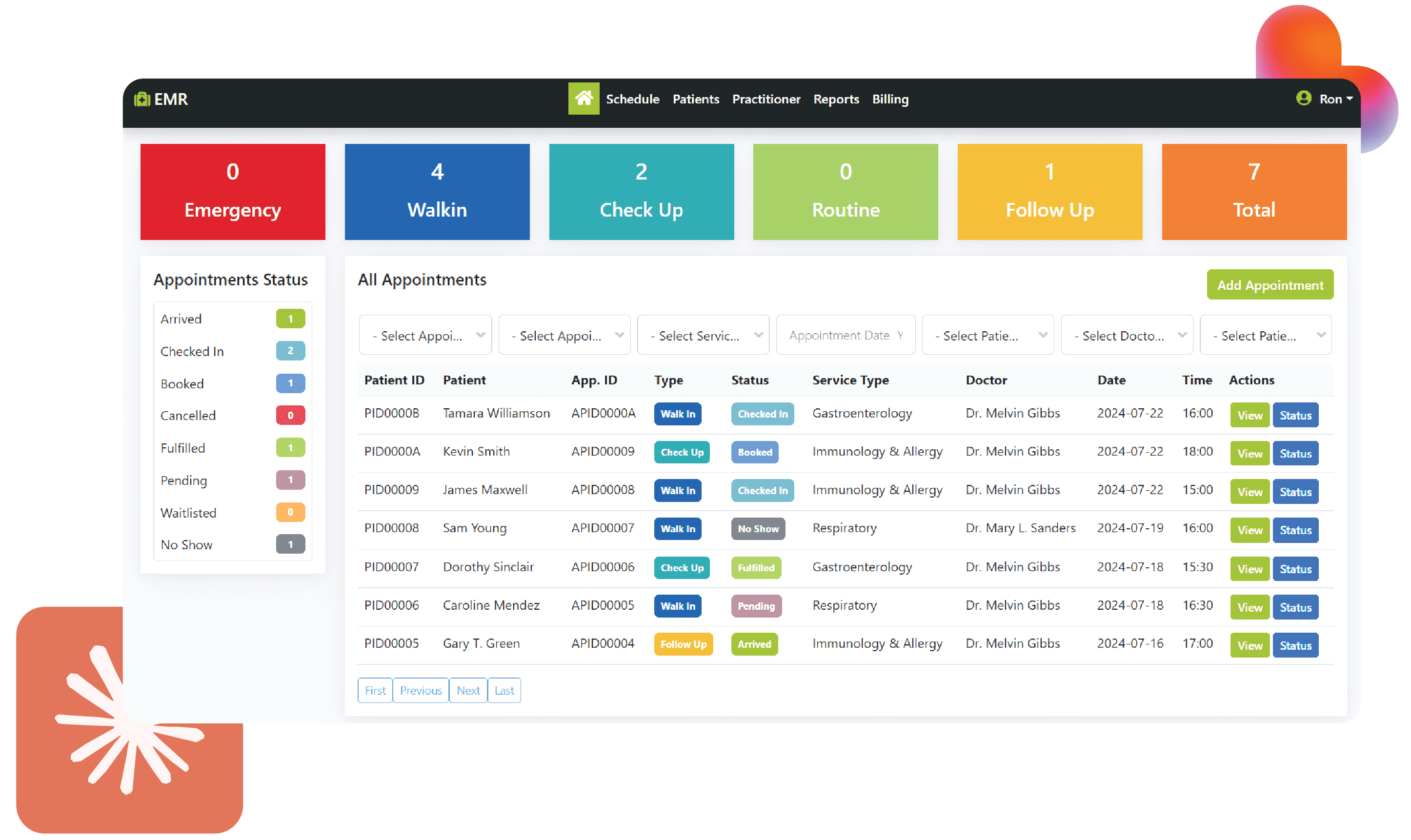
Backend for Healthcare
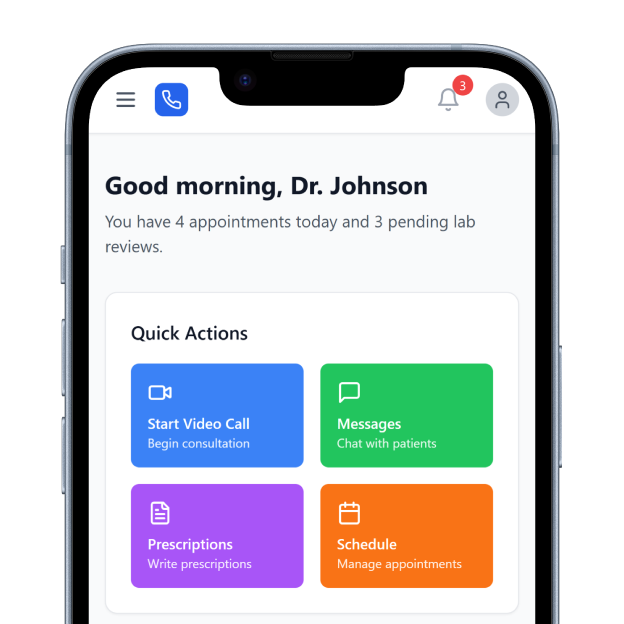
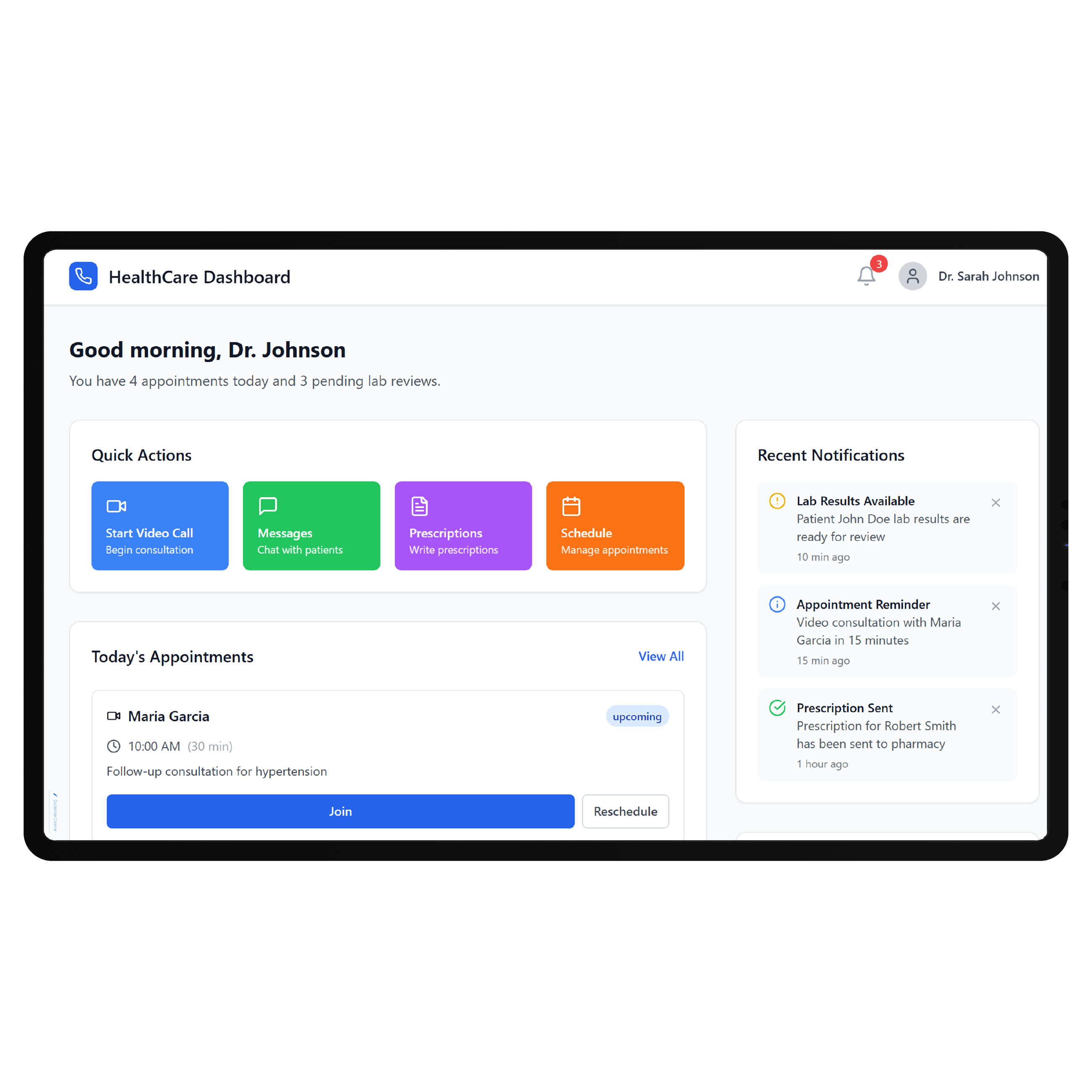
DrapCode provides the backend foundation to take AI-built healthcare applications beyond the prototype stage and prepare them for real-world deployment.

Secure Database
Store and manage application data using a structured backend built for production workloads.
APIs & Integrations
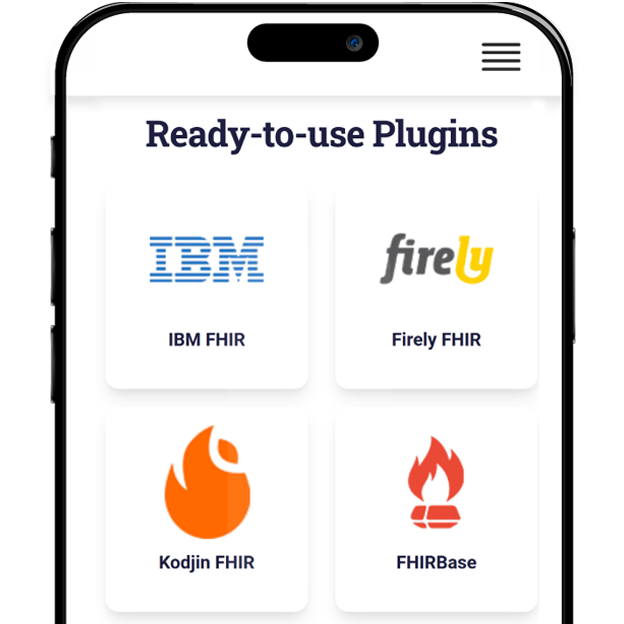
Connect healthcare systems, external APIs, databases, and third-party services your application requires.

User Permissions
Control access to patient, provider, administrative, and operational information through defined user roles.
Audit Logs
Maintain visibility into important user and data activity across your healthcare application.

Application Workflows
Run the backend logic required for approvals, notifications, data processing, and healthcare workflows.

Production Infrastructure
Deploy your application on secure infrastructure designed for healthcare and regulated workloads.
From Prototype to Healthcare Production
Building a working interface with an AI coding tool is only part of launching healthcare software. Production applications need a backend that can support protected data, user permissions, security controls, integrations, and operational requirements. DrapCode MCP gives your AI development environment access to DrapCode's backend capabilities, helping you connect what you build with the infrastructure required for a production healthcare application.
Built for Healthcare
DrapCode combines application development capabilities with healthcare-focused security, infrastructure, interoperability, and deployment support.
HIPAA Infrastructure
Run healthcare applications on infrastructure designed to support HIPAA security and data protection requirements.
BAA Support
Sign a Business Associate Agreement for applicable projects handling protected health information.
SOC 2 Type II
Use infrastructure and operational controls designed around established security and availability requirements.
ISO 27001
Support information security through internationally recognized security management practices and controls.
Role-Based Access
Control which users can access sensitive healthcare information based on their responsibilities.
Auditability
Maintain records of important application and user activity needed for accountability and security reviews.
What Is MCP?
Model Context Protocol (MCP) provides a standardized way for compatible AI applications and development tools to connect with external systems, tools, and data sources. With DrapCode MCP, your AI development environment can interact with the DrapCode capabilities made available through the MCP Server, reducing the gap between AI-generated development and your production backend.
Frequently Asked Questions
What is the DrapCode MCP Server?
Which AI development tools can connect with DrapCode MCP?
What can I build with DrapCode MCP?
Can I use DrapCode MCP for a healthcare application handling PHI?
Can I use DrapCode with an application I already built using an AI coding tool?
Connect Your AI Tool to a Healthcare Backend
Keep the development environment you prefer. Connect it to DrapCode through MCP and build the backend, security, integrations, and infrastructure required for healthcare production.