Launch Real Estate Crowdfunding Platforms without Heavy Engineering
Build and deploy secure, scalable, and customizable real estate crowdfunding platforms tailored for investors, agents, and developers with DrapCode.
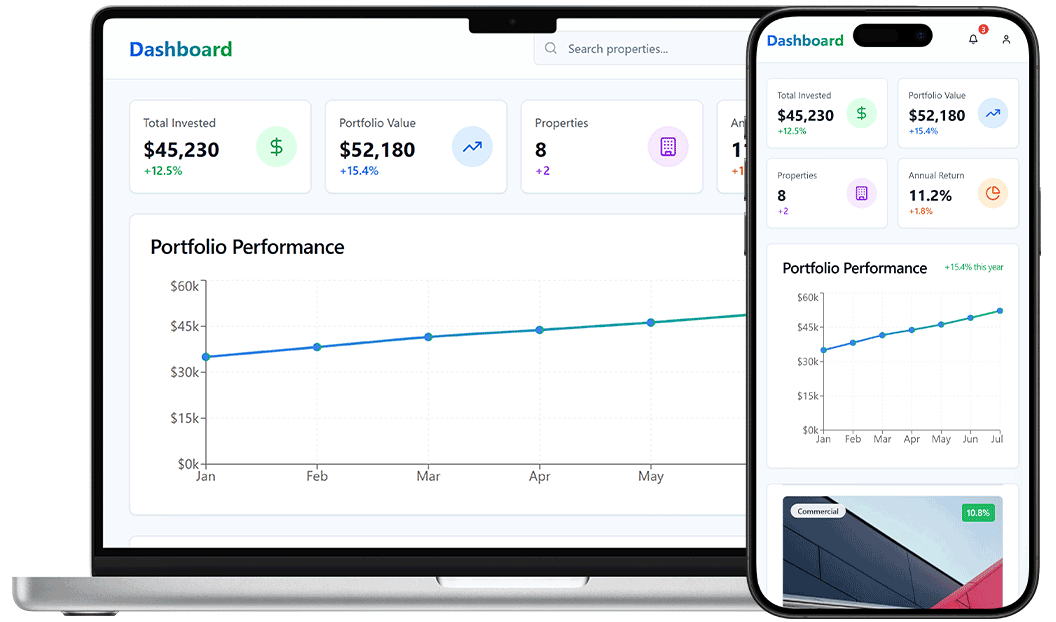
Investment Marketplace Model
Real estate crowdfunding platforms enable multiple investors to pool capital into property-backed opportunities. These systems manage investor onboarding, property listing workflows, and structured capital allocation. Because investments involve regulatory and financial oversight, platforms require robust governance, audit tracking, and capital-flow transparency. Manual coordination increases operational risk and reduces investor confidence.
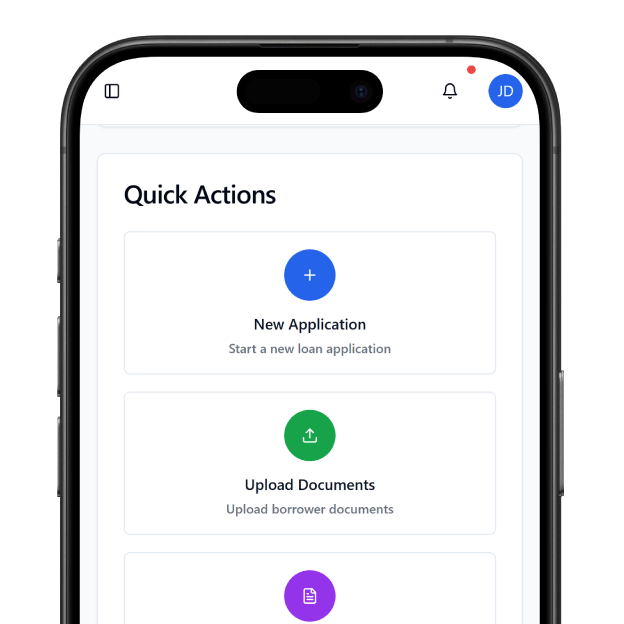
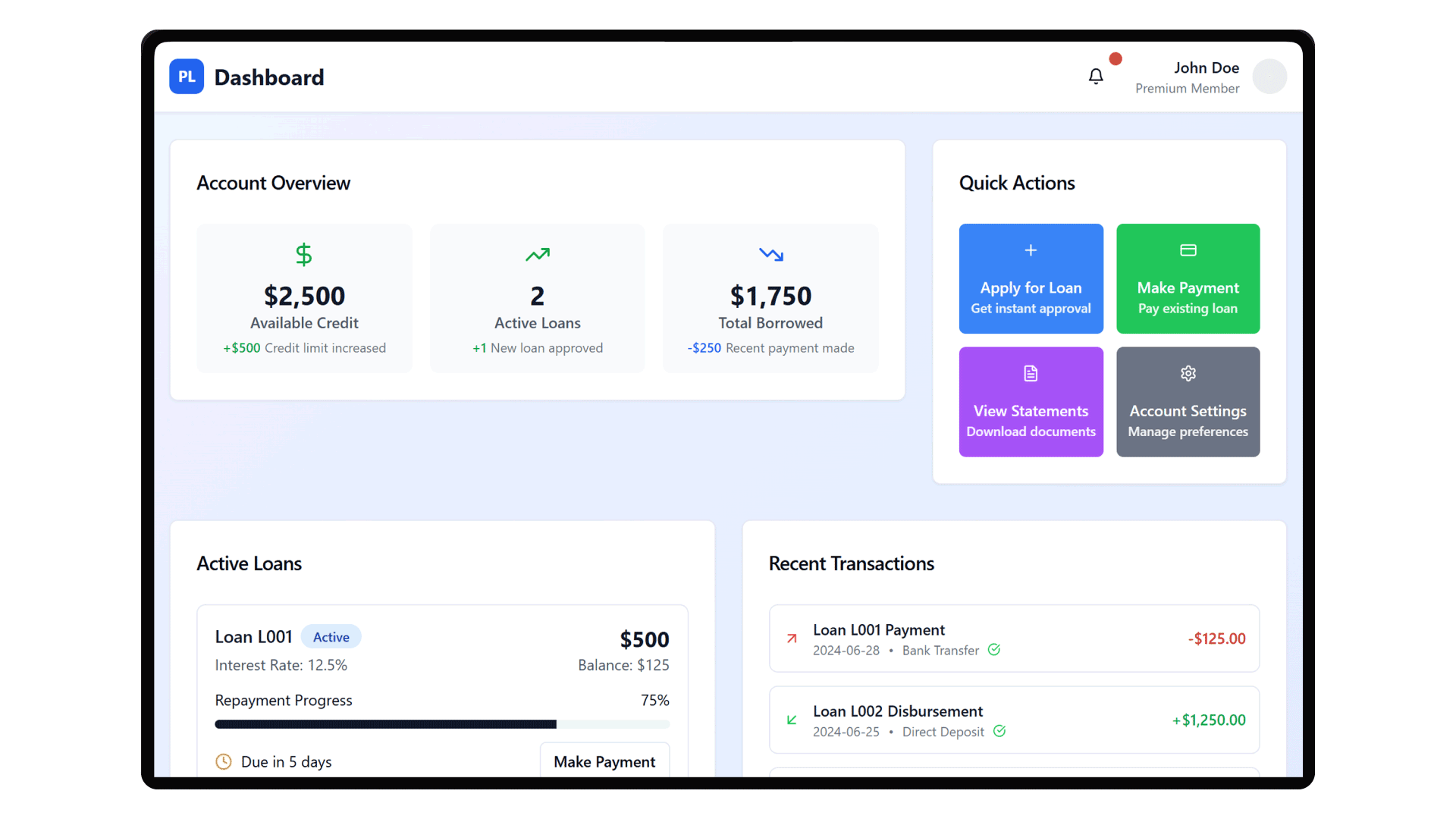
Platform Infrastructure
A no-code web app builder allows teams to configure investor profiles, property offerings, capital allocation rules, and payout workflows visually. This eliminates custom backend engineering while maintaining operational control. Crowdfunding systems frequently integrate structured funding logic and capital distribution workflows.These operations align with broader equity crowdfunding platforms that manage multi-investor financing environments.
Core Crowdfunding Capabilities
These capabilities define what a production-ready real estate crowdfunding platform must support for regulated property investment operations.

Investor Onboarding Engine
Register, verify, and approve investor profiles securely online.

Property Listing Management
Publish investment opportunities with structured documentation workflows.

Capital Pool Allocation Logic
Automatically distribute investor funds across property projects.

Return Distribution Tracking
Calculate dividends and manage payout schedules accurately.

Performance Reporting Dashboards
Visualize portfolio returns and investment metrics securely.

Compliance & Audit Logging
Record transactions and investor activities for governance.


We partnered with DrapCode to develop our new Automated CRM using their low-code platform. Outstanding quality at half the price, unmatched speed, and excellent customer service.
Cal Goggans
Founder - A Custom Fit iNMotion



DrapCode stands out as the best. Flexible, scalable, and supported by an expert team. After 3 years on another tool, DrapCode is simply superior.
Cory Nation
President - Embark EMR


DrapCode is an easy-to-use no-code platform with a drag-and-drop interface, making it accessible for non-developers. The support team is highly responsive and dedicated to user success.
Joseph Young
President - Renew Hope And Healing
Governance & Control Framework
These controls ensure the platform remains secure, compliant, and scalable for property investment ecosystems.

Role-Based Access Controls
Configure investor, sponsor, and admin permissions securely.

Workflow Automation Tools
Automate funding approvals and distribution triggers reliably.

API Connectivity Layer
Integrate payment systems and financial verification services.
Scalable Infrastructure Backbone
Support large investor volumes without performance issues.
Use Case Applications

Fractional Property Investment
Enable multiple investors to fund single real estate projects.

Commercial Real Estate Funding
Structure pooled capital for larger property developments.

Retail Investor Access
Open property-backed investments to broader audiences securely.
How It Works
 Configure Investor Profiles
- List Investment Opportunities
- Allocate Capital Automatically
- Track Returns Transparently
Configure Investor Profiles
Define onboarding and verification workflows.

List Investment Opportunities
Publish property offerings with documentation securely.

Allocate Capital Automatically
Distribute pooled funds based on predefined rules.

Track Returns Transparently
Monitor dividends and payout schedules clearly.

Regulatory Compliance
Real estate crowdfunding platforms must enforce strict identity verification, transaction logging, and capital audit tracking. These controls protect investors and ensure financial transparency. Structured documentation management reduces operational risk and supports regulatory oversight in property financing ecosystems.
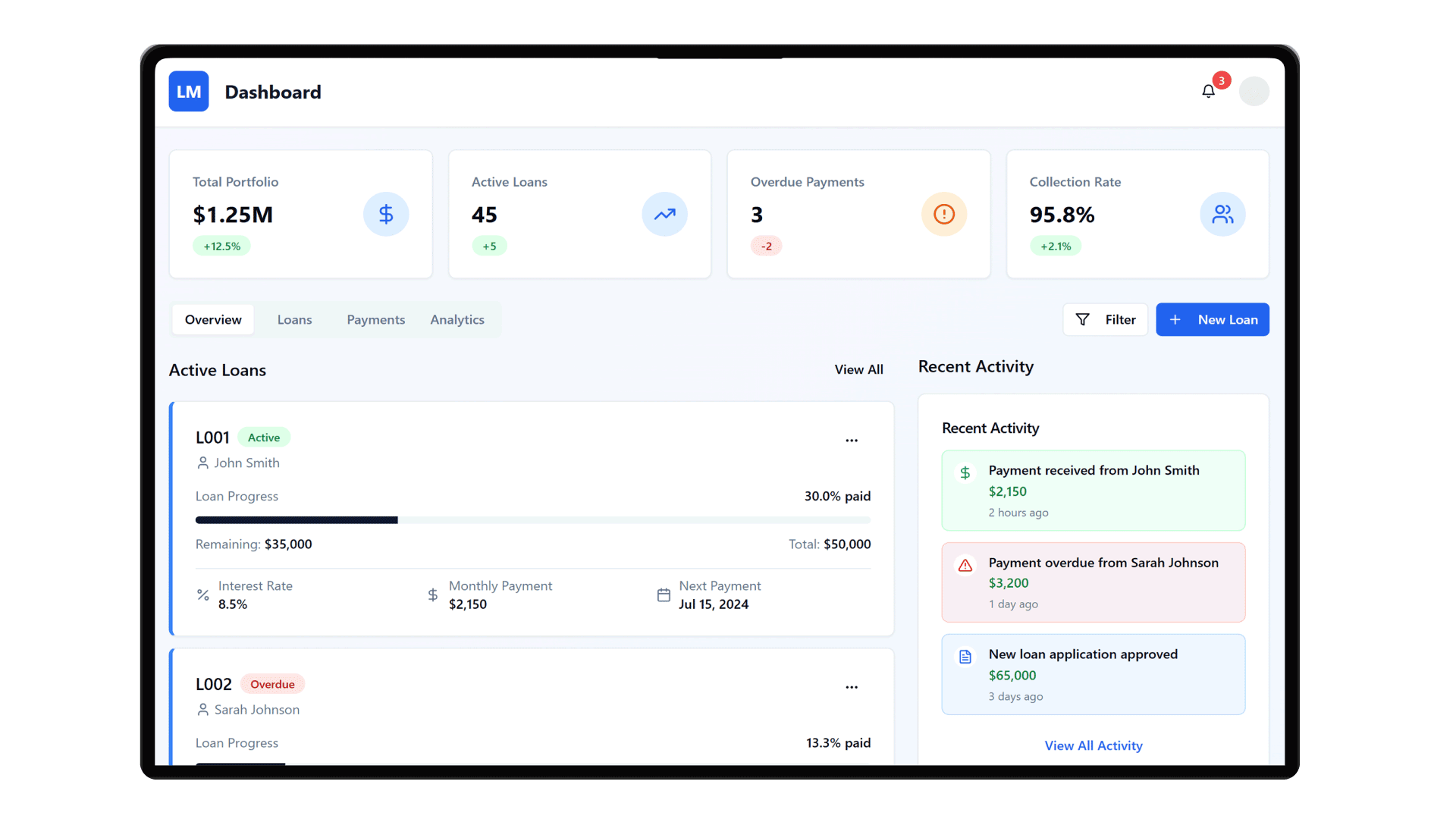
Capital Ecosystem Expansion
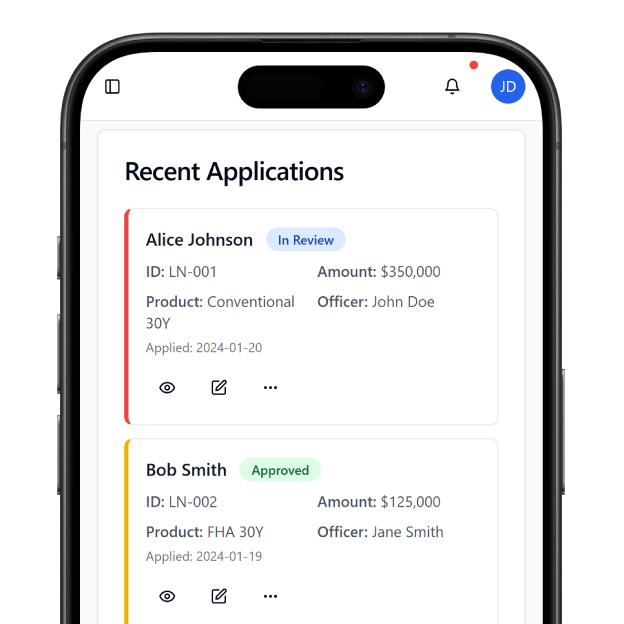
Crowdfunding models often expand into broader structured financing systems. These investment networks integrate with mortgage lending platforms to manage property-backed credit. Additionally, property development funding frequently intersects with business liquidity workflows supported by commercial lending software.
Frequently Asked Questions
What is a real estate crowdfunding platform?
How are investor returns distributed?
Can crowdfunding platforms be compliant?
Do these platforms support fractional investments?
Can real estate crowdfunding integrate mortgage workflows?
Get started with DrapCode to build secure real estate crowdfunding platforms using a structured no-code web app builder.
Use a structured no-code web app builder to configure investor onboarding, capital allocation, and payout automation for production-ready property investment systems.