Cloud-Based EMR Development
Develop HIPAA-compliant cloud-based EMR software that gives healthcare teams secure access to clinical records, workflows, and patient information across locations.
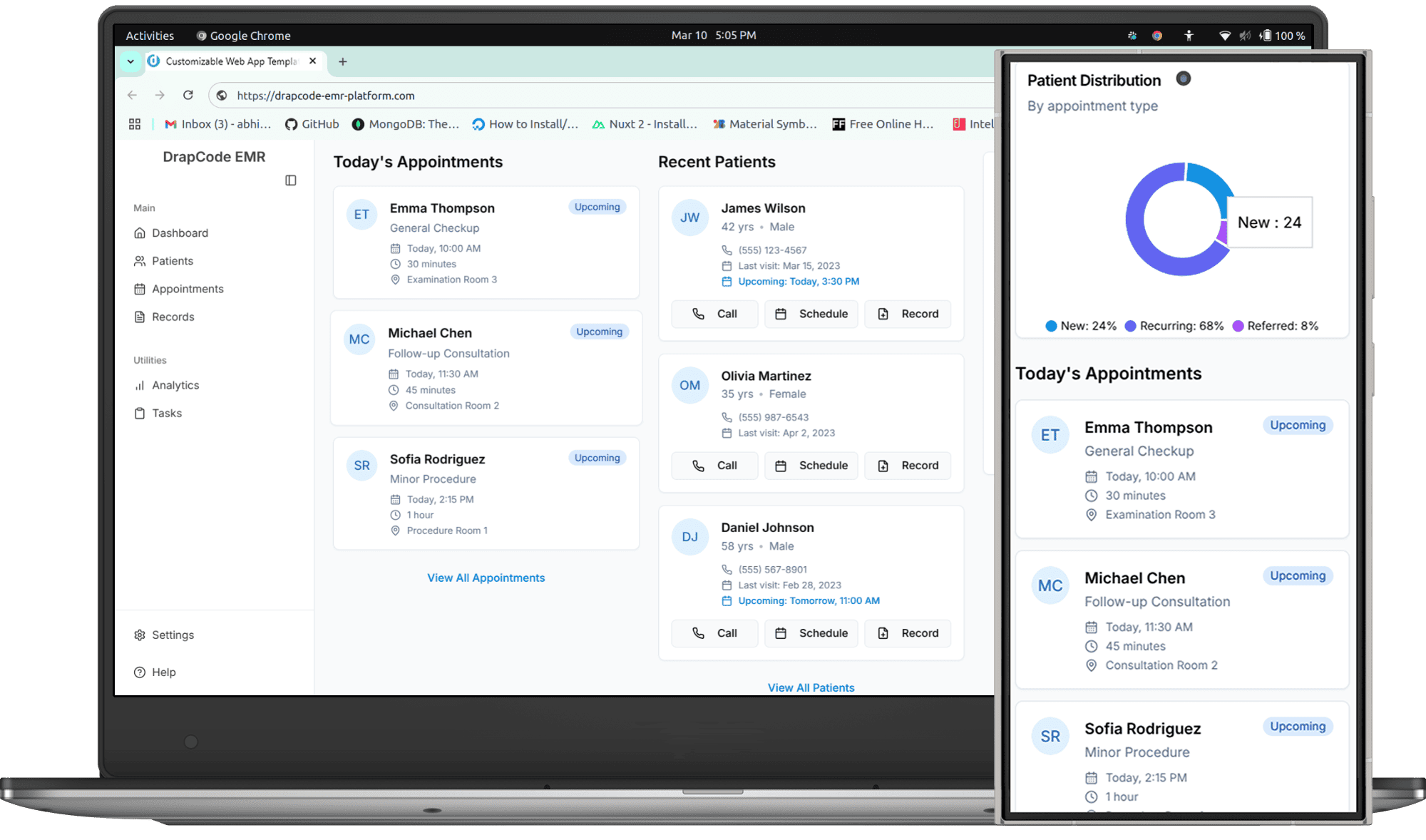
Move Clinical Records to the Cloud
Healthcare organizations increasingly operate across multiple locations, providers, and care settings. When clinical records depend on local infrastructure, accessing information across facilities can become difficult, and maintaining the underlying systems can add significant operational overhead. A cloud-based EMR provides a centralized environment for storing and managing clinical information. Authorized providers can access current records from supported locations while organizations gain a more flexible foundation for expanding services, users, and facilities.
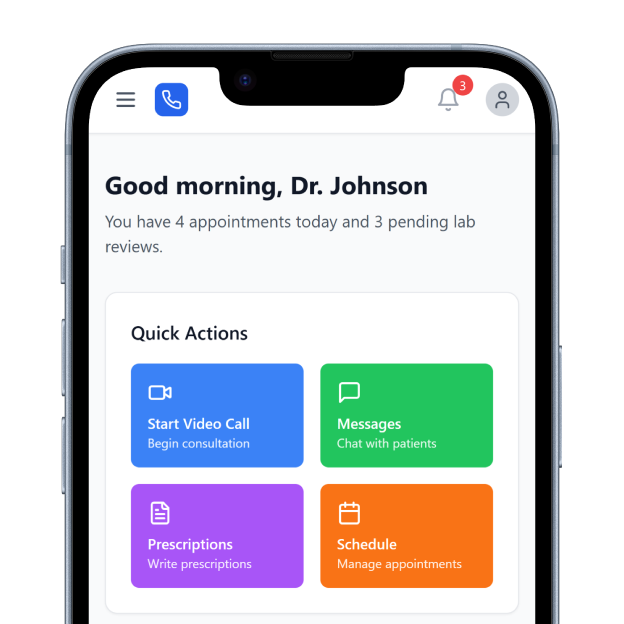
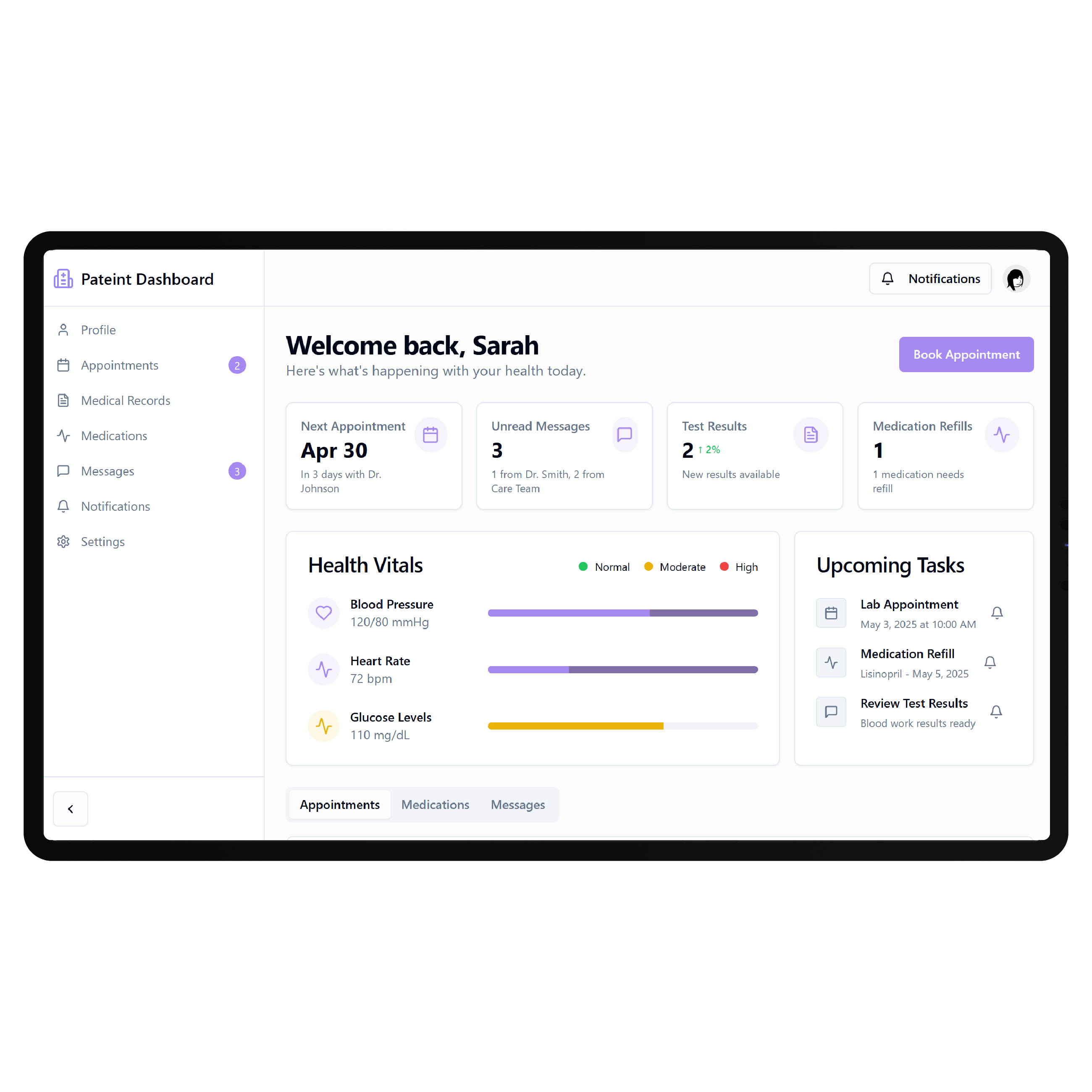
Give Care Teams Access Wherever They Work
Cloud architecture becomes especially valuable when healthcare teams work across clinics, hospitals, specialty centers, or remote care environments. Providers can work from connected locations without maintaining separate clinical databases for every facility. DrapCode helps healthcare organizations build cloud-based EMR applications around their operational and clinical requirements. For organizations supporting remote encounters, the EMR can also connect with a Telemedicine Platform to keep virtual consultations connected with broader clinical workflows.
What a Cloud EMR Should Handle
Support everyday clinical work with centralized records, reliable access, collaboration, and information management.

Centralized Patient Records
Maintain patient histories, encounters, diagnoses, medications, notes, and clinical information within centralized cloud infrastructure.

Anywhere Clinical Access
Give authorized healthcare professionals secure access to relevant patient information across connected locations.

Shared Care Information
Keep providers working from current clinical information when patients receive care across multiple teams.

Clinical Documentation
Capture assessments, progress notes, treatment plans, observations, and encounter information within structured workflows.

Record Availability
Make current patient information available to authorized users without relying on separate local record repositories.

Activity Tracking
Maintain visibility into record access, updates, changes, and other important clinical system activities.
The Cloud Foundation
Build an EMR architecture designed for secure access, system integration, resilience, and healthcare organizations that continue growing.

Cloud Data Management
Centralize clinical information within secure infrastructure while supporting controlled access and dependable information management.

Access & Identity
Manage authentication and permissions by provider, department, facility, role, and organizational policy.

System Interoperability
Connect clinical records with laboratories, scheduling, billing, patient applications, and other healthcare technologies.
Infrastructure Scalability
Support additional providers, locations, records, applications, and workloads without rebuilding the underlying clinical environment.
Cloud EMRs can also connect with a Healthcare Analytics Platform when organizations need broader visibility into clinical activity, utilization, and operational performance.
Where Cloud EMRs Create Value

Multi-Location Practices
Give providers across multiple clinics access to shared clinical information while maintaining appropriate permissions for each location and role.
Distributed Care Teams
Support clinicians working between facilities, specialty departments, home visits, and other connected care environments.

Growing Healthcare Organizations
Provide a centralized clinical foundation that can accommodate additional providers, locations, patient records, and connected healthcare services.
How It Comes Together
Build your cloud EMR around clinical requirements, organizational structure, integrations, security policies, and future expansion.
 Centralized clinical information
- Secure remote access
- Resilient cloud infrastructure
- Interoperable healthcare systems
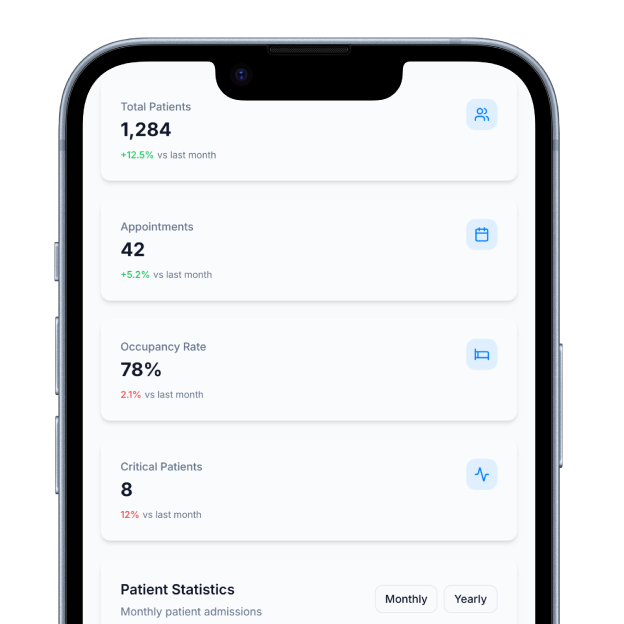
Define Clinical Requirements
Determine patient records, encounters, documentation, user roles, locations, workflows, integrations, and information access requirements.
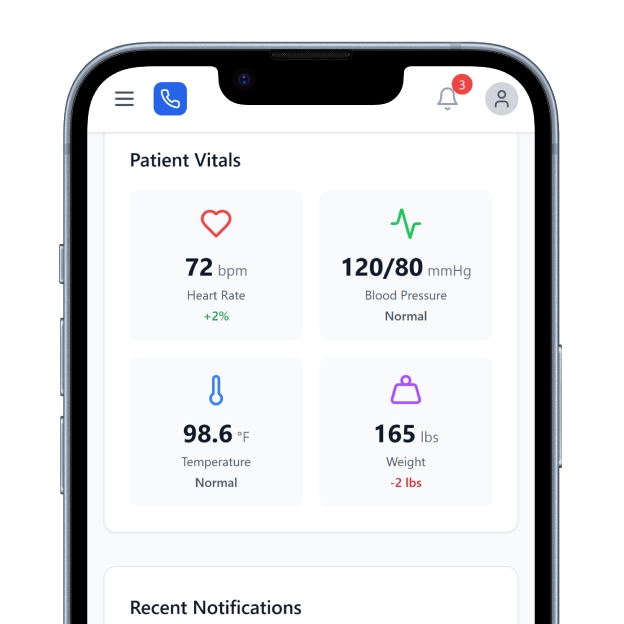
Establish Cloud Architecture
Structure clinical data, permissions, environments, storage, security policies, and infrastructure around organizational requirements.
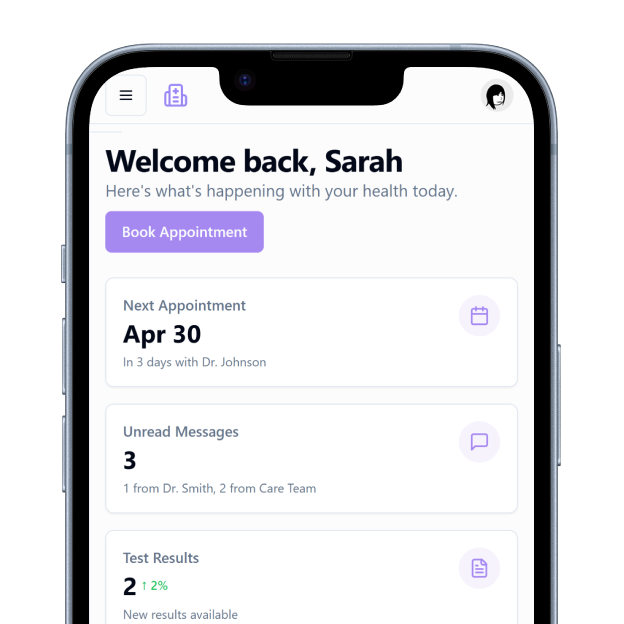
Connect Healthcare Systems
Integrate laboratories, scheduling, billing, patient applications, telemedicine services, and other connected healthcare technologies.
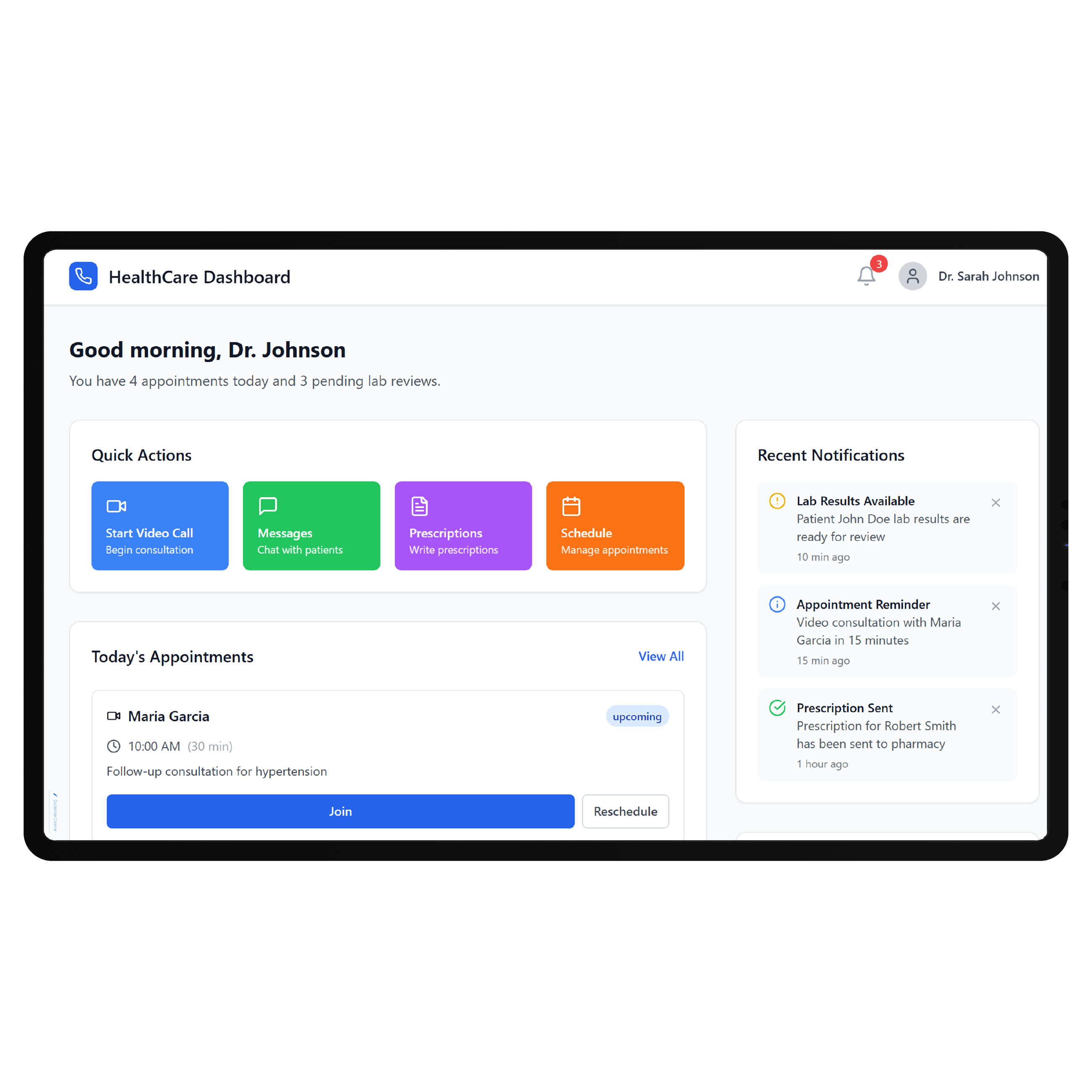
Prepare for Growth
Deploy the EMR with monitoring, governance, access controls, auditability, and infrastructure capable of supporting expansion.
Security Without Local Infrastructure
Moving an EMR to the cloud does not remove the need for strong security controls. Clinical information still requires appropriate protection across storage, access, transmission, authentication, and system activity. DrapCode supports HIPAA-compliant healthcare application development with encrypted data management, role-based permissions, authentication, and audit logging. Cloud deployment also provides organizations with a centralized infrastructure foundation rather than requiring each location to maintain independent clinical systems.
Why Build a Cloud EMR With DrapCode
A cloud-based EMR should provide more than remote access to patient records. It needs to accommodate clinical workflows, organizational growth, healthcare integrations, multiple locations, and the security requirements associated with protected health information. DrapCode is a healthcare application development platform for organizations building secure, production-ready healthcare software. It provides the foundation for developing cloud EMR applications that can adapt to changing clinical services, provider networks, locations, and technology requirements
Frequently Asked Questions
What is a cloud-based EMR?
What are the benefits of a cloud-based EMR?
Can a cloud EMR support multiple healthcare locations?
Can cloud EMRs integrate with other healthcare systems?
Can DrapCode build a HIPAA-compliant cloud EMR?
Build Your Cloud-Based EMR
Create a secure cloud EMR that gives healthcare teams reliable access to clinical information while providing a scalable foundation for connected care.