Healthcare Analytics Platform Development
Build secure healthcare analytics platforms that bring clinical, operational, and financial data together to improve decisions, identify trends, and strengthen healthcare performance.
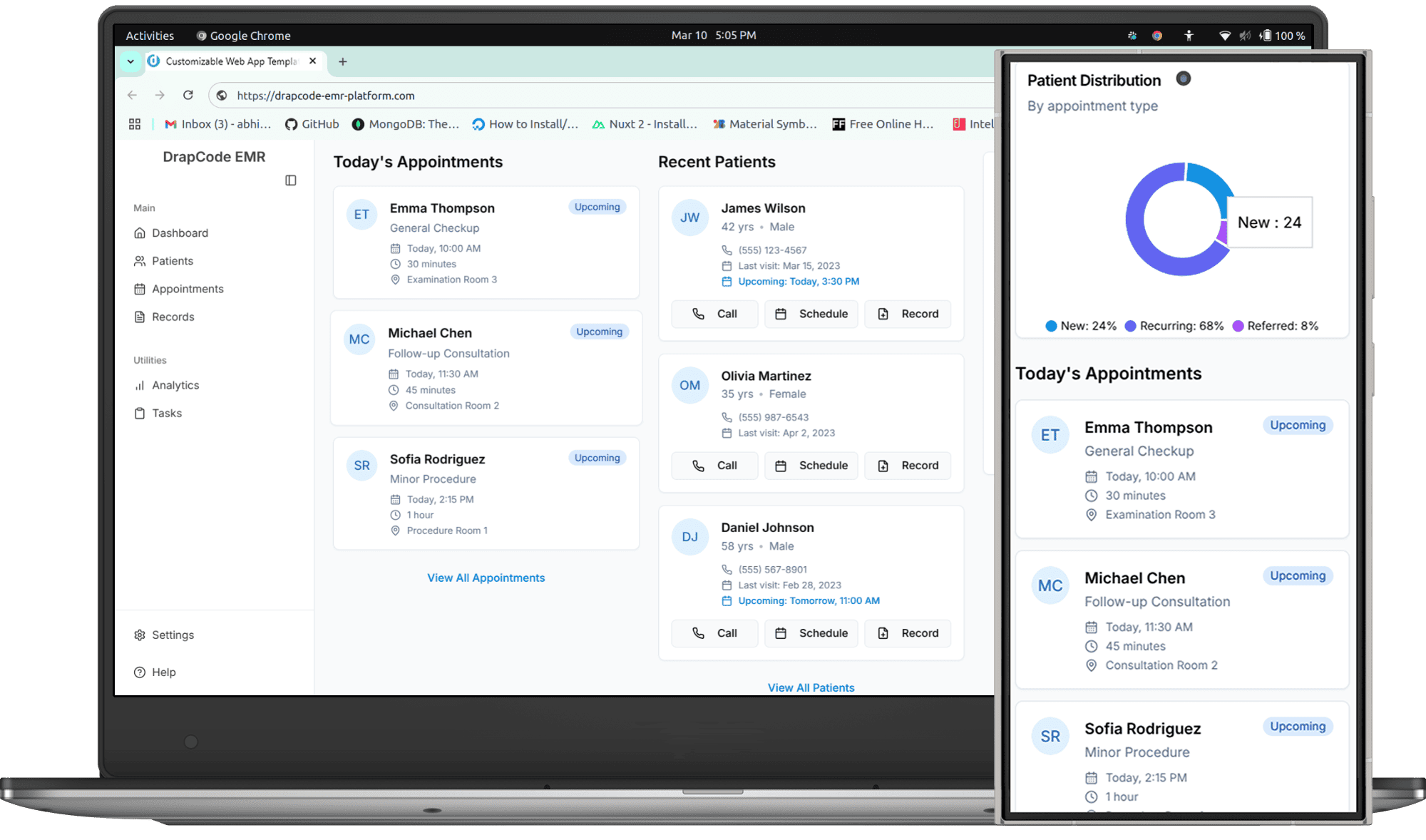
Make Healthcare Data More Useful
Healthcare organizations generate information across patient encounters, clinical records, financial systems, laboratories, and day-to-day operations. Without a connected analytics environment, valuable information often remains distributed across different systems and teams. A healthcare analytics platform brings these data sources together to create meaningful views of performance, patient populations, resource utilization, and care outcomes. This gives healthcare leaders and clinical teams the information they need to make informed decisions.
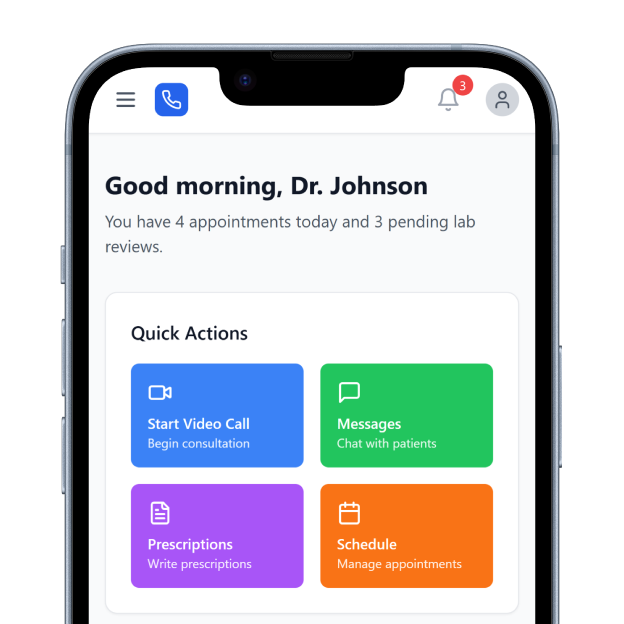
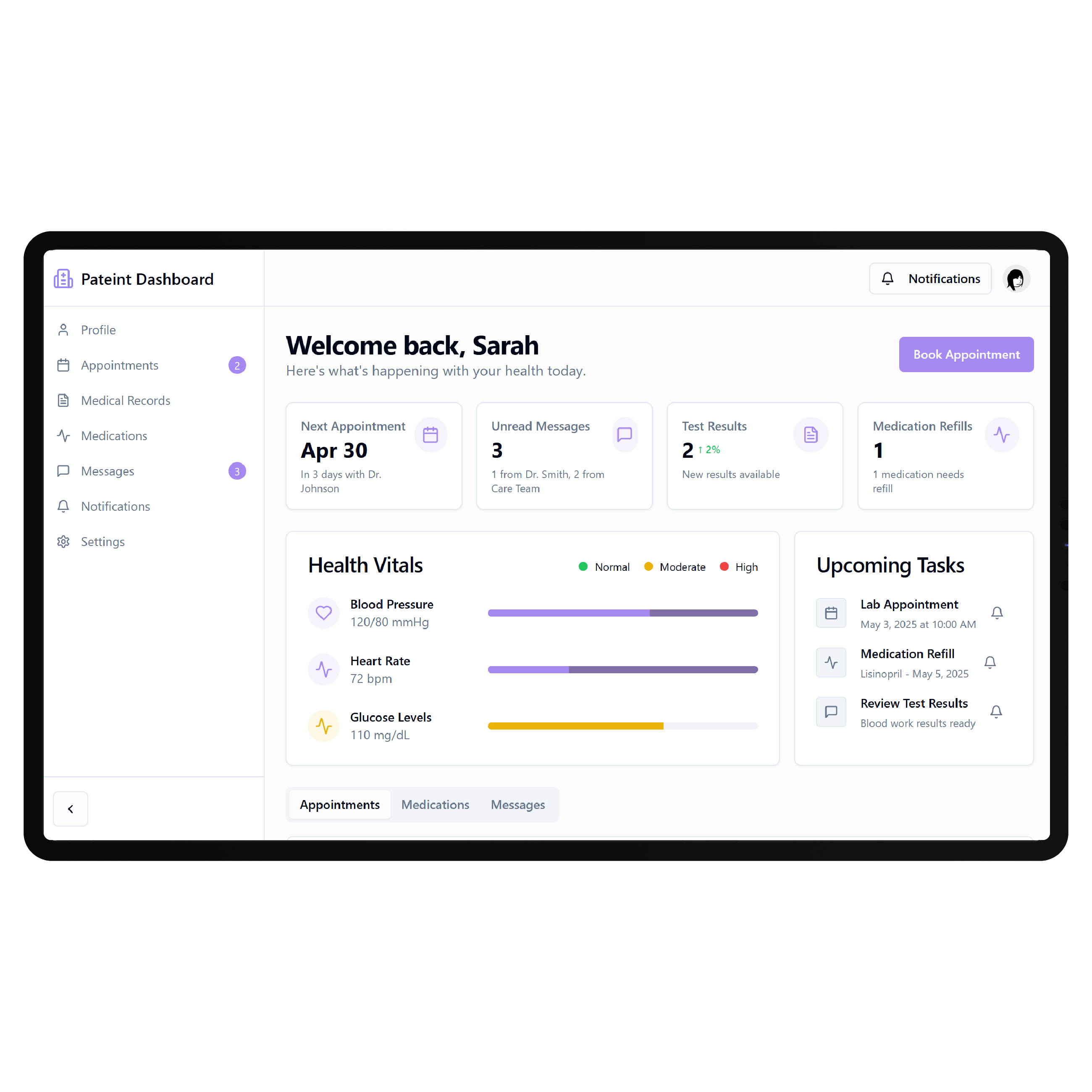
Connect Data With Decisions
Analytics becomes more valuable when insights are connected to the workflows where decisions actually happen. Healthcare organizations need more than dashboards; they need reliable information that helps clinicians, administrators, and executives understand what is changing. DrapCode helps organizations build analytics applications that connect with an Electronic Health Record platform , operational systems, financial data, and other healthcare sources. This creates a connected foundation for reporting, performance monitoring, population insights, and data-driven healthcare management.
Insights Built Around Healthcare Needs
Give healthcare teams clearer visibility into performance, patient populations, resources, and emerging trends.

Clinical Performance Monitoring
Track care outcomes, treatment patterns, quality indicators, and clinical performance across healthcare services.
Patient Population Analysis
Segment patient populations to identify trends, risk factors, utilization patterns, and emerging care needs.

Healthcare Resource Tracking
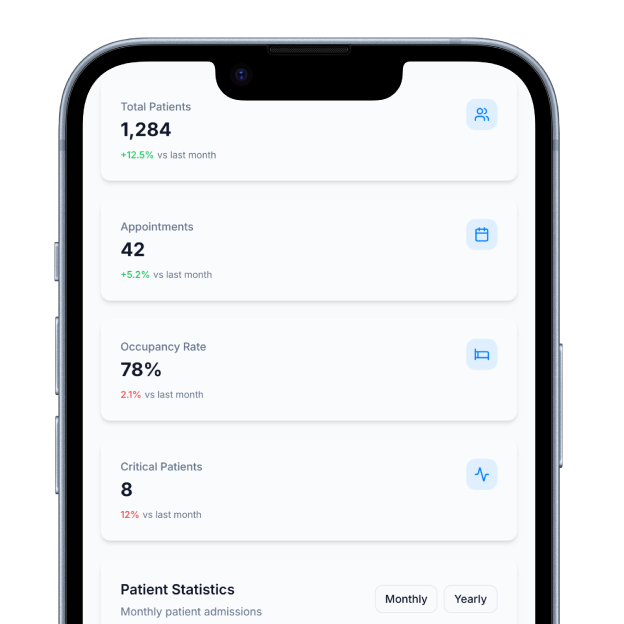
Monitor provider workloads, facility utilization, appointment volumes, and operational resources across healthcare environments.

Revenue Cycle Analysis
Analyze billing activity, reimbursement patterns, outstanding balances, payer performance, and financial trends across operations.

Care Quality Reporting
Measure quality indicators, treatment outcomes, patient experiences, and performance against organizational healthcare objectives.
Executive Performance Dashboards
Give healthcare leaders centralized visibility into clinical, financial, operational, and organizational performance metrics.


We partnered with DrapCode to develop our new Automated CRM using their low-code platform. Outstanding quality at half the price, unmatched speed, and excellent customer service.
Cal Goggans
Founder - A Custom Fit iNMotion



DrapCode stands out as the best. Flexible, scalable, and supported by an expert team. After 3 years on another tool, DrapCode is simply superior.
Cory Nation
President - Embark EMR


DrapCode is an easy-to-use no-code platform with a drag-and-drop interface, making it accessible for non-developers. The support team is highly responsive and dedicated to user success.
Joseph Young
President - Renew Hope And Healing
A Foundation for Healthcare Intelligence
Create an analytics environment that connects healthcare data securely while supporting flexible reporting and organizational growth.
Unified Data Architecture
Bring clinical, operational, financial, and external healthcare information together within structured analytics environments.

Interactive Reporting
Create dynamic reports that help teams examine healthcare trends, performance indicators, and operational patterns.

Secure Data Governance
Control access to sensitive healthcare information through permissions, authentication, encryption, and comprehensive audit trails.
Healthcare Interoperability
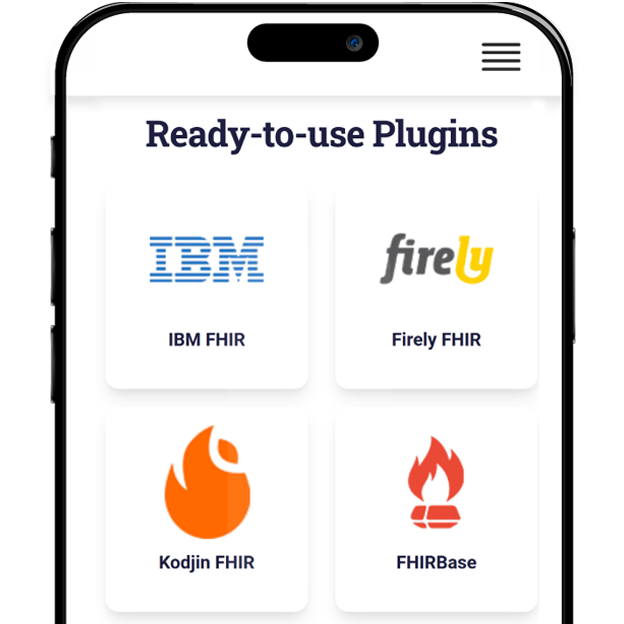
Connect analytics applications with EHRs, EMRs, laboratories, and healthcare systems through secure APIs.
Healthcare analytics can become even more actionable when connected with a Clinical Decision Support Platform , allowing organizations to move from identifying patterns to supporting informed clinical decisions.
Analytics Across Healthcare Operations

Clinical Performance
Analyze treatment outcomes, patient trends, care quality indicators, and clinical performance to help healthcare teams identify opportunities for improvement and make better-informed decisions.
Operational Management
Monitor appointments, staffing, resource utilization, patient flow, and facility performance to identify operational bottlenecks and improve how healthcare services are delivered.

Financial Intelligence
Track revenue, reimbursement trends, payer performance, billing activity, and financial indicators to help healthcare organizations understand performance and identify improvement opportunities.
How It Works
Build a healthcare analytics platform through a structured process that connects data, reporting, governance, and decision-making.
 Trusted healthcare data
- Actionable intelligence
- Secure information governance
- Interoperable data architecture
Identify Data Sources
Map clinical, operational, financial, and external data sources required to support your organization's reporting and analytics objectives.
Structure Healthcare Data
Organize incoming information into consistent data models that support accurate reporting, analysis, and healthcare performance measurement.
Build Analytics Experiences
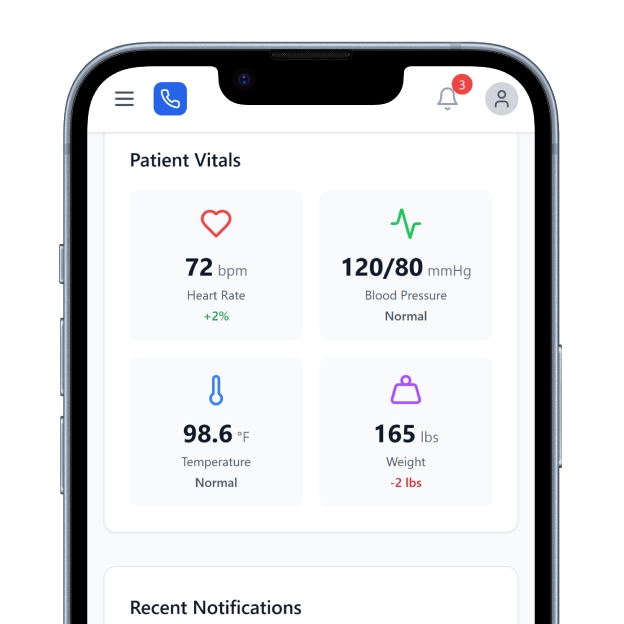
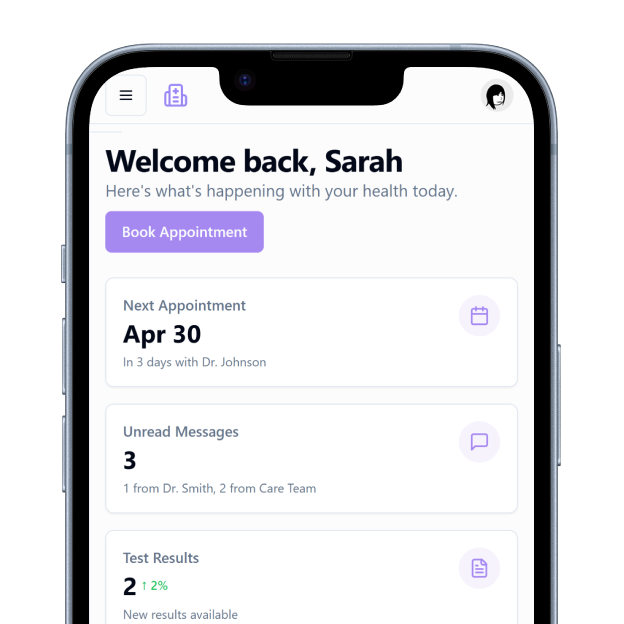
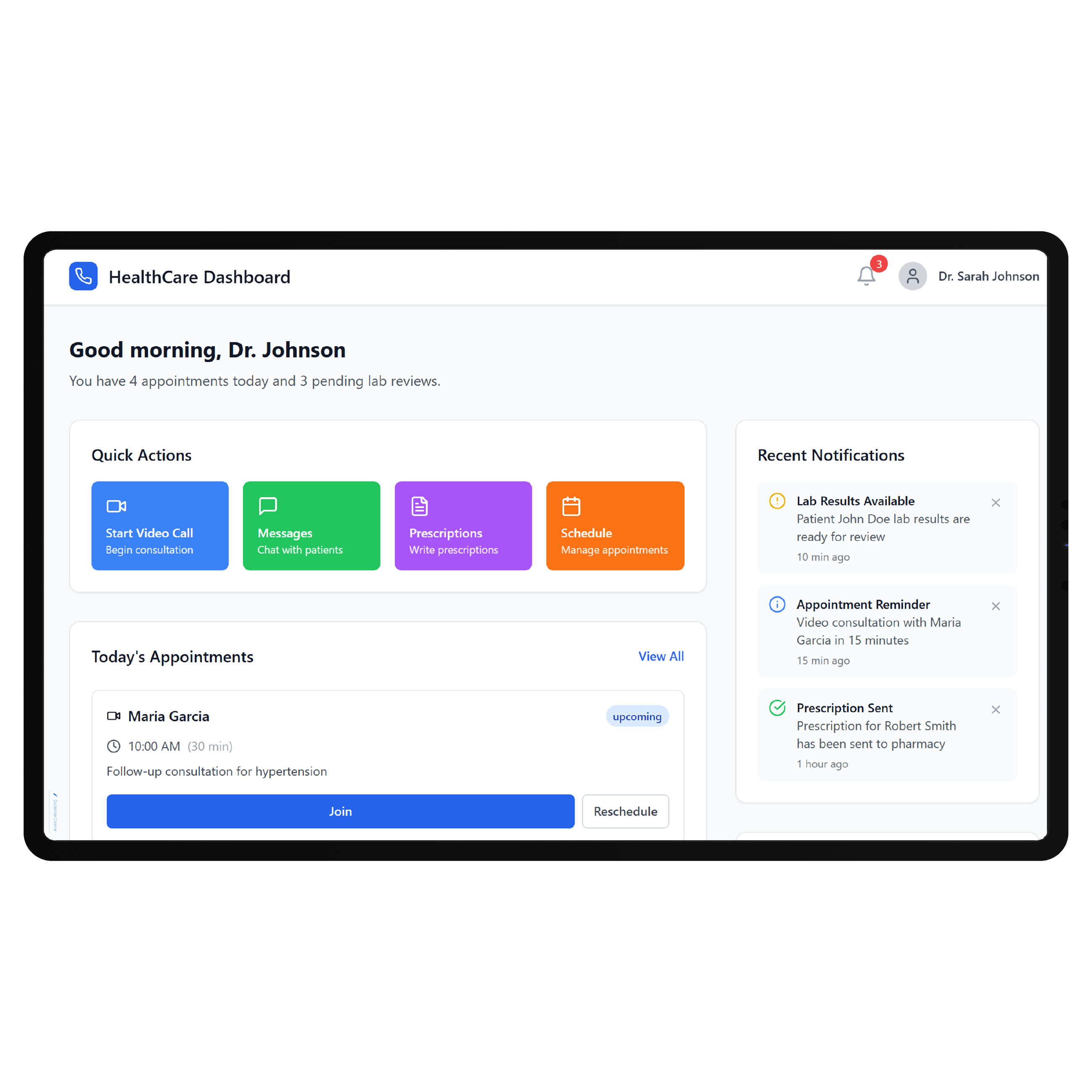
Create dashboards, reports, performance indicators, patient insights, and analytical views tailored to different healthcare stakeholders.
Deliver Actionable Insights
Deploy analytics applications that give clinical, operational, and executive teams timely information for better healthcare decisions.
Built for Responsible Healthcare Analytics
Healthcare analytics often involves sensitive patient and organizational information, making data protection and governance essential. Organizations need confidence that information remains secure while authorized teams can access the insights required for their responsibilities. DrapCode supports HIPAA-compliant healthcare application development with encrypted data management, role-based permissions, authentication, and audit logging. Analytics applications can also connect with EMR Software and other healthcare systems while maintaining appropriate controls around sensitive information.
Why Build Healthcare Analytics with DrapCode
Healthcare analytics requires an understanding of clinical information, operational workflows, interoperability, and security—not simply the ability to create charts and dashboards. DrapCode provides a healthcare-focused application development platform for building analytics solutions around real organizational requirements. Whether you need clinical reporting, operational intelligence, population analysis, or financial visibility, DrapCode provides a secure foundation for connected healthcare applications. Analytics can also work alongsideRemote Patient Monitoring Software and other digital health solutions to create broader visibility across patient care.
Frequently Asked Questions
What is a healthcare analytics platform?
What data can a healthcare analytics platform analyze?
Can healthcare analytics platforms integrate with EHR and EMR systems?
How can healthcare analytics improve patient care?
Is DrapCode suitable for building HIPAA-compliant healthcare analytics platforms?
Turn Your Healthcare Data Into Better Decisions
Build a secure healthcare analytics platform that connects clinical, operational, and financial information into actionable intelligence for your organization.