Build Scalable Healthcare Web Apps without Complexity
Design HIPAA-compliant, user-centric healthcare applications tailored for providers, patients, and medical administrators.
FHIR-Driven Application Architecture
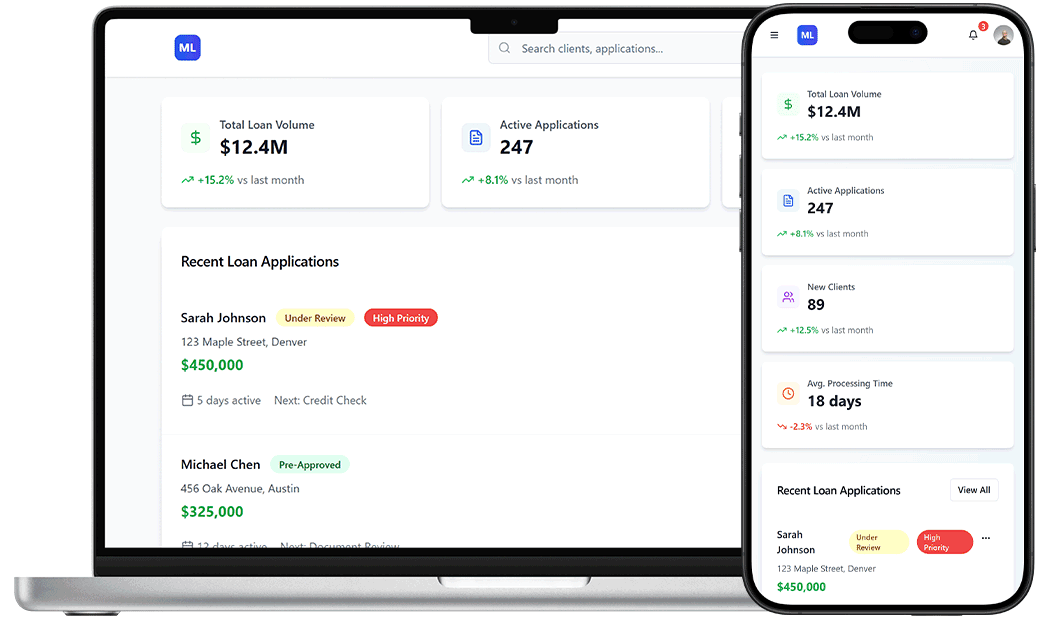
FHIR-based healthcare app development enables structured, standardized data exchange between EHRs, portals, and clinical platforms. It ensures patient records, encounters, and observations are accessible across connected systems. Modern healthcare applications require API-driven communication that adheres to interoperability standards. These integrations rely on structured FHIR in healthcare frameworks to exchange resources securely.
No-Code Interoperability Framework
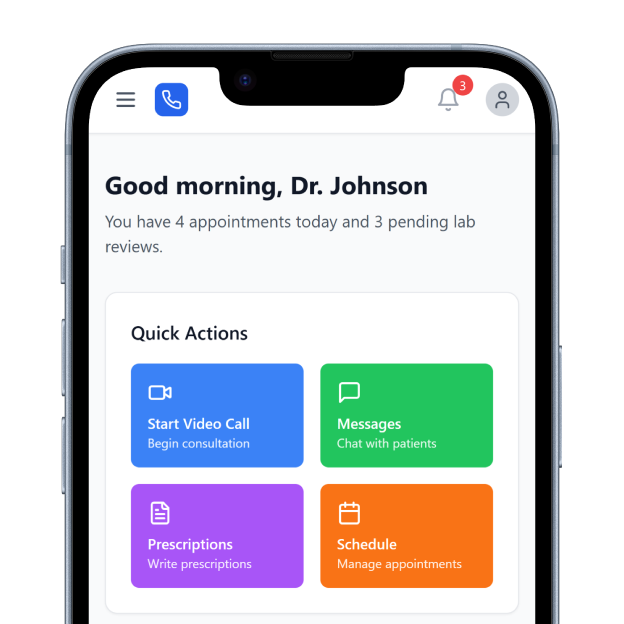
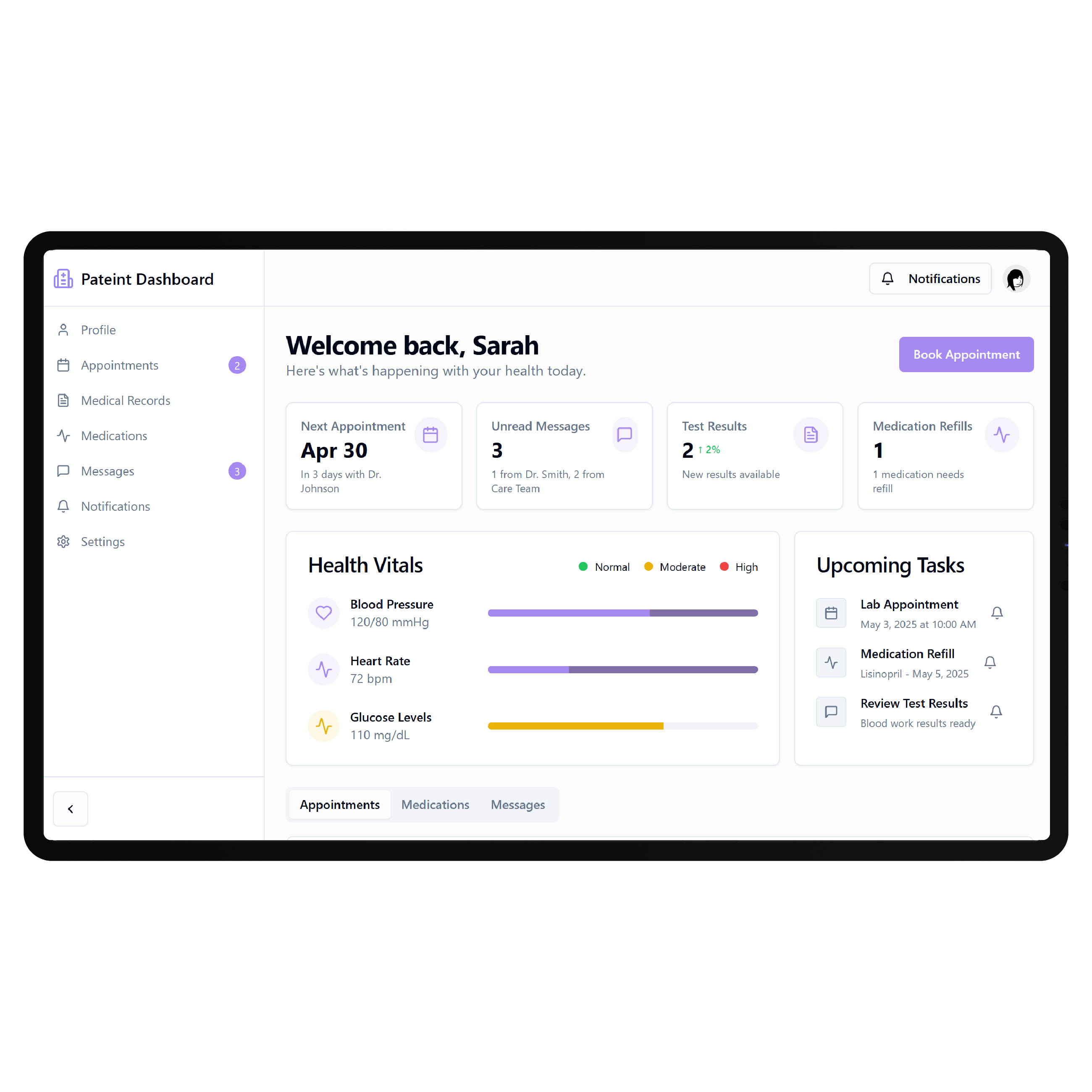
A no-code web app builder lets teams visually define FHIR resource mappings, API endpoints, and validation logic without writing backend code. This accelerates compliant application development while maintaining architectural control. FHIR-enabled apps frequently connect to clinical systems in real time through structured EHR integration APIs that maintain data consistency and governance.
Core FHIR Application Capabilities
These features define what a production-ready, FHIR-centric healthcare application must support to ensure compliant interoperability.

FHIR Resource Mapping
Map patient, observation, encounter, and medication resources accurately.

API Endpoint Management
Define structured endpoints for secure healthcare data exchange.

Data Validation Rules
Apply validation checks for incoming and outgoing FHIR resources.

Real-Time Synchronization
Enable continuous synchronization of healthcare records across systems.

Secure Authentication
Implement token-based authentication for protected API access.

Audit & Logging
Record transactions, resource updates, and access events securely.


We partnered with DrapCode to develop our new Automated CRM using their low-code platform. Outstanding quality at half the price, unmatched speed, and excellent customer service.
Cal Goggans
Founder - A Custom Fit iNMotion



DrapCode stands out as the best. Flexible, scalable, and supported by an expert team. After 3 years on another tool, DrapCode is simply superior.
Cory Nation
President - Embark EMR


DrapCode is an easy-to-use no-code platform with a drag-and-drop interface, making it accessible for non-developers. The support team is highly responsive and dedicated to user success.
Joseph Young
President - Renew Hope And Healing
Platform Infrastructure Controls
These capabilities ensure FHIR-based healthcare applications remain secure, scalable, and production-ready.

Visual API Designer
Configure FHIR routes and transformations without backend coding.

Secure Data Governance
Enforce encryption, permissions, and structured access control.

Interoperability Monitoring
Track API performance, failures, and transaction health.
Scalable Deployment Architecture
Support enterprise healthcare loads with resilient infrastructure.
FHIR Application Use Cases

SMART on FHIR Applications
Build interoperable apps that launch securely within clinical environments.
Patient Data Exchange Portals
Enable structured sharing of patient records across providers.

Clinical Decision Tools
Use standardized data to power analytics and decision support systems.
FHIR App Development Process
FHIR-centric healthcare app development follows a structured implementation path aligned with interoperability standards.
 Define Resources
- Configure Mappings
- Secure Endpoints
- Deploy & Monitor
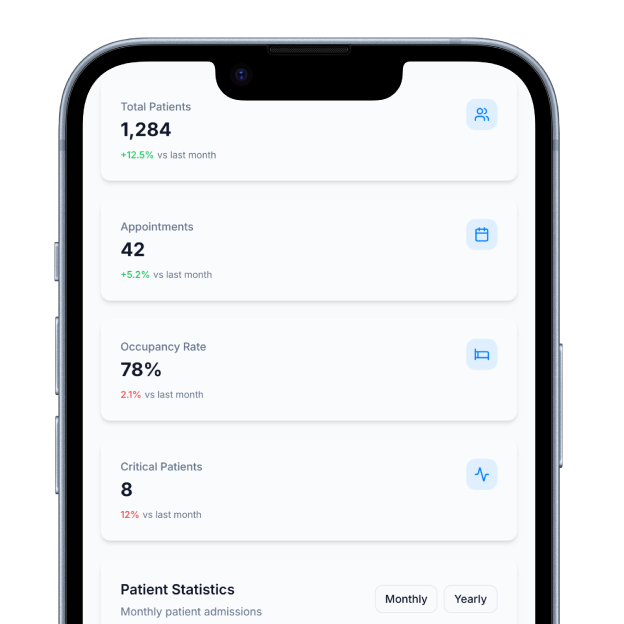
Define Resources
Identify FHIR resources and exchange requirements.
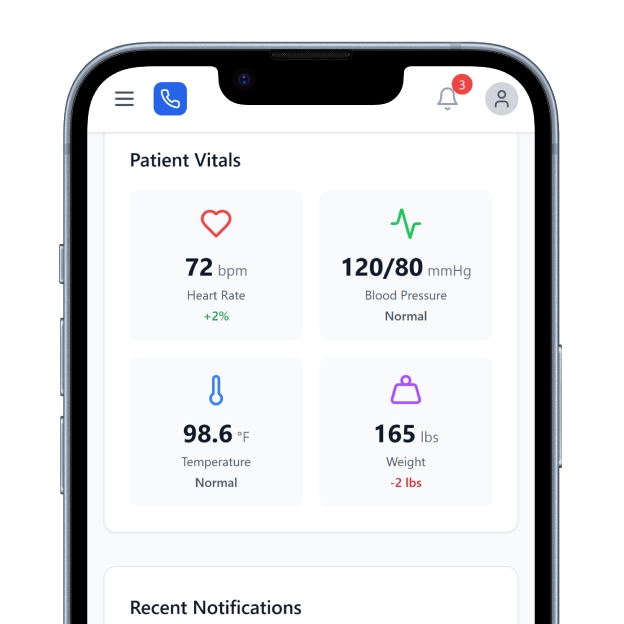
Configure Mappings
Map internal data to standardized FHIR structures.
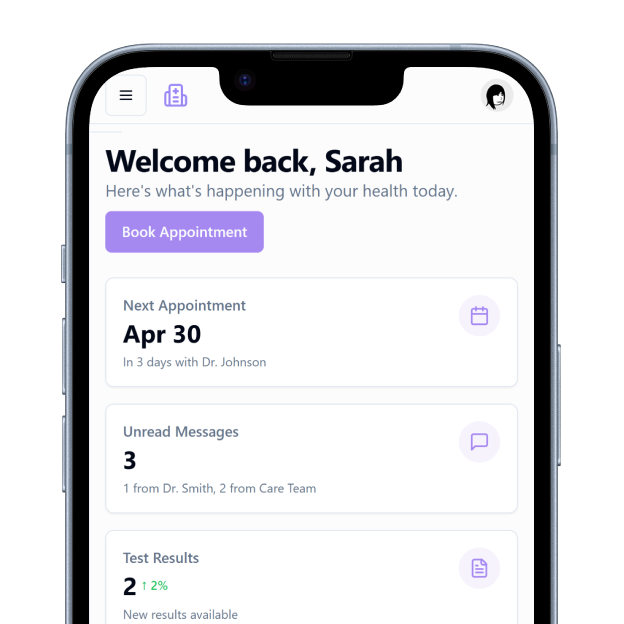
Secure Endpoints
Implement authentication and access governance controls.
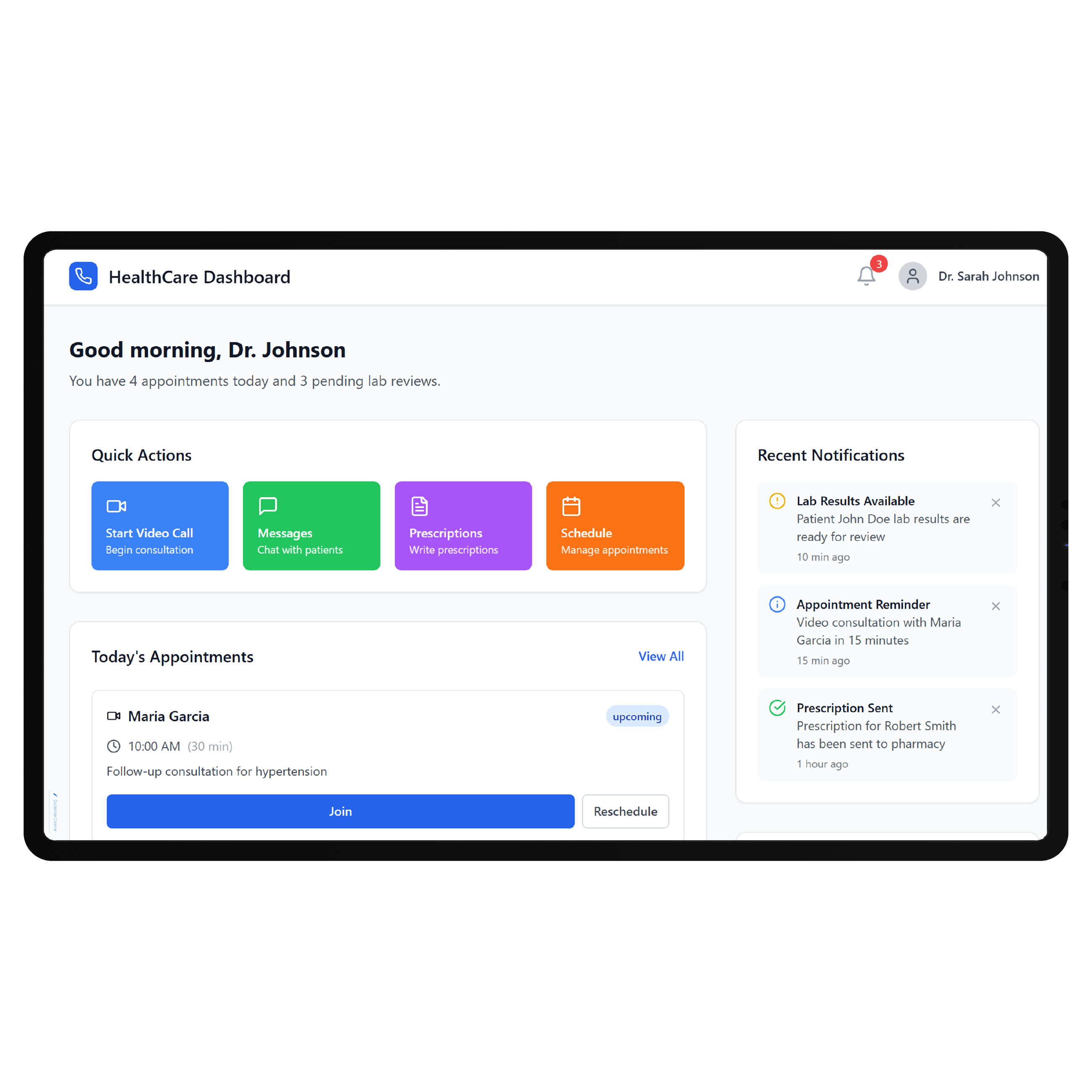
Deploy & Monitor
Launch an interoperable application and monitor transactions.
Compliance & Interoperability Governance
FHIR-based healthcare applications manage sensitive clinical data requiring strict encryption and controlled API access. Audit logging and version control ensure compliance with regulatory and interoperability requirements. These applications often connect to healthcare analytics platforms to derive insights from unified, standardized datasets.
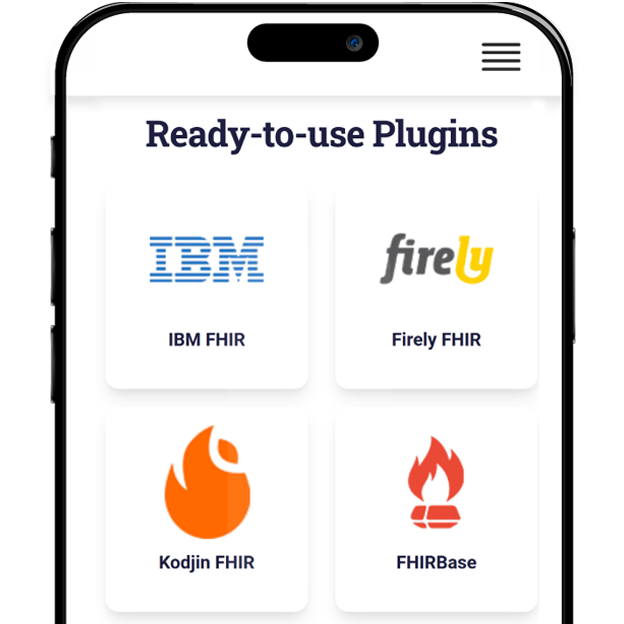
Why DrapCode
FHIR application development requires structured backend logic, controlled APIs, and governance-ready workflows. Traditional development approaches are slow and resource-intensive, making them ill-suited to evolving interoperability needs. DrapCode’s no-code web app builder provides:
- Visual FHIR mapping configuration
- Secure API governance controls
- Structured relational data models
- Scalable production deployment
Frequently Asked Questions
What is FHIR in healthcare app development?
Why use FHIR for healthcare applications?
Can no-code platforms support FHIR integration?
Are FHIR-based applications HIPAA compliant?
What types of apps use FHIR integration?
Ready to Build FHIR-Compliant Healthcare Applications?
Get started with DrapCode to build FHIR-compliant healthcare applications using a secure no-code web app builder.