Chronic Care Management Software for Ongoing Patient Care
Build chronic care management software that keeps care plans, patient check-ins, condition data, follow-ups, and care-team actions connected between scheduled visits.
Care Doesn't Stop After the Appointment
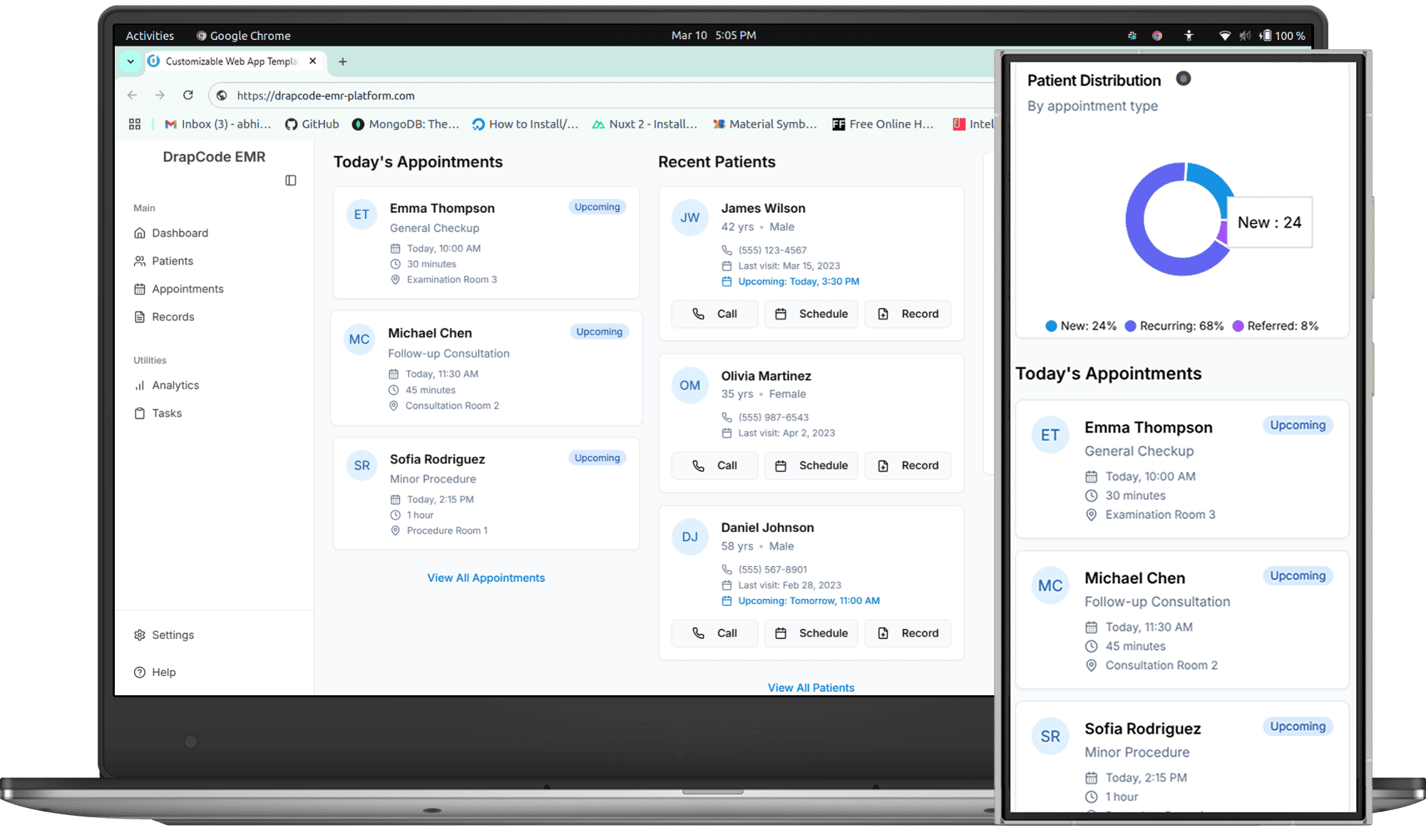
Chronic conditions are managed over months and years, but much of that work happens outside the exam room. Patients have medications to follow, measurements to record, goals to work toward, and changes in their condition that may need attention before the next appointment. Care teams need a practical way to see what has happened since the last interaction. Instead of piecing together calls, notes, spreadsheets, and separate systems, they can work from a longitudinal view of each patient's care program.
Make the Care Plan Active
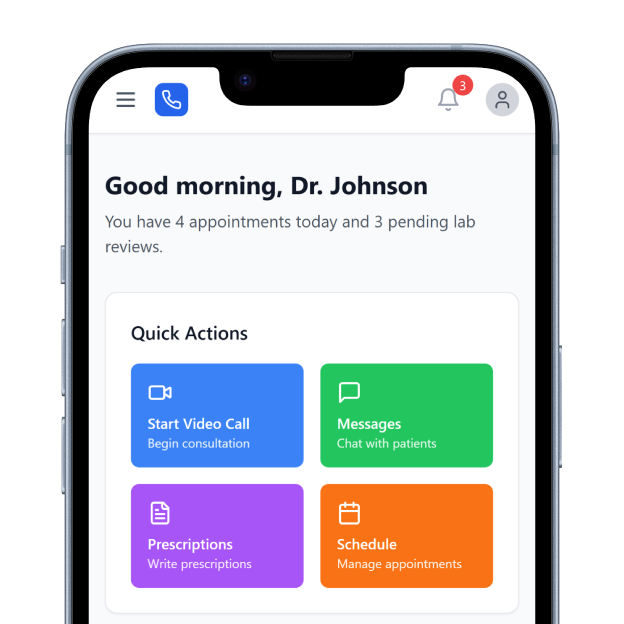
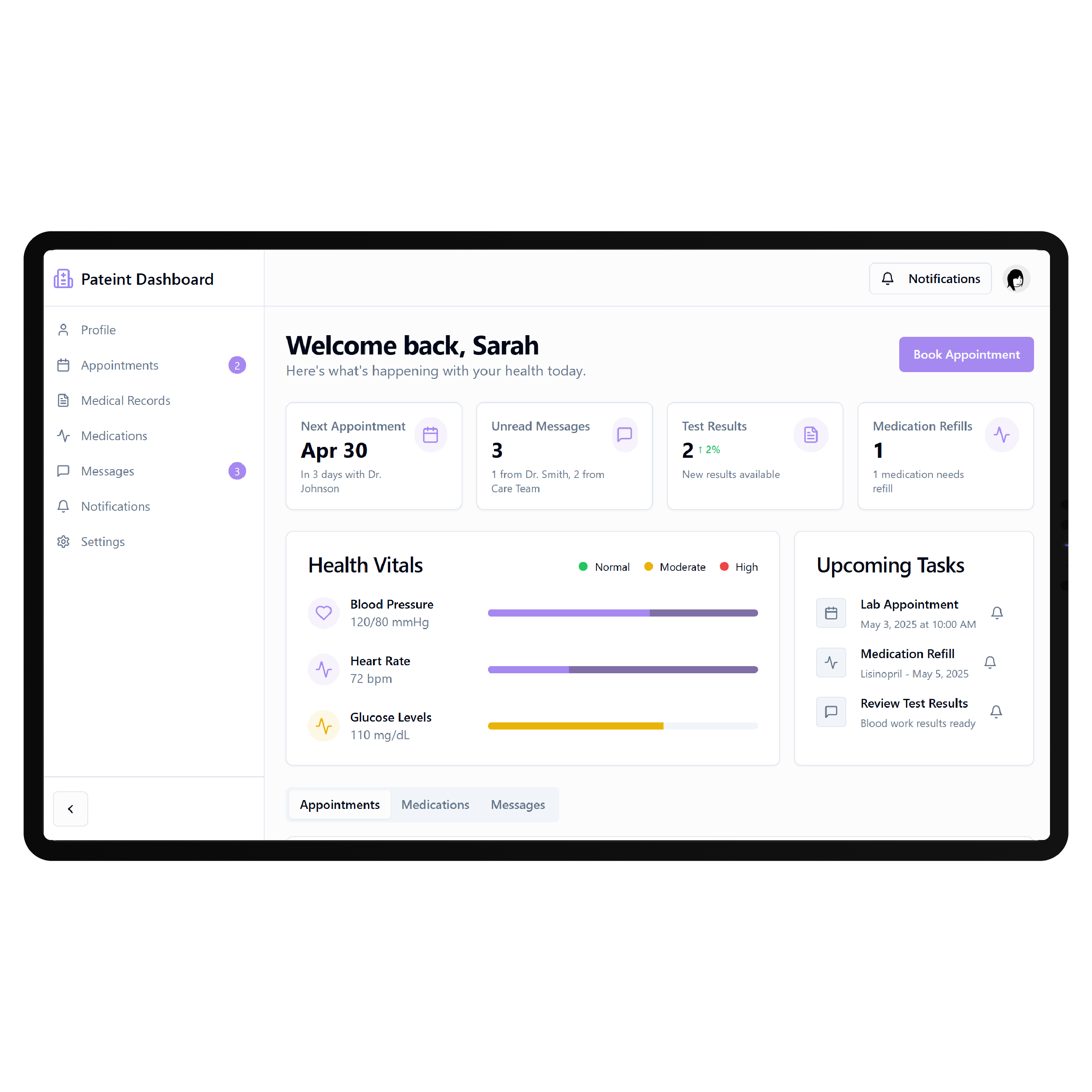
A care plan should do more than sit inside the patient record. It should define what happens next: scheduled check-ins, measurements, medication reviews, assessments, education, referrals, and other condition-specific activities. DrapCode can turn those requirements into structured workflows for coordinators, clinicians, and patients. When physiological measurements are part of the program,Remote Patient Monitoring Software can feed relevant readings into the broader chronic-care workflow.
Everyday Care Management
Give care teams the tools to manage recurring responsibilities without losing sight of individual patients.

Individual Care Plans
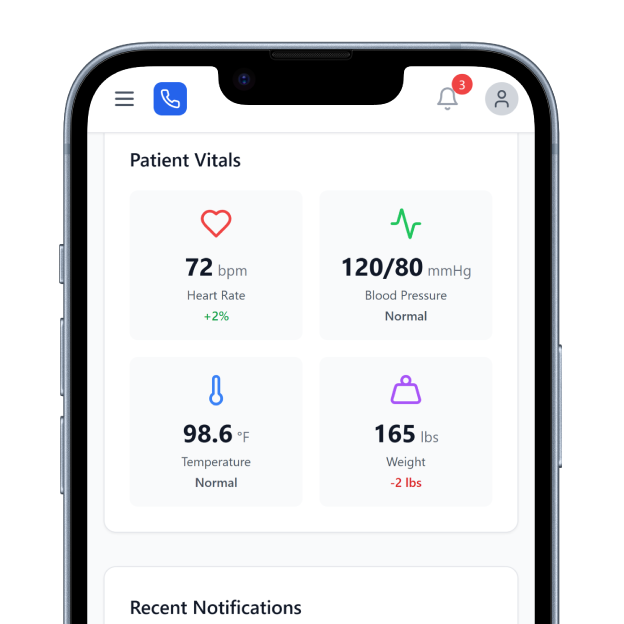
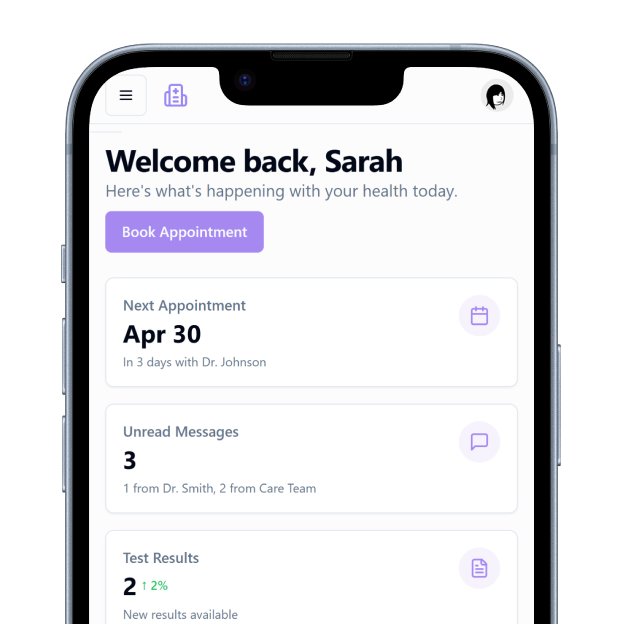
Organize patient goals, interventions, responsibilities, and scheduled activities within structured longitudinal care plans.

Condition Tracking
Follow symptoms, measurements, medications, assessments, and condition changes across each patient's care journey.

Patient Check-Ins
Collect scheduled patient responses, health updates, concerns, and adherence information between clinical appointments.

Care Reminders
Prompt patients and staff about upcoming activities, overdue actions, appointments, and recurring responsibilities.

Escalation Workflows
Route concerning changes or missed activities to appropriate care-team members for timely review.

Progress Documentation
Record interventions, patient responses, care-plan changes, and completed activities across longitudinal care episodes.
Built for Long-Term Care
Chronic care applications must organize months of activity without forcing clinicians to search through an endless timeline.

Longitudinal Records
Securely maintain condition history, interventions, measurements, and care activities across extended patient management periods.

Role Controls
Give clinicians, coordinators, administrators, and patients access appropriate to their responsibilities and workflows.

Care Integrations
Connect external clinical systems, monitoring services, communication tools, and other healthcare applications through APIs.
Audit History
Securely track sensitive data access, care-plan changes, interventions, and administrative actions across the application.
Where Chronic Care Software Fits

Condition Management Programs
Create structured programs for patients who need recurring monitoring, education, medication review, and follow-up. Different conditions can have different schedules, assessments, goals, and escalation paths without forcing every patient through an identical process.

Care Coordination Teams
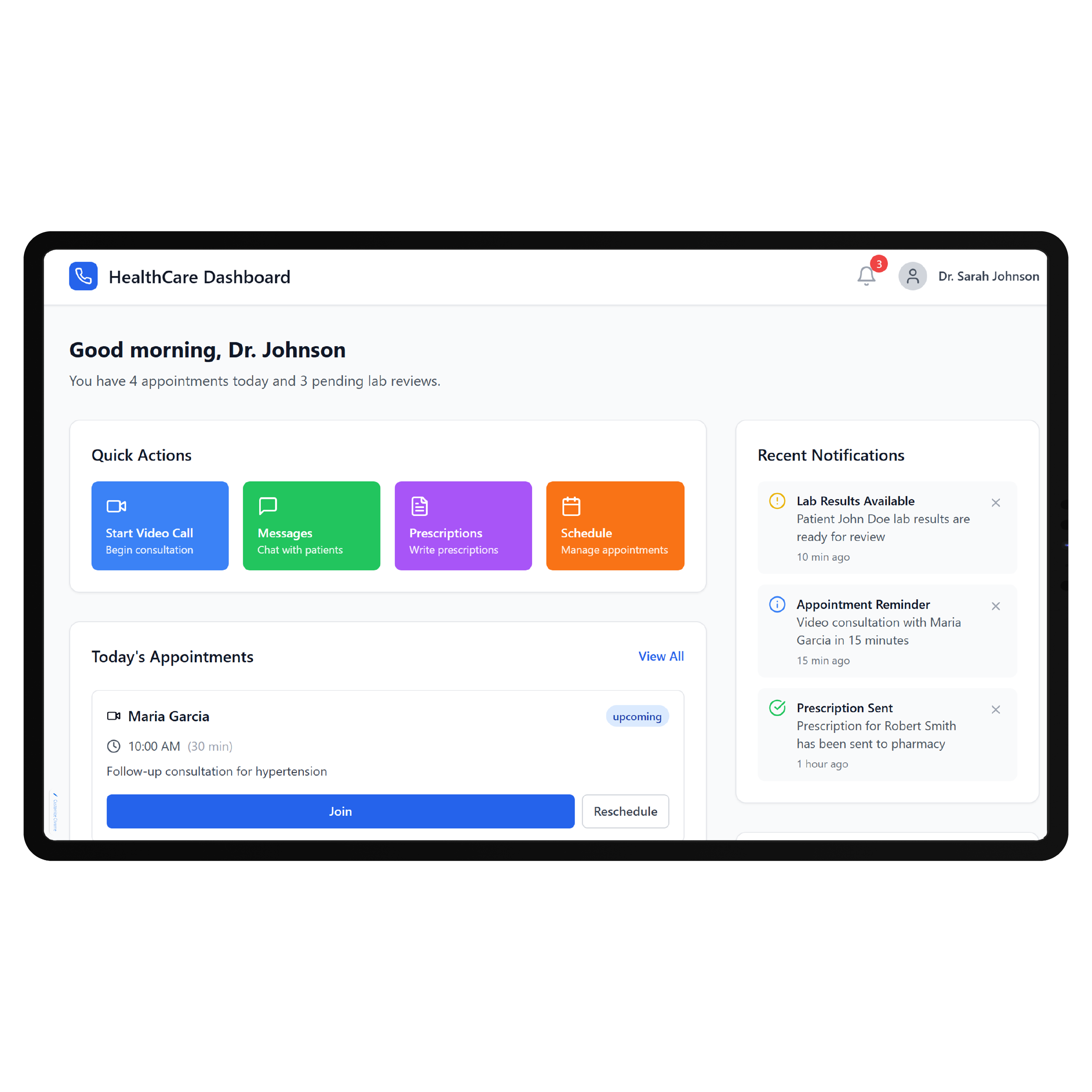
Give coordinators a working view of upcoming check-ins, overdue activities, patient concerns, and unresolved follow-ups. A connected Healthcare CRM can support outreach workflows when teams need to manage repeated patient communications and engagement across larger populations.

Higher-Risk Populations
Not every patient requires the same level of attention. Care teams can organize incoming information and surface cases requiring review. Where appropriate, a Clinical Decision Support Platform can complement these workflows with defined rules and patient-specific clinical signals.
From Care Protocol to Daily Workflow
We start with what your team needs to do for a patient over time, not with a generic task list. The resulting application reflects your care program's cadence, responsibilities, exceptions, and escalation paths.
 Keep care plans actionable
- Make missed activity visible
- Preserve longitudinal context
- Put exceptions in front of staff
Define the Program
Map enrolled populations, conditions, care activities, check-in schedules, clinical responsibilities, patient goals, and escalation requirements.
Structure Patient Journeys
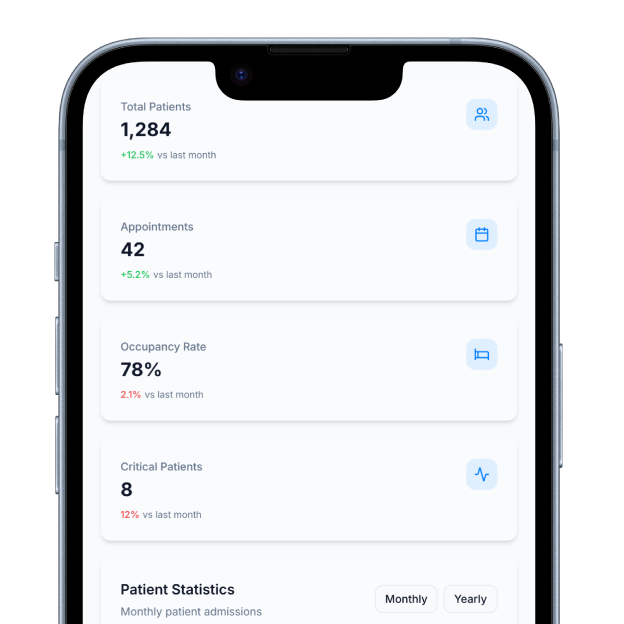
Build condition-specific pathways covering recurring activities, assessments, measurements, communications, interventions, and care-plan reviews.
Connect Care Data
Bring required information from clinical systems, monitoring services, patient inputs, and other approved sources into relevant workflows.
Validate and Launch
Test roles, care-plan logic, notifications, integrations, escalation paths, auditability, and real-world exceptions before deploying to production.
Protect Data Between Visits
Chronic care applications continuously accumulate sensitive information: symptoms, measurements, medications, care-plan changes, communications, assessments, and clinician interventions. Because this data is collected over extended periods, access and activity need to remain controlled throughout the patient's enrollment. DrapCode supports HIPAA-compliant healthcare application development with encryption at rest and in transit, role-based access, authentication, audit logging, and secure infrastructure. You can sign a BAA at the start of the engagement.
Why Build With DrapCode
Two chronic care programs can treat the same condition and still operate very differently. Staffing models, patient populations, escalation policies, monitoring requirements, and follow-up schedules all affect how the software needs to work. DrapCode builds the application around those operational differences. Your team gets the care-management workflows, healthcare integrations, secure production infrastructure, and ongoing development support needed to evolve the system as the program grows.
Frequently Asked Questions
What should chronic care management software track?
Can different conditions have different care workflows?
Can patients submit information between appointments?
Can chronic care software connect with an existing EHR?
Can DrapCode build HIPAA-compliant chronic care software?
Build Around the Months Between Visits
Turn your chronic care protocol into software that helps your team see what is due, what has changed, and which patients need attention.