FHIR App Development for Connected Healthcare Systems
Build secure FHIR applications that exchange structured clinical data with EHRs, healthcare platforms, and third-party systems using standards-based interoperability.
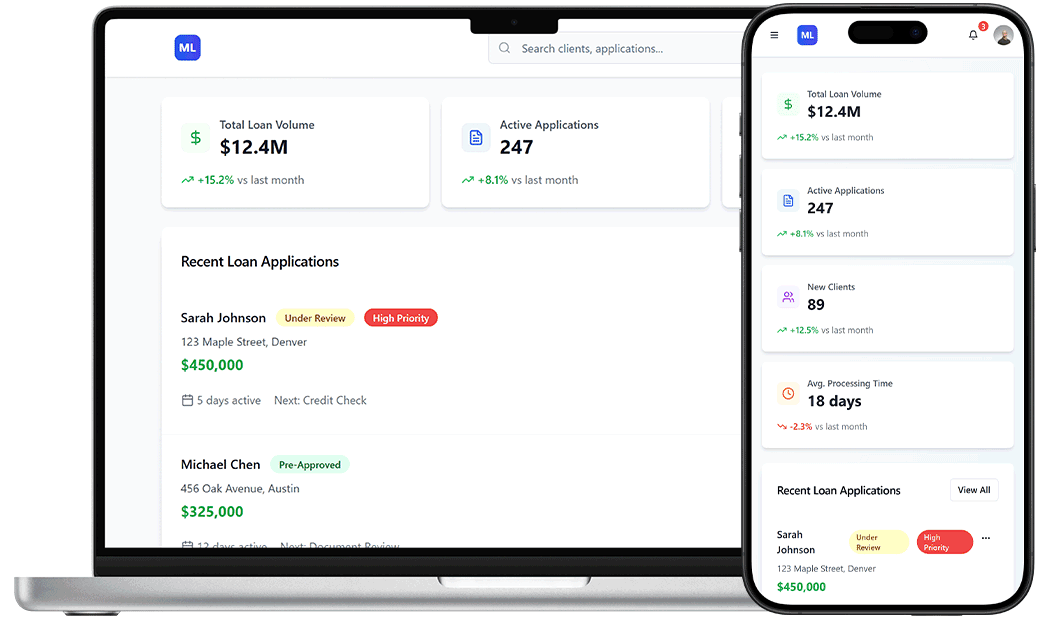
Build on a Common Healthcare Language
Connecting healthcare systems becomes difficult when every application represents patients, encounters, observations, medications, and clinical events differently. FHIR provides a standardized way for those systems to exchange healthcare information through defined resources and APIs. But supporting FHIR is not simply exposing an endpoint. The application still needs to understand which resources matter, how they relate, who can access them, and what should happen when incoming data is incomplete or unexpected.
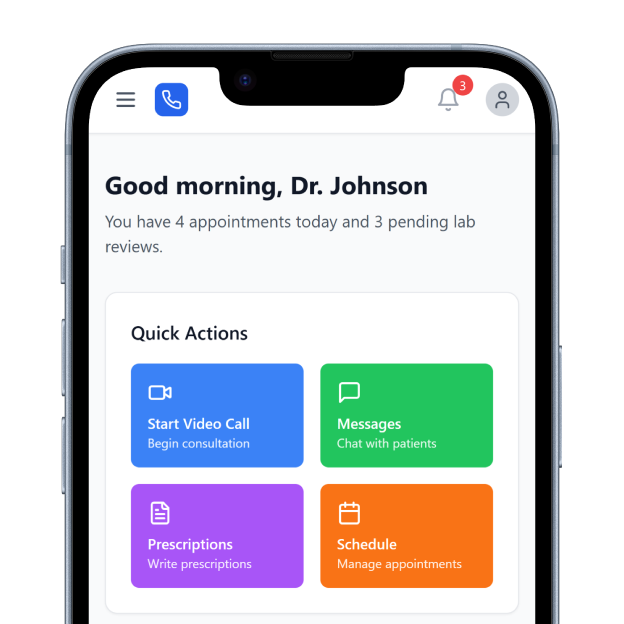
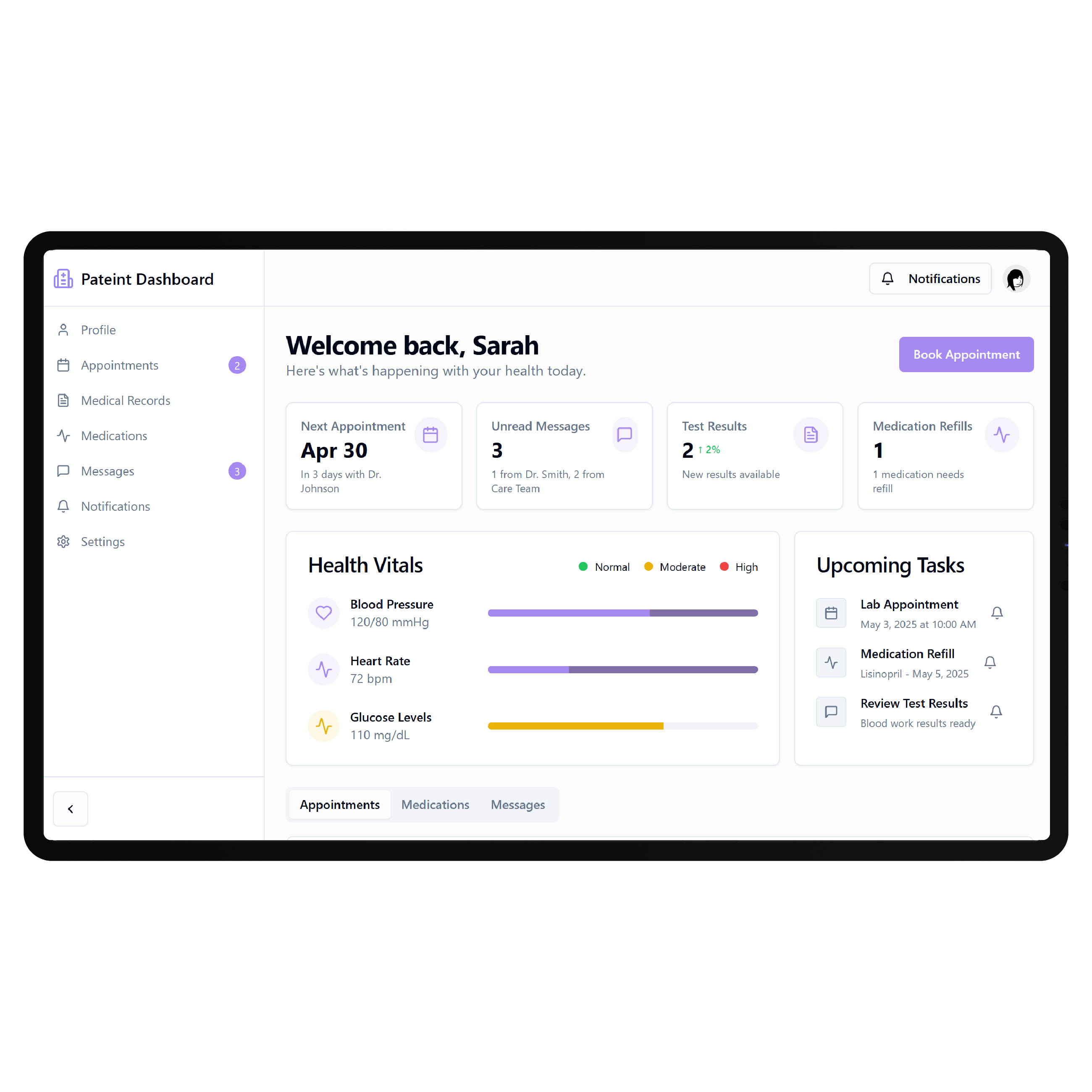
Design Around the Resources You Actually Need
A scheduling application may only need Patient, Practitioner, Schedule, Slot, and Appointment resources. A clinical application could depend on Encounter, Observation, Condition, MedicationRequest, DiagnosticReport, and CarePlan. We define the FHIR implementation around the application's actual data requirements rather than connecting every available resource. When information must move between your application and an existing clinical system, an EHR integration APIs provides a controlled integration layer for those exchanges.
FHIR Application Capabilities
Handle the resource exchange, authorization, validation, and application behavior required for production healthcare interoperability.

FHIR Resource Mapping
Map application data accurately to appropriate FHIR resources, elements, references, and required structures.

SMART Authorization
Support SMART on FHIR authorization patterns for controlled application access to clinical information.

Resource Validation
Validate incoming and outgoing resources consistently against expected structures, profiles, and application requirements.
FHIR Search
Retrieve relevant clinical resources using supported search parameters, filters, references, and query patterns.

Bundle Processing
Process related FHIR resources together for workflows that require secure, coordinated healthcare data exchange.

Error Handling
Capture failed requests, invalid resources, and integration exceptions without silently losing clinical information.
Interoperability Foundation
FHIR applications need more than API connectivity. The surrounding architecture has to manage identity, terminology, traceability, and changes across connected healthcare environments.

OAuth Security
Protect clinical API access with token-based authorization and appropriately scoped application permissions.

Terminology Mapping
Handle standardized clinical terminology and code systems required across connected healthcare data workflows.

Transaction Logging
Record resource requests, responses, failures, and integration activity for operational investigation and auditing.
Version Management
Manage evolving resource structures and integration changes without unnecessarily disrupting existing application workflows.
Where FHIR Applications Fit

EHR-Embedded Applications
Build applications that work with data available from compatible EHR environments without recreating the complete clinical record. A focused workflow can retrieve only the patient context it needs and return appropriate information through supported interfaces.
Clinical Workflow Tools
Standardized resources can give focused clinical applications consistent access to patient context. A Clinical Decision Support Platform , for example, can consume relevant observations, conditions, medications, or other available data to support defined clinical rules and review workflows.

Healthcare Data Exchange
Organizations operating multiple clinical systems can use FHIR-based applications to normalize how selected information moves between them. An Electronic Health Record Platform can participate in this architecture by exposing compatible resources and authorization mechanisms for external applications.
From Resources to Working Application
We start with the workflow and the information it actually requires. That prevents a FHIR implementation from becoming a large integration project with no clear application purpose.
 Exchange only required resources
- Preserve clinical meaning
- Control every data request
- Make integration failures visible
Define the Exchange
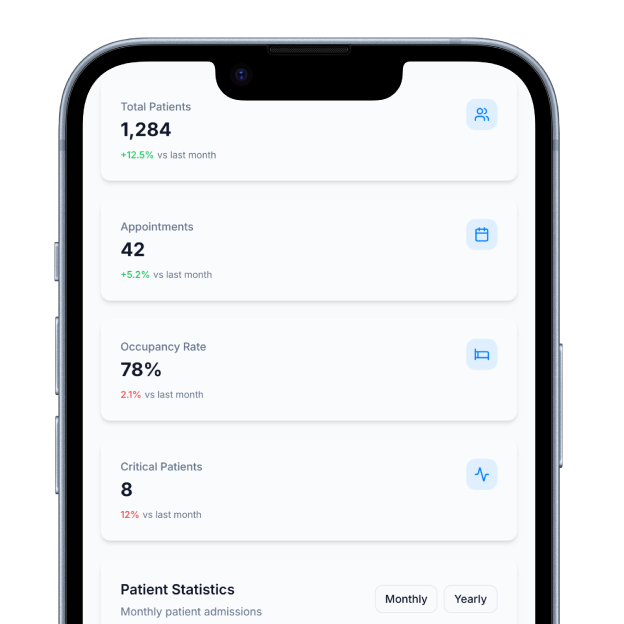
Identify participating systems, user workflows, required FHIR resources, supported operations, data ownership, and expected exchange direction.
Map the Resources
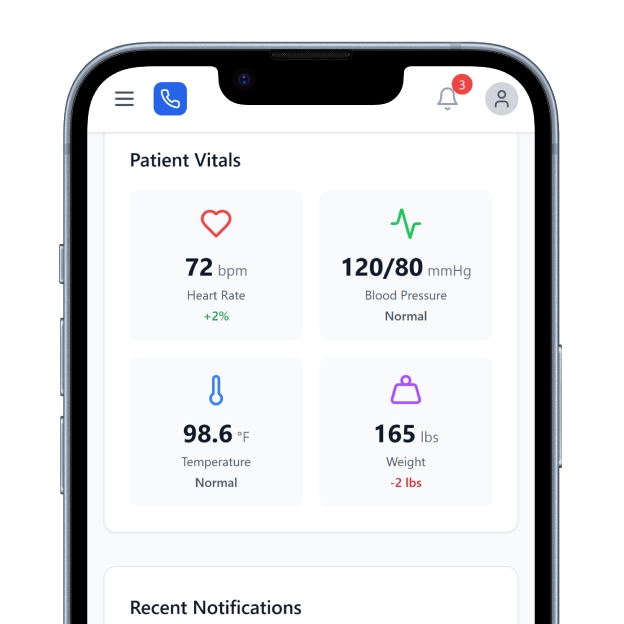
Connect application data structures with appropriate FHIR resources, references, profiles, terminology, and validation requirements.
Secure the Connection
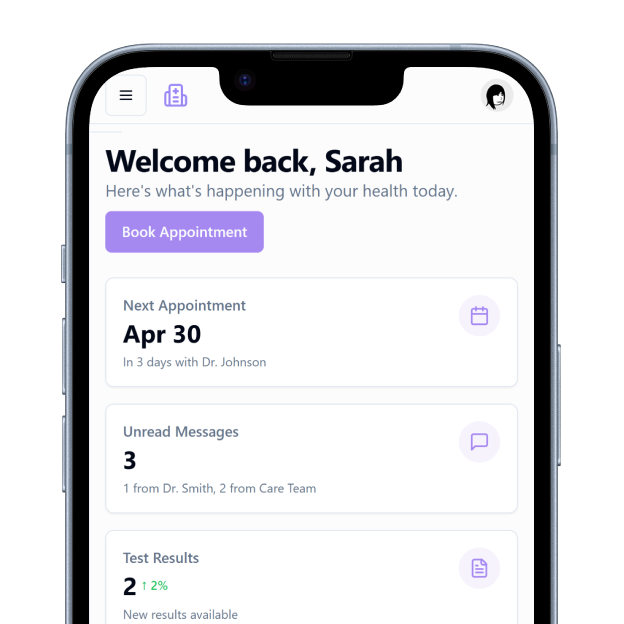
Implement authorization, scopes, permissions, endpoint controls, and appropriate safeguards for protected healthcare information.
Test Real Transactions
Validate successful exchanges alongside missing fields, rejected resources, expired authorization, unavailable endpoints, duplicates, and other integration failures.
Know When the Integration Breaks
Healthcare interoperability cannot depend on successful API responses alone. Failed authorization, changed resource structures, invalid data, unavailable endpoints, and rejected transactions need to be visible before they create downstream workflow problems. FHIR applications built with DrapCode can include transaction logging, error handling, access controls, and integration monitoring so technical teams can investigate what happened rather than treating unsuccessful exchanges as invisible failures.
Why Build FHIR Apps with DrapCode
FHIR projects sit between application development and healthcare interoperability. A team may understand the user workflow but still need to deal with resource relationships, authorization, external endpoints, inconsistent implementations, and production security. DrapCode brings those pieces into one development engagement. We build the application, connect the required healthcare systems, implement the exchange workflows, and deploy the result on infrastructure designed for regulated healthcare environments.
Frequently Asked Questions
What is FHIR app development?
What is the difference between FHIR and SMART on FHIR?
Can you build a FHIR app that connects to our existing EHR?
Does using FHIR automatically make an application HIPAA compliant?
Do we need to support every FHIR resource?
Turn Your FHIR Requirements Into a Working Application
Tell us which healthcare systems you need to connect and what information needs to move between them. We'll design the application and interoperability workflow around those requirements.