Working Capital Finance Platform for Business Liquidity & Cash Flow Lending
Build a secure working capital financing platform using AI-driven workflows to automate short-term business funding, disbursement, and repayment management.
Business Liquidity Workflows
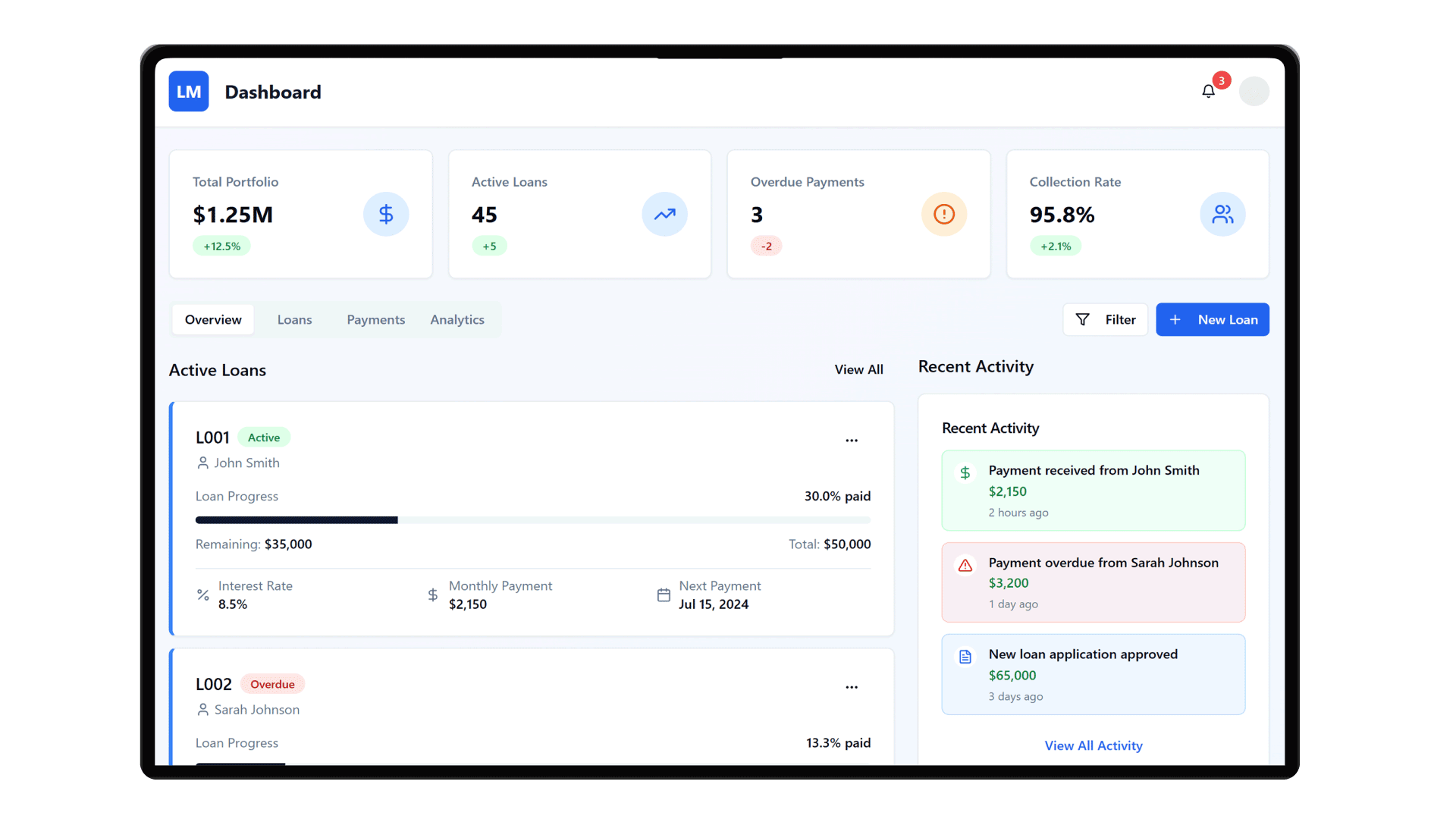
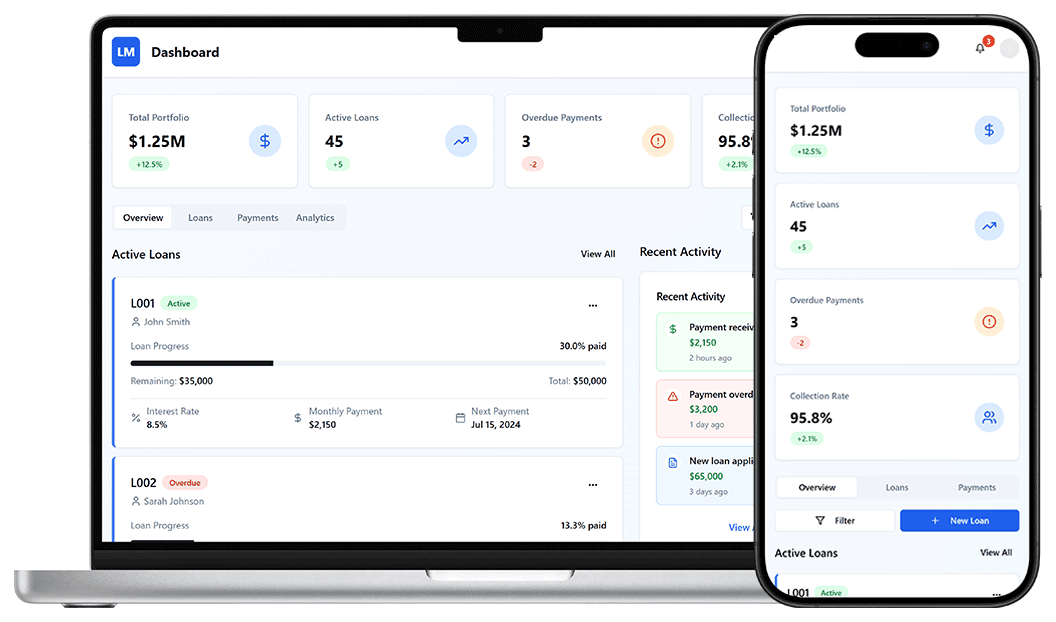
Working capital financing platforms help businesses cover operational expenses, inventory purchases, and vendor payments. They manage eligibility assessment, disbursements, and repayment cycles within structured lending processes. Unlike long-term loans, working capital credit depends heavily on real-time cash-flow evaluation. Manual underwriting delays approvals and restricts business growth opportunities.
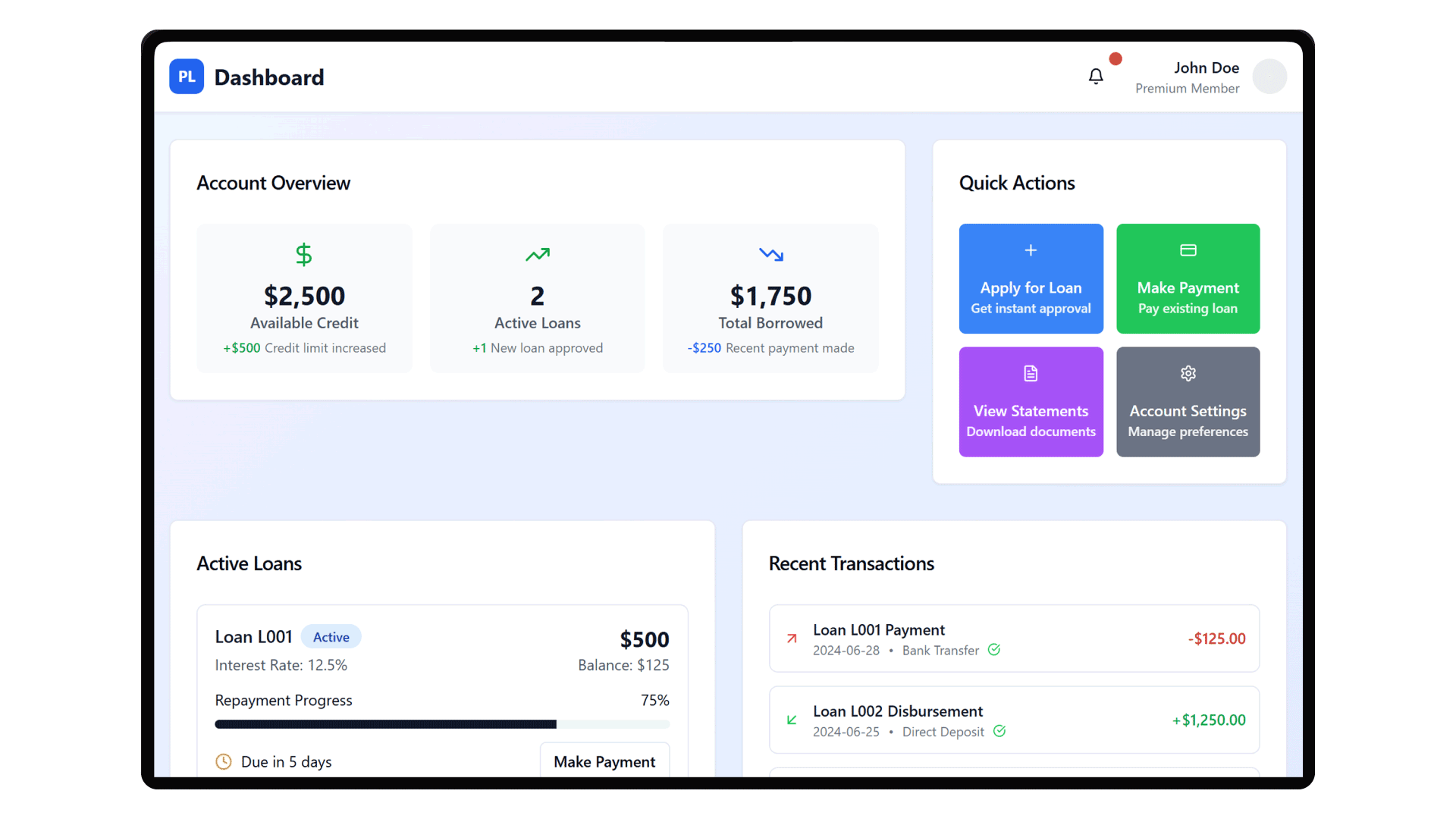
Platform Architecture Logic
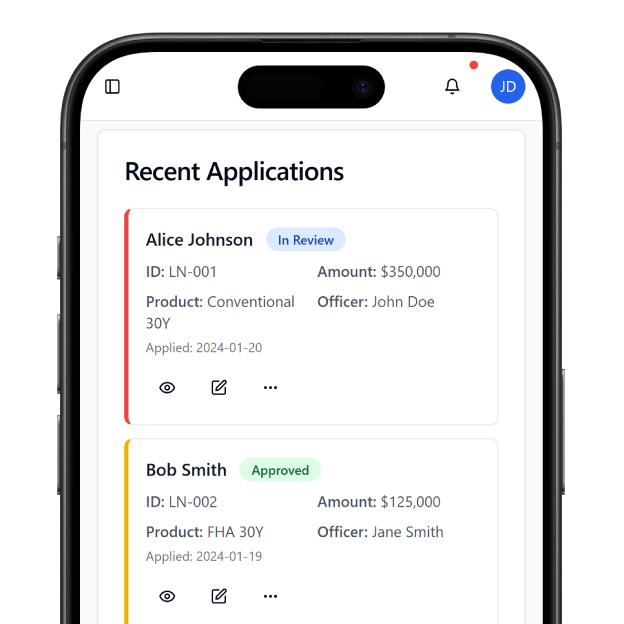
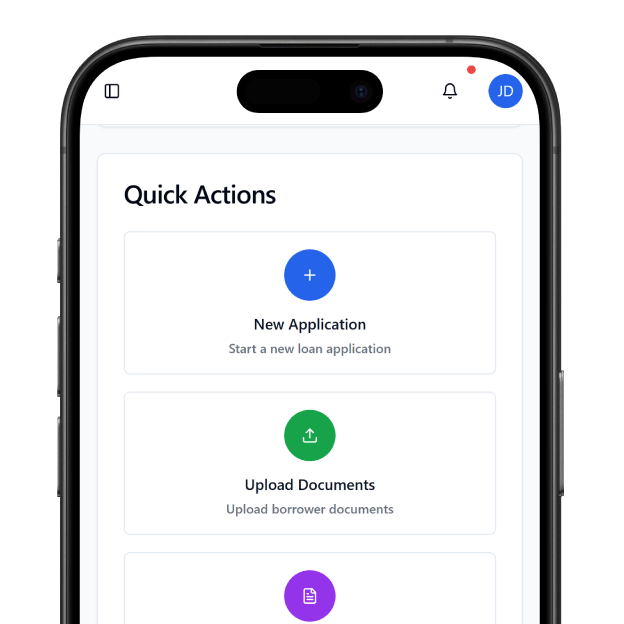
AI-assisted configuration allows lenders to define funding rules, risk criteria, and repayment schedules visually. This reduces operational complexity while maintaining structured credit decisioning. Many lenders connect liquidity financing with broader enterprise credit offerings, such as commercial lending software. Servicing and repayment monitoring are often coordinated through loan management software.
Core Working Capital Features
These features define what a production-ready working capital finance system must support for business lending.

Business Borrower Onboarding
Digitally verify company identity, financials, and eligibility documentation

Cash-Flow Risk Assessment
Evaluate revenue patterns and transaction histories automatically

Flexible Disbursement Scheduling
Release funds aligned with business operational requirements

Short-Term Repayment Tracking
Monitor frequent repayments and automate payment reminders

Credit Limit Management
Adjust credit lines based on ongoing performance metrics

Audit & Activity Records
Maintain transparent logs across funding lifecycle operations


We partnered with DrapCode to develop our new Automated CRM using their low-code platform. Outstanding quality at half the price, unmatched speed, and excellent customer service.
Cal Goggans
Founder - A Custom Fit iNMotion



DrapCode stands out as the best. Flexible, scalable, and supported by an expert team. After 3 years on another tool, DrapCode is simply superior.
Cory Nation
President - Embark EMR


DrapCode is an easy-to-use no-code platform with a drag-and-drop interface, making it accessible for non-developers. The support team is highly responsive and dedicated to user success.
Joseph Young
President - Renew Hope And Healing
Governance & Integration Controls
These controls ensure business funding platforms remain secure and scalable.

Visual Workflow Automation
Configure underwriting and approval logic without engineering dependency

Role-Based Access Permissions
Separate lender, borrower, and operations user access securely

API Connectivity Layer
Connect accounting systems and payment gateways seamlessly
Scalable Infrastructure Framework
Support high-volume SME funding applications reliably
Use Case Applications

SME Operational Financing
Provide capital for day-to-day business operations.

Inventory & Vendor Payments
Support purchasing cycles and supplier obligations.

Recurring Credit Facilities
Enable revolving working capital credit lines.
How It Works
 Configure Funding Rules
- Build Borrower Flows
- Connect Financial Systems
- Launch Lending Platform
Configure Funding Rules
Define eligibility based on cash-flow metrics
Build Borrower Flows
Create business application onboarding workflows

Connect Financial Systems
Integrate accounting and payment providers securely

Launch Lending Platform
Deploy automated business funding operations

Compliance & Risk Monitoring
Business lending platforms must secure financial records, transaction data, and borrower documentation through controlled permissions. Structured audit tracking improves transparency and regulatory readiness. Working capital solutions often expand into receivable-based funding through an invoice factoring software.