Build Patient Portal on Kipu EMR with DrapCode
DrapCode builds custom patient portals around Kipu EMR, helping behavioral health and addiction treatment providers create patient experiences aligned with recovery workflows and supported by Kipu integrations.
Trusted by Healthcare Innovators
1,000+ organizations trust DrapCode to help healthcare teams launch secure & HIPAA-compliant applications.






Built for Recovery Care
Kipu EMR is built specifically for behavioral health and addiction treatment. It brings patient charting, scheduling, outcomes, medication management, telehealth, labs, occupancy management, and clinical workflows into one platform. For treatment organizations, the patient journey can extend from admission through residential or outpatient care and into continuing recovery. DrapCode can build a front end shaped around those stages rather than a generic medical portal.
Extend the Kipu Portal
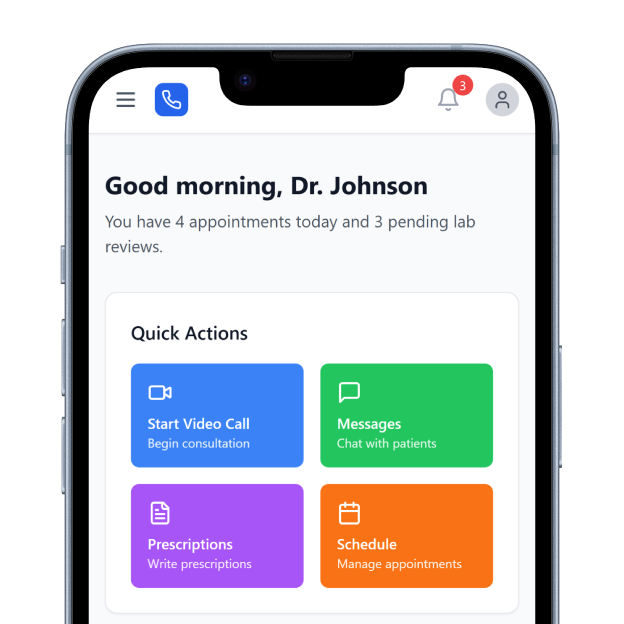
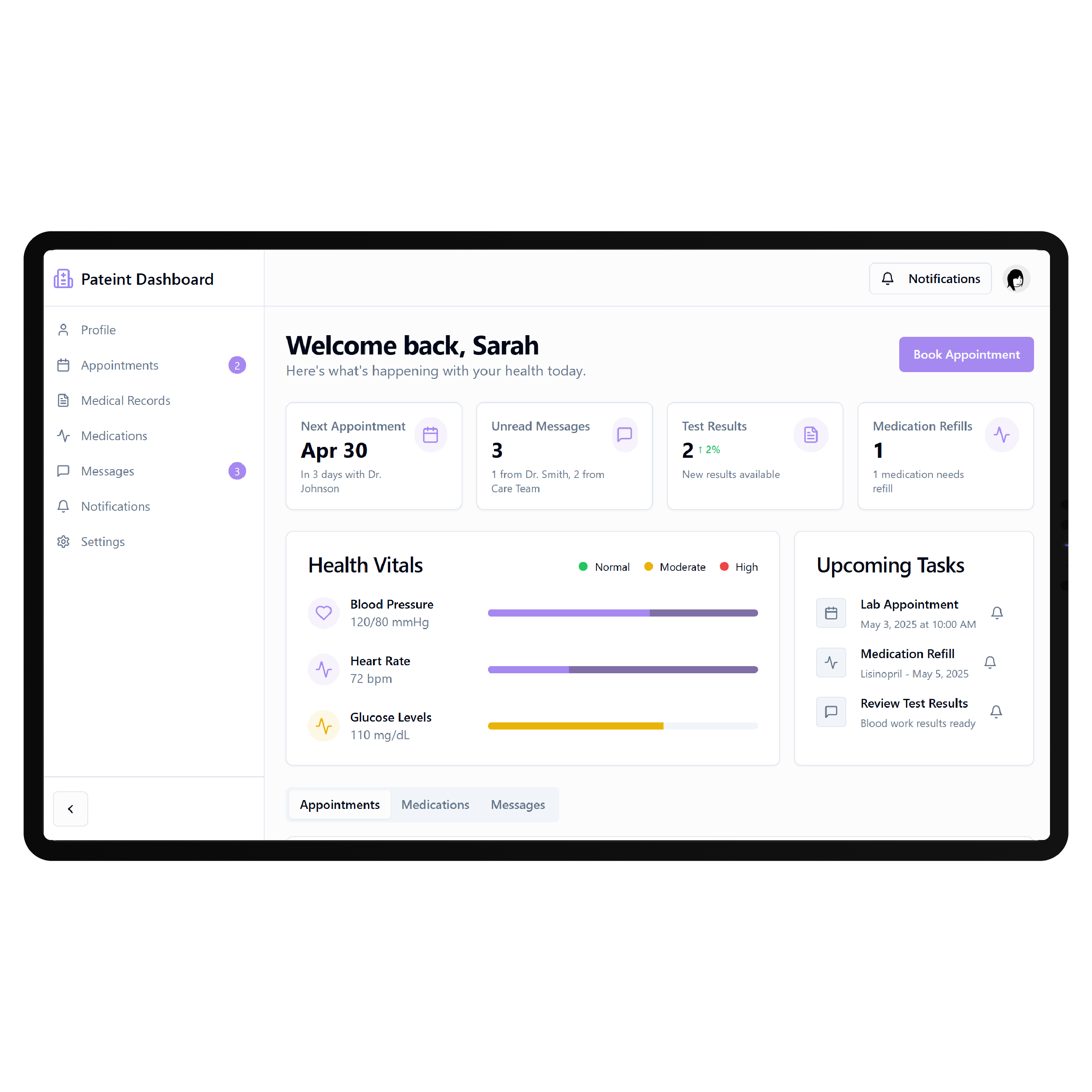
Kipu already provides a web and mobile Patient Portal where patients, guardians, and guarantors can access information, use secure messaging, view appointments and medications, exchange documents, and launch telehealth sessions. A custom portal makes sense when your organization needs program-specific journeys, different branding, alumni experiences, or additional digital services. Connected functionality should be planned around Kipu’s available APIs and approved access.
Key Features Provided by Kipu EMR
Kipu gives treatment providers the portal, scheduling, telehealth, outcomes, and medication foundation your patient portal builds on.

Patient Portal
Gives patients, guardians, and guarantors secure access to treatment information throughout the recovery journey.

Secure Messaging
Enables protected two-way communication between patients and treatment teams through the Kipu Patient Portal.

Appointment Scheduling
Manages provider, location, group, and patient schedules with configurable calendars and automated reminders.

Integrated Telehealth
Lets patients launch virtual treatment sessions directly through the Kipu Patient Portal from scheduled appointments.

Outcome Tracking
Collects behavioral health assessments and reports outcomes by patient, program, location, or care level.

Medication Management
Supports medication orders, administration, e-prescribing, inventories, and specialized medication-assisted treatment workflows within Kipu.
Across the Recovery Journey

Addiction Treatment
Create digital journeys around admission, treatment milestones, appointments, patient resources, and continuing recovery support.

Residential Programs
Give patients and authorized contacts structured access to relevant information throughout longer treatment episodes.

Outpatient Care
Support recurring therapy, telehealth, assessments, medication workflows, and follow-up interactions beyond facility-based treatment.
Key Features DrapCode Can Build in the Patient-Facing Front End

Recovery Dashboard
Organize approved care information using a tailored approach similar to an OpenEMR patient portal.

Program Onboarding
Guide patients through organization-specific admission steps, intake requirements, preparation information, and program orientation.

Treatment Journey
Present approved milestones, appointments, resources, and next steps through a clearer patient-facing care experience.

Family Access
Design appropriate experiences for guardians or guarantors where organizational policies and Kipu access support them.

Continuing Care
Create post-treatment spaces for approved resources, follow-up programs, appointments, and ongoing recovery engagement activities.
Mobile Experience
Make essential behavioral health portal workflows straightforward across smartphones, tablets, laptops, and desktop devices.
Connect Through Kipu
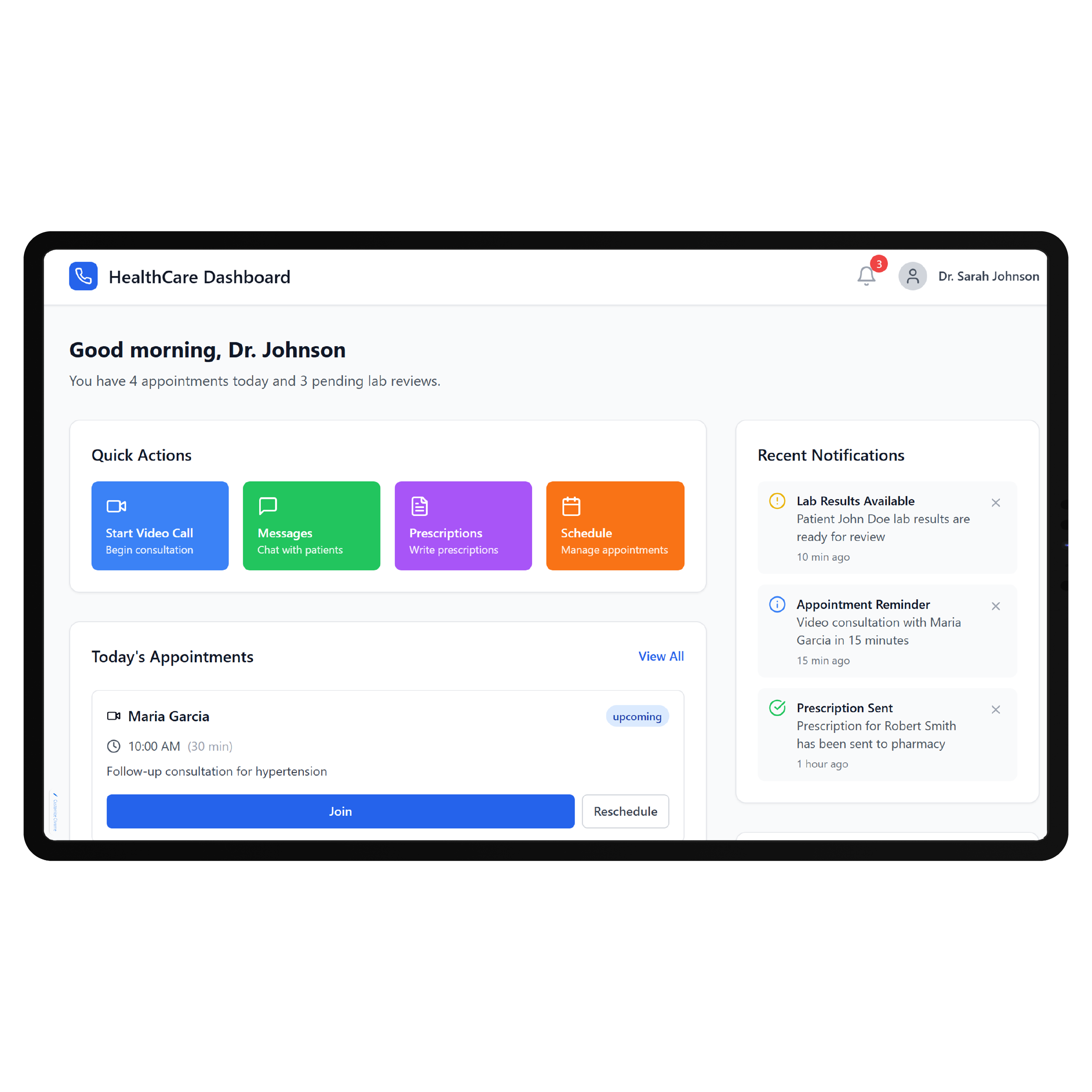
Kipu provides APIs for third-party integrations and states that 41 APIs are currently available across its instances. Clients or developers working with Kipu clients need an API key, while Kipu’s terms describe customized API work with software providers authorized by the client. DrapCode can map the required patient experience against available Kipu access, following the same integration-first approach needed for a PatientNow EMR patient portal. The final scope depends on the required data, API availability, permissions, authentication, and Kipu’s integration process.
Follow Patients Beyond Admission
Behavioral health engagement does not stop after intake or a single appointment. Treatment can involve recurring sessions, assessments, medication management, telehealth, different levels of care, and continuing support after discharge. Kipu is designed around this broader behavioral health lifecycle. DrapCode can shape the front end around those patient transitions, applying the same system-specific thinking used for a Plexia EMR patient portal . Kipu remains the underlying clinical environment while the custom portal focuses on the digital experience patients need.
Frequently Asked Questions
Does Kipu EMR already provide a patient portal?
Why build a custom patient portal around Kipu?
Does Kipu provide APIs for custom integrations?
What can DrapCode build for organizations using Kipu?
What determines whether a Kipu integration is feasible?
Build Around Your Treatment Model
Tell DrapCode how your organization uses Kipu, and we’ll map a patient portal around your programs, recovery journey, and supported integration requirements.