FHIR Server for Secure Healthcare Data Exchange
Build and deploy a FHIR server that stores, validates, searches, and exchanges structured healthcare data across your applications and connected clinical systems.
More Than a FHIR Endpoint
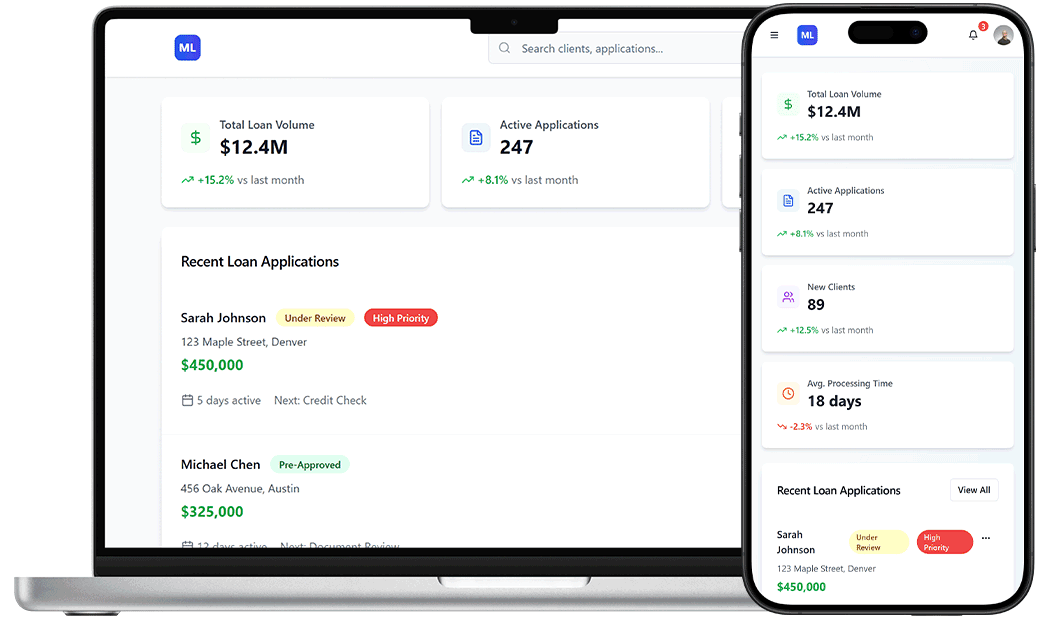
A FHIR server sits behind the applications using healthcare data. It receives requests, validates resources, manages relationships between records, controls access, processes searches, and returns information in a standardized format. That makes server design an infrastructure decision, not simply an API task. Resource volume, search patterns, authorization rules, terminology, versioning, and integration traffic all affect how the server needs to operate in production.
Keep Incoming Data Consistent
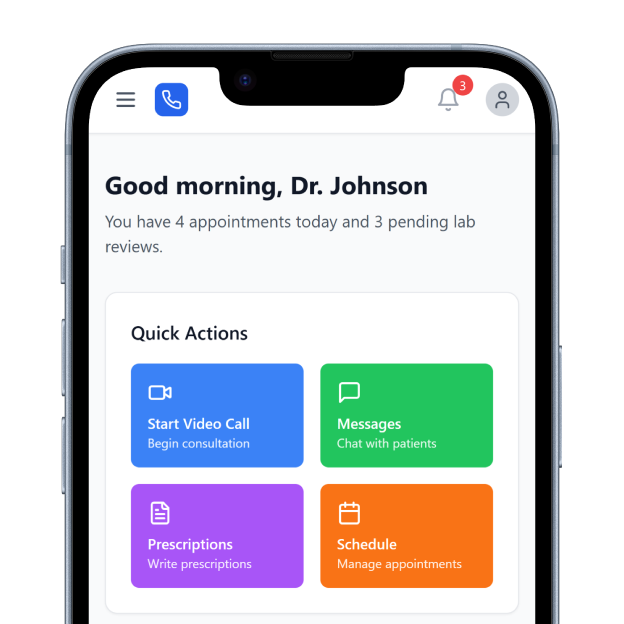
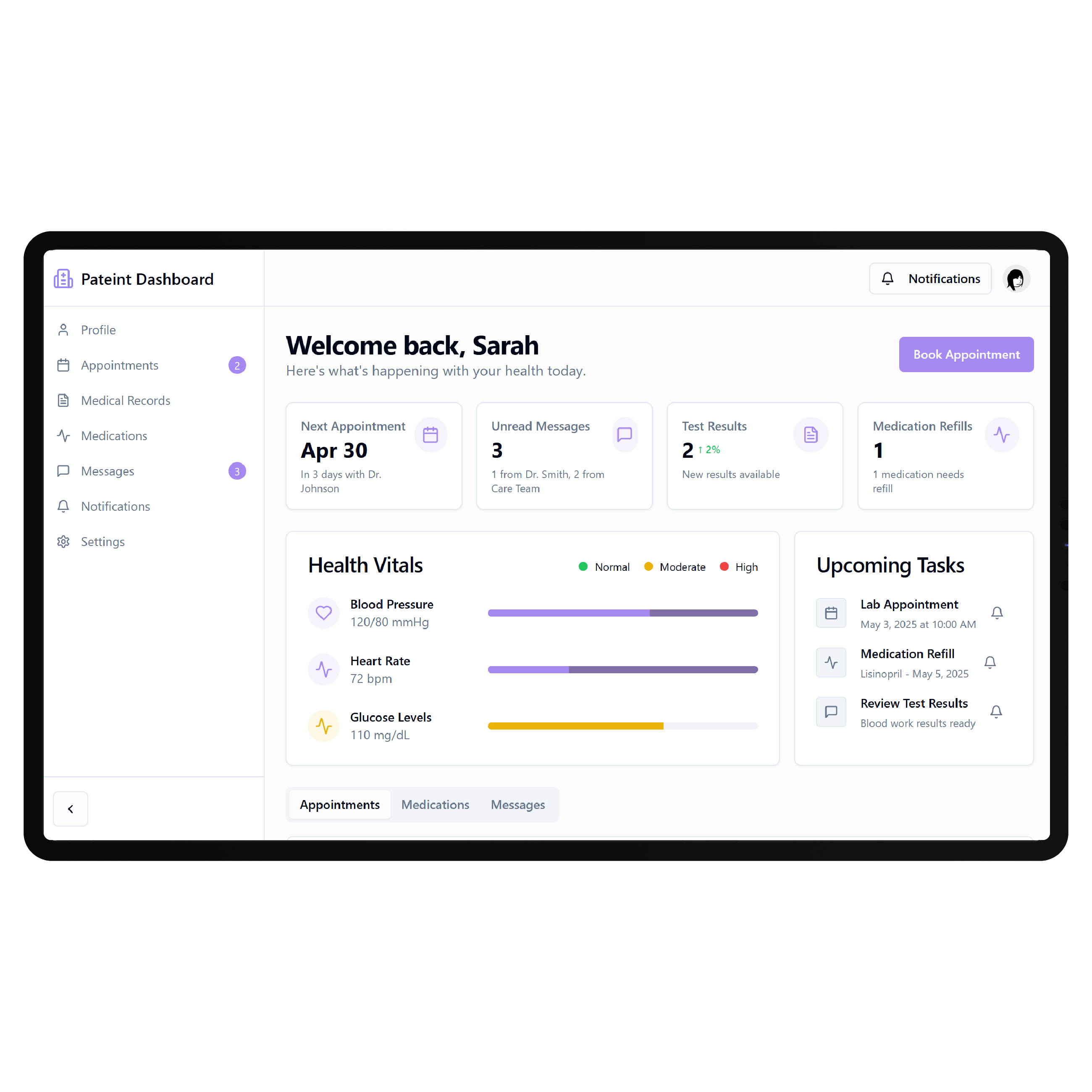
Healthcare data does not always arrive ready to store as a valid FHIR resource. Existing applications, legacy integrations, external APIs, and custom systems may send information using completely different schemas. When source data arrives in proprietary JSON structures, a JSON-to-FHIR Converter can map and validate that information before the resulting resources enter the FHIR environment.
Server Capabilities
Give connected healthcare applications a reliable backend to store, retrieve, validate, and exchange standardized clinical information.

Resource Storage
Store patients, encounters, observations, conditions, medications, and other supported FHIR resources securely and consistently.

REST Endpoints
Expose supported create, read, update, delete, and search operations through standardized FHIR endpoints.

Resource Validation
Reject malformed or unsupported resources before invalid healthcare information enters downstream application workflows.
FHIR Search
Query resources using identifiers, dates, references, clinical attributes, and other supported search parameters.

Bundle Processing
Process related resources through transactions or batches when workflows require coordinated data exchange.

Version History
Maintain resource changes and historical versions where applications require traceability across clinical data updates.
Server Controls
Production FHIR infrastructure needs controls for access, performance, traceability, and connected-application behavior.

Authorization Policies
Restrict resources and operations according to authenticated users, applications, scopes, and defined permissions.

Audit Logging
Record requests, resource activity, access events, and administrative changes for investigation and accountability purposes.

Performance Monitoring
Track request volume, latency, failures, resource usage, and server health continuously across production environments.
Error Management
Capture validation failures, rejected transactions, unavailable dependencies, and unexpected server responses for investigation.
Where a FHIR Server Fits

Shared Clinical Data Layer
Organizations operating several healthcare applications can use a FHIR server as a standardized data layer instead of creating separate data structures for every connection. Applications can retrieve or update approved resources through a consistent interface.

Diagnostic Data Exchange
Laboratory workflows can generate observations, diagnostic reports, specimens, service requests, and other structured clinical information. A can connect with the FHIR server when laboratory data needs to become available to other authorized clinical applications.

FHIR-Based Products
Digital health products can use the server as their standardized clinical backend while keeping user experience and workflow logic in the application layer. then focuses on what clinicians, patients, or operational teams actually do with those resources.
From Data Model to Production
Design the server around the exchanges it must support, not every possible FHIR capability from the start.
 Store only required resources
- Validate before accepting data
- Control resource-level access
- Make every failure observable
Define Resources
Identify the FHIR resources, profiles, extensions, terminology, references, search parameters, and operations required by connected applications.
Design Access
Determine which users and applications can read, create, update, search, or otherwise interact with each supported resource.
Configure Exchange
Implement endpoints, validation rules, search behavior, bundle handling, integrations, authentication, logging, and required resource relationships.
Test Under Load
Validate normal transactions alongside concurrent requests, invalid resources, authorization failures, complex searches, unavailable dependencies, and other production conditions.
Protect the Data Layer
A FHIR server may contain patient demographics, diagnoses, medications, observations, laboratory results, encounters, care plans, and other protected health information. Endpoint authentication is only one part of protecting that environment. DrapCode supports HIPAA-compliant healthcare application development with encryption at rest and in transit, role-based access, audit logging, controlled infrastructure, and data-access safeguards. You can sign a BAA before development begins when DrapCode handles PHI.
Why Build Your FHIR Server with DrapCode
A FHIR server has to work with the rest of your healthcare architecture. Resource definitions, source systems, applications, authentication, transformations, and downstream workflows all influence how you implement the server. DrapCode brings healthcare application development and interoperability work into the same delivery process. We can build the surrounding applications, integrations, data transformations, security controls, and production infrastructure needed to make the FHIR server useful beyond its endpoints.
Frequently Asked Questions
What is a FHIR server?
Is a FHIR server the same as a FHIR API?
Does a FHIR server need to support every FHIR resource?
Can a FHIR server connect with existing EHRs?
Is a FHIR server automatically HIPAA compliant?
Build the Data Layer Your Healthcare Apps Can Depend On
Tell us which systems will send data, which applications need to consume it, and which FHIR resources are involved. We'll design the server around those real exchange requirements.