How EMR-Integrated Hospital Management Software Transforms Patient Care
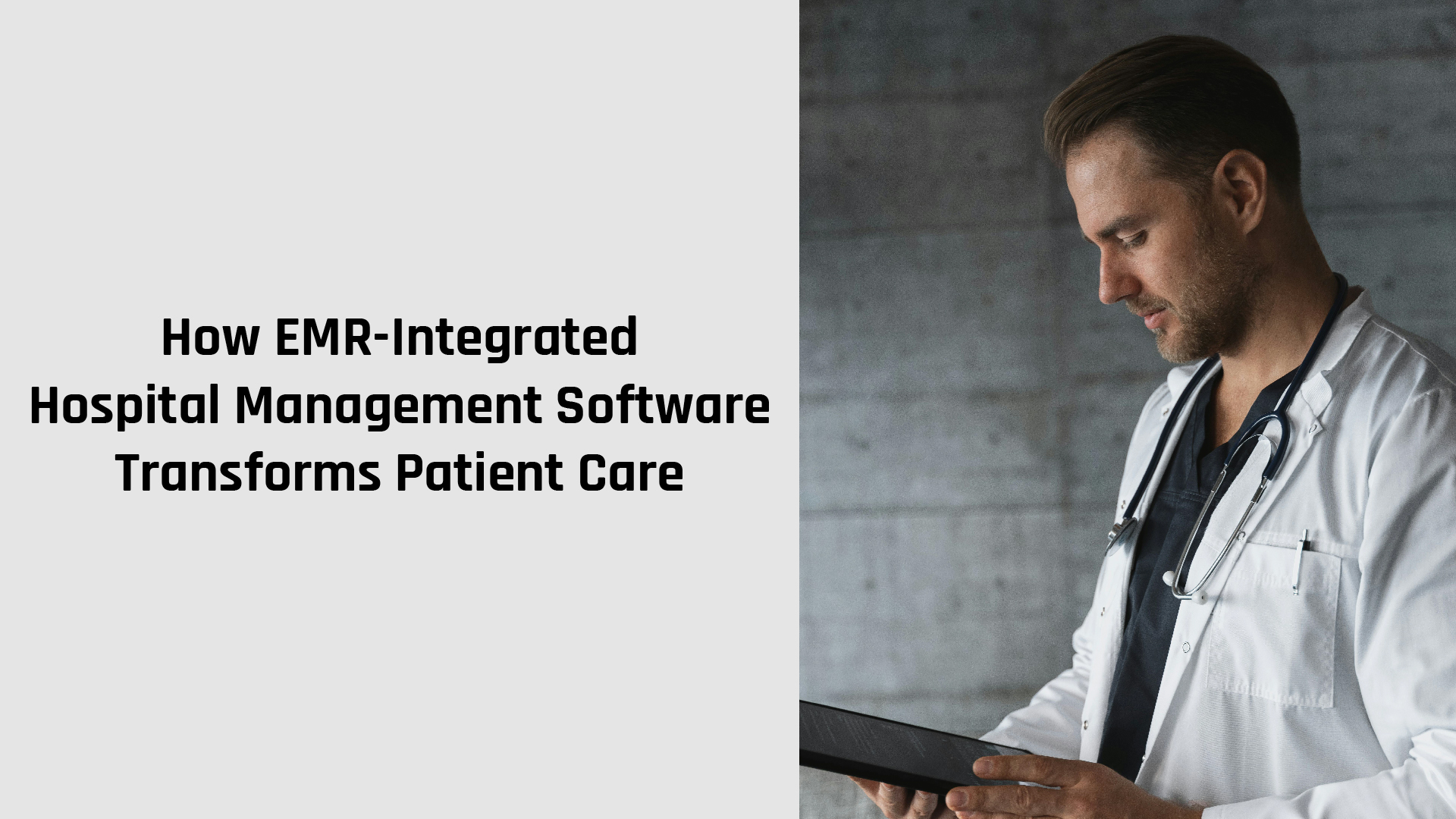
In today’s healthcare landscape, the integration of Electronic Medical Records (EMR) with hospital management software is revolutionizing patient care. Hospital Management Software EMR solutions streamline healthcare workflows, enhance data accessibility, and improve the quality of care provided to patients. By seamlessly combining clinical and administrative tasks, EMR-integrated hospital management software supports healthcare professionals in delivering timely and effective care. In this article, we’ll explore the key ways EMR integration transforms patient care and why it’s essential for modern hospitals.
The Importance of EMR Integration in Hospital Management Software
The ability to quickly access and update patient records is crucial in healthcare. Traditional paper records and standalone systems can be time-consuming and prone to errors. EMR-integrated hospital management software centralizes patient information, ensuring that healthcare providers have the most up-to-date data at their fingertips. This centralization not only reduces administrative burdens but also facilitates better collaboration among medical teams, ultimately leading to improved patient outcomes.
Key Benefits of EMR-Integrated Hospital Management Software
- Enhanced Data Accessibility and Security - In a hospital setting, data accessibility is critical. EMR integration ensures that all medical records, lab results, and imaging reports are available to authorized staff in real-time. This capability greatly enhances decision-making and speeds up treatment processes. Moreover, EMR-integrated systems use advanced security protocols, protecting sensitive patient data from breaches, which is crucial for maintaining patient trust.
- Improved Patient Safety and Care Quality - EMR systems reduce the likelihood of errors in medical records, such as incorrect dosages or outdated patient information. With hospital management software EMR integration, healthcare providers can instantly access accurate patient history, allergies, medications, and other vital information. This comprehensive access reduces the risk of medical errors and enhances the quality of care, making it a fundamental aspect of modern hospital management.
- Streamlined Administrative Processes - By automating repetitive tasks like billing, appointment scheduling, and inventory management, EMR-integrated hospital management software allows administrative staff to focus on more strategic responsibilities. This streamlining reduces wait times for patients, optimizes staff workflows, and ultimately improves overall hospital efficiency.
- Increased Efficiency in Healthcare Workflows - Hospital workflows often involve multiple departments and providers who need to collaborate on patient care. EMR-integrated hospital management software allows healthcare teams to access the same information across departments, reducing redundancies and promoting teamwork. This improved workflow efficiency ensures that patients receive timely and coordinated care.
Key Features of EMR-Integrated Hospital Management Software
- Comprehensive Patient Records Management - EMR integration allows for comprehensive patient records that encompass medical history, lab results, treatment plans, and billing information. This feature enables healthcare providers to make informed decisions based on a complete patient profile, which is essential for delivering quality care.
- Automated Appointment Scheduling and Reminders - EMR-integrated systems automated appointment scheduling, which reduces no-shows and allows patients to receive timely reminders. This feature enhances patient engagement and optimizes the hospital's daily schedule, creating a more organized and patient-friendly environment.
- Billing and Revenue Cycle Management - Integrating billing with EMR streamlines the revenue cycle by automating insurance verification, claims submission, and payment processing. Hospital management software EMR integration ensures that billing processes are accurate and efficient, reducing financial losses and enhancing patient satisfaction.
- Inventory and Supply Chain Management - Managing medical supplies and equipment efficiently is vital for hospital operations. EMR-integrated hospital management software allows hospitals to monitor inventory levels and track usage. This inventory management feature prevents shortages and ensures that essential medical supplies are always available, supporting continuous patient care.
- Data Analytics for Informed Decision-Making - Advanced EMR-integrated systems often feature built-in analytics tools, allowing hospitals to analyze patient data and identify trends. This data-driven approach empowers hospital administrators to make informed decisions, allocate resources effectively, and improve patient outcomes over time.
How EMR-Integrated Software Improves the Patient Experience
- Faster and More Accurate Diagnoses - With immediate access to a patient’s complete medical history, healthcare providers can make faster and more accurate diagnoses. This speed and precision in diagnosis lead to prompt treatment, which is especially important in emergency cases. Patients benefit from shorter wait times and faster recovery, enhancing their overall experience.
- Increased Patient Engagement and Transparency - EMR-integrated hospital management systems allow patients to access their own medical records through secure patient portals. This transparency promotes greater patient engagement, as individuals can actively participate in their own healthcare by viewing test results, treatment plans, and other information. Increased engagement often leads to better adherence to treatment plans and improved patient satisfaction.
- Seamless Transitions Between Healthcare Providers - In cases where a patient requires specialized care, EMR integration enables smooth transitions between primary care physicians, specialists, and other providers. This continuity of care ensures that each provider has access to complete patient information, reducing the need for duplicate tests and minimizing delays in treatment.
Why Hospitals Should Invest in EMR-Integrated Management Software
Investing in EMR-integrated hospital management software is not only a step towards modernization but also a commitment to enhanced patient care and operational efficiency. As healthcare demands continue to rise, hospitals need to adopt technology that enables them to keep up with patient expectations and regulatory requirements. EMR integration facilitates compliance with healthcare standards, protects patient privacy, and ensures that hospitals deliver high-quality care.
Choosing the Right EMR-Integrated Hospital Management Software
When selecting a hospital management system, it’s essential to choose one that integrates seamlessly with existing EMR solutions and offers scalability to accommodate hospital growth. DrapCode’s no-code platform is a great option for hospitals looking to build or customize their EMR-integrated systems without extensive coding. DrapCode allows healthcare administrators to create tailored solutions that meet the specific needs of their institution, enhancing both patient care and administrative efficiency.
Future Trends in EMR-Integrated Hospital Management Software
As technology advances, we can expect hospital management software to become even more robust and patient-centric. Emerging trends include the integration of artificial intelligence for predictive analytics, telemedicine support, and personalized patient care. These advancements will make hospital management software an even more indispensable tool for healthcare providers, empowering them to offer better, more efficient care to their patients.
Conclusion
The integration of EMR with hospital management software is transforming the healthcare sector by enhancing patient care, streamlining operations, and improving the patient experience. For hospitals, this transformation represents an invaluable opportunity to modernize and deliver superior care. By choosing adaptable, scalable solutions like DrapCode’s no-code platform, hospitals can customize their software to meet their unique needs and stay at the forefront of healthcare innovation.