How No-Code Platforms Are Powering the Next Wave of E-commerce Startups
Starting an online store used to feel complicated. You needed developers, designers, hosting setups, and a long list of technical decisions before your first product could even go live. For many small founders, that process alone stopped the idea before it began.
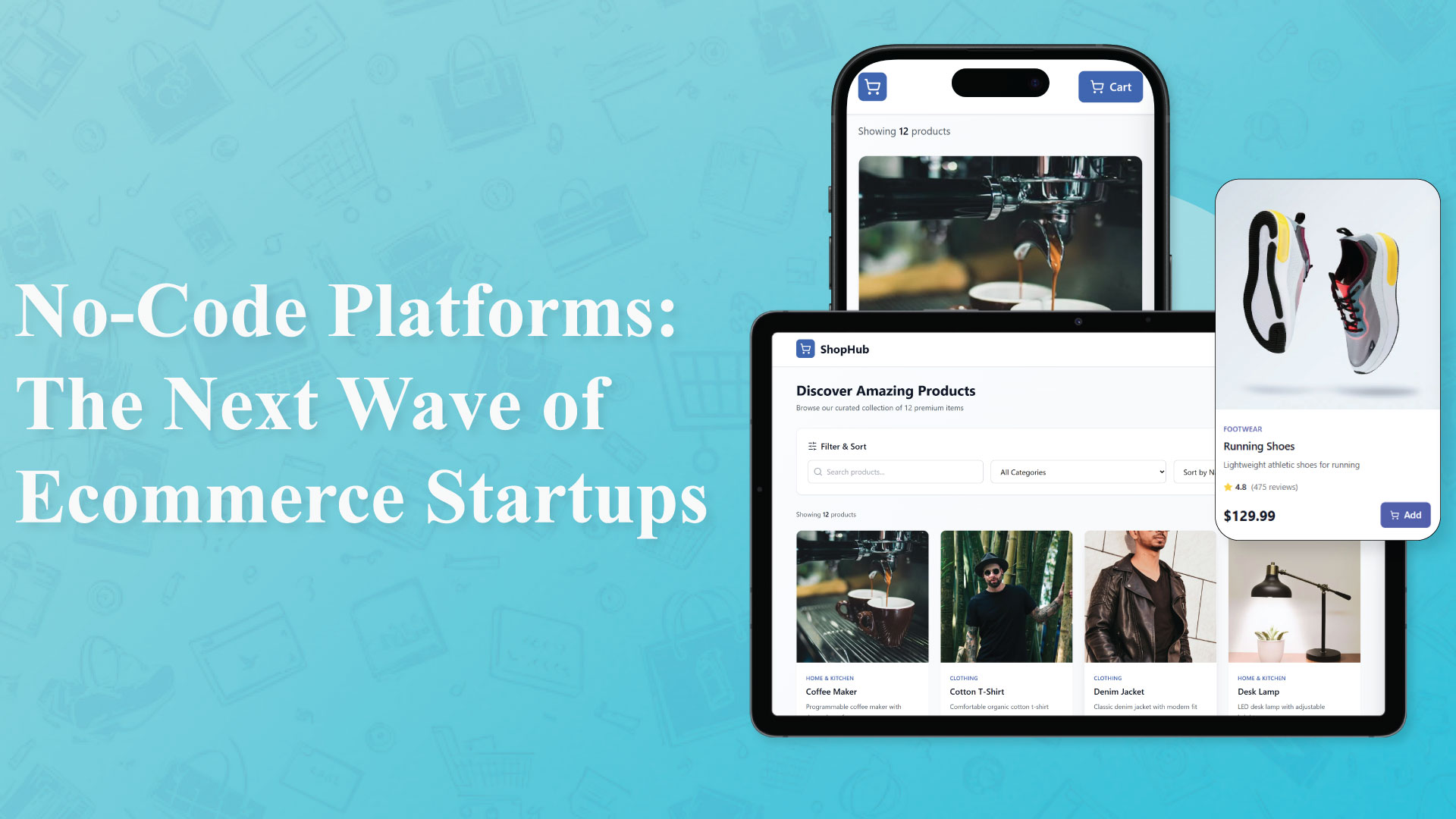
Things look very different today. A new generation of tools has made it possible to build websites, apps, and even entire online stores without writing code. These tools are called no-code platforms, and they are quietly changing how e-commerce businesses get started. Many founders are now launching stores faster, testing ideas sooner, and focusing more on the product instead of the technical setup.
What Are No-Code Platforms?
No-code platforms are software tools that allow people to build websites, apps, or online stores without programming knowledge. Instead of writing code, users work with visual editors, drag-and-drop blocks, and built-in templates. The platform handles the technical side in the background, which makes development simpler and faster for non-technical founders.
Platforms like DrapCode allow entrepreneurs to visually build powerful web applications without coding, and many founders even rely on curated resources, such as this guide on 10 no-code tools to launch a startup, when choosing the right tools.
Why E-commerce Startups Are Turning to No-Code
Here are some reasons why no-code tools are becoming popular among new e-commerce businesses.
1. Improved User Experience
Modern no-code platforms are built with customer experience in mind. Many of them offer professionally designed templates, responsive layouts, and built-in checkout systems that already follow e-commerce best practices.
For a startup founder, this means the store looks polished from the beginning. Navigation feels smoother, product pages load faster, and the checkout process becomes easier for buyers.
A good user experience often makes the difference between someone browsing and someone actually completing a purchase. No-code tools help new businesses deliver that experience without needing a full design team.
2. Lower Cost
Hiring developers to build an e-commerce platform from scratch can be expensive. Even small projects may require ongoing technical maintenance, updates, and troubleshooting.
No-code tools reduce these costs significantly. Most platforms operate on subscription plans that include hosting, security, and updates. This makes it much easier for startups to manage their budgets in the early stages, when every expense matters.
3. Faster Development
Speed matters in e-commerce. Trends change quickly, and new product ideas need to be tested fast.
With traditional development, launching a store can take weeks or months. No-code platforms shrink that timeline dramatically. Founders can set up a storefront, upload products, configure payments, and start selling in a fraction of the time.
This faster setup allows businesses to experiment. If an idea works, it can scale. If it does not, the founder can pivot quickly without losing months of work.
4. Accessibility for Non-Technical Founders
Many e-commerce founders come from backgrounds like retail, marketing, design, or product development. Not everyone knows how to write code, and learning it takes time.
No-code platforms remove that barrier. Anyone with a basic understanding of how online stores work can start building their own e-commerce business. This has opened the door for a wider group of entrepreneurs who previously depended on technical partners to launch their ideas.
The Future of Ecommerce 2026: Why No-Code Will Lead
When considering the future of e-commerce in 2026, it becomes clear that speed and flexibility will matter more than ever. Buyers will expect personalised shopping experiences, quick delivery options, and seamless mobile browsing. Sellers will need tools that can adapt just as quickly.
As no-code adoption grows, platforms like DrapCode are helping startups build scalable, e-commerce and fintech-ready applications faster, especially as secure infrastructure becomes critical for modern businesses. For example, many founders are already exploring how secure payment gateways and no-code platforms are shaping the future of fintech.
No-code platforms are well-suited for this shift. They allow businesses to launch faster, experiment more freely, and respond to market trends without long development cycles.
Here are a few reasons why no-code tools align with the future of e-commerce.
1. Faster Launches
Businesses can create and launch a complete online storefront within a single day. This allows founders to test ideas quickly and enter the market without lengthy preparation.
2. Mobile-First Design
Most e-commerce traffic now comes from smartphones. No-code platforms typically include responsive templates that automatically adjust to mobile screens, making the buying process smoother for mobile users.
3. Reduced Costs
Startups will not need to spend large amounts on developers or custom development projects. Lower costs make it easier for small businesses to compete with larger online stores.
4. Easy Scaling
As a store grows, founders can add more products, integrate new tools, or improve the customer experience without major technical changes. This flexibility helps businesses expand without facing complicated development challenges.
Closing Thoughts
No-code platforms are changing how e-commerce startups begin their journey. They remove technical barriers, reduce costs, and allow founders to bring ideas to life much faster than before.
For entrepreneurs who want to test new products, launch quickly, and focus on customers rather than code, these tools offer a practical path forward. As e-commerce continues to evolve, no-code platforms will likely play a bigger role in shaping the next generation of online businesses.