Top 10 Benefits of Using Medical Billing Software with EMR Integration
In today’s fast-paced healthcare environment, integrating Medical Billing Software EMR can provide a transformative advantage. As clinics and hospitals look for ways to streamline their processes and enhance the patient experience, the integration of billing and Electronic Medical Records (EMR) is increasingly essential. Combining these systems allows healthcare providers to manage patient records, streamline billing, and reduce administrative overhead, all while improving care quality. This article will explore the top ten benefits of using medical billing software with EMR integration and how this unified approach optimizes efficiency and boosts productivity.
1. Enhanced Data Accuracy and Reduced Errors
Manual billing can often result in errors that lead to claim denials, delayed payments, and increased administrative burdens. When Medical Billing Software EMR systems are integrated, data is automatically shared between patient records and billing. This eliminates the need for duplicate entries and reduces human error, ensuring that records are accurate and complete. A more accurate billing process improves revenue cycle management and enhances trust with patients and insurers.
2. Faster Reimbursements and Reduced Payment Delays
Integration streamlines the claims process by minimizing errors and ensuring that all necessary documentation accompanies each claim. As claims are processed more accurately, they are approved faster by insurers, leading to quicker reimbursements. This reduction in payment delays can significantly improve cash flow for healthcare facilities, allowing them to reinvest in resources and services.
3. Streamlined Administrative Workflow
One of the most notable benefits of integrating billing with EMR is the reduction in administrative workload. Staff members no longer need to enter data multiple times across separate systems, which saves time and reduces repetitive tasks. With a streamlined workflow, employees can focus on more critical tasks, such as patient care and follow-up, resulting in a more efficient and productive healthcare environment.
4. Improved Patient Satisfaction and Engagement
With billing and EMR data in one system, healthcare providers can provide patients with a more cohesive experience. Patients benefit from simplified billing statements, timely explanations of charges, and the ability to access billing information through secure patient portals. By increasing transparency and accessibility, integrated systems enhance patient satisfaction and engagement with their healthcare providers.
5. Increased Compliance with Regulations
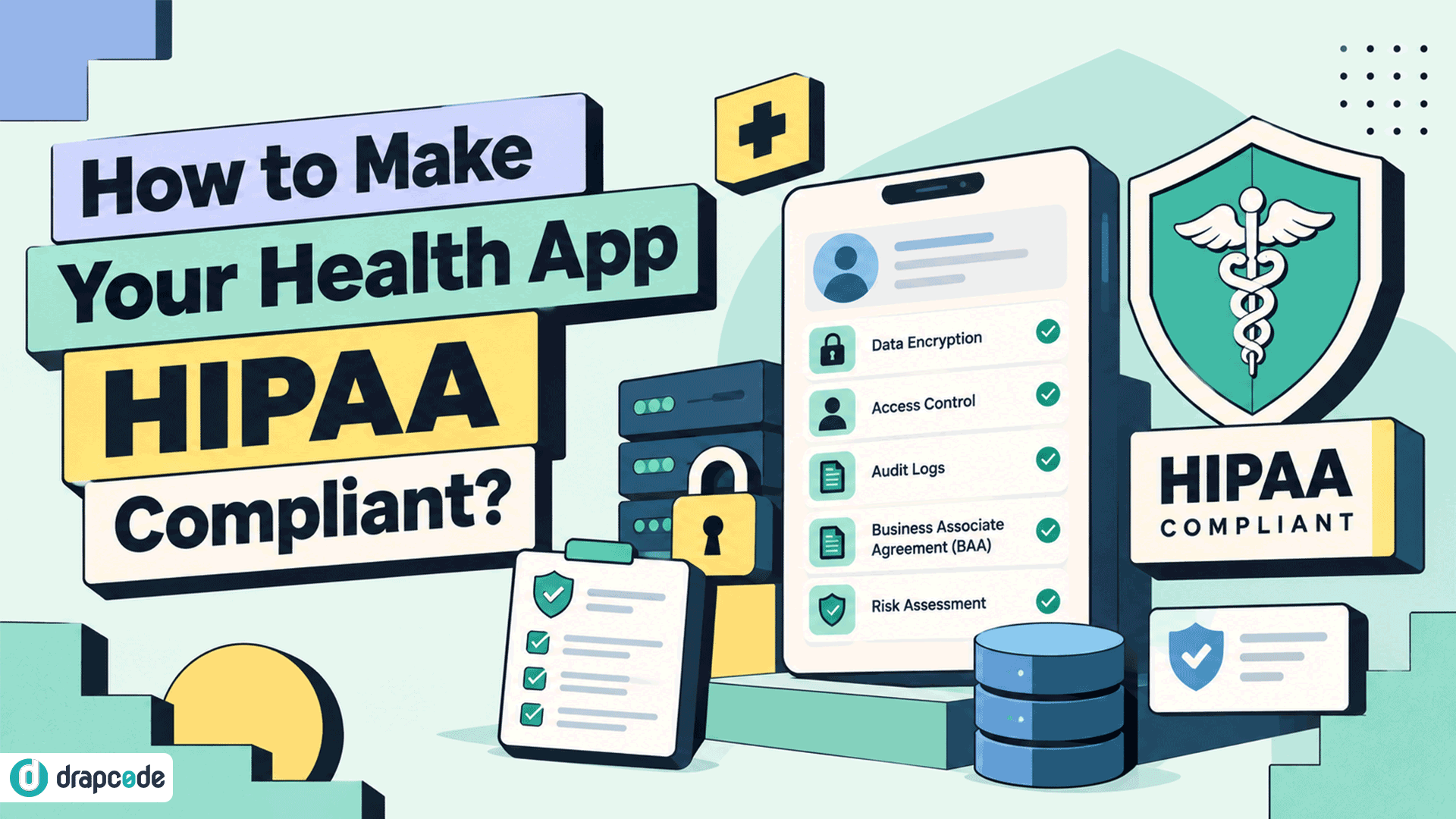
Medical billing is subject to stringent regulations, such as HIPAA in the United States. Integrated Medical Billing Software EMR systems simplify compliance by providing built-in security features, such as encryption and role-based access controls. By maintaining patient confidentiality and data integrity, integrated systems help healthcare providers adhere to regulatory standards, reducing the risk of fines and legal complications.
6. Data Insights for Improved Decision-Making
When billing and medical records are housed within the same system, healthcare providers gain access to powerful analytics tools. By analyzing data trends and patterns in billing, patient outcomes, and resource utilization, providers can make informed decisions to optimize services and improve care quality. For instance, data insights can highlight common billing errors or identify areas where operational efficiency can be enhanced.
7. Better Coordination Across Departments
Integrated systems allow seamless information sharing across departments, such as billing, medical, and administrative teams. This improved communication leads to better coordination of patient care and a unified approach to managing each patient’s healthcare journey. Coordination is especially crucial in larger practices or hospitals where multiple departments handle patient records, billing, and insurance claims.
8. Enhanced Revenue Cycle Management (RCM)
Effective revenue cycle management is essential for maintaining financial stability in healthcare. By using a single integrated system, billing and EMR work together to optimize RCM, ensuring that all patient interactions, billing transactions, and claims are accurately tracked. This integration minimizes revenue leaks and maximizes reimbursement rates, ultimately contributing to a healthier bottom line for healthcare providers.
9. Time Savings for Healthcare Staff
For healthcare staff, every saved minute translates into better focus on patient care. Integrated Medical Billing Software EMR systems reduce the time spent on administrative duties, such as double-checking information or tracking down missing paperwork. When billing and medical records are unified, staff can quickly retrieve patient information, streamline claim submissions, and minimize interruptions, enhancing the overall efficiency of the facility.
10. Scalability and Flexibility for Growing Practices
As healthcare practices grow, so do their billing and patient management needs. Integrated billing and EMR systems are designed to scale alongside the practice, accommodating additional records, users, and even locations without requiring a complete system overhaul. This flexibility enables healthcare facilities to grow sustainably, with the assurance that their systems can adapt to increasing demands.
How to Choose the Right Medical Billing Software with EMR Integration
When considering the integration of medical billing software and EMR, it’s essential to choose a system that aligns with your practice’s specific needs. Here are some factors to consider:

- User-Friendly Interface: Choose a system that is intuitive for staff to use, with clear dashboards, easy navigation, and accessible training resources.
- Security and Compliance: Ensure the software complies with regulatory standards, such as HIPAA, and includes robust security measures.
- Customizable Features: Look for a solution that allows customization to meet your practice’s unique workflows and specialty-specific requirements.
- Scalability: Opt for a scalable system that can grow with your practice and handle an increasing patient load.
- Patient Portals and Engagement Tools: Patient engagement features, such as secure portals, enhance transparency and satisfaction.
- Data Insights and Reporting Tools: Choose a system with data analysis capabilities to gain insights into billing trends and practice efficiency.
The Future of Integrated Medical Billing and EMR Systems
As healthcare technology evolves, the future of integrated Medical Billing Software EMR systems is bright. With advancements in artificial intelligence, machine learning, and automation, the potential for further streamlining billing, reducing administrative work, and improving patient care is vast. Predictive analytics can help healthcare providers better anticipate patient needs, optimize scheduling, and enhance resource allocation. Telemedicine integration, another growing trend, will allow providers to handle billing and medical records seamlessly for virtual consultations, offering even more flexibility for patients and providers alike.
Integrated systems are poised to become more adaptive, catering to specific needs of practices while making the patient experience more transparent and engaging. As healthcare continues to emphasize value-based care, the importance of efficient, accurate, and patient-centered systems will only grow.
Conclusion
Integrating medical billing software with EMR is not just about simplifying billing—it’s a holistic approach to improving healthcare efficiency and patient satisfaction. By combining billing and medical records, practices can reduce errors, streamline workflows, increase compliance, and make data-driven decisions that enhance both financial stability and patient care quality.
Whether you’re a small practice looking to enhance your billing accuracy or a large hospital aiming to improve patient engagement and regulatory compliance, the benefits of integrated Medical Billing Software EMR are substantial. By adopting a system tailored to your needs, you can drive significant improvements in operational efficiency, financial health, and the overall patient experience.