10 Ways AI Enhances No-Code Platforms for Smarter Automation
In recent years, no-code platforms have become game changers for businesses aiming to build applications quickly and efficiently. These platforms empower non-developers to create apps through intuitive visual interfaces, removing the need to write complex code. But while no-code simplifies app development, pairing it with artificial intelligence (AI) unlocks an entirely new level of efficiency and intelligence.
Enter AI-powered no-code automation—a dynamic fusion that’s redefining how applications are built, automated, and scaled. From smart workflows to personalized experiences, the integration of AI into no-code ecosystems is enabling faster decision-making, predictive logic, and scalable solutions tailored to user needs.
As more businesses seek agile and scalable development strategies, no-code platforms like DrapCode are pioneering the future by embedding AI features directly into their infrastructure. These AI capabilities are not just novelties—they are essential enhancements that make applications smarter, more adaptive, and increasingly self-sufficient.
In this blog, we explore 10 impactful ways AI transforms no-code platforms, making them smarter and more valuable for real-world automation.
1. Natural Language to Application Logic
One of the most user-friendly innovations in AI-powered no-code automation is natural language processing (NLP). Instead of dragging and dropping every logic block manually, users can simply describe what they want to build in plain English. AI then interprets the input and automatically generates backend logic or workflows.
With platforms like DrapCode, AI users can speed up development by using ChatGPT-style prompts to generate business rules, data models, and automation flows—all with minimal input.
This simplifies app creation and significantly lowers the entry barrier for non-technical professionals.
2. AI Chat Integration for Smarter User Interactions
Another key benefit is the ability to embed AI chat features directly into apps. By integrating large language models (LLMs), no-code platforms allow users to build conversational experiences that respond intelligently to user queries.
For example, DrapCode enables seamless ChatGPT integration within no-code apps, allowing users to automate customer support, lead generation, or onboarding flows without additional code. The result is a more responsive, human-like interaction layer that enhances UX and cuts operational costs.
3. Smart App Prototyping and Scaffolding
AI accelerates prototyping by generating full app structures based on user input. Whether you're creating a CRM, fintech dashboard, or healthcare portal, AI automation no-code tools can predict what UI elements, data models, and logic structures are required.
DrapCode’s AI App Generator exemplifies this approach. It enables users to describe an app idea and get a working prototype—with prebuilt pages, buttons, logic, and databases—within minutes.
This rapid scaffolding is particularly valuable for MVPs, allowing businesses to iterate and test faster than ever before.
4. Industry-Specific AI Workflows
A standout benefit of AI in no-code platforms is its ability to adapt based on industry context. Instead of offering generic templates, these platforms now tailor automation flows for specific sectors.
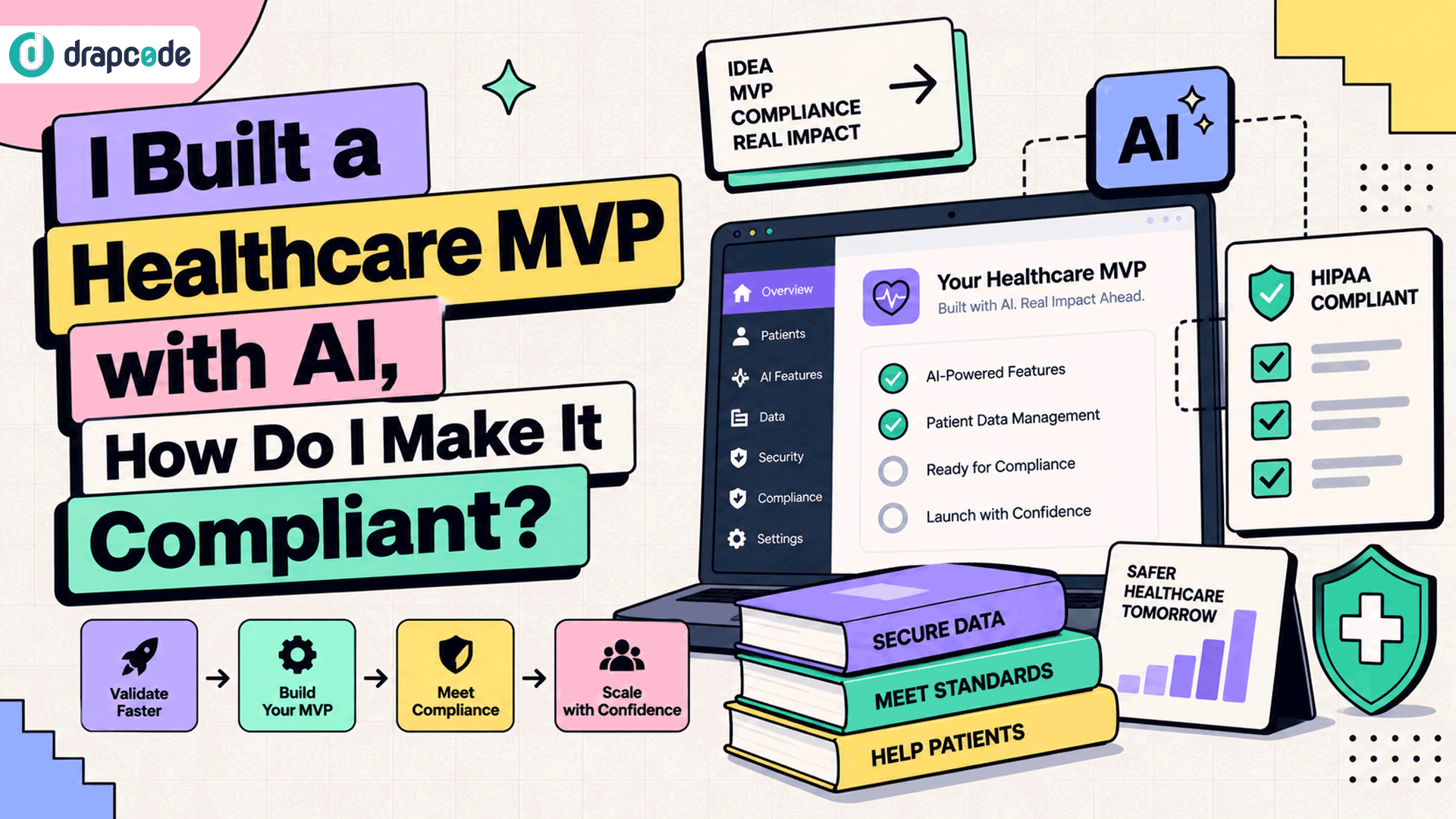
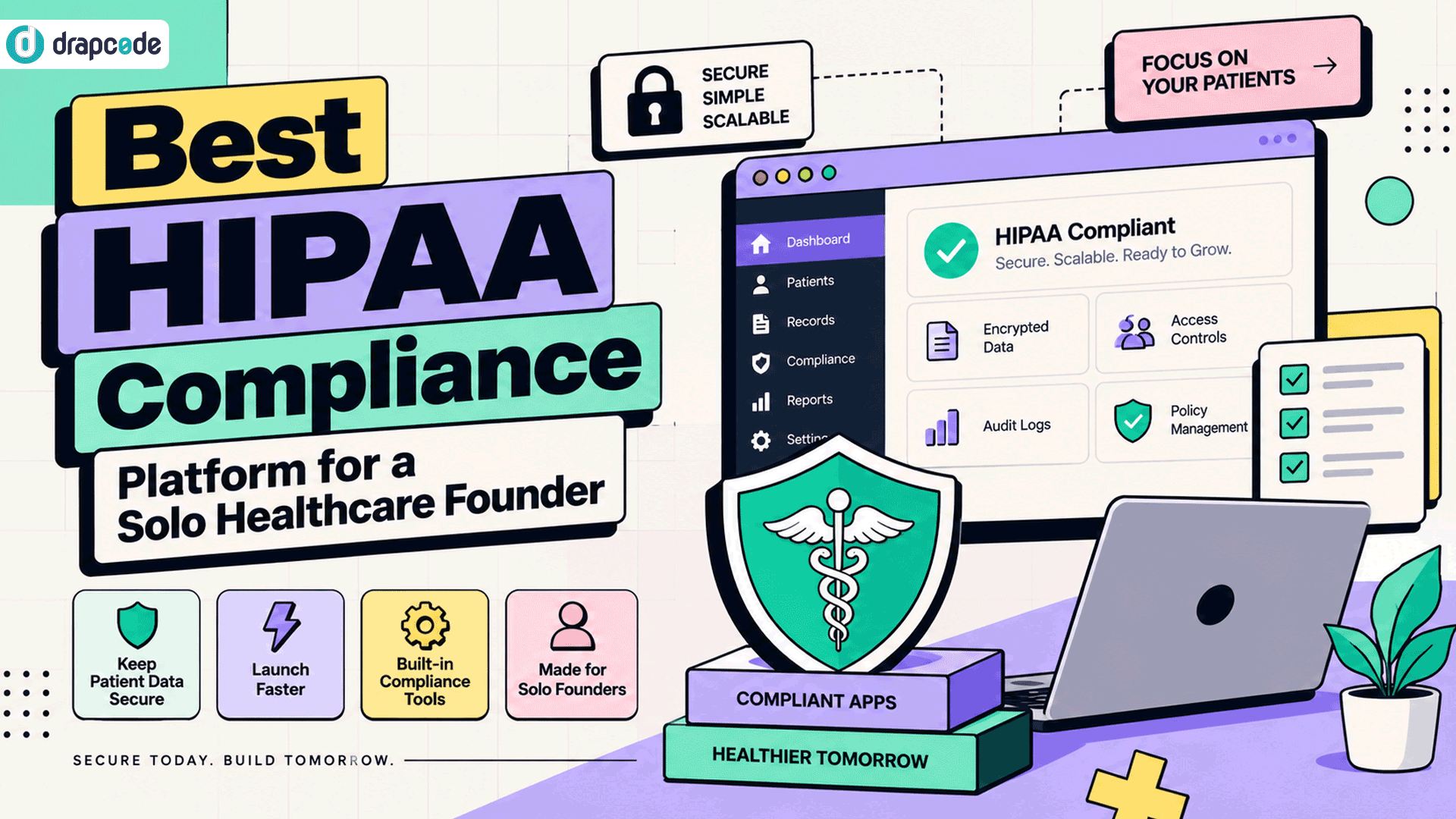
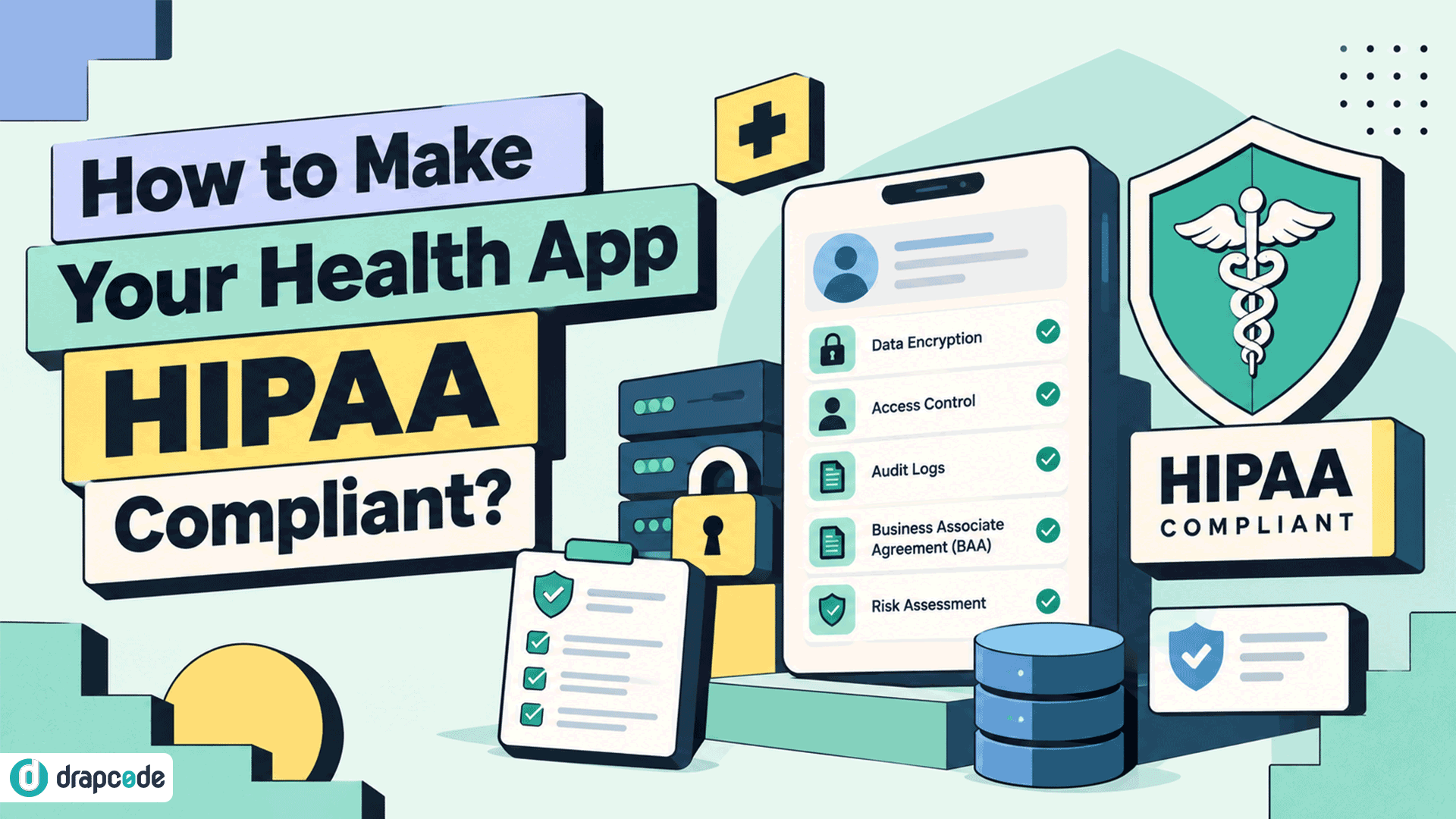
For instance, in healthcare, DrapCode’s AI for Healthcare supports HIPAA-compliant workflows, intelligent patient onboarding, and appointment scheduling automation—all built visually but driven by AI logic.
In finance, AI for Financial Services helps streamline credit risk analysis, document processing, and fraud detection with precision. These use cases highlight how AI adds deep functionality to no-code tools, without increasing development time.
5. Predictive Analytics and Data-Driven Decisions
In a data-first world, analytics are crucial—but reading spreadsheets isn't always enough. AI transforms this experience by embedding predictive analytics directly into dashboards and workflows.
With no-code AI automation platforms, users can add logic that forecasts trends, alerts for anomalies, and makes data-backed recommendations. This empowers businesses to act proactively rather than reactively.
Whether you're building an internal tool or a public-facing app, AI-powered insights significantly enhance its decision-making potential.
6. Personalized User Experiences
Personalization is a key differentiator in digital experiences. AI can analyze user behavior and preferences to tailor content, layouts, or next steps dynamically.
For example, a no-code platform can use machine learning to offer personalized product recommendations in an e-commerce app or trigger personalized learning modules in an educational tool.
This kind of intelligent customization increases engagement and helps retain users by delivering what they want, before they ask for it.
7. Smart Data Cleaning and Validation
Data is messy, and cleaning it manually is tedious. AI solves this by automatically detecting anomalies, suggesting corrections, and validating input in real time.
AI automation no-code solutions can identify duplicate records, auto-correct common formatting issues, and even enrich incomplete data using intelligent models. This ensures your app's data remains high-quality and reliable without constant manual intervention.
8. Automated Decision Trees and Logic Suggestions
Traditionally, app logic is built manually using “if-then” rules. AI enhances this by suggesting decision flows based on previously successful configurations or live user data.
For instance, if you're building a loan eligibility calculator, the platform can recommend branching logic based on credit score, income, or employment history, learned from similar past applications.
This results in smarter, faster applications that adapt to complex scenarios without requiring complex programming.
9. AI-Enhanced Testing and Debugging
AI also makes app testing more efficient. Instead of manually checking each workflow, AI can simulate real user behavior, detect errors, and offer optimization suggestions.
These tools not only improve app quality but also save valuable development time. As AI learns from previous builds, it becomes even more effective at preemptively flagging issues before deployment.
Such predictive QA is especially critical for mission-critical apps in finance, healthcare, or government.
10. Voice and Vision Capabilities
Modern AI models enable no-code platforms to handle more than just text. With voice recognition and computer vision becoming accessible, users can now build apps that accept voice input, scan documents, or identify objects—all using drag-and-drop AI integrations.
This is particularly useful in scenarios like automated medical records, voice-driven surveys, or AI-based security verification, where traditional UI just isn’t enough.
By embedding such AI capabilities, no-code AI automation tools are extending the boundaries of what users can build without needing custom-trained ML models.
Final Thoughts
The fusion of AI and no-code platforms is not a passing trend—it’s a fundamental shift in how we build, automate, and scale digital solutions. By making applications smarter, faster, and more intuitive, AI-powered no-code automation enables businesses to stay ahead of the curve without ballooning development costs.
From dynamic user experiences to real-time analytics and intelligent chatbots, platforms like DrapCode are at the forefront, making sure AI is not just a buzzword but a practical tool for growth.
If you're looking to build an app with AI: simplifying smart app development, DrapCode offers the infrastructure, flexibility, and intelligence needed to bring your vision to life—without writing a single line of code.