AI in Healthcare for Clinical Automation and Data Intelligence
Deploy intelligent healthcare workflows using structured artificial intelligence models and controlled medical data processing. DrapCode provides AI healthcare solutions enabling providers to automate operations, patient workflows, and clinical decision support systems.
Healthcare AI Framework
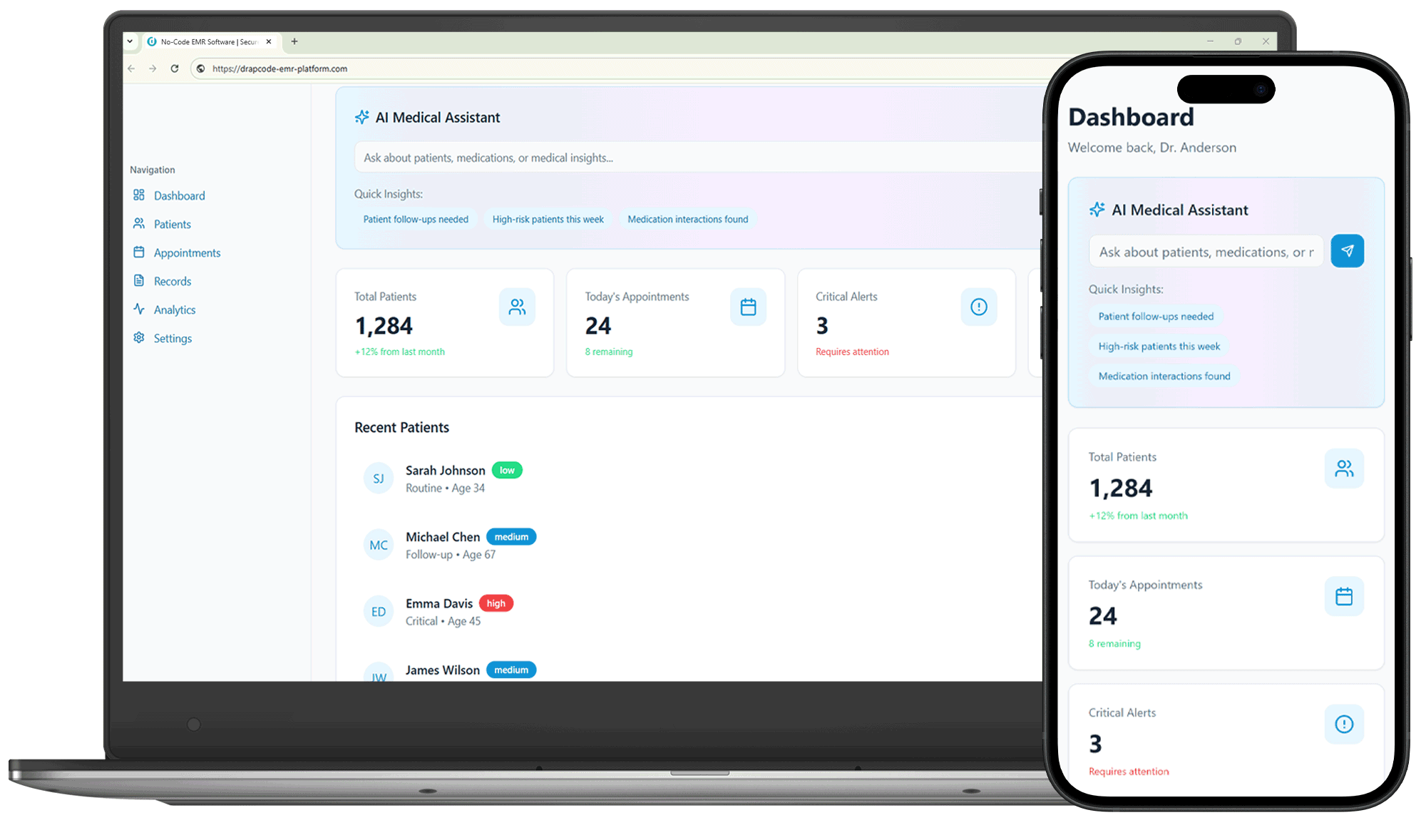
AI in healthcare applies data-driven models to analyze patient records, clinical workflows, and operational activities. The DrapCode platform transforms healthcare processes into automated and traceable medical workflows. Healthcare organizations adopt automation to improve accuracy and reduce administrative workload. Systems continuously process clinical inputs to support diagnostics, monitoring, and patient service coordination.
Clinical System Architecture
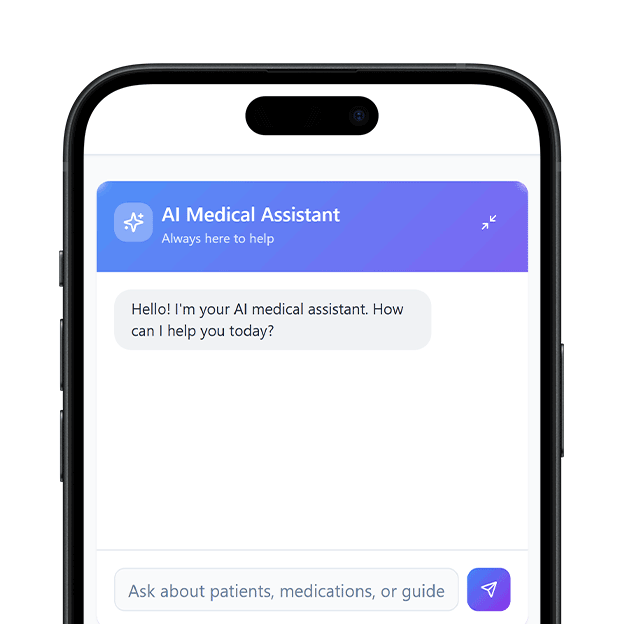
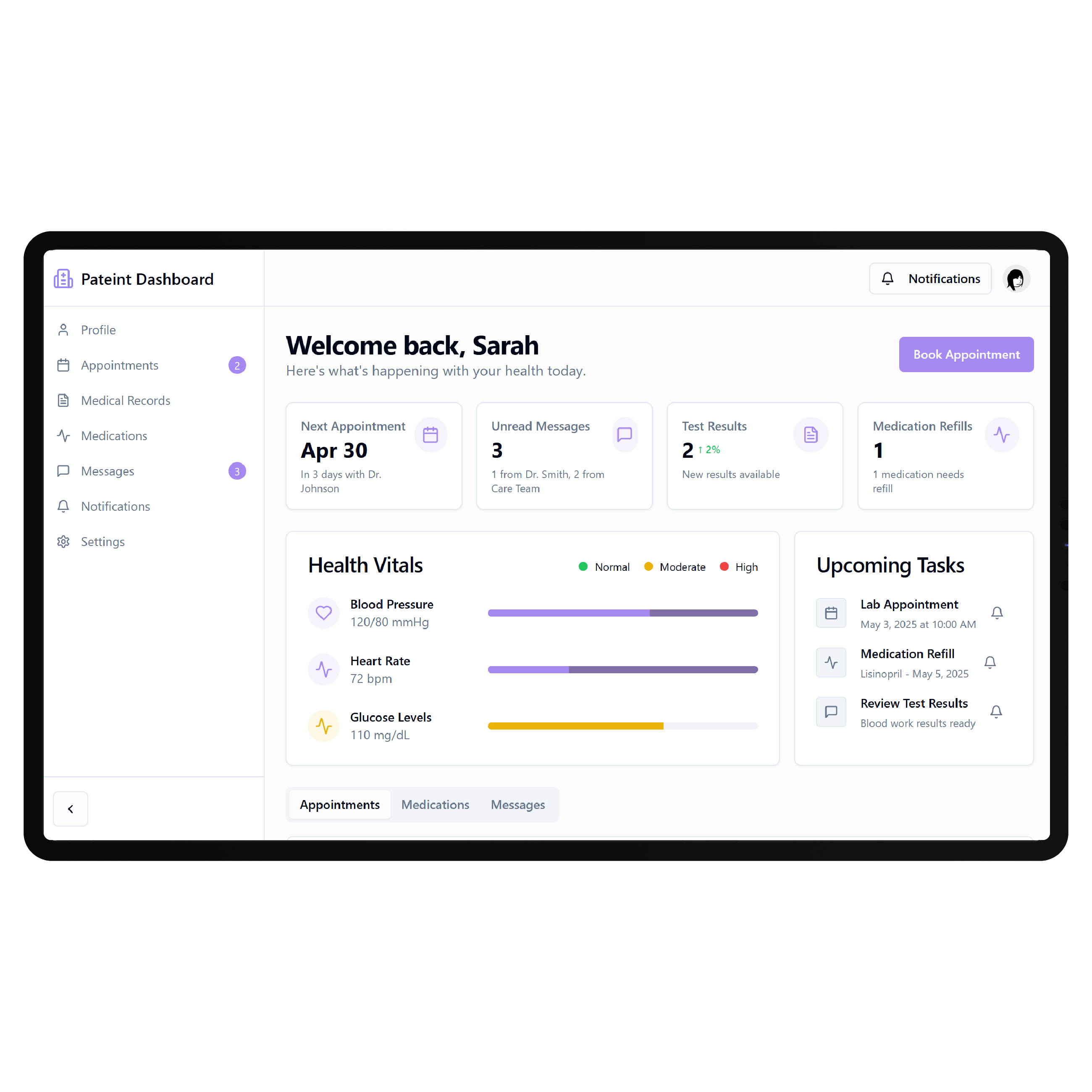
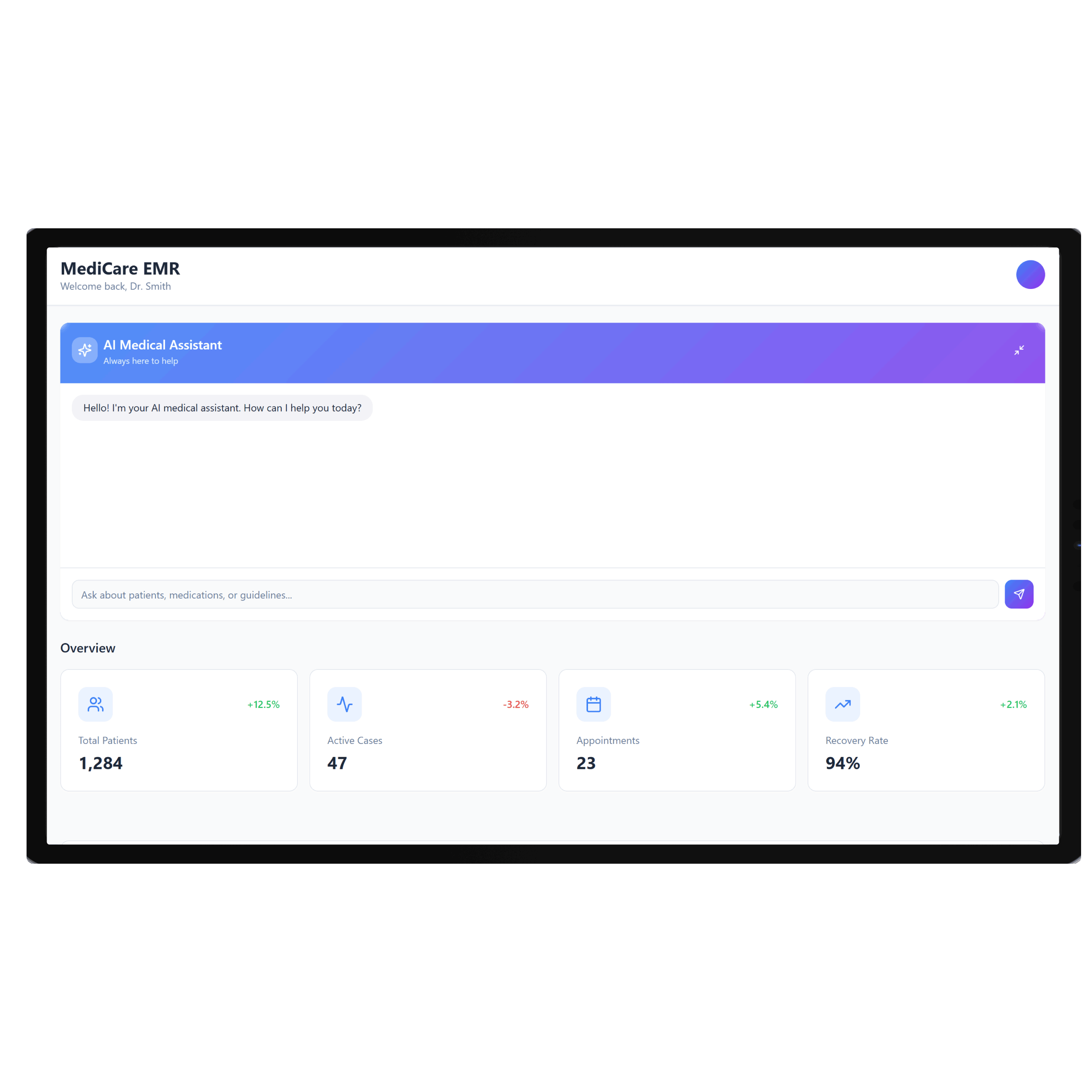
Healthcare AI systems process structured patient information using validated rule sets and predictive analysis. Applications connect clinical documentation, patient interactions, and monitoring activities into unified workflows. Advanced analytics capabilities can incorporate generative AI into healthcare models to support assisted clinical documentation. Organizations deploying broader systems typically align solutions with centralized healthcare platforms.
Healthcare AI Capabilities
These features define how DrapCode delivers AI healthcare solutions.

Clinical Data Analysis
Interpret patient information to support treatment decisions and monitoring

Medical Workflow Automation
Route clinical tasks and approvals through automated processes

Patient Interaction Assistance
Provide guided communication and appointment handling automation

Record Structuring Engine
Support AI in electronic health records (EHR) data processing workflows

Anomaly Detection Monitoring
Identify unusual clinical patterns and alert care teams
Document Information Extraction
Convert medical documents into structured clinical datasets


We partnered with DrapCode to develop our new Automated CRM using their low-code platform. Outstanding quality at half the price, unmatched speed, and excellent customer service.
Cal Goggans
Founder - A Custom Fit iNMotion



DrapCode stands out as the best. Flexible, scalable, and supported by an expert team. After 3 years on another tool, DrapCode is simply superior.
Cory Nation
President - Embark EMR


DrapCode is an easy-to-use no-code platform with a drag-and-drop interface, making it accessible for non-developers. The support team is highly responsive and dedicated to user success.
Joseph Young
President - Renew Hope And Healing
Platform Operational Capabilities
Operational controls maintain stability across medical environments.

Protected Health Data Handling
Support AI in healthcare data security and privacy requirements

System Activity Logging
Record medical workflow actions for traceability

Interoperability Integration Layer
Connect external hospital and diagnostic systems securely
High Availability Processing
Maintain consistent performance across continuous healthcare operations
Healthcare Implementation Scenarios

Clinical Documentation
Automate patient record updates and physician notes. Improve accuracy and reduce administrative time.

Patient Engagement
Provide automated workflows for appointment coordination and communication. Enhance care experience and response time.

Medical Operations
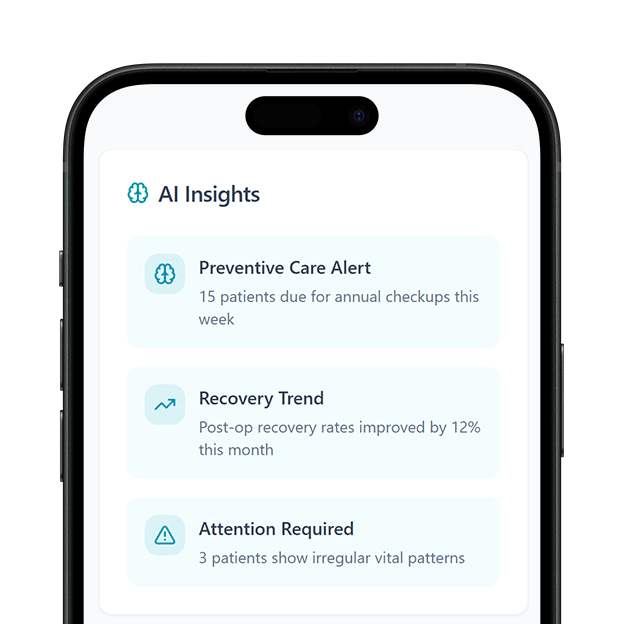
Monitor treatments, alerts, and care workflows continuously. Assist healthcare staff with real-time operational insights.
AI Deployment Workflow
Healthcare automation systems follow a structured deployment lifecycle.
 Collect Records
- Configure Rules
- Integrate Systems
- Deploy Environment
Collect Records
Gather patient and operational clinical data
Configure Rules
Apply medical workflows and validation conditions
Integrate Systems
Connect hospital software and external services
Deploy Environment
Launch monitored healthcare automation platform
Data Protection Controls
The DrapCode platform enforces structured monitoring across patient data processing activities. Every automated action stores context supporting verification and medical accountability. Healthcare providers align deployments with regulated frameworks such as HIPAA compliance standards. Structured tracking ensures trust in automated clinical decision workflows.
Scalable Clinical Operations
AI systems adapt to growing patient volumes and expanding service coverage. Infrastructure maintains a consistent response time across continuous operations. Organizations expand automation gradually across departments and specialties. This supports long-term adoption of AI in healthcare across clinical environments.