Why EMR is Essential for Speech-Language Pathology Professionals

In the evolving field of healthcare, Electronic Medical Records (EMR) systems are increasingly vital for Speech-Language Pathology (SLP) professionals. Speech Language Pathology EMR systems are designed specifically for speech-language pathologists to streamline patient data management, enhance workflow efficiency, and improve patient care quality. EMRs have become an integral part of modern healthcare, and for SLP professionals, the right EMR system offers numerous benefits, from streamlined documentation to improved patient engagement. This article explores why EMR systems are essential for SLP professionals and how they elevate the quality of care.
Understanding EMR in Speech-Language Pathology
For speech-language pathologists, the documentation of patient history, progress notes, and treatment plans is a cornerstone of effective therapy. Traditional paper-based documentation is time-consuming and prone to errors, while digital systems streamline the process and offer greater accuracy. Speech Language Pathology EMR systems are tailored to the unique needs of SLP practices, allowing therapists to maintain detailed, organized, and easily accessible records.
Key Benefits of Speech Language Pathology EMR
- Documentation and Record-Keeping - SLP professionals often handle detailed notes on patient progress, therapy goals, and assessments. EMR systems allow for quick, organized documentation, reducing the time spent on paperwork. With templates and customized fields, Speech Language Pathology EMR solutions help therapists accurately capture session details and update records in real-time.
- Improved Treatment Planning and Tracking - EMR systems enhance treatment planning by providing a centralized location for all patient information. Speech-language pathologists can easily track treatment progress, adjust goals, and monitor outcomes, all within a single system. This capability supports more personalized and effective treatment plans that align with each patient's unique needs.
- Patient Engagement - Many EMR systems include patient portals that allow patients or their guardians to access therapy notes, upcoming appointments, and resources related to their treatment. This transparency encourages patient engagement, as clients can see their progress and understand the goals of each session. Increased engagement often leads to higher adherence to therapy recommendations, enhancing overall outcomes.
- Billing and Insurance Claims Management - Managing billing and insurance claims can be challenging for SLP practices, particularly when dealing with different insurers and patient billing structures. An integrated EMR system simplifies these processes by automating billing tasks, reducing errors, and tracking claim statuses. Speech Language Pathology EMR systems allow for seamless integration with billing workflows, improving the financial management of SLP practices.
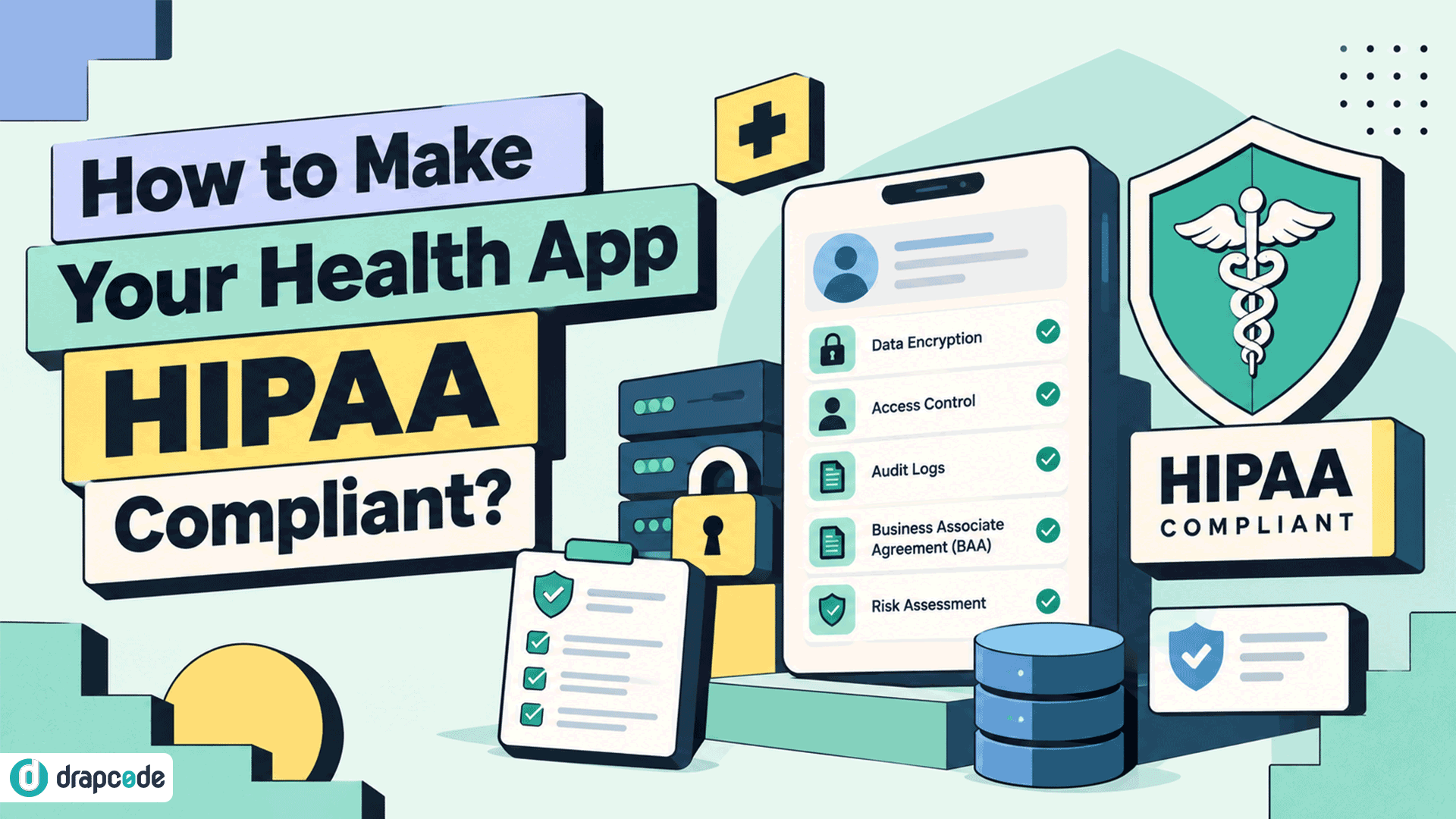
- Compliance with Healthcare Regulations - Regulatory compliance is essential in healthcare, and SLP practices are no exception. Speech-language pathologists must adhere to privacy regulations, including HIPAA, to protect patient data. EMR systems provide built-in security measures, such as encryption and access controls, ensuring that patient information remains confidential and secure. By using an EMR tailored to SLP, professionals can stay compliant while focusing on patient care.
Key Features of an Effective Speech Language Pathology EMR System
- Customizable Templates for Therapy Notes - Custom templates allow speech-language pathologists to document specific aspects of therapy sessions, including patient progress, areas of improvement, and follow-up tasks. These templates streamline note-taking and ensure that essential details are accurately captured.
- Automated Appointment Scheduling and Reminders - Scheduling appointments and sending reminders manually can be time-consuming. EMR systems with automated scheduling features help streamline this process, reducing no-shows and ensuring that patients stay on track with their therapy.
- Integrated Progress Tracking Tools - For effective therapy, tracking progress over time is critical. EMR systems designed for SLP include progress tracking tools that allow therapists to compare patient assessments across sessions, measure improvements, and make data-driven adjustments to treatment plans.
- Easy Access to Assessment Tools and Resources - Many Speech Language Pathology EMR systems include libraries of standardized assessments and resources relevant to SLP practices. This built-in access saves time and allows therapists to incorporate standardized evaluations into their treatment process seamlessly.
- Patient and Family Access Through Secure Portals - Patient portals are a significant feature in modern EMR systems, enabling patients and their families to access therapy notes and resources. This feature fosters greater transparency and supports a collaborative approach to therapy.
How EMR Enhances the Patient Experience in Speech-Language Pathology
- Personalized and Consistent Care - EMR systems facilitate personalized care by ensuring that therapists have quick access to comprehensive patient histories, including previous treatment plans and therapy goals. This continuity of care helps SLP professionals deliver consistent, individualized therapy that meets each patient’s unique needs.
- Greater Transparency and Communication - With patient portals, EMR systems improve communication between therapists, patients, and families. Patients and caregivers can access therapy updates, view progress charts, and stay informed about future goals. This transparency promotes a positive therapeutic relationship, fostering trust and encouraging collaboration.
- Reduced Administrative Burden on Therapists - By automating routine tasks like billing, scheduling, and documentation, EMR systems reduce the administrative burden on speech-language pathologists. This efficiency allows therapists to focus more on patient interaction and less on paperwork, enhancing the quality of care provided.
- Improved Treatment Outcomes Through Data-Driven Decisions - EMR systems provide valuable data insights that support data-driven decision-making. By analyzing treatment patterns and outcomes, therapists can adjust therapy plans more effectively, which can lead to faster progress and better results for patients.
Why EMR Adoption is Vital for Speech-Language Pathology Practices
As patient expectations for personalized, high-quality care rise, adopting an EMR system is becoming increasingly essential for SLP practices. EMR systems not only simplify administrative tasks but also provide essential tools that empower speech-language pathologists to deliver better, more consistent care. Furthermore, as regulatory requirements evolve, having an EMR system in place ensures that practices remain compliant, protecting patient data and building trust with clients.
Choosing the Right Speech Language Pathology EMR Solution
When selecting an EMR solution, it’s crucial for SLP practices to choose a system tailored to their specific needs. DrapCode’s no-code platform offers a unique solution for practices looking to build or customize their EMR without extensive coding. DrapCode enables SLP professionals to create an EMR system that meets their unique workflow requirements, providing a flexible and user-friendly solution for documentation, scheduling, billing, and more.
Future of EMR in Speech-Language Pathology
Looking ahead, the future of EMR in SLP is likely to see advancements in artificial intelligence, predictive analytics, and teletherapy integration. These technologies will enable therapists to better anticipate patient needs, deliver remote care, and enhance overall treatment effectiveness. With continued innovation, EMR systems will become even more indispensable tools for SLP professionals, further improving patient outcomes and streamlining clinical workflows.
Conclusion
EMR systems have transformed the healthcare industry, and Speech Language Pathology is no exception. By offering streamlined documentation, enhanced patient engagement, and efficient workflow management, Speech Language Pathology EMR solutions are essential for modern SLP practices. Choosing the right EMR system can empower speech-language pathologists to provide higher-quality, patient-centered care while meeting regulatory requirements. With DrapCode’s no-code platform, SLP professionals can customize their EMR system to meet the specific needs of their practice, supporting better outcomes and a more efficient workflow.