How to Build MVP with No Code and Transform Your Idea into Reality?
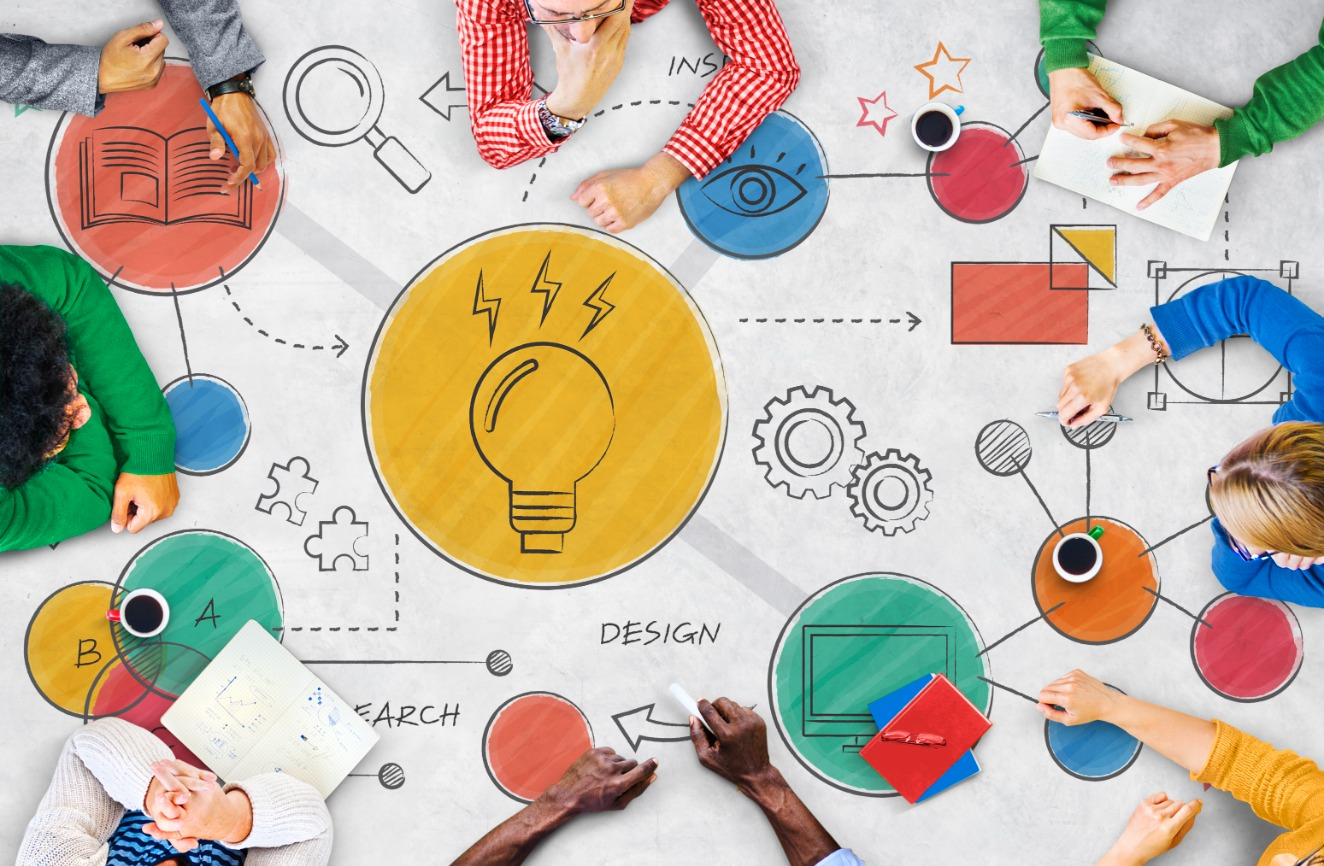
Before we begin let’s understand - What is a No-Code MVP and Why Should You Consider Building One? A no-code MVP (Minimum Viable Product) is a product that has been developed without any coding. It is a way to quickly build and test a product idea without having to spend time and money on development. It allows entrepreneurs, startups, and small businesses to quickly launch their ideas and test them in the market with a minimal upfront cost.
No-code MVPs are built using low code or no code app builders which allow users to create apps with drag-and-drop tools. This makes it easy for non-programmers to develop front-end applications without any prior coding experience. With no-code MVPs, users can quickly create prototypes of their products and get feedback from potential customers before investing in full development.
The main advantage of building a No-Code MVP is that it is a cost-effective way to test your business idea without investing significant amounts of time and money. It enables you to get your product to market faster and allows you to receive feedback from users, which can help you to refine your idea and determine whether it is worth pursuing further.
No-Code MVPs are especially useful for entrepreneurs and small business owners who may not have the technical skills or resources to build a full-scale product from scratch. By using no-code tools and platforms, they can create a functional prototype in a matter of hours or days, rather than weeks or months.
Overall, No-Code MVPs can be an effective way to validate your business idea and test the market without investing a significant amount of time and money in building a full-scale product.
The Essential Steps to build MVP with No-Code MVP That's Ready for Testing
Step 1: Identify Your Target Audience & Set Clear Goals for Your MVP
When creating an MVP, it's important to identify your target audience and set clear goals for what you want to achieve with the product. Here are the steps to help you start building your MVP:
- Define your target audience: Who are the people you are creating this product for? What are their needs, challenges, and pain points? By understanding your target audience, you can create a product that addresses their specific needs and solves their problems.
- Set clear goals: What do you want to achieve with your MVP? Are you trying to validate a business idea, test a specific feature, or gather user feedback? Setting clear goals will help you focus on what's important and ensure that you are creating a product that serves a specific purpose.
- Create user personas: User personas are fictional representations of your ideal customers. They help you understand your target audience better by outlining their demographics, goals, challenges, and behavior patterns. By creating user personas, you can tailor your MVP to meet the specific needs of your target audience.
- Determine the key features: What are the essential features that your MVP needs to have in order to achieve your goals? Keep in mind that your MVP should be simple and focused, so it's important to prioritize the most important features that will help you achieve your goals.
- Develop a user journey: A user journey is a step-by-step process that your target audience goes through when interacting with your product. It helps you understand how users will interact with your MVP and identify any potential pain points or areas for improvement.
By following these steps, you can create a clear roadmap for your MVP that will help you stay focused and achieve your goals.
Step 2: Choose the Right No-Code Platform for Your MVP Project
Once you have identified your target audience and set clear goals for your MVP, the next step is to choose the right no-code platform to build your product. Here are some factors to consider when selecting a platform:
- Ease of use: Find a platform that is easy to use and user-centric. No-code platforms should allow you to build your product without needing extensive coding knowledge or technical skills.
- Customization: Choose a platform that allows you to customize your product to meet your specific needs. Look for platforms that offer a wide range of templates, design options, and integrations that you can use to create a product that meets your unique requirements.
- Scalability: Consider the scalability of the platform. Make sure that the platform you choose can grow with your business and support your product as it evolves.
- Cost: No-code platforms vary in terms of pricing, so it's important to choose one that fits within your budget. Consider the pricing model, including any subscription fees, transaction fees, or other costs associated with using the platform.
- Support: Look for a platform that offers good customer support, including online resources, tutorials, and a responsive customer service team that can help you troubleshoot any issues.
Some popular no-code platforms to consider include DrapCode, Bubble, Webflow, Glide, Airtable, and Adalo. Each platform offers different features and capabilities, so it's important to do your research and choose the one that best meets your needs.
Step 3: Design a Usable User Interface & Optimize the User Experience
Once you have selected the right no-code platform to build your MVP, the next step is to design a usable user interface (UI) and optimize the user experience (UX). Here are the steps to guide you:
- Identify the key user flows: Map out the key user flows or paths that users will take when using your MVP. With this you will be aware of the user's journey and be able to identify pain points or any areas for improvement.
- Develop wireframes: Create wireframes or sketches of your MVP to help visualize the layout and design of your product. This will also help you identify any potential usability issues before building out the MVP.
- Design the UI: Use the wireframes to design the UI of your MVP. Keep the design simple and intuitive, with clear calls to action and easy-to-understand navigation.
- Test the MVP: Test the MVP with real users to gather feedback on the design and usability of the product. Use this feedback to refine the design and optimize the user experience.
- Iterate and improve: Continuously iterate and improve the MVP based on user feedback and testing. This will help you create a product that meets the needs of your target audience and provides a great user experience.
Remember to keep the design of your MVP simple and focused on the key features and goals of your product. By optimizing the user experience, you can create a product that is easy to use and provides value to your target audience.
Step 4: Test & Debug the MVP with Real Users to Eliminate Bugs and Enhance Performance
Once you have designed and built your MVP, the next step is to test and debug it with real users. Here are the steps to help you get this done:
- Identify your testing goals: Define the testing goals and objectives for your MVP. What specific areas of the product do you want to test? What feedback do you want to gather from your users?
- Recruit test users: Recruit a diverse group of test users who represent your target audience. You can use online communities, social media, or user testing platforms to find users who are willing to test your MVP.
- Conduct user testing: Have your test users interact with your MVP and provide feedback on the user experience, functionality, and design of the product. Use this feedback to identify any bugs or areas for improvement.
- Debug and refine: Based on the feedback you receive, debug any issues and refine the MVP to enhance performance and user experience. Continue to iterate and improve the product based on your user’s feedback.
- Test again: Conduct additional rounds of testing to ensure that any bugs have been eliminated and the product is functioning as intended. Use this feedback to further refine the MVP.
Remember that testing and debugging are critical steps in the MVP development process. By gathering feedback from real users, you can identify and address any issues before launching the product to the public. This will help you create a high-quality product that meets the needs of your target audience.
How to Leverage the Benefits of No Code Platforms and Tools for your MVP?
No-code platforms and tools provide several benefits that can help you create a minimum viable product (MVP) quickly and efficiently. Here are some ways you can leverage the benefits of no-code platforms and tools for your MVP:
- Rapid prototyping: No-code platforms allow you to quickly build and test prototypes of your MVP without the need for extensive coding knowledge or technical skills. This enables you to iterate and improve the product quickly, based on user feedback.
- Cost-effective: No-code platforms can be cost-effective compared to traditional software development, as they often offer flexible pricing models that are based on usage or subscription fees. This can help you keep costs low while building your MVP.
- User-friendly: No-code platforms are designed to be user-friendly and intuitive, making it easy for non-technical users to build and launch their MVPs. This eliminates the need for extensive technical knowledge or hiring a developer, allowing you to focus on the product's vision and features.
- Flexibility and scalability: No-code platforms offer flexibility and scalability, allowing you to add new features or change the product's functionality as needed. This makes it easier to adapt the product to the needs of your target audience and stay competitive in the market.
- Integration: Many no-code platforms offer integrations with other tools and services, making it easy to connect and manage different aspects of your product, such as payment processing or data analytics.
By leveraging the benefits of no-code platforms and tools, you can create an MVP that meets the needs of your target audience quickly and efficiently, while keeping costs low and focusing on the product's vision and features.
In Conclusion
No-code MVPs are a great way to quickly create a minimum viable product (MVP) with minimal effort. With the help of no-code tools, entrepreneurs can quickly build an MVP that has all the features they need without having to hire developers or learn how to code.
No-code MVPs also allow for rapid prototyping and testing of ideas before investing in full development. They are perfect for entrepreneurs who want to get their product out into the market quickly and test it with real users. By using no-code tools, entrepreneurs can focus on building their products without worrying about technical details.
Read More: Harness the Benefits of MVP with No Code Development