Build Patient Portal on QuickEMR with DrapCode
DrapCode builds custom patient portals around QuickEMR, helping therapy practices create better digital experiences for intake, scheduling, outcomes, payments, and ongoing rehabilitation journeys.
Trusted by Healthcare Innovators
1,000+ organizations trust DrapCode to help healthcare teams launch secure & HIPAA-compliant applications.






Built Around Therapy
QuickEMR is practice management software designed specifically for therapy-based practices. It brings documentation, scheduling, billing, patient engagement, outcomes, and administrative workflows into one system for physical, occupational, speech, and other therapy providers. That therapy focus changes what patients need from a portal. DrapCode can build around recurring visits, rehabilitation milestones, home resources, outcome assessments, and longer treatment plans instead of treating every appointment as an isolated encounter.
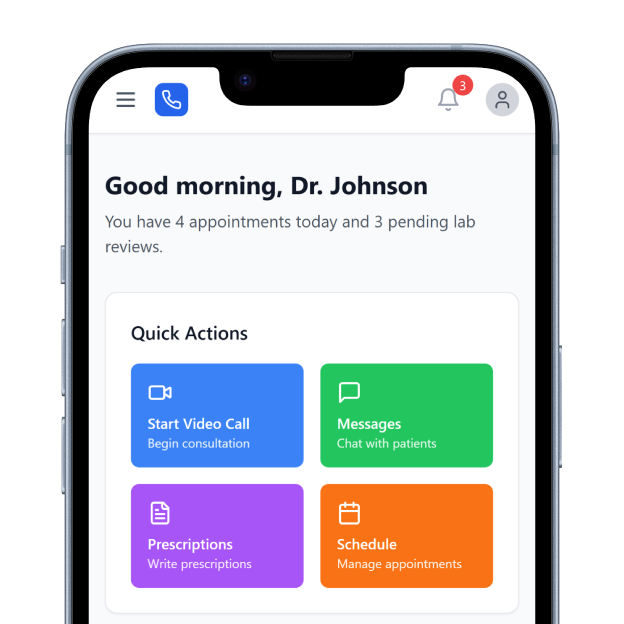
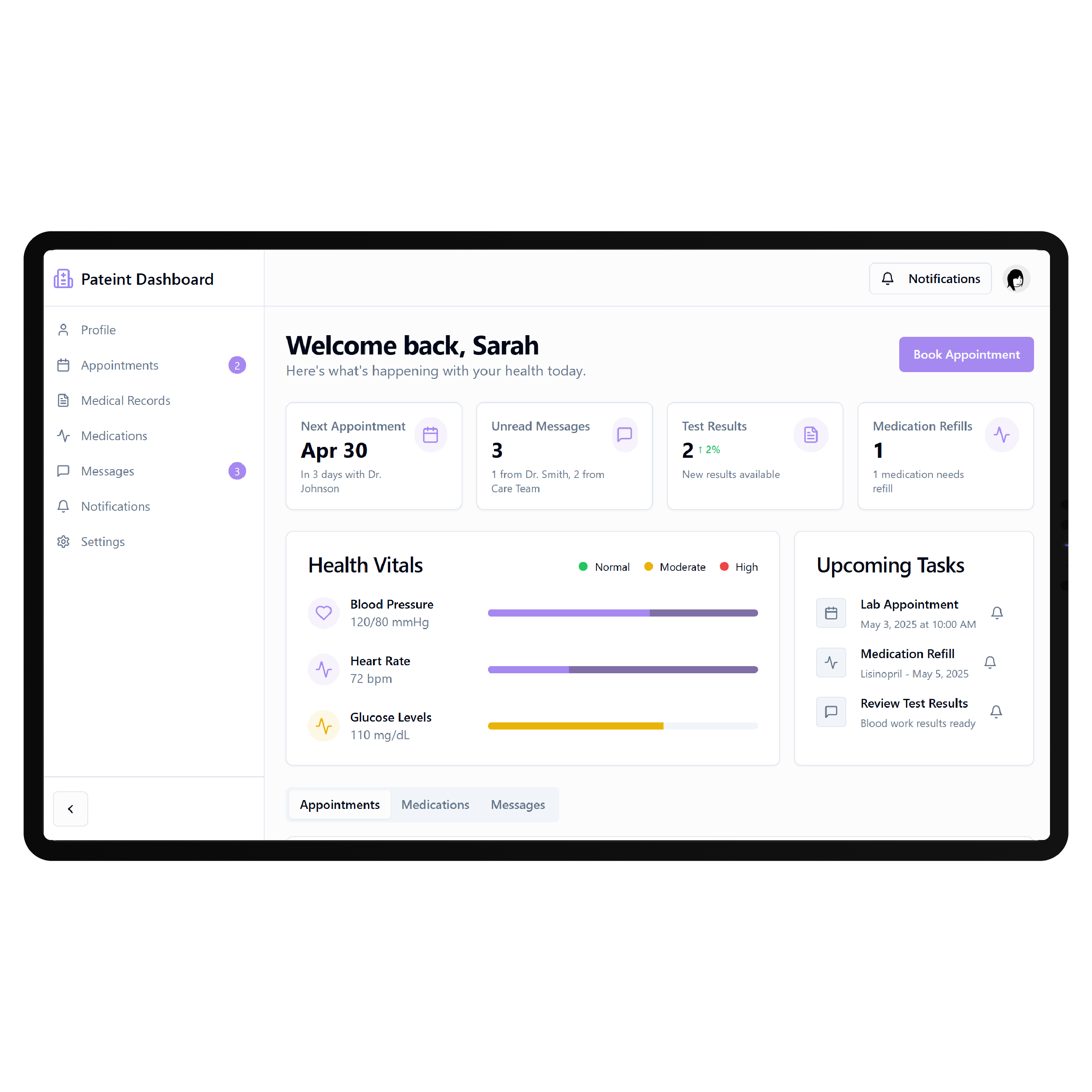
Extend Patient Access
QuickEMR already provides a Patient Portal for onboarding documents and an Outcomes Portal for patient-completed surveys. Its platform also supports online patient scheduling, payment processing, reminders, and patient communication. DrapCode can create a broader patient-facing experience when your practice needs more than intake forms and scheduling; for example, a branded rehabilitation journey that keeps patients oriented throughout weeks or months of therapy.
Key Features Provided by QuickEMR

Patient Portal
Lets patients complete onboarding documents, consent forms, histories, and required information digitally.

Online Scheduling
Allows patients to schedule their own appointments directly through QuickEMR's Client Portal online.

Outcome Surveys
Collects standardized patient outcome surveys remotely and automatically calculates completed assessment results digitally.

Appointment Reminders
Sends automated text reminders and records patient confirmations to help reduce missed appointments.

Payment Processing
Supports copay and cash-pay payment processing within the QuickEMR practice management workflow directly.

Therapy Documentation
Provides customizable charting for evaluations, progress notes, treatments, measures, and recurring therapy visits.
Rehabilitation Journeys

Physical Therapy
Keep recurring appointments, progress milestones, approved exercises, outcome surveys, and recovery resources organized for patients.

Pediatric Therapy
Give families clearer access to appointments, onboarding, approved resources, therapy information, and recurring patient activities.

Multi-Discipline Rehab
Create one patient experience across physical, occupational, speech, behavioral, and other connected rehabilitation services.
Key Features DrapCode Can Build in the Patient-Facing Front End
Create the patient experience around your therapy practice while QuickEMR remains the system of record.

Recovery Dashboard
Organize therapy activities using an approach adaptable to a MicroMD EMR patient portal.

Progress Journey
Present permitted outcome scores, rehabilitation milestones, appointments, and progress information through understandable patient views.

Therapy Resources
Give patients organized access to approved exercises, educational materials, preparation instructions, and recovery resources.

Family Access
Create appropriate experiences for parents or caregivers involved in pediatric and longer-term rehabilitation journeys.

Appointment Hub
Bring recurring therapy visits and relevant scheduling actions into one clearer patient-facing digital experience.
Mobile Access
Keep recurring therapy interactions straightforward across phones, following patterns adaptable to a ModuleMD EMR patient portal.
Connect With QuickEMR
QuickEMR documents several third-party integrations, including EZClaim, Exercise Pro LIVE, Limber, ScribePT, One Body, and Gravity Payments. It also states that it uses HL7 to structure and transmit healthcare data between systems. Its public website does not clearly document a general-purpose public API for custom patient applications. DrapCode would therefore confirm the interfaces and data access available for your QuickEMR environment before defining which portal functions can exchange information directly.
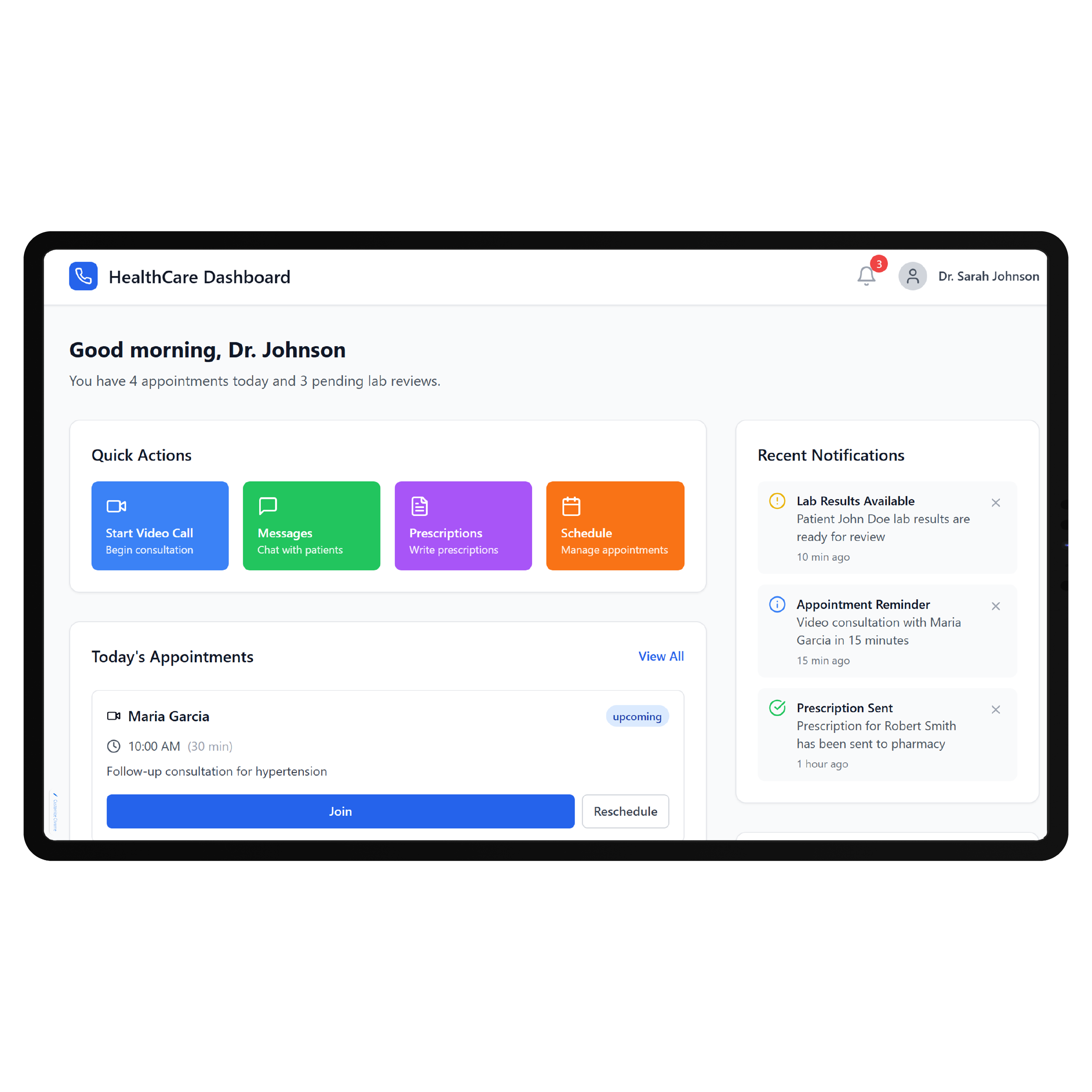
Follow Patient Progress
Therapy patients often return repeatedly over an extended period, making progress as important as individual appointments. QuickEMR supports recurring scheduling and outcome measurement, including patient-completed surveys that can be attached to the case. DrapCode can turn that ongoing relationship into a clearer digital journey, using the same system-specific thinking required for a Mountainside EMR patient portal . QuickEMR can continue supporting therapists while the custom portal focuses on the patient experience.
Frequently Asked Questions
Does QuickEMR already have a patient portal?
Why build a custom patient portal around QuickEMR?
Does QuickEMR support integrations?
What can DrapCode build for practices using QuickEMR?
What determines QuickEMR integration feasibility?
Build Around the Recovery Journey
Tell DrapCode how your patients move from evaluation through recurring treatment and progress tracking. We’ll map the portal experience and required QuickEMR connectivity.