FHIR-native healthcare app building
Oystehr FHIR Integration for Healthcare Apps
Connect DrapCode with Oystehr FHIR to create healthcare applications using a FHIR-native data foundation. Build patient portals, clinical workflows, and custom EHR experiences around connected health records.
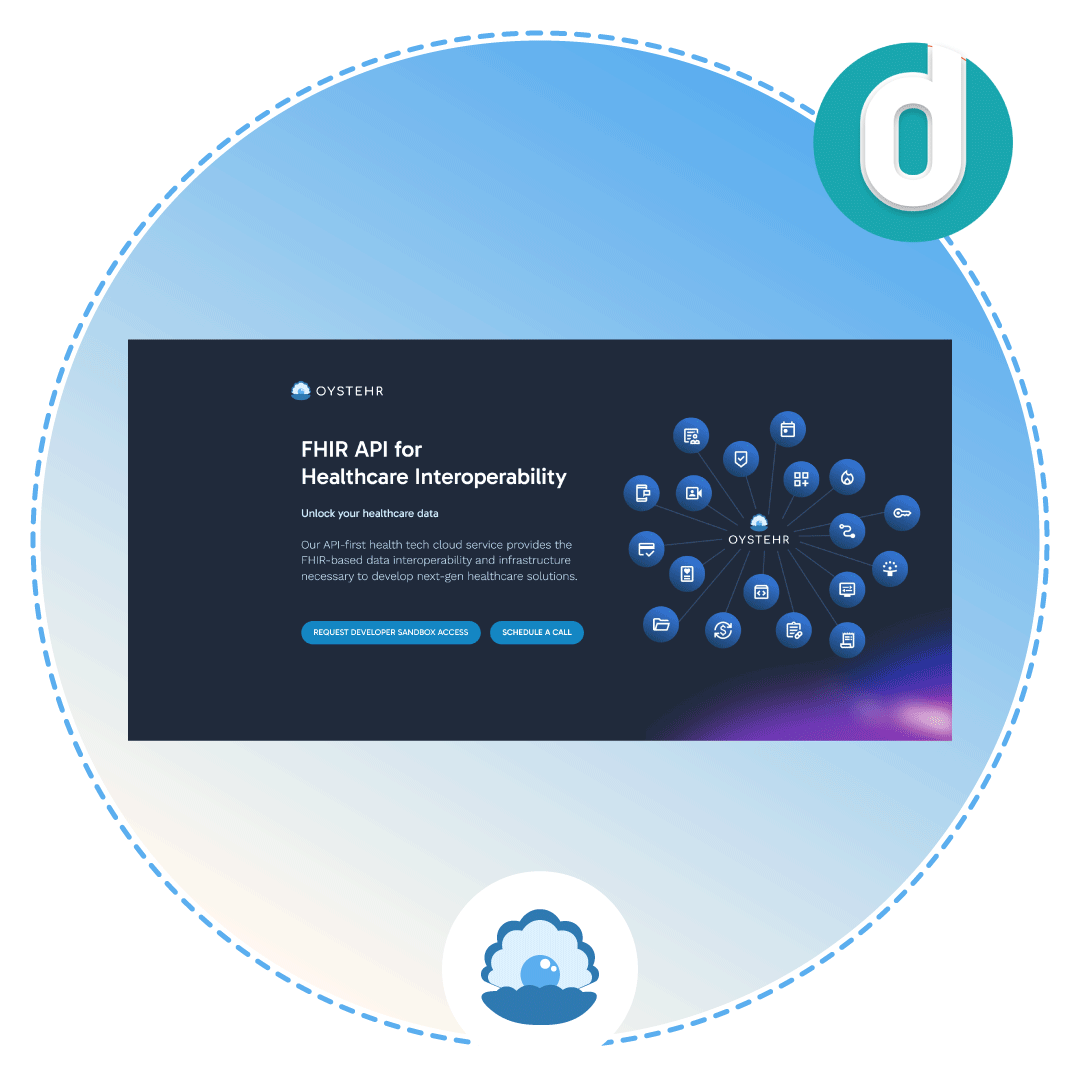
Start With a FHIR-Native Foundation
Building healthcare software often involves adapting application data to the different formats used by existing clinical systems. Oystehr takes a different approach by using FHIR as its native data model rather than adding it as a conversion layer. Its API-first infrastructure gives development teams access to structured healthcare resources, hosted storage, and supporting healthcare services. DrapCode adds the visual application layer for creating the interfaces that patients and healthcare professionals use.
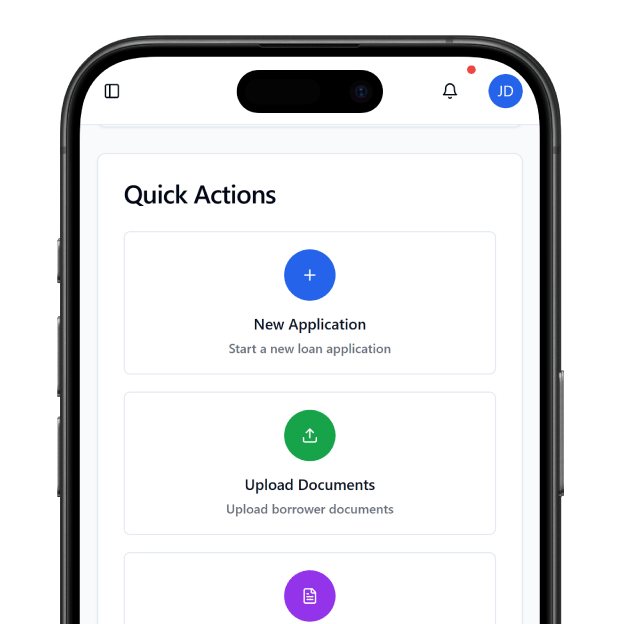
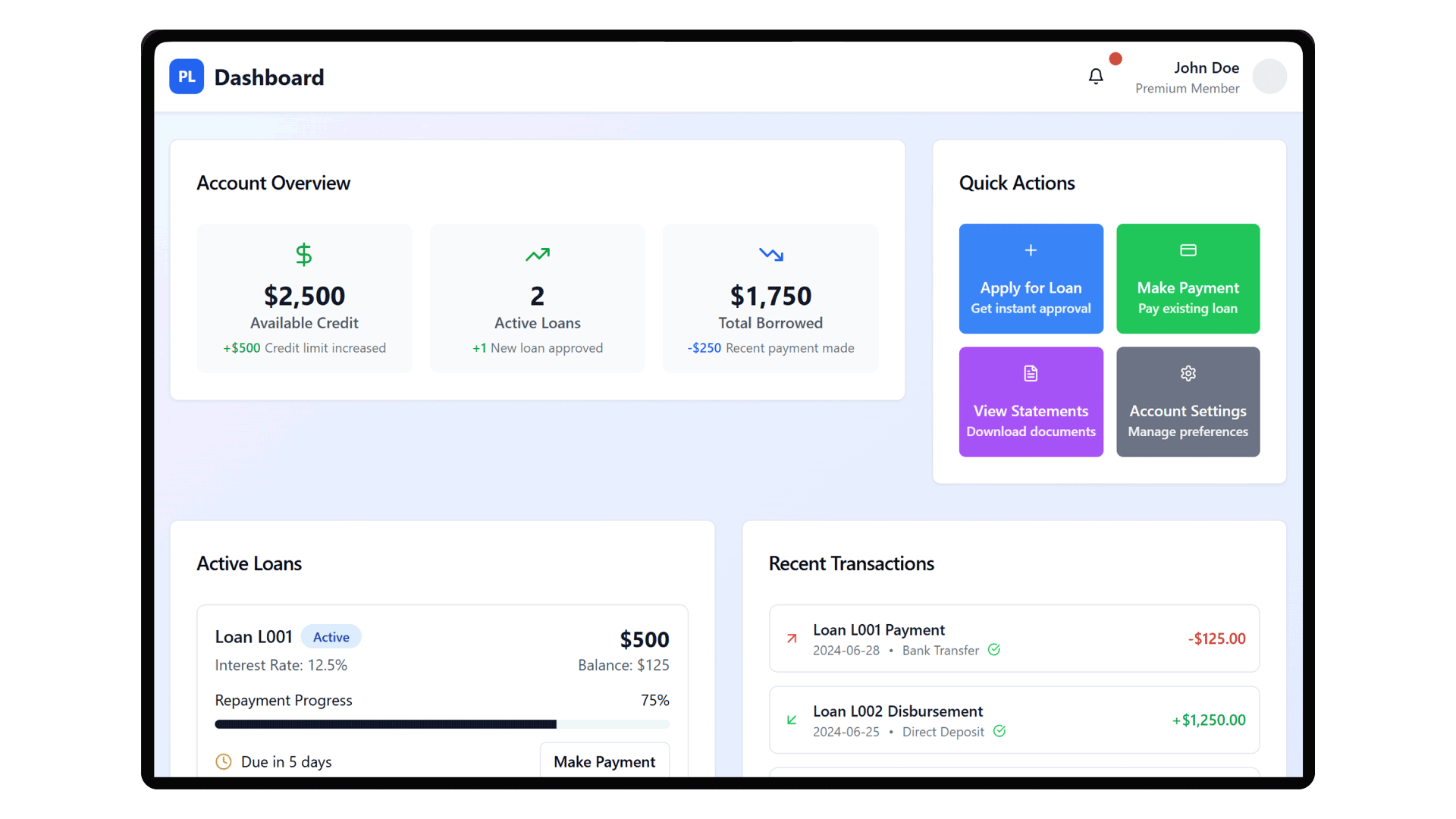
Go Beyond Record Storage
Oystehr is designed as a headless EHR platform, giving developers the flexibility to build their own healthcare products around its services. Its FHIR API supports resource operations, history, provenance, and batch or transaction requests. The platform also connects FHIR data with services such as telehealth, patient messaging, insurance validation, and revenue cycle management. This makes it possible to design applications around broader care and administrative workflows, rather than treating clinical records as isolated data.
Oystehr FHIR Capabilities
Use Oystehr's FHIR infrastructure to build applications around structured clinical information and healthcare services.

Native FHIR Data
Work with healthcare resources stored directly in FHIR format instead of translating proprietary database structures.

Resource Management
Create, retrieve, search, update, patch, and delete supported resources through the standardized FHIR REST API.

Clinical Record History
Access resource history and provenance records to review changes and support clinical data traceability.

Batch Transactions
Group multiple FHIR operations into a single request for coordinated resource processing and updates.

Multiple FHIR Versions
Build against supported R4B and R5 APIs, choosing the version suited to your interoperability requirements.

Event-Driven Functions
Use Zambdas to run custom logic in response to FHIR events or API requests, enabling automated workflows and data processing.
Healthcare Products You Can Create

Custom EHR Applications
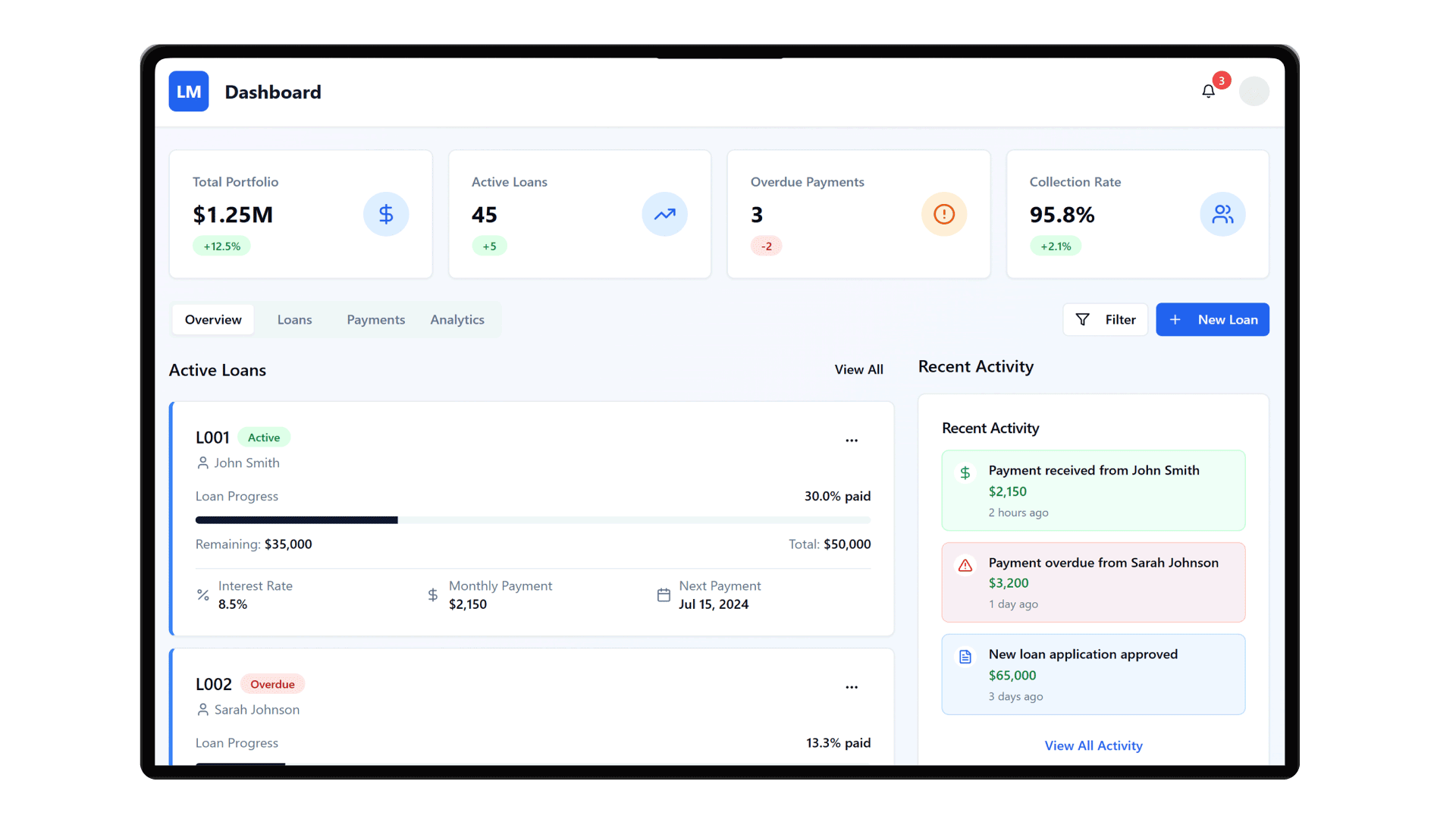
Build practice-specific clinical systems around patient records, encounters, observations, and connected healthcare services.
Patient Engagement Portals
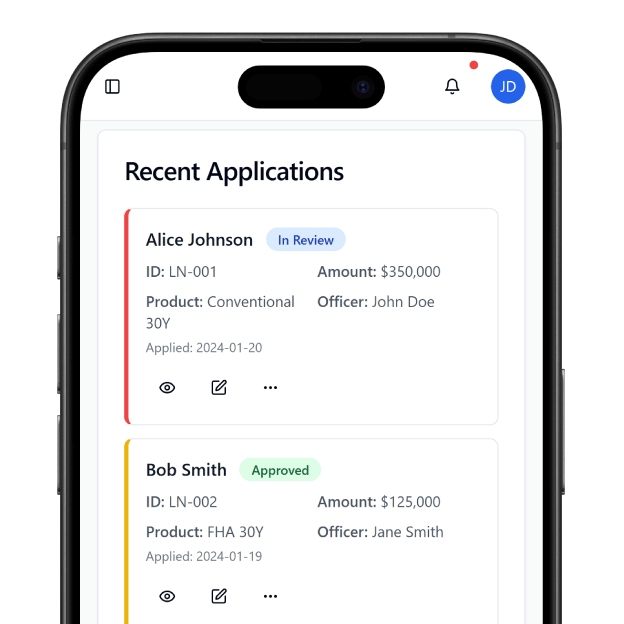
Create patient experiences for accessing health information, completing forms, and interacting with care teams.

Telehealth Applications
Develop virtual care interfaces that connect patient workflows with Oystehr's available telehealth services.
Shape Your Healthcare Product with DrapCode
Build the application experience around Oystehr's APIs without being limited to a prebuilt EHR interface.

AI-Assisted Application Building
Describe healthcare product requirements and use AI assistance to create and refine supported functionality.

Visual Screen Design
Create patient forms, clinical dashboards, record views, and responsive interfaces using visual development tools.
Custom User Journeys
Design different experiences for patients, clinicians, care coordinators, and healthcare administrators.
API-Based Connections
Connect Oystehr endpoints with application actions to retrieve, submit, and update healthcare information.
Workflow Customization
Configure validations, business rules, and application processes around your clinical and operational requirements.

Source Code Flexibility
Export application code and retain control over future development and deployment decisions.
Connect Care and Operations
Oystehr's services can connect clinical information with workflows such as insurance validation, claims submission, diagnostics, and patient communication. DrapCode can provide the interfaces through which users initiate and follow these processes. For example, a patient intake application could collect information through DrapCode, create the relevant FHIR resources in Oystehr, and present the resulting information to authorized clinical users. Additional services can be incorporated according to the APIs enabled for your Oystehr project.
Set Up the Right Access
Oystehr uses OAuth 2.0 authentication and role-based access policies to control which users and machine-to-machine clients can access its APIs. Applications need the appropriate credentials, tokens, and permissions for their intended operations. Choose the FHIR version carefully during implementation. Oystehr documents support for R4B and R5, while its documentation notes that R4 is not currently supported by its FHIR API. Confirm resource compatibility and authorization requirements before connecting an existing healthcare system.
Frequently Asked Questions
What is Oystehr FHIR integration with DrapCode?
Which FHIR versions does Oystehr support?
Can I build a custom EHR using Oystehr and DrapCode?
Does Oystehr support telehealth and patient messaging?
How does Oystehr control access to healthcare data?
Build Healthcare Your Way
Combine Oystehr's FHIR infrastructure with DrapCode's visual development capabilities to create healthcare products around your own workflows, users, and clinical requirements.