Convert JSON to FHIR Instantly
Transform generic or custom healthcare JSON data into fully compliant FHIR resources—securely, reliably, and at scale.
Interoperability Standards Context
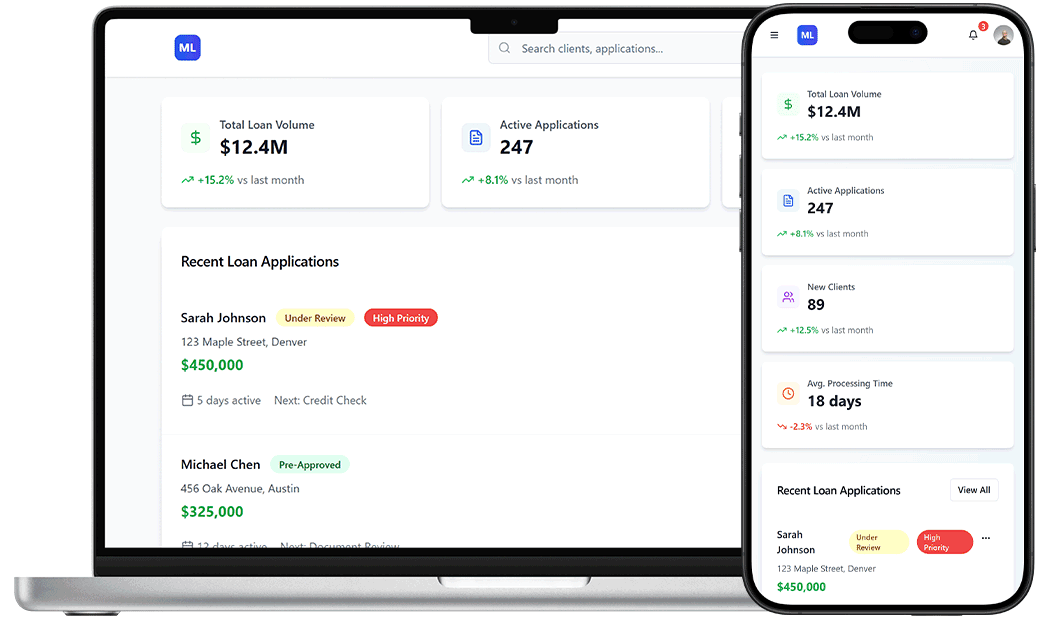
Healthcare systems exchange data in various formats, and JSON-formatted clinical records are often part of APIs, reporting tools, or external services. Transforming these records into FHIR ensures consistent semantic representation and interoperability across systems. FHIR standards define how healthcare data should be structured, exchanged, and validated. This structured model is essential for systems seeking cross-platform compatibility, as outlined in FHIR in healthcare.
No-Code Conversion Framework
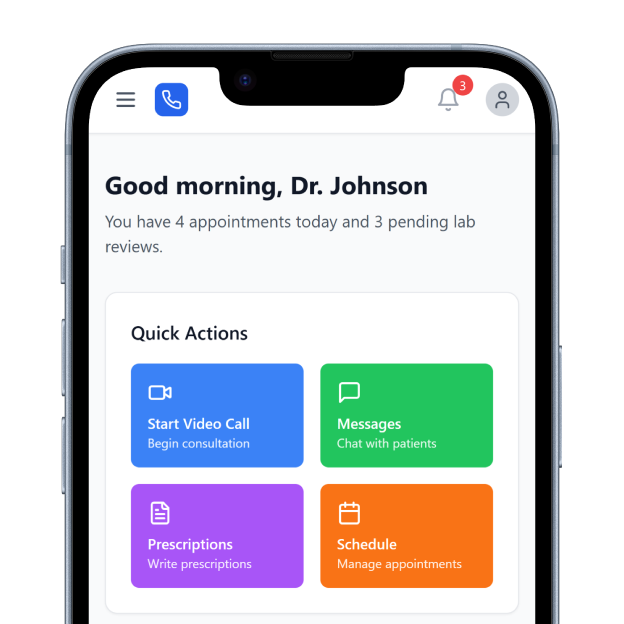
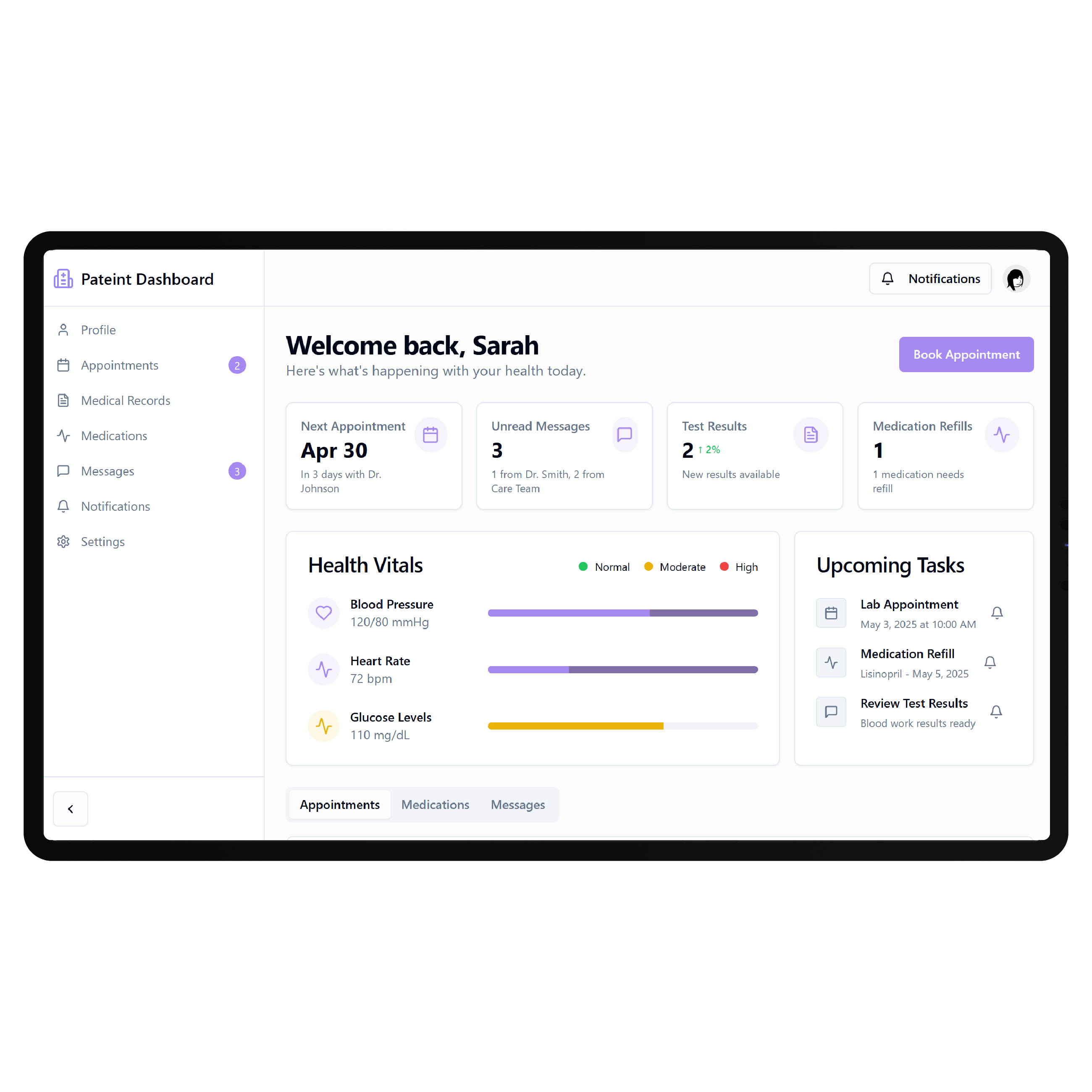
A no-code web app builder enables developers and clinical technologists to visually define mapping templates, transform logic, and verification rules without backend coding. This streamlines conversion workflows while maintaining governance. Once transformed, FHIR resources are stored and served through scalable servers, often achieved through a central FHIR server to unify converted clinical data.
Core Conversion Features
These features define what a production-ready JSON-to-FHIR converter must support to enable secure, standardized healthcare transformation.

JSON Schema Parsing
Extract structured clinical fields from raw JSON datasets reliably.

FHIR Resource Mapping
Translate parsed data into standardized clinical FHIR resource models.

Validation & Normalization
Verify converted FHIR resources meet semantic and structural rules.

Error Handling Controls
Log and handle conversion exceptions with detailed audit records.

Batch Conversion Support
Process multiple JSON records in automated transformation sequences.

Security & Governance
Ensure the encrypted conversion output aligns with compliance requirements.


We partnered with DrapCode to develop our new Automated CRM using their low-code platform. Outstanding quality at half the price, unmatched speed, and excellent customer service.
Cal Goggans
Founder - A Custom Fit iNMotion



DrapCode stands out as the best. Flexible, scalable, and supported by an expert team. After 3 years on another tool, DrapCode is simply superior.
Cory Nation
President - Embark EMR

DrapCode is an easy-to-use no-code platform with a drag-and-drop interface, making it accessible for non-developers. The support team is highly responsive and dedicated to user success.
Joseph Young
President - Renew Hope And Healing
Conversion Platform Controls
These platform controls enable scalable, secure, production-ready JSON-to-FHIR conversion for healthcare ecosystems.

Visual Mapping Designer
Configure field mappings and transformation logic without backend coding.

Secure Governance Framework
Define encryption, access controls, and audit policies for conversion flows.

API Connectivity Tools
Connect to data sources and FHIR services through secure APIs.
Transformation Monitoring Dashboards
Track conversion successes, failures, and throughput in dedicated dashboards.
Healthcare Conversion Use Cases

Standardized Clinical Reporting
Convert raw JSON data into FHIR for unified analytics and insights.
External Interoperability APIs
Transform third-party JSON clinical feeds into interoperable FHIR resources.

Patient Data Synchronization
Ensure client apps, portals, and systems share consistent structured records.
Conversion Implementation Workflow
JSON-to-FHIR conversion workflows follow a controlled, repeatable implementation path.
 Define JSON Templates
- Validate Conversions
- Compliance-ready architecture
- Deploy Converted Output
Define JSON Templates
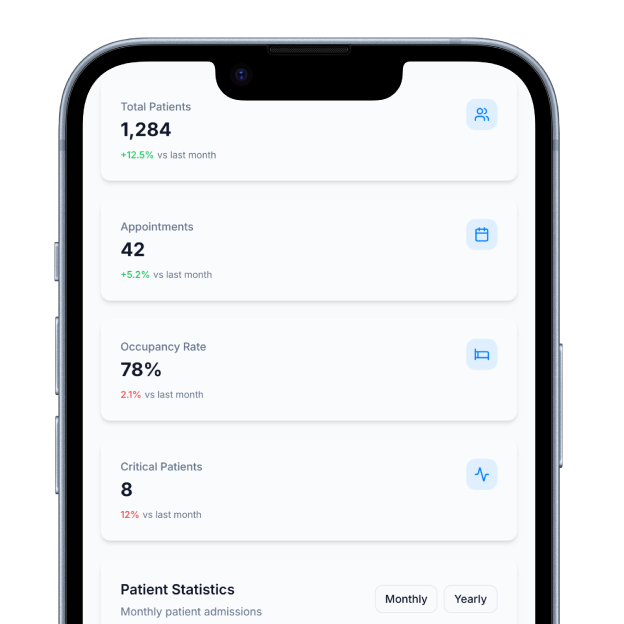
Identify JSON formats and clinical field structures.
Map to FHIR Resources
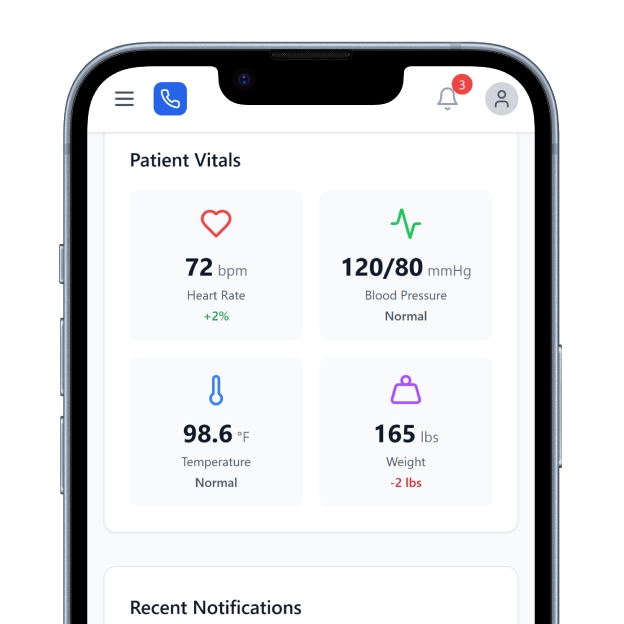
Match JSON fields to corresponding FHIR resource types.
Validate Conversions
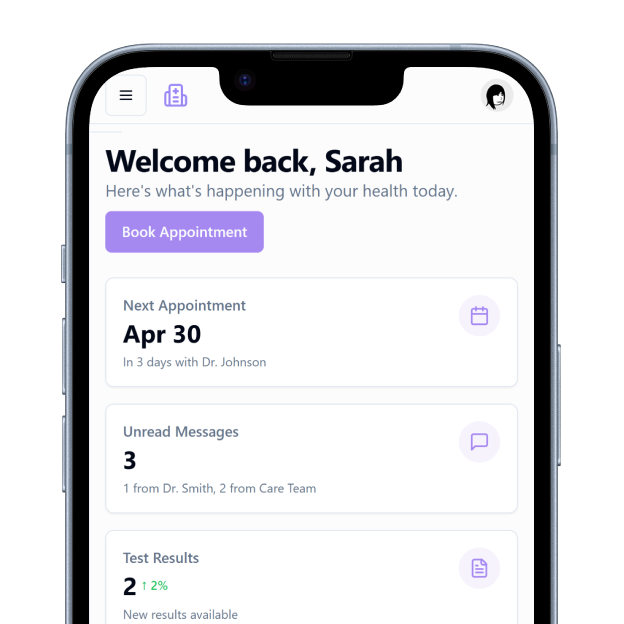
Run checks and securely correct structural inconsistencies.
Deploy Converted Output
Save FHIR resources and monitor performance dashboards.
Compliance & Data Governance Readiness
Healthcare data requires strict regulatory protections, including encryption, audit tracking, and access governance. Reliable transformation workflows ensure that converted FHIR resources comply with security and privacy expectations. Once converted, standardized FHIR data is often used by interoperable applications such as FHIR app development environments to power user experiences across systems.
Why DrapCode for JSON to FHIR Conversion
JSON-to-FHIR conversion requires reliable mapping, governance, and transformation logic that scale with clinical complexity. Traditional programming approaches are slow, expensive, and difficult to maintain across variable JSON standards. DrapCode’s no-code web app builder provides:
- Visual transformation and mapping tools
- Secure governance and monitoring controls
- Scalable architecture for production workloads
- Integrated API connectivity and validation logic
Frequently Asked Questions
What is a JSON to FHIR converter?
Why convert JSON to FHIR?
Can no-code platforms automate this conversion?
Are converted FHIR resources secure?
How are converted FHIR resources used?
Ready to Build JSON to FHIR Conversion Applications?
Get started with DrapCode to build secure, scalable JSON to FHIR conversion applications using a no-code web app builder.