Ongoing HIPAA Compliance Monitoring
DrapCode helps healthcare teams keep security and compliance work current after launch. Our ongoing retainer reviews changes, tracks open findings, and keeps the evidence behind your safeguards organized.
After the Audit
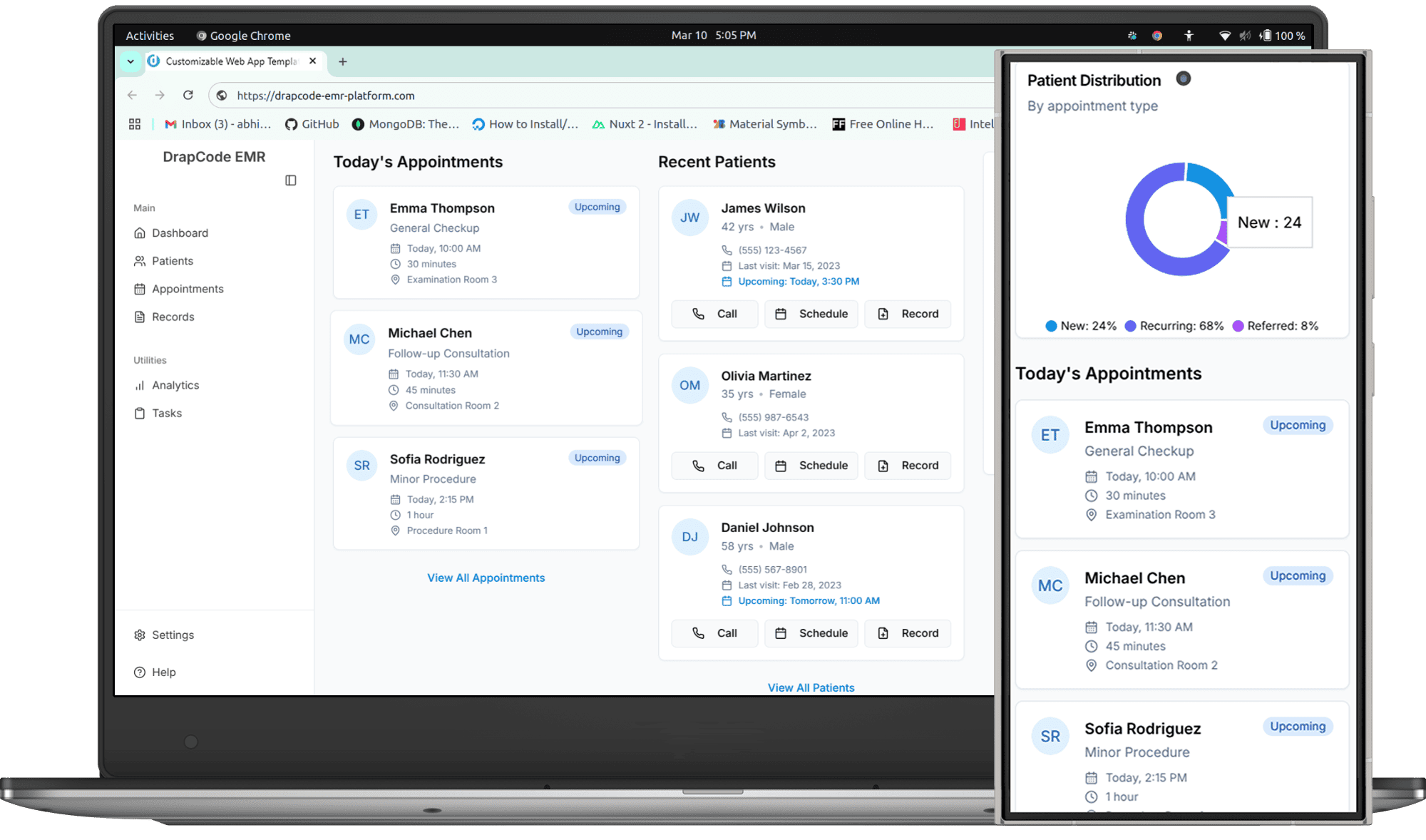
A risk analysis captures an environment at a point in time. Three months later, the application may have a new integration, a different hosting configuration, and staff with changed responsibilities. The old findings still matter, but they no longer tell the whole story. DrapCode’s ongoing compliance monitoring service helps teams keep up with those changes. We review the agreed application and infrastructure scope on a recurring schedule, document what changed, and follow through on unresolved security work.
Keep Work Moving
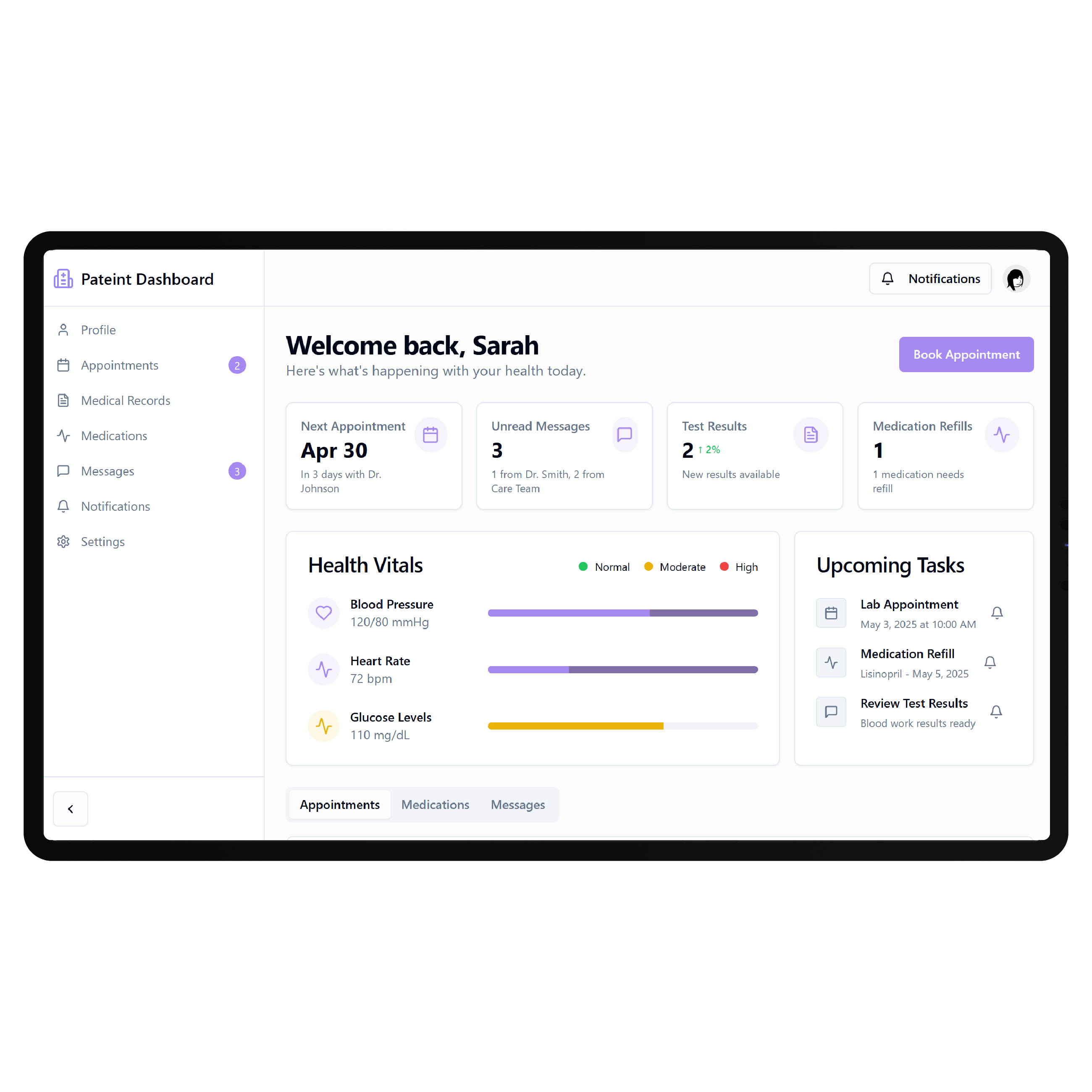
A clinic’s security lead should not have to rediscover the same issue every time a customer sends a questionnaire. DrapCode maintains a working record of findings, actions, owners, and supporting evidence so the team can see what has been addressed and what remains open. This retainer provides practical security program support for healthcare applications. It can give a small team some of the coordination and technical oversight it might seek from a virtual CISO, while the organization retains its own HIPAA responsibilities and designated security official.
Retainer Coverage
DrapCode agrees on the review cadence and scope with each customer. The work centers on changes that affect the application, its infrastructure, and the safeguards around ePHI.

Change Review
Review releases, integrations, and configuration changes for new PHI-handling concerns.

Finding Tracking
Maintain remediation status, assigned owners, decisions, and evidence of completed work.

Access Review
Check permission records for roles that no longer match current responsibilities.
Vendor Changes
Flag new services handling PHI for agreement and data-flow review.

Evidence Upkeep
Organize relevant policies, logs, review records, and proof of implemented safeguards.

Leadership Updates
Summarize open issues, completed actions, and decisions needing customer approval.


We partnered with DrapCode to develop our new Automated CRM using their low-code platform. Outstanding quality at half the price, unmatched speed, and excellent customer service.
Cal Goggans
Founder - A Custom Fit iNMotion



DrapCode stands out as the best. Flexible, scalable, and supported by an expert team. After 3 years on another tool, DrapCode is simply superior.
Cory Nation
President - Embark EMR


DrapCode is an easy-to-use no-code platform with a drag-and-drop interface, making it accessible for non-developers. The support team is highly responsive and dedicated to user success.
Joseph Young
President - Renew Hope And Healing
Technical Signals
The retainer connects the security program to the systems operating the application. Reviews focus on the records and controls included in the agreed scope.

Audit Records
Review available activity logs for events requiring investigation or follow-up.

Infrastructure Changes
Track hosting, backup, encryption, and access changes against documented arrangements.

Application Permissions
Examine role changes and sensitive actions across patient and staff workflows.
Integration Inventory
Maintain visibility into APIs and services exchanging electronic patient information.
Where It Helps

After a New Launch
A team deploys a patient portal and releases features every month. DrapCode reviews changes affecting PHI, tracks identified fixes, and keeps the supporting records current.

Across Care Partners
A telehealth company adds a referral partner and updates its telemedicine workflow . The retainer provides a recurring place to review the changed data flow, permissions, and vendor responsibilities.

During Customer Reviews
A health system requests updated security information for an app connected to an EHR platform . The team can work from maintained evidence and a current list of open remediation items.
How It Works
DrapCode establishes a recurring working rhythm with the customer’s application and security owners. The retainer agreement sets the scope, cadence, reporting, and any implementation work.
 Review meaningful changes as they occur.
- Keep findings tied to accountable owners.
- Preserve evidence of completed work.
- Escalate decisions the customer needs to make.
Set the Baseline
Review existing assessments, applications, infrastructure, vendors, and open findings.
Agree on Cadence
Define recurring reviews, contacts, reporting, and escalation expectations.
Review and Track
Examine in-scope changes and records; update findings and remediation status.
Report and Act
Share priorities and evidence needs, then carry out separately agreed technical fixes.
Shared Responsibility
DrapCode can monitor and help maintain the safeguards within its agreed service scope, including application access, audit records, hosting changes, and remediation evidence. DrapCode shares sensitive findings with the customer’s designated contacts for review and action. The customer remains responsible for its HIPAA program, workforce decisions, policies, and required risk analysis. The Security Rule requires regulated entities to review and modify safeguards as needed, periodically evaluate them, and designate a security official; an external retainer does not remove those duties HHS summarizes these requirements.
Why DrapCode
DrapCode builds and hosts healthcare applications, so our team can connect a compliance finding to the release, integration, permission setting, or infrastructure change behind it. That makes the retainer useful after the initial assessment and remediation work is complete. We also provide a clear route from finding to fix. The recurring service documents issues and tracks decisions; when hands-on development or infrastructure changes are needed, DrapCode can scope and deliver that work under the agreed support arrangement.
Frequently Asked Questions
Does DrapCode provide ongoing HIPAA compliance monitoring?
Is this a virtual CISO service?
Does the retainer replace a Security Risk Analysis?
Will DrapCode fix issues identified during monitoring?
How often are reviews conducted?
Keep Your Program Current
Give your team a recurring process to review changes, close findings, and maintain evidence as your healthcare application grows.