HIPAA Security Risk Analysist
DrapCode assesses ePHI risks across your systems, people, and vendors. Get a documented analysis and a prioritized plan for addressing the findings.
Where ePHI Goes
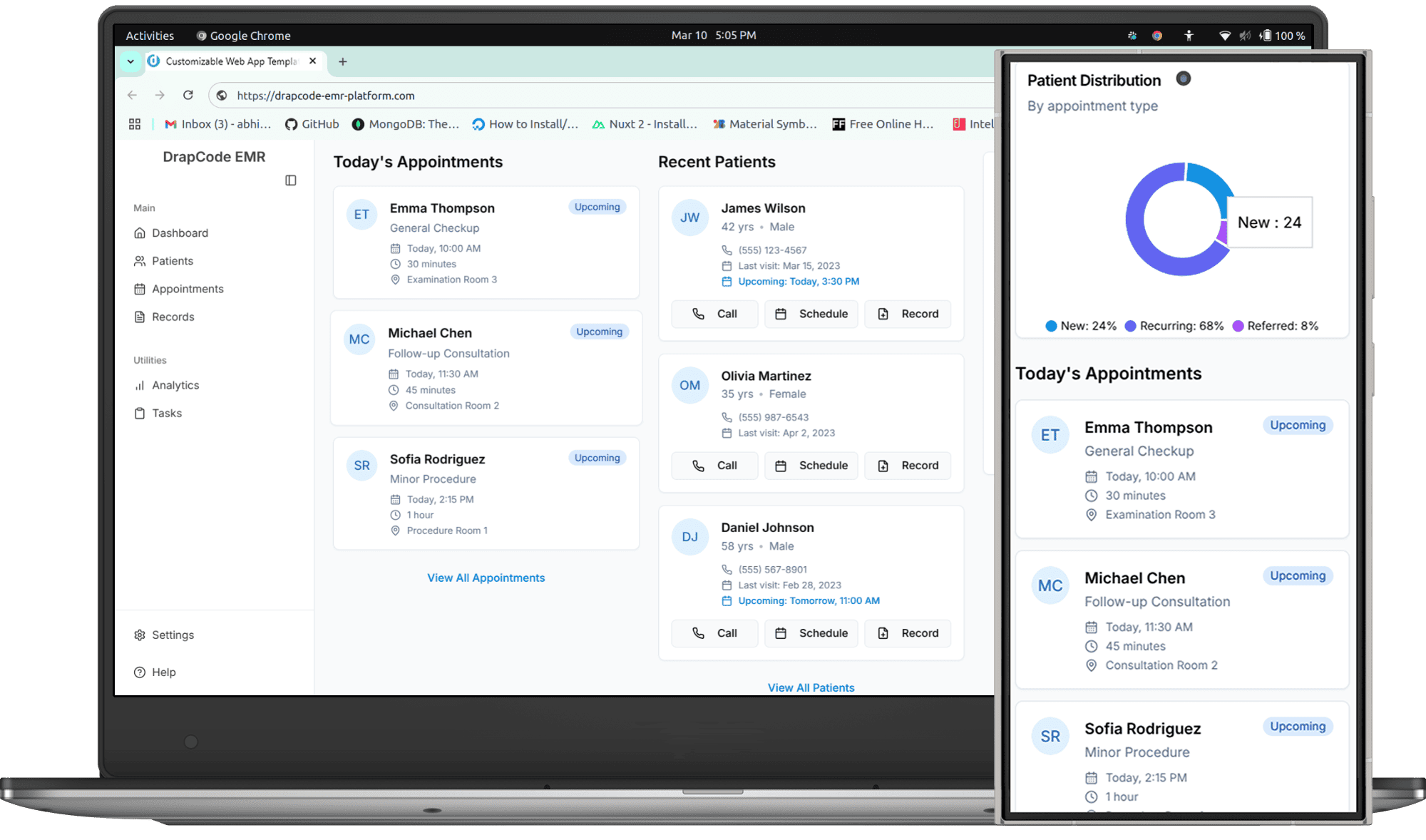
A healthcare organization may know its EHR is protected but have less visibility into exported reports, staff devices, connected apps, and backup copies. An analysis limited to the main system can miss the places patient information actually travels. DrapCode’s HIPAA Security Risk Analysis examines those paths and the safeguards around them. We document potential risks to the confidentiality, integrity, and availability of ePHI, then identify what your team needs to address.
From Findings to Decisions
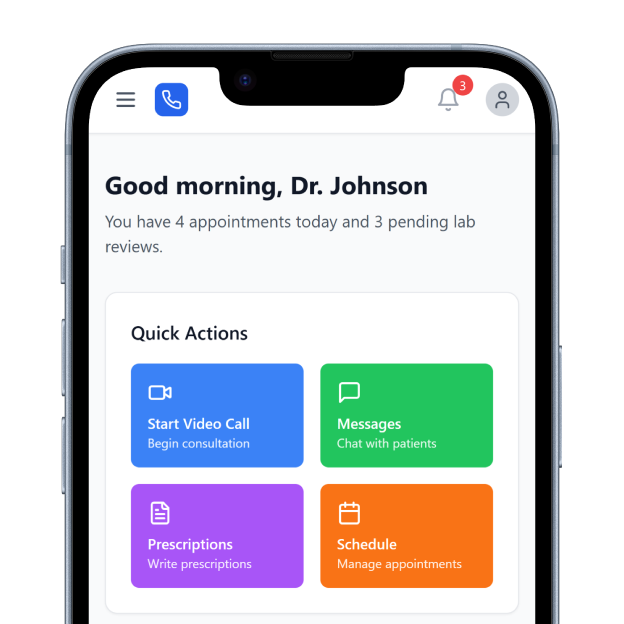
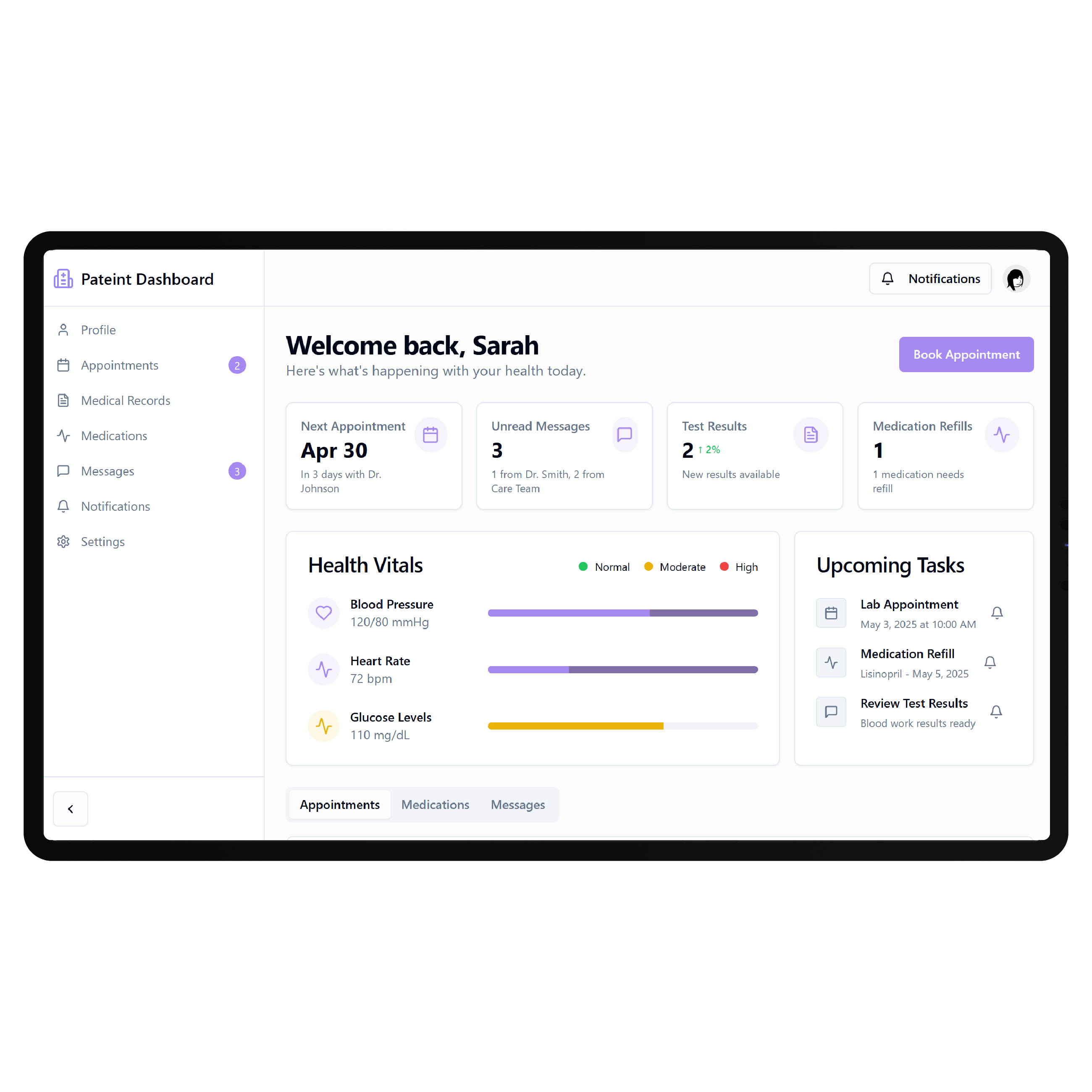
Our team reviews the environment with the people who operate it. That means understanding how information is collected, accessed, shared, stored, and recovered, not relying on a questionnaire alone. You receive a written analysis that identifies assessed systems, explains findings, and prioritizes remediation. Your team can use it to assign work, track decisions, and update the analysis when its environment changes.
What DrapCode Assesses
The scope follows your organization’s ePHI rather than a fixed list of applications.

ePHI Locations
Identify patient information across applications, devices, exports, cloud services, and backups.

Data Movement
Trace how ePHI passes between staff, systems, vendors, and care settings.

Potential Threats
Examine credible threats to information confidentiality, integrity, and availability across operations.

Existing Safeguards
Review policies, configurations, physical protections, and evidence supporting current controls.

Risk Priority
Record each finding’s likelihood, impact, existing controls, and rating rationale.

Remediation Actions
Recommend practical fixes, responsible owners, and an order for follow-through.


We partnered with DrapCode to develop our new Automated CRM using their low-code platform. Outstanding quality at half the price, unmatched speed, and excellent customer service.
Cal Goggans
Founder - A Custom Fit iNMotion



DrapCode stands out as the best. Flexible, scalable, and supported by an expert team. After 3 years on another tool, DrapCode is simply superior.
Cory Nation
President - Embark EMR


DrapCode is an easy-to-use no-code platform with a drag-and-drop interface, making it accessible for non-developers. The support team is highly responsive and dedicated to user success.
Joseph Young
President - Renew Hope And Healing
Systems Behind Care
DrapCode reviews the technology and operational evidence needed to understand each risk.

Access Management
Examine authentication, permissions, and changes to workforce access over time.

Activity Records
Review whether logs support meaningful monitoring and investigation of system activity.

Data Protection
Assess encryption, retention, backups, and transfer methods across ePHI locations.
Vendor Connections
Map integrations and services that receive, maintain, or transmit patient information.
When Teams Need Us

Before a Customer Review
A health system asks a digital health company for its current risk analysis. DrapCode conducts the assessment and delivers documented findings the team can use to explain its risks and remediation work.

After an Application Launch
A practice introduces a patient portal . DrapCode reviews the new patient-data flows and determines whether the organization’s existing analysis still accurately covers the environment.

Across Connected Systems
A provider links a telemedicine platform to its EHR platform. We assess the information moving between the tools, the people accessing it, and the safeguards protecting it.
How We Deliver
DrapCode scopes the analysis around the systems and workflows your organization uses today.
 Follow ePHI across the full environment.
- Verify safeguards against available evidence.
- Explain why each risk matters.
- Make remediation work assignable.
Define Scope
We identify ePHI locations, systems, vendors, and workflows to assess.
Gather Evidence
We review relevant records and discuss how safeguards operate with responsible staff.
Document Risks
We assess threats, vulnerabilities, existing controls, likelihood, and impact.
Deliver the Plan
We provide the written analysis and prioritized remediation actions.
Protecting Assessment Data
The work can involve sensitive information about your systems and security arrangements. DrapCode limits the review to the agreed scope and handles assessment materials through appropriate access and sharing controls. A risk analysis is an ongoing part of a regulated organization’s security management process. HIPAA requires an accurate, thorough assessment of risks to ePHI, but the current rule does not impose a universal annual deadline.HHS explains the requirement and its scope.
Why DrapCode
DrapCode builds and operates healthcare applications, so our assessment can examine the application workflow alongside hosting, access, integrations, and vendor dependencies. Findings are tied to the way the system is used. We deliver a documented assessment and a remediation plan your technical and operational teams can work from. Where a finding concerns an application DrapCode builds or maintains, we can also scope the implementation work separately.
Frequently Asked Questions
Does DrapCode conduct the HIPAA Security Risk Analysis?
Is an SRA required under HIPAA?
Is a penetration test enough?
Does DrapCode fix the risks it finds?
Must we repeat the analysis every year?
Get a Current Analysis
Have DrapCode assess the risks across your ePHI environment and document what needs attention.