HIPAA Remediation for AI-Built Healthcare Apps
DrapCode audits AI-built healthcare apps, fixes security and PHI-handling gaps, and rebuilds components that cannot support production use.
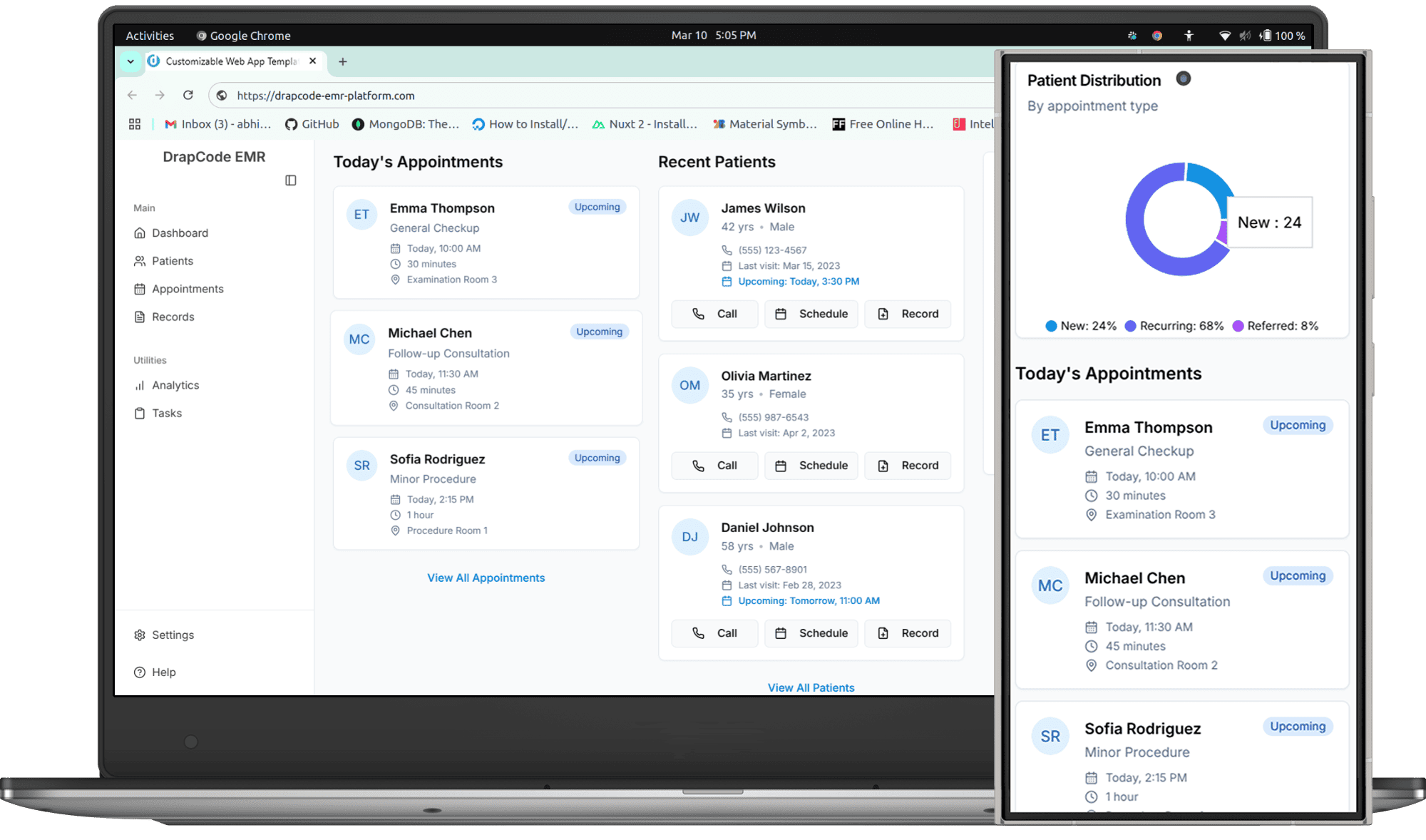
The Prototype Worked
A founder creates an intake app with an AI coding tool. Patients can complete forms, staff can view submissions, and the demo gets interest from a clinic. Then the clinic asks where PHI is stored, which vendors receive it, and who can see each patient’s record. DrapCode’s remediation service begins there. We inspect the existing application and identify what to retain, what to repair, and what to rebuild before it handles PHI in production.
Keep the Good Parts
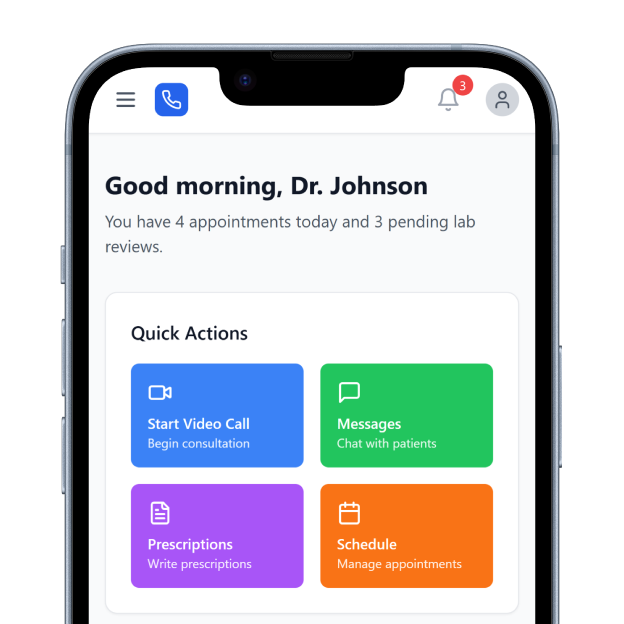
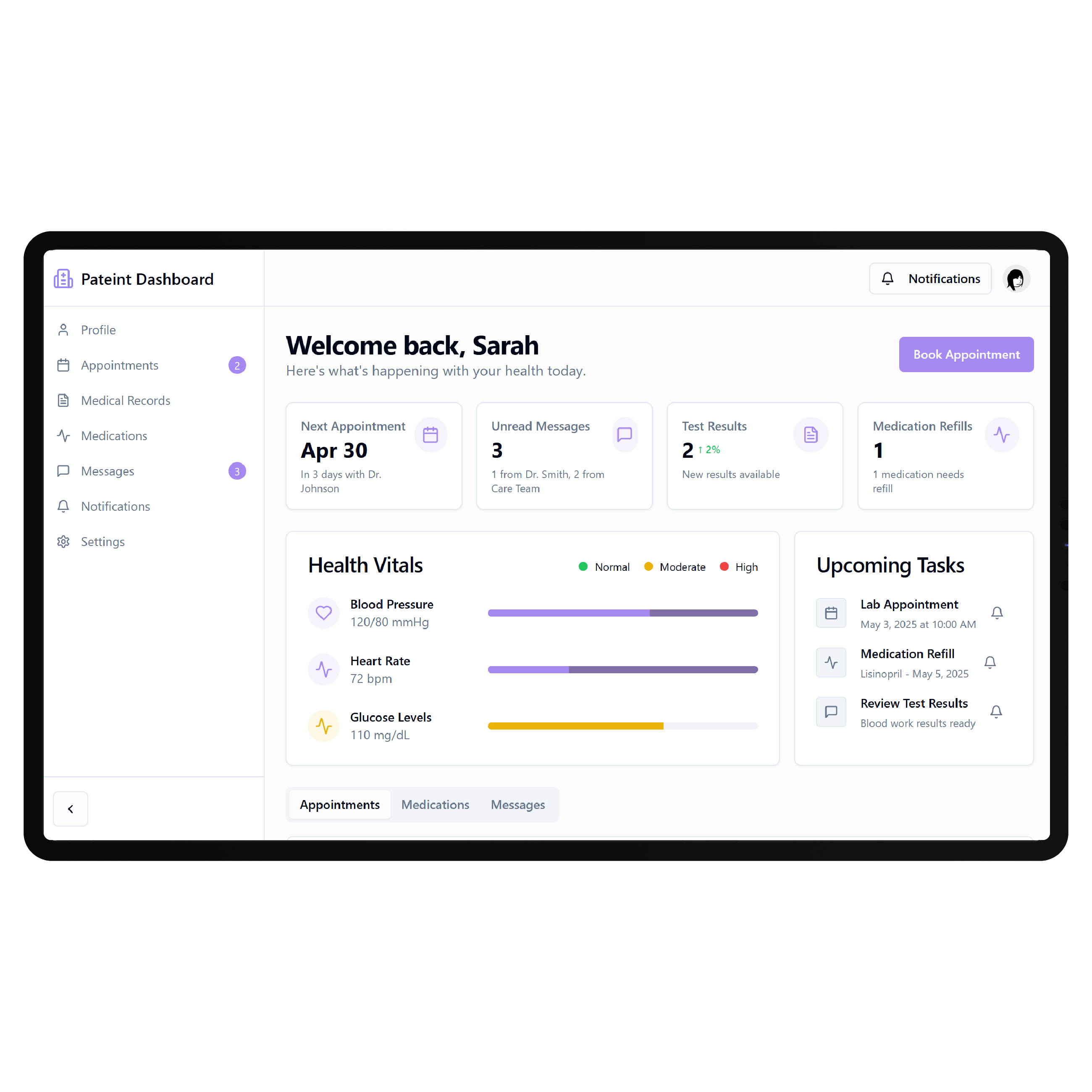
An AI-built app is not automatically unsuitable for healthcare. Its interface and workflow may be valuable even if the authentication, backend, hosting, or vendor choices need to change. DrapCode audits the code and the full patient-data path, then carries out the agreed fixes or rebuild. You get a clear implementation decision before work begins, followed by an application designed for the intended healthcare workflow.
What We Fix
The work depends on the audit findings, not on a generic list of changes applied to every prototype.

Code Inspection
Review authentication, permissions, data handling, dependencies, logging, and exposed endpoints.

PHI Tracing
Follow patient data through forms, storage, notifications, vendors, and backups.

Vendor Changes
Identify unsuitable services and replace connections where PHI handling requires it.
Access Repair
Restrict records and sensitive actions to appropriately authorized patient and staff roles.

Component Rebuilds
Replace fragile foundations while preserving useful screens, workflows, and product decisions.

Release Testing
Validate patient journeys and staff actions after implementing security changes.


We partnered with DrapCode to develop our new Automated CRM using their low-code platform. Outstanding quality at half the price, unmatched speed, and excellent customer service.
Cal Goggans
Founder - A Custom Fit iNMotion



DrapCode stands out as the best. Flexible, scalable, and supported by an expert team. After 3 years on another tool, DrapCode is simply superior.
Cory Nation
President - Embark EMR

DrapCode is an easy-to-use no-code platform with a drag-and-drop interface, making it accessible for non-developers. The support team is highly responsive and dedicated to user success.
Joseph Young
President - Renew Hope And Healing
Production Foundations
DrapCode addresses the application and infrastructure components that the audit identifies as needing change.

Hosting Environment
Deploy supported workloads into appropriately configured production infrastructure with defined responsibilities.

Data Separation
Keep PHI out of unnecessary analytics, testing, and development services.

Access Controls
Implement authentication, role permissions, session management, and auditable staff activity.
Clinical Connections
Review EHR APIs and integrations for appropriate permissions and data handling.
How Rescue Works
DrapCode gives you a fix-or-rebuild recommendation based on the current app and its intended use.
 Audit before committing to a rebuild.
- Follow PHI through connected services.
- Preserve sound product decisions.
- Verify changes against real workflows.
Inspect the App
We review its code, hosting, vendors, access model, and data flows.
Agree on Scope
We explain which components can stay and which require changes.
Remediate or Rebuild
DrapCode implements the agreed application and infrastructure work.
Validate Release
We test key workflows and document remaining customer responsibilities.
Patient Data Boundaries
The coding tool used to create a prototype does not determine whether the finished system meets HIPAA requirements. DrapCode reviews how the application handles PHI, which vendors are involved, and whether the required safeguards and agreements are in place. HHS explains the Security Rule’s safeguards. Technical remediation may address encryption, access controls, audit logging, hosting, and integrations. The customer must also maintain its applicable organizational policies, risk analysis, workforce practices, and other HIPAA obligations.
Why DrapCode
DrapCode builds healthcare applications and supports production hosting. This lets our team work across the prototype’s interface, backend, data flows, integrations, and deployment rather than addressing one isolated component. We aim to retain the parts of the prototype that serve patients and staff well. Where the foundation cannot be repaired responsibly, DrapCode rebuilds the affected components around the workflow the team has already validated.
Frequently Asked Questions
Does DrapCode fix apps built with AI coding tools?
Will DrapCode rebuild the whole app?
Can we keep the interface?
Is HIPAA-compliant hosting alone enough?
What do we receive first?
Bring Us the Build
Show DrapCode the working app and where you want to use it. We’ll review the production gaps and scope the work to fix or rebuild it.