Navigating HIPAA Compliance: Building Healthcare App Functionalities with No-Code

Recent changes in health technology have been revolutionary, and have included increased use of no-code healthcare applications. The healthcare application landscape has seen a major change; a growing trend in using no-code platforms.
It is now possible for both individuals and organizations to customize healthcare applications without the need to use codes. From patients’ involvement to remote monitoring systems, and other no-code applications are getting more attention in health care.
In essence, this development is indicative of an emerging trend within healthcare technology that focuses on user-friendly interfaces, easy implementation, and personalization, where no-code systems serve as stimuli for innovations. It is important to appreciate how no-code healthcare apps stand in this evolving atmosphere.
Which healthcare apps can be built using no-code?
No-code platforms allow anyone to develop a myriad of healthcare apps enabling non-tech people to create the apps for digital heath. No-code development can be used to develop patient engagement and medication tracking tools, symptom diaries and other products. These apps could be used for tracking the vital signs. It would also help to encourage wellness and improve patient-provider interactions. Non-coding platforms have the capability to customize its attributes to suit personal health needs, which is a chance given to even those who do not have knowledge on coding to develop unique health systems.
Forms for Data Collection: Include forms where users will fill in the details related to symptoms, medication, or vital signs. These forms are meant for collection of individual health monitoring data.
Activity Tracking: Include elements allowing tracking, monitoring as well logging of user’s physical activity. For example, this may also involve aspects that support physical fitness and health like steps taking, mileage, and workout recording services.
Nutrition Logging: Develop software for keeping a check on eating regimens and nutrient inputs. For instance, it could be a weekly diet plan, taking out calorie count and specifying the nutritive values of different meals.
Graphs and charts:Visualize the trends of health data by using visual elements. Users are able to see how their progress changes in time, making informed decisions about their health with graphs and charts
Community Forums: Provide a venue where users can interact, exchange information, and give support to each other. The forums can be health-specific or general health.
Educational Materials:You can also incorporate a health topics education section. Such materials may comprise information articles, videos and interactive content.
Goal Setting and Tracking:Let the users come up with health objectives, be they concerning exercise, diet, or other areas of good living. Provision of features that aid in tracking progress and recognition of achievements.
Compliance with HIPAA
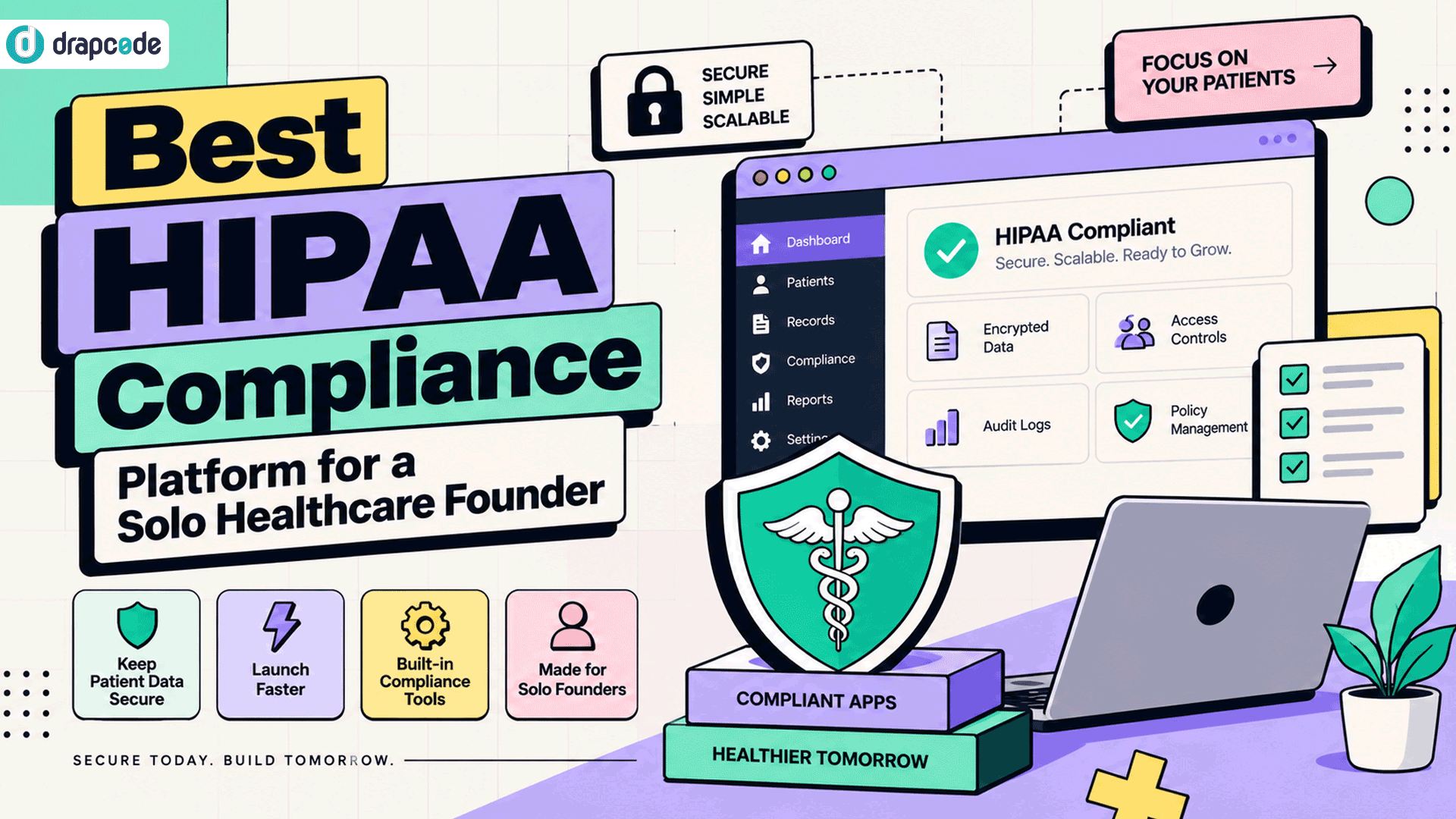
With an increasing number of HIPAA-compliant no-code apps entering the marketplace, ensuring HIPAA compliance must be a priority in the design and deployment of healthcare-related applications.
HIPAA sets rules on how to protect patient PHI which is referred to as protected health information. This calls for the intricacies required by organizations, together with no-code app developers to protect their data against unauthorized access, and breaches, among others.
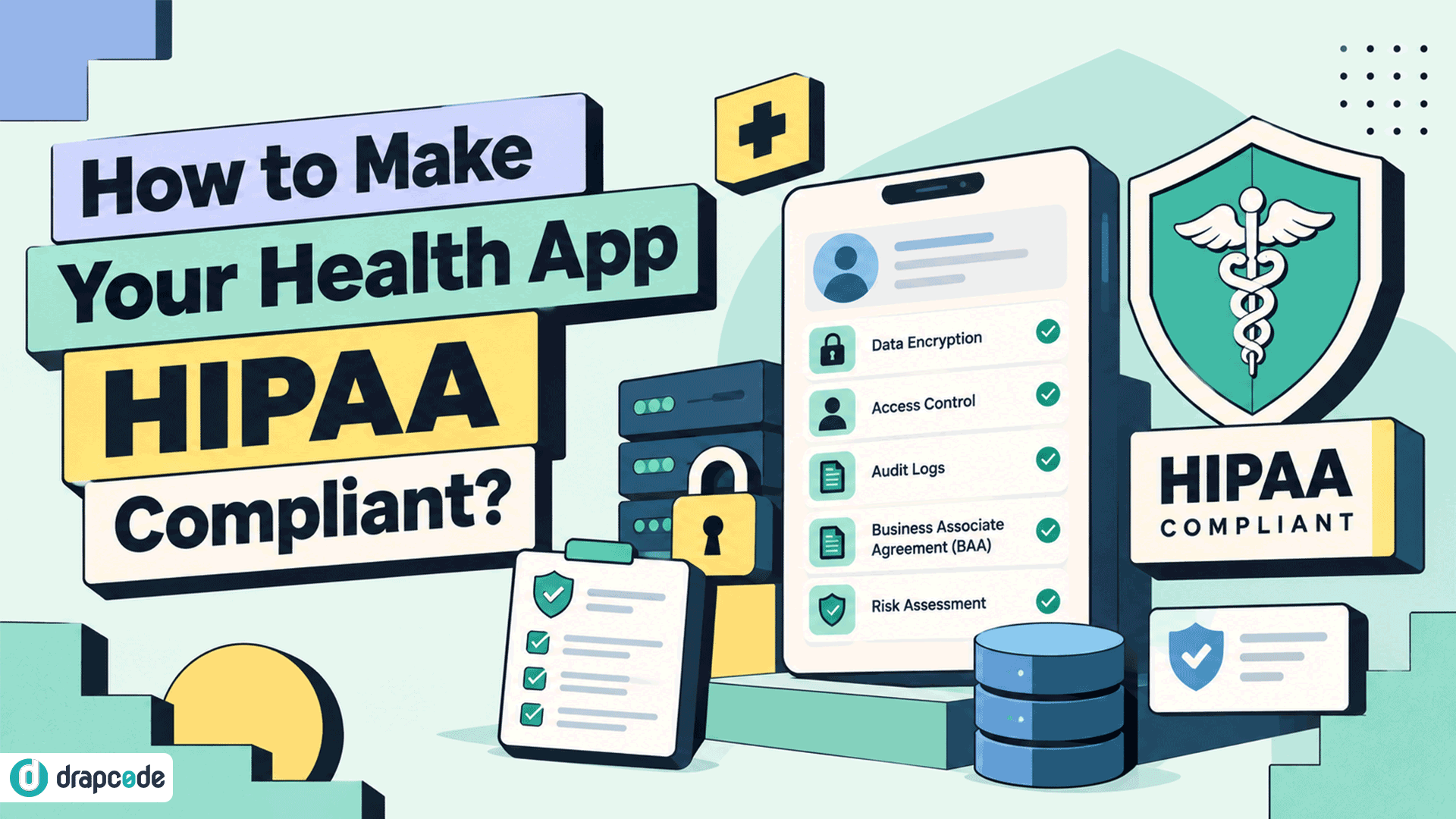
Encrypting data at rest and in transition with security access control, limiting the number of people who can access PHI and auditing trails that document any modifications or access to them are among elements of HIPAA compliance applicable to HNOC application in the healthcare sector.
In addition, a no-code platform should have a means of protecting the confidentiality and privacy of patients’ information consistent with HIPAA regulations on patient records’ security.
Given that non-coding health applications are common for functions like patient messaging, data capturing and telemedicine, developers have to insist on the implementation of HIPAA-compliant elements. These measures entail enforcing stringent authentications, encrypting communication, stipulating top-notch privacy protocols for all data dealings.
Essentially, the combination of no-code app development and implementing HIPAA will provide a solid foundation for driving healthcare forward without compromising patient’s privacy or safety. Through active compliance within the no-code paradigm, developers can play a significant role in formulating a healthcare scene that supports digital transformation while maintaining strict privacy and security for sensitive health data management.
In regards to this, DrapCode is a no-code development tool for securing health care information ensuring it cannot be compromised by cyber criminals. Customizability is one salient feature characterizing the system as it allows the modification of web applications in order to meet new or evolving needs.
Therefore, DrapCode becomes a trusted partner whereby a client can seek clarity regarding issues arising in the pre-production, production and post-production stages. Drapcode is an innovative web application developer for health care focused, security based, compliant ready and flexible products.
Future of no-code healthcare apps
No-code healthcare apps have a bright future ahead, offering the possibility of reimagining how healthcare solutions are designed and utilized in the future. The advent of advanced technologies will bring the maturity of no-code platforms into perspective by providing more tools and features than the current state. Such an evolution will probably allow healthcare professionals, managers as well as enthusiasts to respond faster to many of the complex challenges that were previously not possible because of a lack of skills in coding knowledge.
No-code healthcare apps will play an important future role in “democratized innovation.” These platforms facilitate the significant involvement of diverse stakeholders such as clinical experts, researchers, and entrepreneurs in solution-based healthcare discussions. It combines ease of use with quick prototyping, allowing for speedy experimentation and iteration, creating an open culture where concepts come to life as working apps.
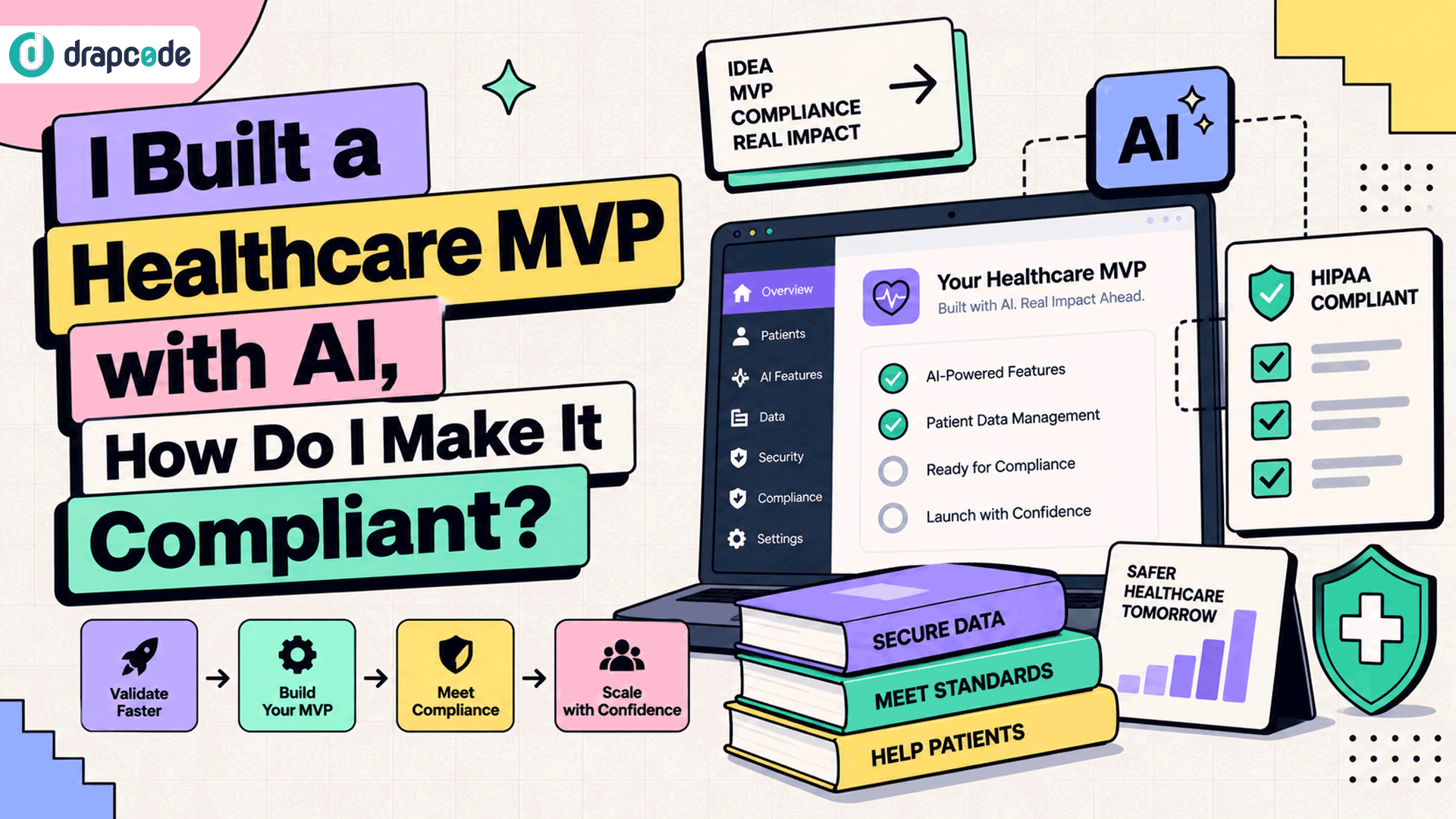
In the future, the incorporation of AI and ML into no-code platforms will likely be one of its hallmarks. This will bring predictive and analytic capabilities into healthcare apps as well making possible intelligent automation of routine processes leaving medical staff with patient care and strategic management issues.
Also, the future of no-code healthcare apps depends on wider digital health issues, and more specifically telemedicine, and patient-centered approach to care provision. These apps will no doubt have a significant impact on expanding the remote monitoring capability, engaging patients, as well as the smooth exchange of health data across entities involved in the healthcare system.
With data security and privacy still being of great concern for the healthcare sector, the no-code healthcare application is expected to put more emphasis on high standards of compliance as it heads to the future. There will be a need for more regulation and observance of policies like Hospitals Information Privacy Act (HIPAA) to guarantee safe management of important patient details.
The future will offer an evolving ground where innovativeness, affordability, and better efficiency come together to reshape today’s health care.
Read More: Build HIPAA compliant webapps without coding