C-CDA to FHIR Converter for Structured Clinical Data Modernization
Convert clinical documents from C-CDA to FHIR standards using a no-code web app builder to enable structured interoperability for healthcare systems.
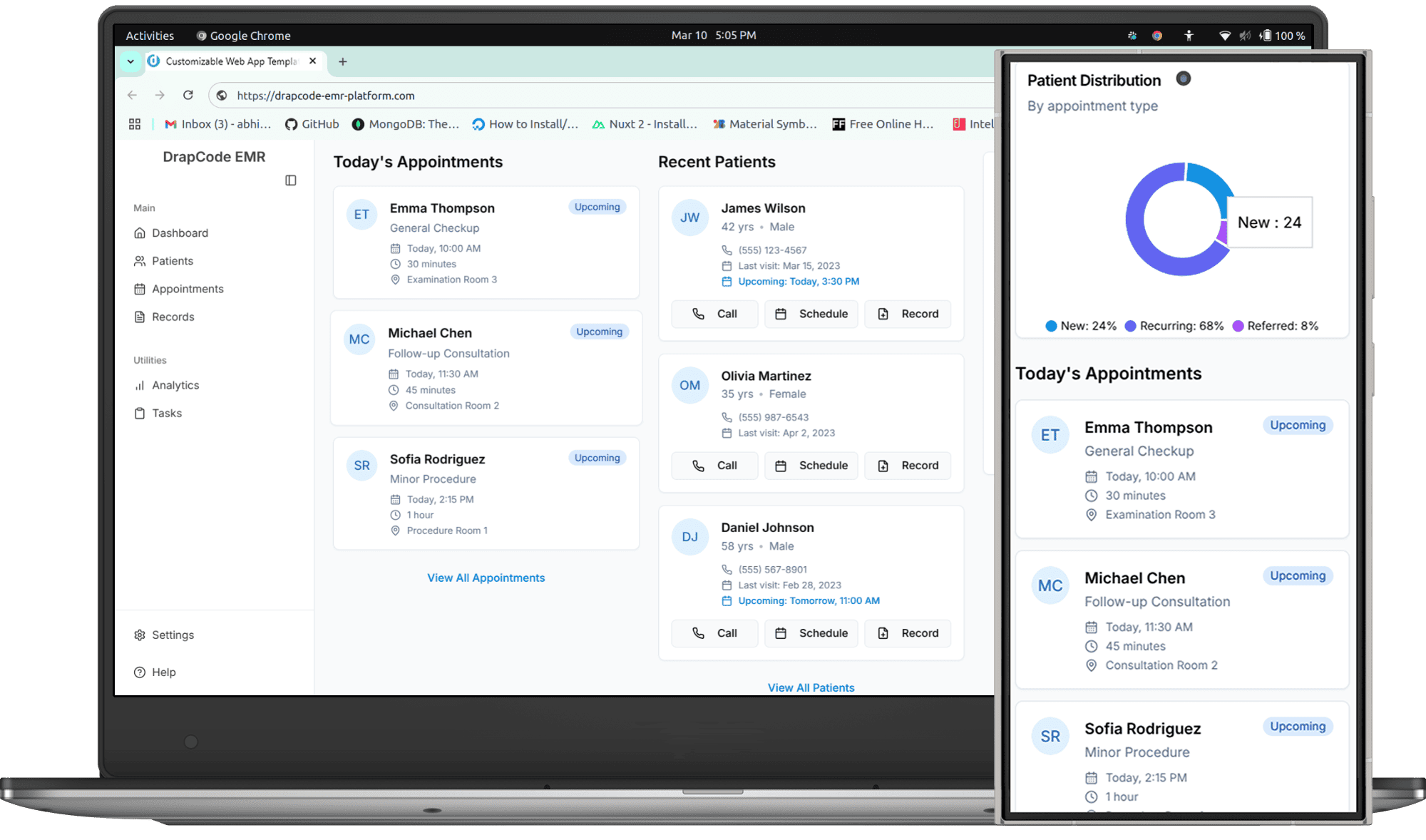
Interoperability and Clinical Data Standards
Clinical documents often originate in C-CDA (Consolidated Clinical Document Architecture) formats for physician summaries, continuity records, and care transitions. Converting these documents into FHIR resources enables structured data exchange across digital systems. FHIR is rapidly becoming the preferred clinical exchange standard due to its API-first model and consistent data semantics. Transformations from C-CDA to FHIR are foundational for interoperability initiatives defined in FHIR in healthcare.
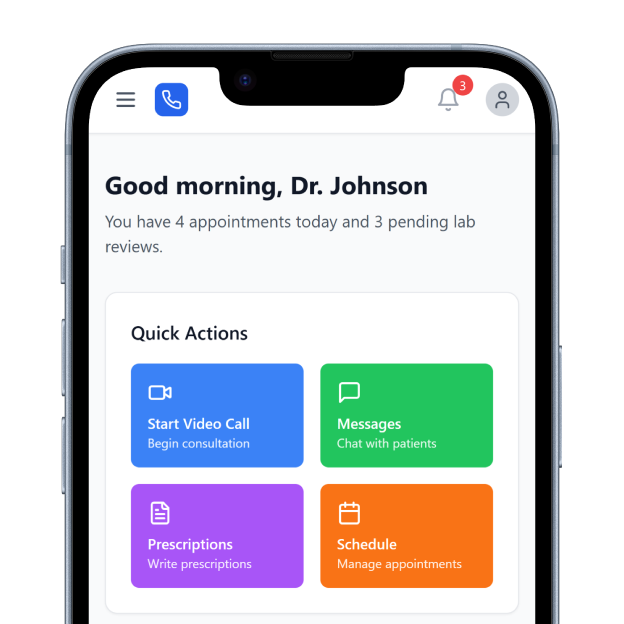
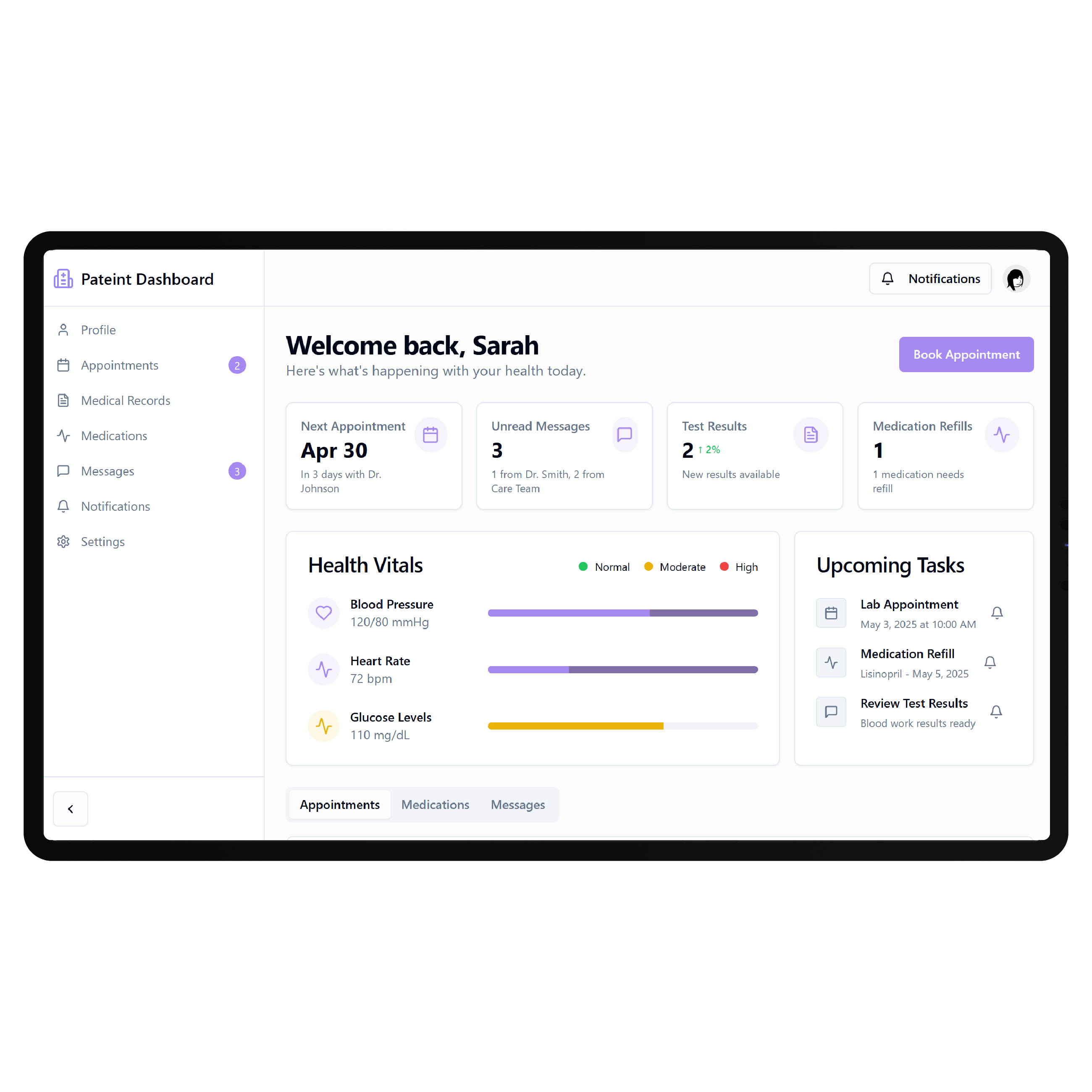
No-Code Conversion Architecture
A no-code web app builder allows teams to define mapping logic, conversion templates, and validation flows visually. This accelerates development while ensuring governance and compliance with clinical data standards. C-CDA conversions often feed broader data pipelines and applications through structured FHIR server backends that store and serve converted FHIR resources securely.
Core Converter Features
These features define the requirements for a production-ready C-CDA-to-FHIR converter in structured healthcare data transformation.

Document Parsing Engine
Extract structured clinical data from raw C-CDA documents reliably.
Resource Mapping Templates
Map C-CDA sections to standardized FHIR resource structures accurately.

Validation Workflows
Verify output FHIR resources meet structural and semantic standards.

Error Handling Controls
Handle document anomalies and conversion exceptions with logging.

Batch Conversion Support
Process multiple C-CDA documents in automated conversion sequences.
Secure Output Streams
Ensure converted FHIR data is encrypted and governance-aligned.
Platform Conversion Capabilities
These capabilities ensure converters are secure, scalable, and integration-ready for healthcare production systems.

Visual Mapping Designer
Configure resource mappings and transformation logic without coding.

Secure Data Governance
Apply encryption, access policies, and audit logs for conversion flows.

API Connectivity
Connect to FHIR servers and EHR systems via secure APIs.
Real-Time Monitoring Tools
Track conversion success rates, errors, and throughput in dashboards.
Use Cases for C-CDA to FHIR Conversion

Patient Record Consolidation
Transform legacy clinical summaries into unified FHIR records.
HIE Data Normalization
Enable health information exchanges to standardize data across systems.

Care Transition Workflows
Support structured data handoffs between hospitals, clinics, and care teams.
Conversion Implementation Workflow
C-CDA-to-FHIR conversion using a no-code web app builder follows a secure, repeatable methodology.
 Configure Mapping Rules
- Load C-CDA Inputs
- Execute Conversion Flows
- Store & Monitor Output
Configure Mapping Rules
Define how C-CDA elements map to FHIR resources.
Load C-CDA Inputs
Import clinical documents for transformation processing.
Execute Conversion Flows
Run conversion logic and validation sequences securely.
Store & Monitor Output
Save FHIR resources and monitor job results.
Compliance & Data Governance
Clinical documents contain highly sensitive health information that must be protected under privacy regulations. Conversion workflows must enforce encryption, audit logs, and structured access controls. Once converted, FHIR resources are often used for insights and reporting. Many healthcare teams integrate converted data with healthcare analytics platforms to analyze trends and care outcomes.
Why DrapCode for C-CDA-to-FHIR Conversion
C-CDA-to-FHIR conversion requires structured mapping, secure processing, and reliable governance. Traditional custom development is slow, costly, and error-prone. DrapCode’s no-code web app builder provides:
- Visual mapping and transformation logic
- Secure governance and monitoring tools
- API connectivity to clinical systems
- Scalable, compliant conversion pipelines
Frequently Asked Questions
What is a C-CDA-to-FHIR converter?
Why convert C-CDA to FHIR?
Can no-code platforms handle conversions?
Are converted FHIR resources secure?
How are conversions used in healthcare workflows?
Get started with DrapCode to build C-CDA-to-FHIR conversion workflows using a secure no-code web app builder.
Experience the power of no-code development with DrapCode Studio. Build apps visually, collaborate seamlessly, and launch faster than ever.