Build Custom E-Discovery & Data Analysis Software
Build legal applications that help teams organize digital evidence, search document collections, track review decisions, and analyze information. Use AI-powered building and visual development to shape discovery workflows around your requirements.
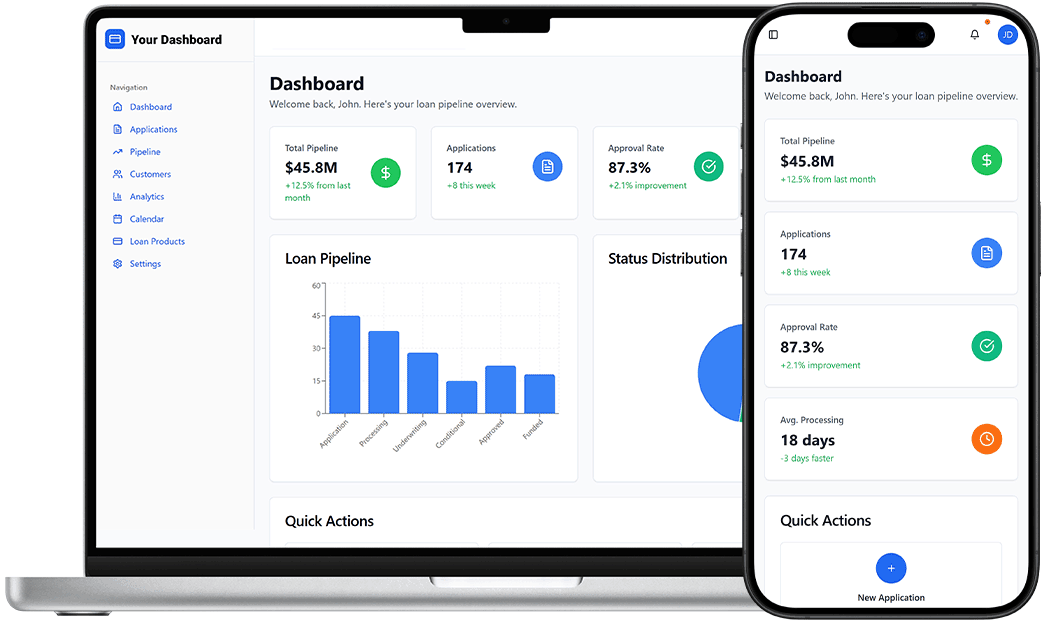
Make Large Data Collections Easier to Manage
Legal disputes and internal investigations can involve thousands of emails, documents, messages, and digital records. Finding relevant information becomes difficult when files are scattered across storage systems and teams rely on manual searches. With DrapCode, build an application that organizes discovery records, captures important metadata, and connects evidence to specific matters. Create structured workspaces that help legal professionals locate information, maintain review records, and manage discovery tasks with greater clarity.
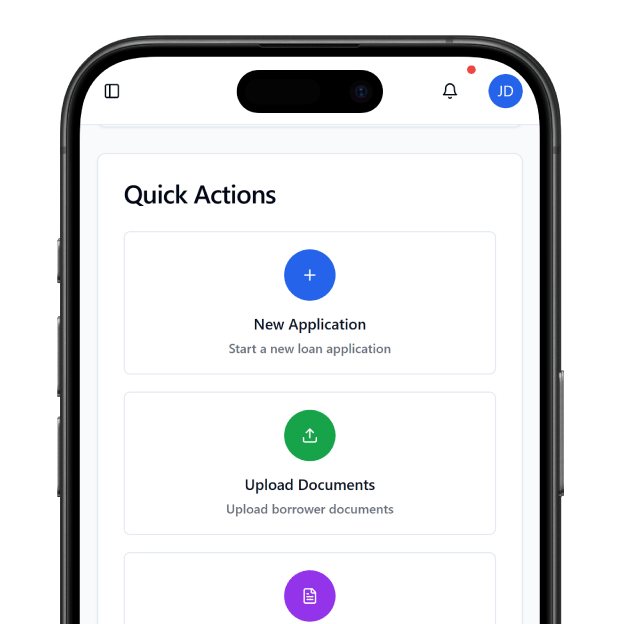
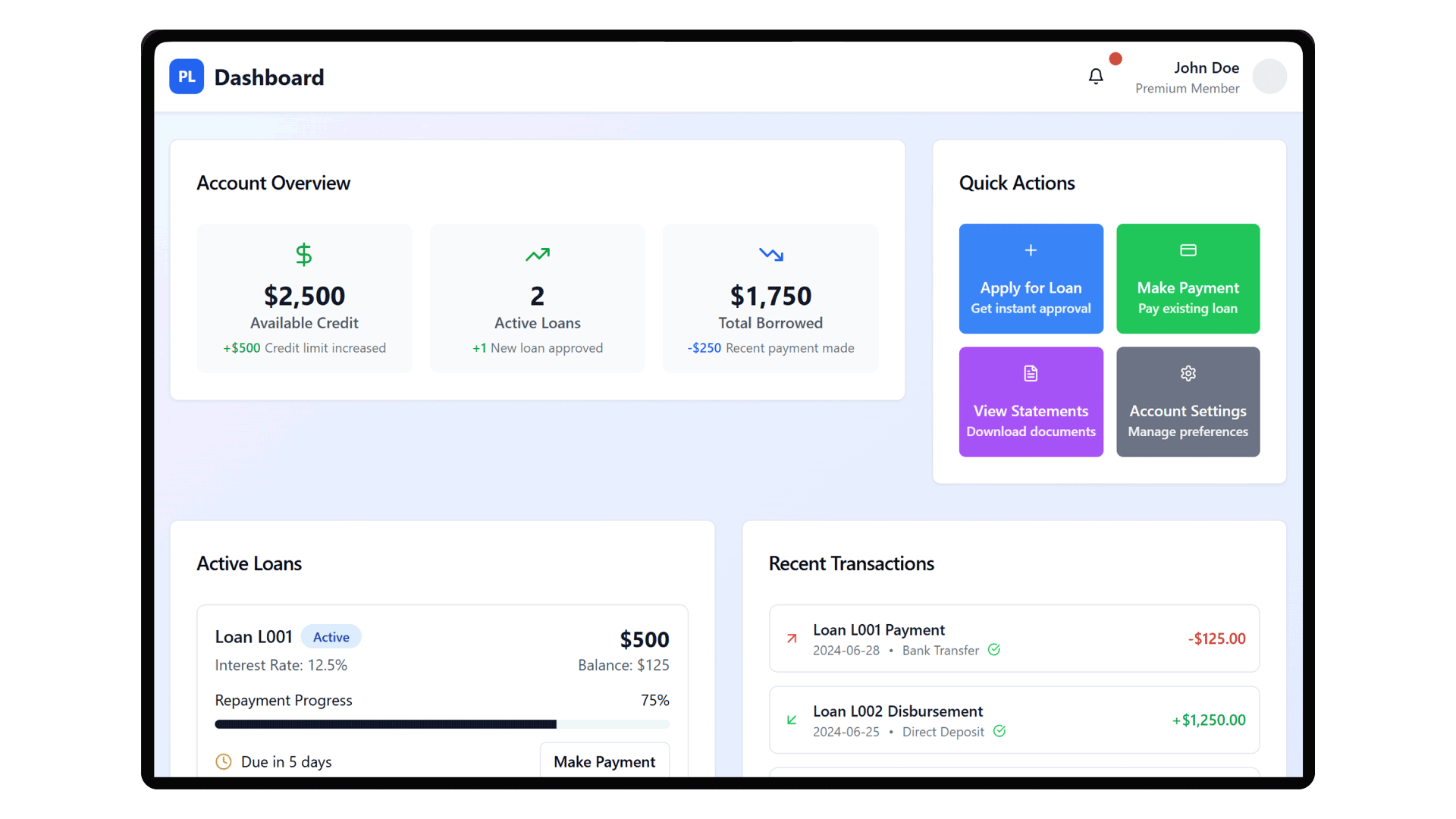
Move Beyond Manual Document Review
Finding a document is only part of the discovery process. Legal teams must also assess relevance, identify relationships between records, flag potentially privileged information, and document their review decisions before preparing material for further legal action. DrapCode lets you build custom search interfaces, classification workflows, review dashboards, and data analysis screens around your process. Use AI-assisted building and visual development to configure how information is organized, evaluated, assigned, and presented, with advanced analytical capabilities implemented through suitable integrations where needed.
Build a More Organized Discovery Process
Create a purpose-built application for managing discovery data, coordinating reviewers, and tracking how evidence moves through your legal workflows.

Evidence Organization
Group emails, documents, attachments, and other digital records by matter, source, custodian, date, or relevant classification.

Advanced Search Filters
Build search interfaces that filter available records using keywords, metadata, date ranges, document types, and configured search criteria.

Document Review Tracking
Record relevance assessments, reviewer notes, privilege flags, and review statuses to maintain a clearer history of document evaluation.

Data Analysis Dashboards
Present document volumes, review progress, recurring categories, and selected metadata patterns through dashboards designed around your reporting requirements.

Reviewer Collaboration
Assign document batches, distribute review responsibilities, and track outstanding work across legal teams involved in complex discovery projects.
Evidence Audit Records
Create records of user actions, review updates, and evidence handling activities to support traceability within your configured workflows.
Handle Discovery Work with Greater Clarity
Build workflows that help legal teams organize information, coordinate reviews, and understand the progress of evidence-related tasks.
Faster Information Retrieval
Organize searchable records and useful metadata filters so legal professionals can locate potentially relevant material without repeatedly examining entire collections.

More Consistent Reviews
Standardize review categories, document assignments, and decision fields to help different reviewers follow the same process across discovery matters.

Better Progress Visibility
Monitor document volumes, outstanding assignments, and review completion through dashboards that give matter leads a clearer operational picture.
Adaptable Discovery Workflows
Adjust search interfaces, review stages, reporting fields, and team responsibilities as investigation requirements or discovery procedures change over time.
Support Different Types of Legal Discovery

Litigation Document Review
Build workflows for organizing pleadings, correspondence, emails, and supporting records, allowing legal teams to classify documents and track relevance decisions during litigation.

Internal Investigations
Create structured workspaces for reviewing employee communications, transaction records, and other collected information while coordinating assignments and documenting investigation findings.

Regulatory & Compliance Reviews
Develop applications that organize requested records, track document review status, and prepare evidence inventories for internal compliance assessments or regulatory responses.
Build a Discovery Application Around Your Process
Define how evidence is collected, organized, reviewed, and reported, then configure an application that supports your team's discovery workflow.
 AI-Powered App Building
- Evidence Data Organization
- Custom Review Workflows
- Discovery Progress Dashboards
Map Your Discovery Process
Identify relevant data sources, evidence categories, review responsibilities, search requirements, and reporting needs for your legal matters.
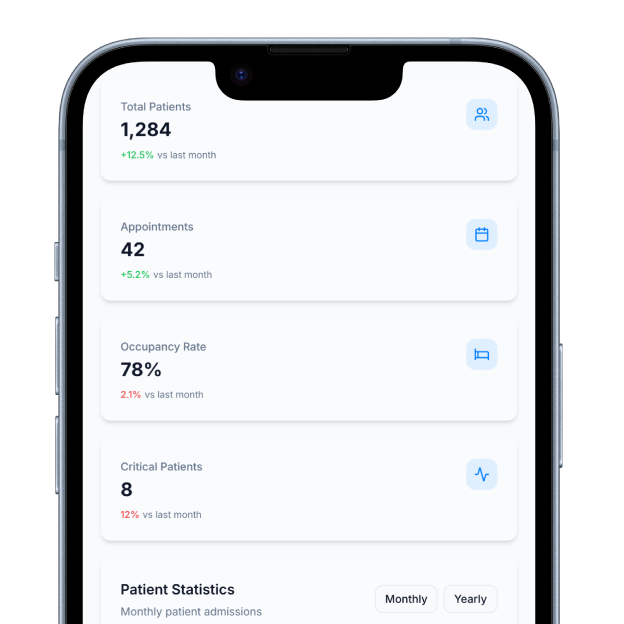
Design Your Workspace
Use AI-assisted building and visual development to create evidence repositories, search screens, review forms, and dashboards.
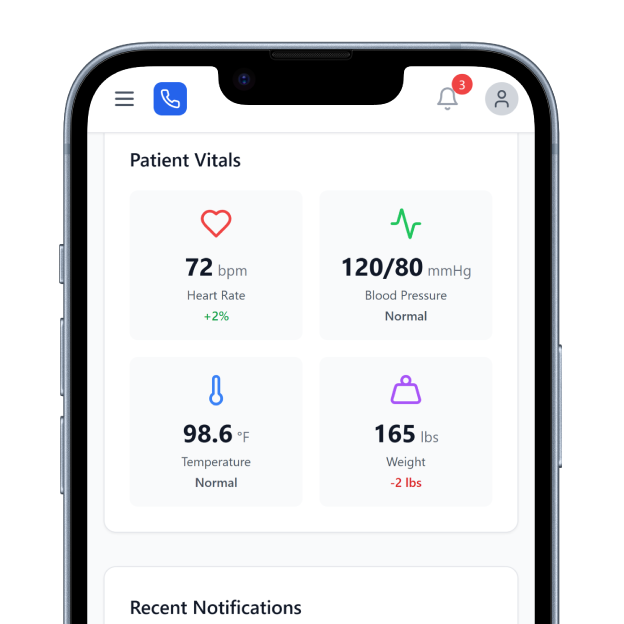
Configure Review Rules
Set up document classifications, assignment workflows, review statuses, access permissions, and reporting logic around your discovery requirements.
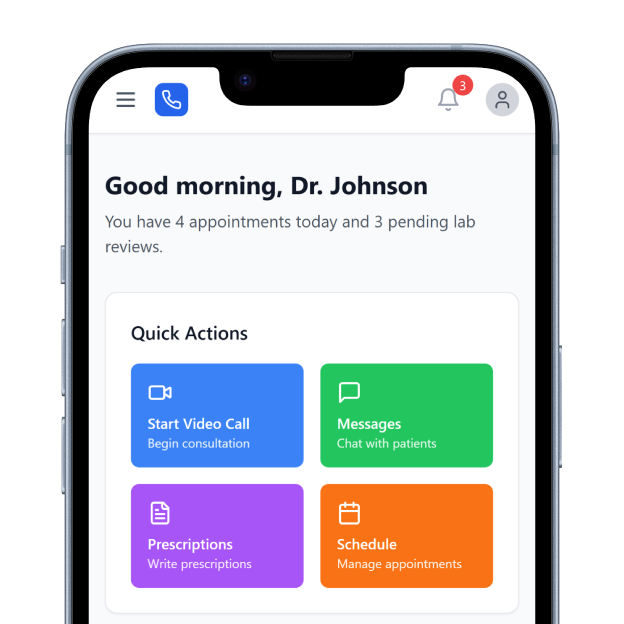
Test and Deploy
Validate search behavior, review workflows, access controls, and audit records before deploying your application for operational use.
Connect Documents with the Bigger Picture
A single email or file may have limited value when reviewed in isolation. Its significance often becomes clearer when considered alongside related correspondence, associated documents, dates, people, and events within the same matter. Build interfaces that connect related records and present relevant metadata in context. Where supported analytical services are integrated, your application can also present outputs such as document classifications, extracted information, or relationship insights to help reviewers investigate potential connections.
Make Evidence Handling More Traceable
Discovery work requires more than finding potentially relevant information. Teams need clear responsibilities, documented decisions, controlled access, and reliable records of how collected material is handled throughout the process. With DrapCode, configure user roles, review histories, approval stages, and evidence-related records according to your operational needs. Appropriate security controls, preservation procedures, and chain-of-custody requirements should be designed and validated for the specific application and legal context.
Frequently Asked Questions
1. What is e-discovery and data analysis software?
2. Can I build custom e-discovery software with DrapCode?
3. Can the application search large collections of emails and documents?
4. Can I add AI-powered document analysis?
5. How can I protect sensitive discovery data?
Build an E-Discovery Application Around Your Needs
Create a tailored workspace for organizing digital evidence, managing document reviews, and analyzing discovery information. Use DrapCode's AI-powered building and visual development capabilities to design workflows for your legal team.