Connected healthcare applications
Connect Healthcare Appls with b.well
Connect DrapCode applications with b.well to access patient health information across systems and build digital health experiences using AI-assisted and visual development.
Bring Health Records Together
Healthcare information often sits across multiple providers, EHRs, laboratories, and other data sources. Bringing relevant information together can help patients and care teams work with a more complete view of an individual's health. b.well provides healthcare data connectivity through FHIR-based services and application APIs. With DrapCode, you can build the application interface around these services, creating tailored experiences for accessing health information, managing patient interactions, and supporting connected healthcare workflows.
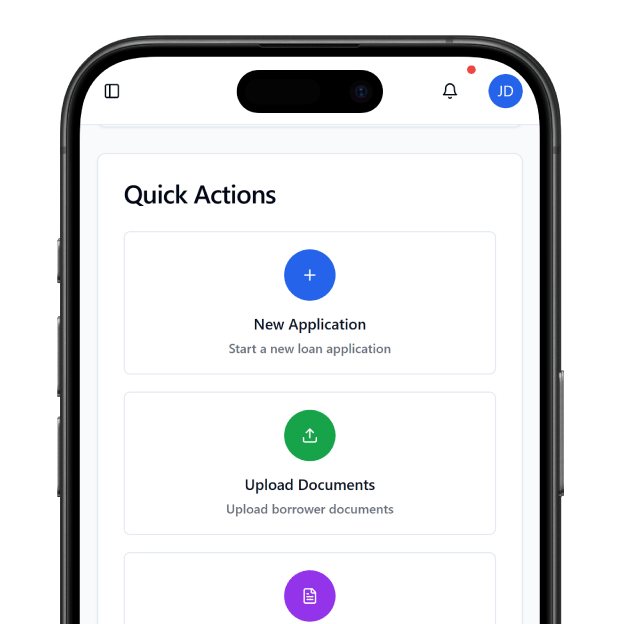
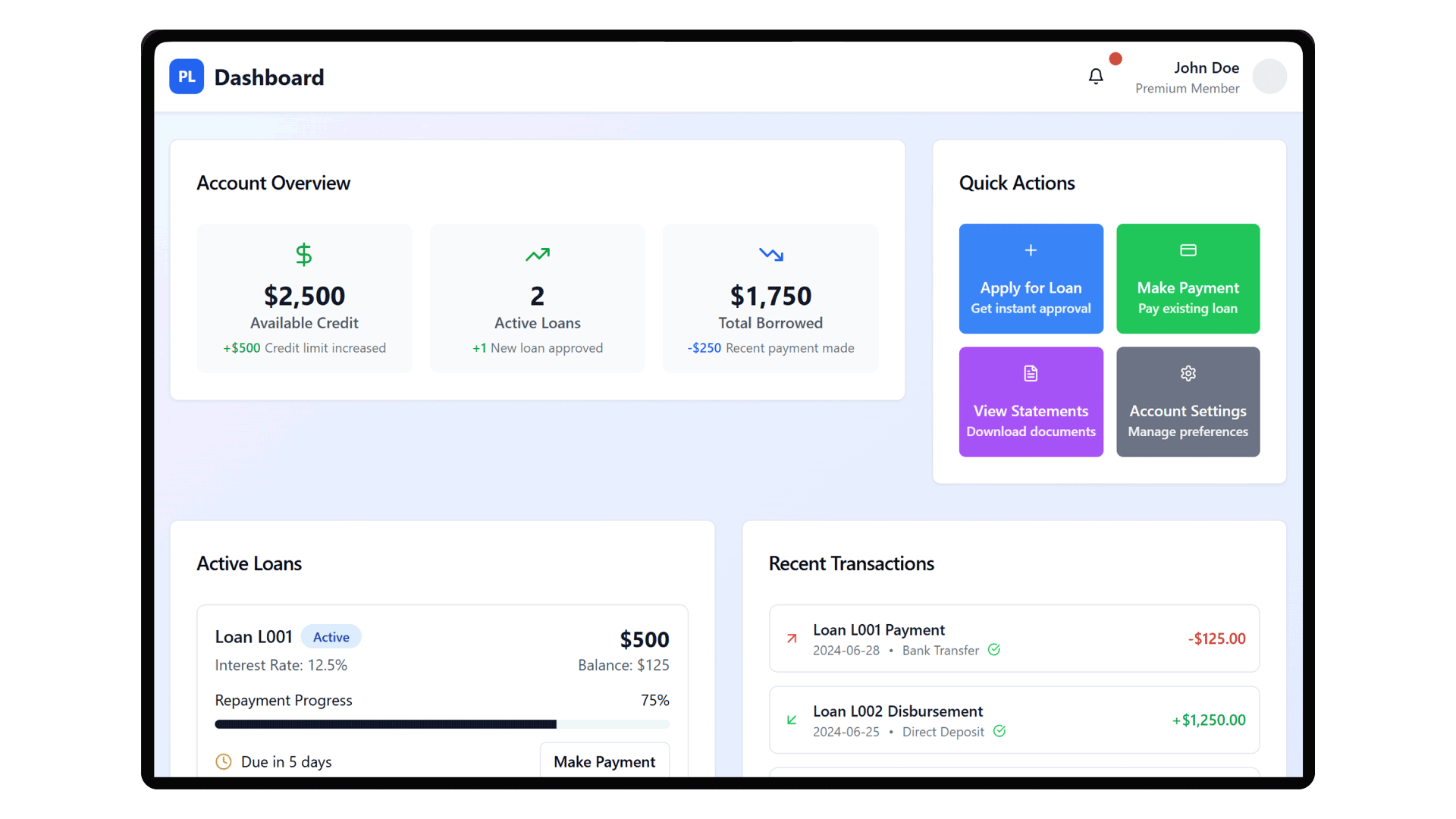
Make Interoperability Practical
b.well offers different integration options for end-user applications and system-level connections. Its capabilities include application APIs, a FHIR server, and developer SDKs, supporting different approaches to accessing and exchanging healthcare information. DrapCode provides the visual development environment for building the application around those connections. You can create patient portals, health dashboards, and care coordination interfaces, then configure the relevant API workflows and authorization based on your b.well implementation.
Core b.well Integration Capabilities
Build application workflows around connected health information and standardized healthcare data exchange.
FHIR Data Connectivity
Connect applications with supported FHIR resources through b.well services and appropriately configured API access.

Patient Health Records
Create interfaces for presenting available patient information retrieved through authorized b.well data connections.

Health Data Aggregation
Bring information from connected healthcare sources into application workflows for a more complete patient view.

Patient-Directed Access
Support application experiences where individuals connect and manage access to their health information.
Care Coordination
Build workflows that help authorized care teams work with relevant information across connected healthcare systems.
API-Based Integration
Use b.well application APIs and FHIR services to support secure data exchange and connect patient information across custom applications.
Healthcare Applications You Can Build

Patient Health Portals
Build digital portals where individuals can access available health information from connected sources through authorized application workflows.
Care Coordination Platforms
Create shared workflows that help care teams review relevant patient information and coordinate services across organizations.
Personal Health Applications
Develop applications that bring connected health records into user-friendly experiences for tracking and managing personal health information.
Build the Application Interface With DrapCode
Use DrapCode’s AI App Builder and visual development tools to create the screens and workflows around your b.well integration.

AI-Assisted App Building
Describe your requirements and refine supported application functionality as your healthcare product takes shape.
Visual Interface Design
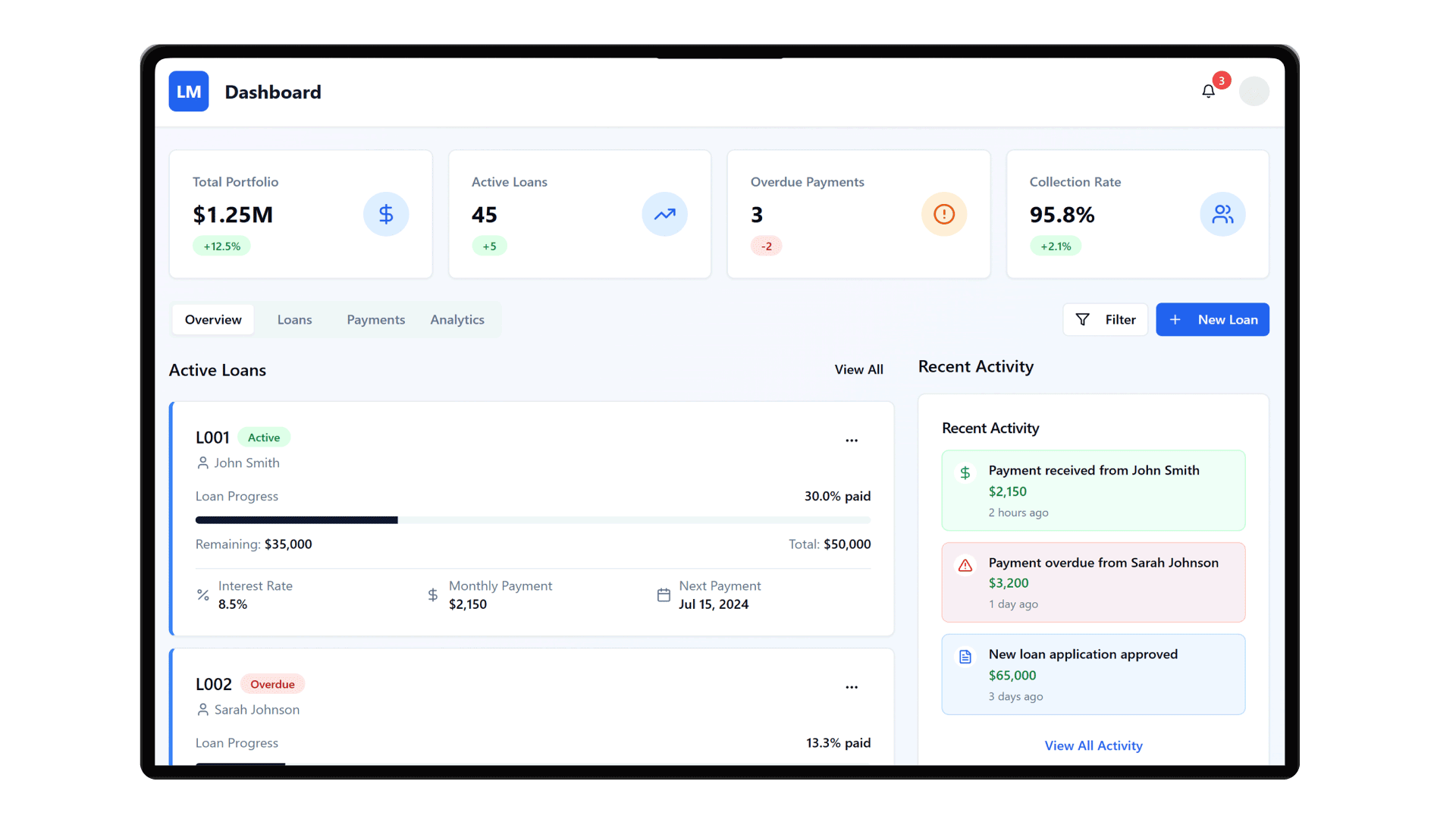
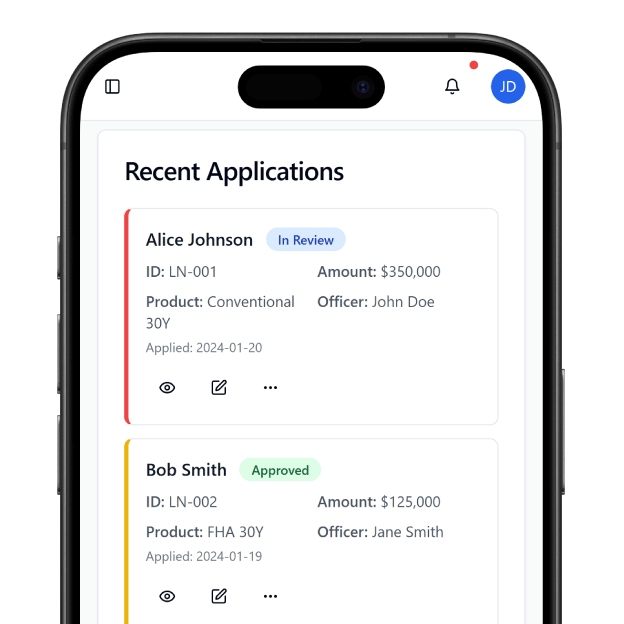
Create patient portals, provider dashboards, forms, and navigation suited to your healthcare workflows.

Role-Based Experiences
Configure different application journeys for patients, clinicians, administrators, and other user groups.
API Workflow Configuration
Connect supported endpoints and map returned information to relevant application screens and processes.
Custom Data Views
Present connected health information in organized layouts that make relevant records easier to understand.
Deployment Flexibility
Prepare applications for suitable hosting environments with testing and release processes aligned to project needs.
Give Patients a Connected Experience
Patients may need to access health information from several providers and healthcare services. A well-designed application can bring relevant information into one place, making it easier to review records and engage with care services. By combining DrapCode interfaces with b.well’s data connectivity, teams can create experiences around patient access, health summaries, and care coordination. The information available to each user depends on the connected sources, authorization, consent, and the APIs used.
Set Up the b.well Connection
The right integration approach depends on whether your application needs to access an individual's health information or connect to b.well at a system level. b.well documents separate options for end-user applications and system integrations, including application APIs and its FHIR server. Start by identifying the required data and the appropriate b.well API or service. Configure the required authentication, permissions, and consent flow, then connect the endpoints to your DrapCode application. Map the responses to the relevant screens and test access, error handling, and data updates before deployment. For healthcare use cases, review privacy, security, and applicable compliance requirements as part of implementation.
Frequently Asked Questions
What is b.well integration with DrapCode?
What type of healthcare data can I access through b.well?
Can I build a patient portal using b.well and DrapCode?
Does b.well support FHIR integration?
Does integrating b.well make my application HIPAA-compliant?
Build Connected Healthcare Applications
Create patient portals, care coordination platforms, and digital health applications with DrapCode. Bring your application experience and b.well's healthcare connectivity together through AI-assisted building and visual development.