Telehealth App Development
Build a secure telehealth application around the way your clinicians actually deliver virtual care—from patient intake and scheduling to video visits, documentation, and follow-up.
A Video Call Is Only One Part of the Visit
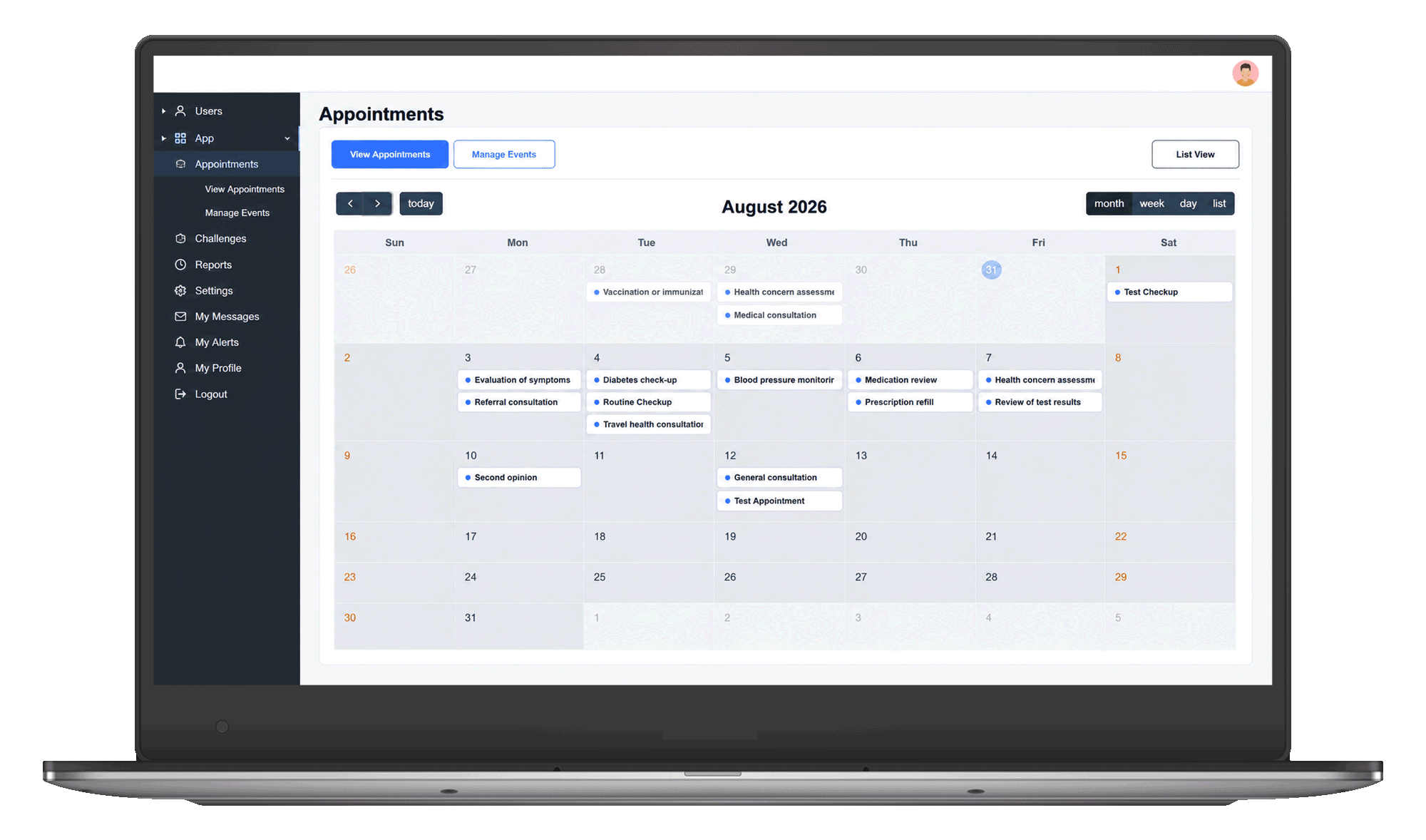
A telehealth product has to handle everything that happens before, during, and after a virtual consultation. Patients need to find the right provider, complete intake, book a time, join the visit, receive instructions, and know what happens next. Clinicians need a different experience. They need patient context before joining, a reliable consultation workspace during the appointment, and a practical way to document the encounter, create follow-up actions, and keep the clinical record current.
Build Around Your Care Model
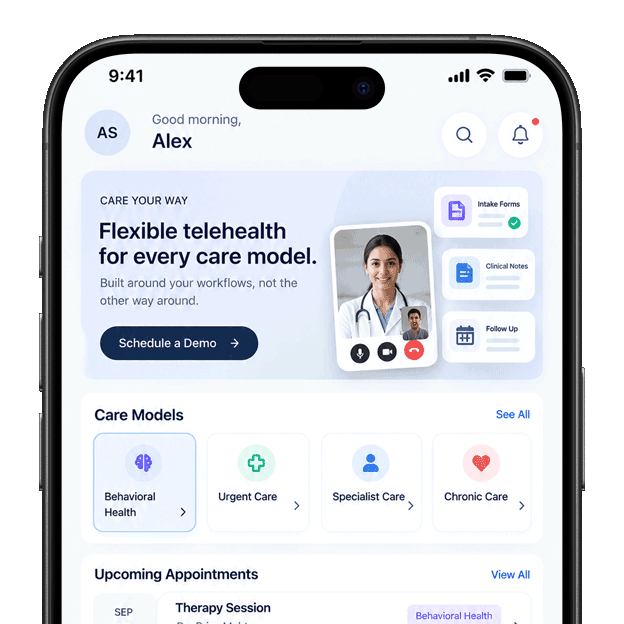
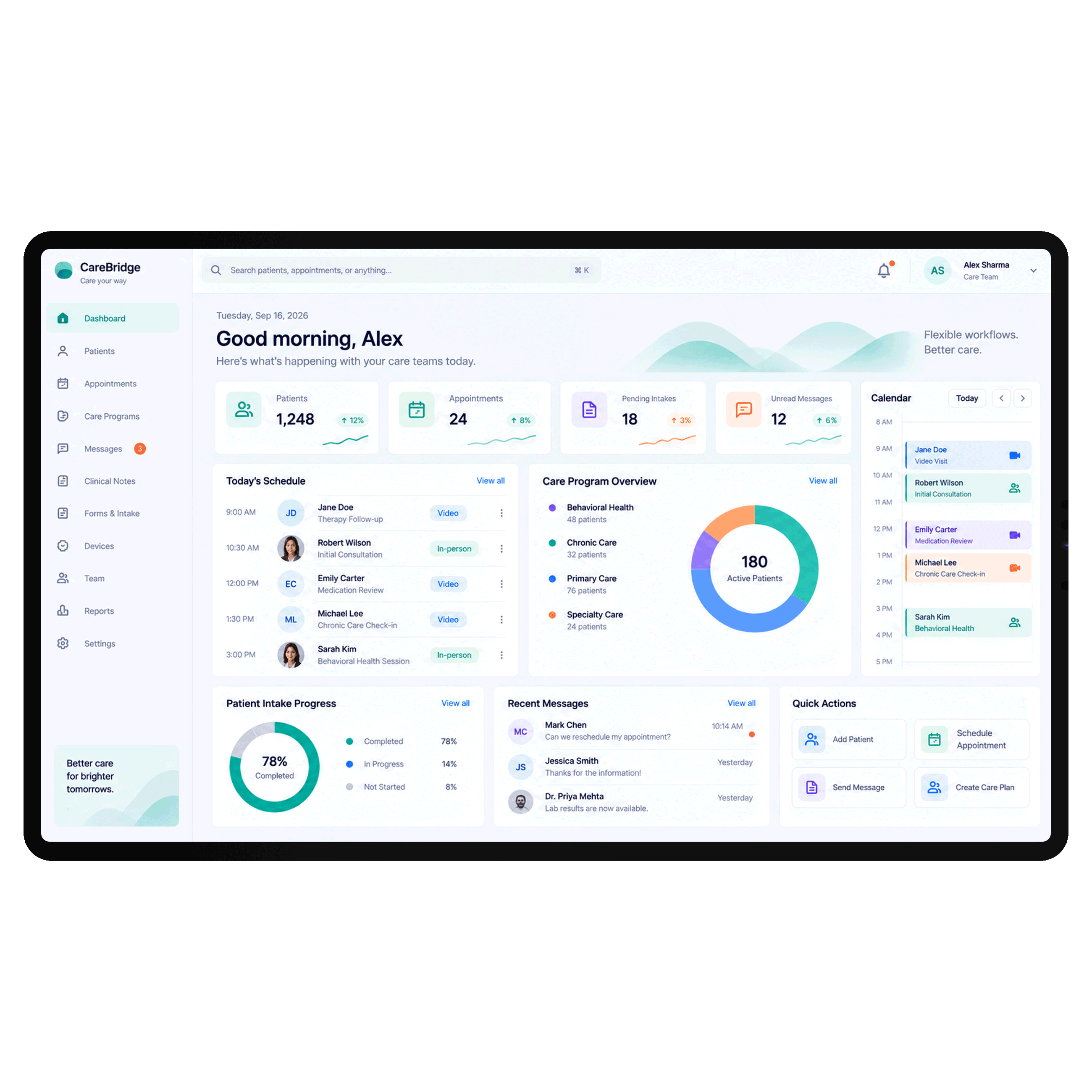
A behavioral health session does not run like an urgent-care consultation. A specialist may need referral documents before accepting an appointment, while a chronic-care program may need device readings available before the clinician joins the call. We build telehealth applications around these differences instead of forcing every organization into the same workflow. Roles, appointment types, intake questions, consultation screens, documentation, and follow-up processes can reflect how your team already delivers care.
What Your Telehealth App Can Include
Bring the patient visit, clinician workflow, and supporting healthcare processes into one connected application.
Patient Scheduling
Let patients find appropriate providers, choose visit types, and securely book available appointments.
Pre-Visit Intake
Collect demographics, symptoms, consent, documents, and relevant information before scheduled consultations begin.

Virtual Consultations
Support secure video appointments with waiting rooms and role-specific patient and provider experiences.
Clinical Documentation
Give providers structured workflows for documenting consultations, assessments, notes, and follow-up actions securely.

Secure Messaging
Keep patient-provider communication inside controlled workflows before and after scheduled virtual care visits.
Care Follow-Up
Coordinate instructions, referrals, future appointments, and ongoing actions after each completed virtual consultation.
Built for the Systems Behind the Visit
A useful telehealth application cannot become another isolated place where patient information lives. It needs controlled connections to the systems your clinical, administrative, and financial teams already depend on.
EHR Connectivity
Connect virtual encounters with existing clinical systems through standards-based APIs and healthcare data exchange.
FHIR Workflows
Exchange structured healthcare information using FHIR resources appropriate to your application and integration requirements.
Identity Controls
Manage patient, clinician, administrator, and support access through clearly separated roles and permissions.
Audit Visibility
Securely maintain activity records across sensitive actions, data access, authentication events, and administrative workflows.
Telehealth for Different Models of Care
Virtual-First Clinics
Create the complete digital care journey for organizations where most patient interactions happen remotely. Patients can register, complete intake, schedule consultations, meet clinicians, receive follow-up instructions, and return for future care without navigating separate systems.
Hybrid Healthcare Practices
Add virtual appointments alongside existing in-person services without creating a disconnected second workflow. Providers can manage different appointment types while patients use one consistent experience for scheduling, communication, and follow-up.

Ongoing Care Programs
Virtual visits can become one part of a longer care relationship rather than isolated appointments. Programs that collect patient readings between consultations can connect with Remote Patient Monitoring Software, so clinicians have relevant longitudinal information available when reviewing patient progress.
From Workflow to Production
We start with the clinical journey, not a predefined telehealth template. That keeps development focused on the workflows your patients, clinicians, and operations teams will actually use.
 Design around the complete visit
- Keep clinical data connected
- Separate access by responsibility
- Plan compliance from the beginning
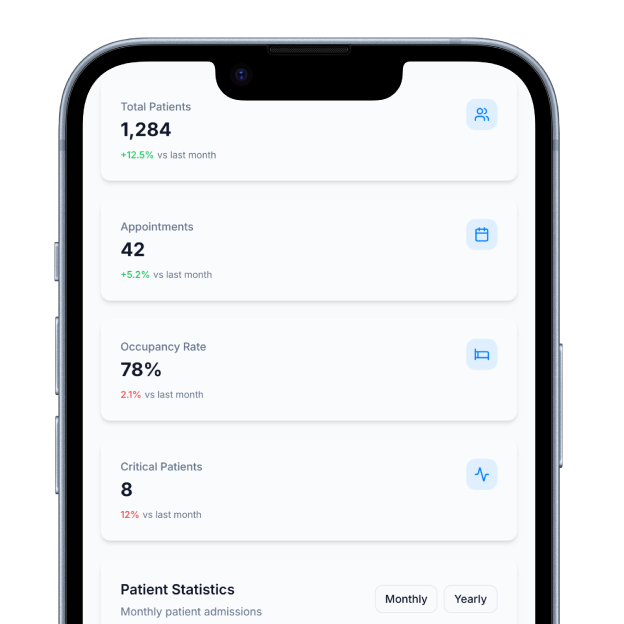
Map the Visit
Define how patients enter care, what happens before an appointment, who conducts the visit, what clinicians document, and which actions follow the consultation.
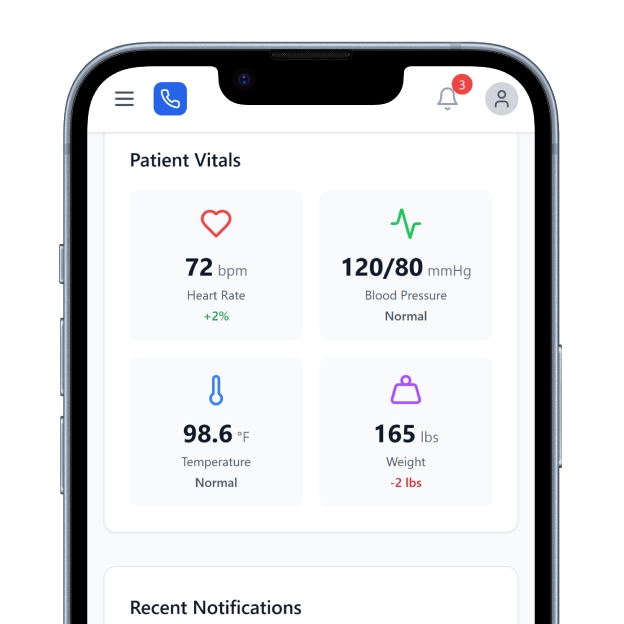
Design Each Workspace
Create patient, provider, and administrative experiences around their actual responsibilities, rather than exposing every user to the same application interface.
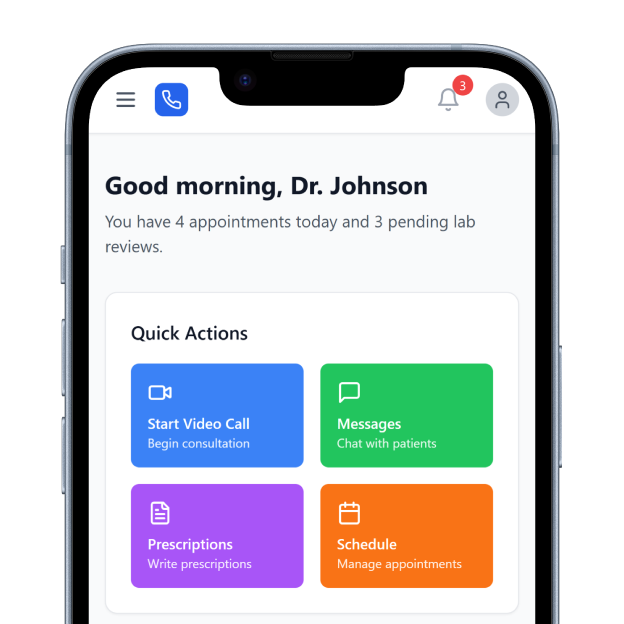
Connect Healthcare Systems
Integrate the EHR, video infrastructure, messaging, payments, identity services, or other healthcare systems required for your operating model.
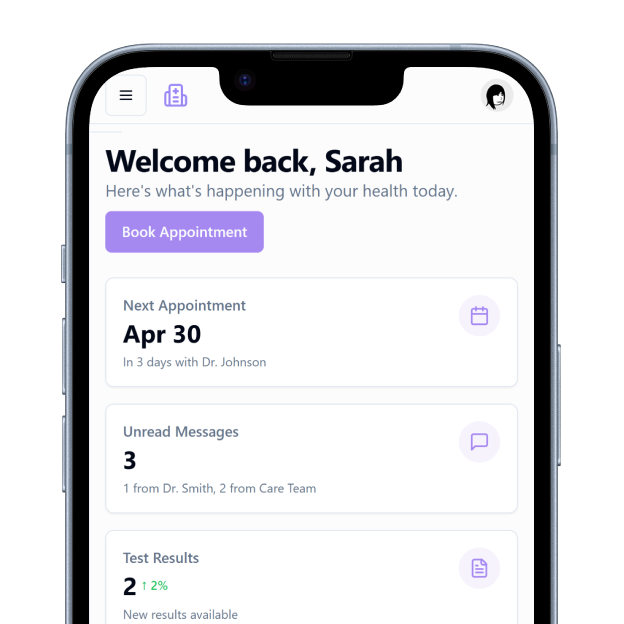
Validate and Launch
Test permissions, workflows, integrations, clinical data handling, device behavior, and failure scenarios before moving the telehealth application into production.
Keep PHI Protected Throughout the Visit
Telehealth creates several points where protected health information can move: registration forms, consultation screens, messages, clinical documentation, uploaded files, integrations, and administrative workflows. Security must cover that entire journey, not just the video session. DrapCode supports HIPAA-compliant application development with encrypted data handling, role-based access, authentication, audit logging, and controlled infrastructure. You can sign a BAA as part of the engagement when DrapCode handles PHI on your behalf.
Why Teams Build Telehealth Apps With DrapCode
We do not treat telehealth development as adding video conferencing to a generic healthcare application. The work starts with your care model: who the patient sees, what clinicians need during the encounter, where documentation belongs, and which systems need the resulting data. DrapCode brings application development, healthcare integrations, secure infrastructure, and HIPAA-focused controls into the same delivery process. You get a telehealth application designed for your organization, not a white-label product that dictates how your team must work.
Frequently Asked Questions
What does telehealth app development include?
Can you build around our existing clinical workflow?
Can a telehealth app connect with our existing EHR?
How do you approach HIPAA compliance for telehealth applications?
How much does custom telehealth app development cost?
Bring Your Virtual Care Model to Production
Tell us how your consultations work today. We’ll help turn that workflow into a secure telehealth application built around your patients, providers, and existing healthcare systems.